โอซาก้า
โอซาก้ามีทุกอย่างที่คุณต้องการ ตั้งแต่อาหารรสเลิศไปจนถึงการช็อปปิ้ง!!
แวะช้อปปิ้งที่แหล่งช้อปปิ้งที่มีชื่อเสียงใกล้สถานีรถไฟหลัก และลิ้มรสอาหารท้องถิ่นที่เป็นเอกลักษณ์ เช่น ทาโกะยากิและโอโคโนมิยากิ
-

FUTRWORKS
-

โรงแรม Hankyu GRAN RESPIRE OSAKA
-

HEP FIVE
-

CUPNOODLES MUSEUM OSAKA IKEDA
-

Hankyu Department Store Umeda Main Store
-

Hanshin Department Store Umeda Main Store
-

ตลาดทาโกะยากิ โอซาก้า
-

ฮังกยูคัปปะ โยโกโช
-

เดอะ ริตซ์ คาร์ลตัน โอซาก้า
-

Hotel Hankyu RESPIRE OSAKA
-

โรงแรมฮัน Hanshin นเน็กซ์ โอซาก้า
-

NU chayamachi / NU chayamachi +
บทความที่เกี่ยวข้อง
-

7 ของที่ระลึกที่ดีที่สุดในโอซาก้า: ของขวัญญี่ปุ่นที่ควรซื้อในโอซาก้า
At the end of your trip to Osaka, you may want to take home a souvenir that captures the spirit of Japan, but choosing the right one can be difficult. Osaka offers a wide variety of souvenirs, from traditional Japanese tea and sake to expertly crafted Sakai knives, cute character goods, and practical Japanese lifestyle items. In this article, we’ve carefully selected some of the best souvenirs to look for during your trip to Osaka. From traditional crafts and food to lifestyle goods and character merchandise, we’ll introduce items by category that are perfect not only for yourself, but also as gifts for family and friends. Index 1. What to Buy in Osaka? Recommended Souvenirs to Bring Home 2. Japanese Tea & Osaka Tea|A Fragrant Souvenir to Relive Your Trip 3. Sakai Knives|A Traditional Japanese Craft Showcasing the Skills of Master Artisans 4. Japanese Sake|Bring Home the Flavors of Osaka and Kansai 5. Kitchenware|Chopsticks, Tableware & Cooking Tools That Showcase 6. Character Goods|Take Home Japan-Exclusive Items 7. 3COINS|Affordable, Cute & Practical Japanese Lifestyle Goods 8. Kayanoya|Bring Home the Japanese “UMAMI” Flavor When choosing souvenirs in Osaka, look for items that can only be purchased in Japan or things that bring back memories of your trip. From foods such as Japanese tea and sake to expertly crafted knives and chopsticks, as well as character goods representing Japan’s pop culture, there are plenty of options to choose from. Food items and small lifestyle goods are also easy to pack in your suitcase, making them perfect gifts for family and friends. If you’re buying a souvenir for yourself, consider choosing something you can actually use during your trip or in your everyday life. Japanese tea is one of the most popular souvenirs from Japan. Tea leaves and tea bags are relatively easy to pack and take home, allowing you to enjoy the tea you tasted in Japan even after returning home. Osaka has areas with deep ties to Japanese tea culture, including Sakai, while nearby Uji in Kyoto is also known as one of Japan’s most famous tea-producing regions. Matcha, sencha, and hojicha are especially appealing for their authentic Japanese flavors and easy enjoyment. Many products also come in beautifully designed packaging, making them ideal gifts. If you’d like to enjoy Japanese tea at home, be sure to look beyond tea leaves and check out matcha sweets and original products from specialty Japanese tea shops. For those who love cooking, Sakai knives are a souvenir worth considering. Sakai in Osaka is renowned as a center of knife production, and Sakai knives are highly regarded not only in Japan but also by chefs around the world. Their appeal lies in the traditional techniques passed down through generations, including forging and sharpening by skilled artisans. With a wide range of options, from household knives to professional-grade blades, you can choose one to suit your needs. It can also be fun to look for a special, personalized knife, such as one that can be engraved with your name or customized with your choice of handle. Consider taking a trip from central Osaka to Sakai to learn more about the history and craftsmanship behind these knives. Some experiences even allow you to see skilled artisans sharpening knives and learn about the knife-making process firsthand. Japanese sake is another great souvenir for experiencing a taste of Japanese culture. Made primarily from rice and water, sake is a uniquely Japanese alcoholic beverage, with aromas and flavors varying greatly from one brewery to another. For souvenirs, consider smaller bottles that are easy to take home or tasting sets that let you compare different varieties. If you’re new to sake, telling the shop staff your preferences, such as sweet (amakuchi) or dry (karakuchi), can help you find a bottle that suits your taste. The area around Osaka is home to several renowned sake-producing regions. Among them, Nada Gogo, which stretches across Kobe and Nishinomiya, is known as one of Japan’s most famous sake-producing areas. If you’re looking for a unique souvenir in the Namba area, head to Sennichimae Doguyasuji Shopping Street. Along this approximately 150-meter-long street, you’ll find specialty shops selling knives, pots, tableware, cooking utensils, and other items related to Japanese cuisine. With a history spanning more than 130 years, the shopping street has long played a role in supporting Osaka’s food culture. For international visitors, traditional Japanese chopsticks and Japanese-style tableware make especially great souvenirs. Because they are practical items for everyday use, they can also help you keep the memories of your trip to Japan close at hand after returning home. Some shops offer personalized items with names engraved on chopsticks or tableware, making them ideal for anyone looking for a special gift. If you enjoy cooking, it’s also worth browsing the selection of Japanese knives and cooking utensils. Being able to pick up and choose the tools that support Japan’s food culture firsthand is one of the unique appeals of Doguyasuji. For fans of Japanese anime and characters, character goods are another must-have souvenir. Osaka’s Umeda area is home to a wide range of shops offering merchandise from popular characters and anime series. You’ll find a huge variety of items, including plush toys, keychains, stationery, pouches, and more. You may also come across Japan-exclusive designs or limited-edition items available only in certain regions or stores. In particular, HANKYU SANBAN GAI and HEP FIVE in Umeda are home to a variety of shops, including KIDDY LAND, Chiikawa Land, and Animate. They are great areas to experience Japan’s “Kawaii” culture and pop culture all in one place. 3COINS is a popular Japanese variety store where almost every item is priced at around ¥300 (approximately US$2). It’s a great place to find affordable and practical items, including mobile accessories that come in handy during your trip and everyday goods that are easy to pack in your suitcase. There are several 3COINS locations around Osaka, including a store on the 6th floor of HEP FIVE in Umeda. Conveniently located for a stop during sightseeing or shopping in Osaka, it’s a great place to casually browse Japanese-designed lifestyle goods and pick up a memorable souvenir. ▼ Learn more about HEP FIVE, home to 3COINS▼ A Complete Guide to HEP FIVE: Ferris Wheel, Tax Free, Attractions and Shopping Kayanoya is a specialty store offering high-quality dashi (Japanese soup stock) loved by chefs in Japan. One of its most popular products is its dashi packs, which can be simmered just like a tea bag to create authentic Japanese-style soup with ease. Bring the rich “UMAMI” flavor that captivates food lovers around the world into your own kitchen with minimal effort. Osaka souvenirs are appealing not only because of their food, but also because they allow you to bring home memories of your trip through Japanese traditions, craftsmanship, and pop culture in many different forms. From Japanese tea and sake to Sakai knives, traditional chopsticks, and Japan-exclusive character goods, there are plenty of souvenirs to choose from. When visiting Osaka, be sure to look beyond sightseeing and food and keep an eye out for things you can only experience or find in Japan. Find the perfect souvenir for yourself or as a gift for someone special, and keep the memories of your Osaka trip alive even after you return home.
-

สวนอนุสรณ์งาน Expo ’70 เป็นสถานที่ที่เยี่ยมยอดในโอซาก้า! ไฮไลท์อธิบายแล้ว!
Expo ’70 Commemorative Park, a popular spot for children and adults alike to enjoy a variety of activities. There are many things to see and do in the park, so we have picked out a few points that you should keep in mind. If you check them out in advance, you will surely be able to enjoy them without wasting your time! -INDEX- 1.What is Expo ’70 Commemorative Park? 2.Entrance Fees and Holidays 3. Tower of the Sun, the symbol of Expo ’70 Commemorative Park, is sure to be a photo-stealing attraction! 4.Experience Wabi-sabi in the Japanese Garden, a garden created with the best of Japanese landscaping techniques. 5. Natural and Cultural Gardens are photogenic places to visit! Enjoy the seasonal flowers and plants at the Gardens! 6. Thrilling activities are also available! “fantazooma” and “Labyrinth Fortress” (1) fantazooma (2) “Labyrinth Fortress”, a giant three-dimensional athletic maze 7. There is so much more than nature and athletic activities! Facilities in Expo ’70 Commemorative Park (1) National Museum of Ethnology (2) Expo ’70 Pavilion (3) “LIVING PARK” & Cafe “WEST” 8.Expo ’70 Commemorative Park offers a wide variety of events throughout the year! 9.How to get to Expo ’70 Commemorative Park Expo ’70 Commemorative Park, commonly known as Japan World Exposition Commemorative Park, is located in Suita City, Osaka Prefecture, and was developed on the site of the 1970 Japan World Exposition (Osaka Expo). The expansive 260-hectare site offers a wide variety of natural attractions, including the “Nature and Cultural Gardens” and the “Japanese Garden”, cultural facilities such as the “National Museum of Ethnology” and the “Osaka Japanese Folk Crafts Museum”, and the “BAMPAKU BEAST”, one of the world’s largest athletic towers. Across the main road is EXPOCITY, one of Japan’s largest commercial facilities, perfect for shopping and dining! The area is also adjacent to facilities such as the Giant Ferris Wheel, which boasts the highest height in Japan, and NIFREL, a “living museum” that combines an aquarium, zoo, and art museum, making it an area where adults and children, large groups or solo visitors, can fully enjoy themselves according to their needs. The area is designed to provide ample enjoyment for adults and children, large groups or single visitors, according to their needs. Basic information about Expo ’70 Commemorative Park is as follows (subject to change, so please check the official website before your visit). ●Opening hours: 9:30-17:00 (admission until 30 minutes before closing) ●Closed: Wednesdays (if Wednesday is a national holiday, the weekday immediately following Wednesday) / Year-end and New Year holidays Open every day from April 1 to GW in May, October, and November. ●Admission: Adults: 450 yen, Junior high school and elementary school students: Free ●Address: Senri Banpaku Park, Suita City, Osaka Prefecture ●Official website: Expo’70 Commemorative Park The symbol of Expo ’70 Commemorative Park is the Tower of the Sun, designed by Taro Okamoto, one of Japan’s most famous artists, and built for the 1970 Japan World Exposition (Osaka Expo)! A commemorative photo in front of this tower soaring into the sky is a must. The top of the tower represents a “golden face” symbolizing the future, the front side a “sun face” symbolizing the present, and the back side a “black sun” symbolizing the past. It is a unique tower that gives a completely different impression depending on the angle of view. The “Tree of Life” displayed inside represents the evolutionary process of life from protozoa to humans. In principle, the museum was closed to the public, but it has been open to the public since 2018. Currently, reservations are given priority. Same-day tickets may be sold on the day of the exhibition if available. ●Fees: Adults: 930 yen, Elementary/Junior high school students: 380 yen Nature and Cultural Gardens and Japanese Garden common admission set) ●Time required: about 30 min. ●10 min walk from Banpaku-kinen-koen Station ●Closed: Same as Expo ’70 Commemorative Park *Reservations are accepted on a first-come, first-served basis for the inside of the tower. Please be sure to check the official website of Tower of the Sun. Located on the north side of the park is the Japanese Garden, an approximately 26-hectare area created by the best of Japanese landscaping techniques. A stream flows across the long and narrow terrain measuring 1,300 meters from east to west and 200 meters from north to south, and along the stream are areas that incorporate landscaping styles from different periods, such as the Early Modern, Middle Ages, Modern, and Contemporary periods. The “Falls in Filtered Sun Light” is located in the joudai area. It consists of several waterfalls centering on a 3.5-meter-high waterfall. Both banks are planted with maple trees, and visitors can enjoy a different beauty each season, such as the fresh green leaves filtering through the trees in spring and the bright red autumn leaves …… in fall. In the medieval area, there are bamboo groves where you can feel the serenity and beautiful Karesansui (dry landscape garden), in which water is expressed by stones and sand without using water, allowing visitors to experience the Wabi-sabi(Wabi-sabi is a Japanese expression referring to an aesthetic concept of perceiving beauty in imperfection.) of the Japanese, who find beauty in simple things. It takes about 1 hour and 30 minutes to make a round of the Japanese Garden. You can take more time to fully enjoy the scenery, or if you want to appreciate the garden in a shorter time, we recommend a short course of about 30 minutes, starting from the central rest area to enjoy the magnificent view of Tsuki-yama, the changing scenery around Shinji-ike Pond, and Karesansui (dry landscape garden). ●Time required: about 1 hour and 30 minutes ●About 15 minutes on foot from Koen-higashiguchi station (to the main gate of the Japanese Garden) ●Closed/Wednesdays (if Wednesday is a national holiday, the following Thursday), the New Year’s holiday *But open from April 1 to Golden Week and from October 1 to November 30. The area extending to the west of the park, including Tower of the Sun, is called the “Nature and Cultural Gardens. With the idea of recreating a natural forest, various trees, plants and flowers were planted after the closing of the Osaka Expo, and it has been more than 50 years since then. It is now as lush and green as it is today. Visitors can stroll through the park while admiring the flowers and trees that bloom beautifully in each season: cherry blossoms in spring, tulips and poppies, sunflowers in summer, autumn leaves and cosmos in fall, and plum blossoms and camellias in winter ……. The “Flower Hill(Hana-no-oka)” near the west exit is a flower garden of chamomile in spring and cosmos and kochia in fall. The scenery is breathtaking, as if you have entered the world of a storybook, and the area is well worth a visit. <Flower Hill(Hana-no-oka)> ●Time required /about 30 min ●About 25 minutes on foot from Bampaku-kinen-koen Station Nature Observation and Study Hall “moricara” in the Nature and Cultural Gardens, visitors can learn about the fun and importance of nature through exhibitions, observation, and crafts. With a kids’ space and nursing room, this is a great spot for families with children. <Nature Observation and Study Hall “moricara”> ●Time required: about 1 hour ●About 20 minutes on foot from Bampaku-kinen-koen Station ●Closed/Following the schedule of Expo ’70 Commemorative Park (other temporary closures may apply) Adjacent to Nature Observation and Study Hall “moricara” is the Sorado (Aerial Promenade), a facility consisting of an aerial walkway through the forest and an 82-meter-high observation tower. Visitors can enjoy a magnificent view of the park from the highest point in the park. <Sorado (Aerial Promenade)> ●Time required / about 30 min. ●About 20 minutes on foot from Bampaku-kinen-koen Station Opened in 2026, “fantazooma” is an experience tower standing 24 meters tall, featuring four floors and a sky corridor. There are a total of 121 different items available, each with varying levels of difficulty! Since it’s not a linear path with a set start and finish, you can follow your own interests and instincts, choosing your preferred route and items as you go. ●Fees: Adults: 3,500 yen, Elementary school students: 2,500 yen ●Time required: about 60 minutes (safety equipment and training will be provided separately) ●about 25 minutes on foot from Bampaku-kinen-koen Station ●Closed: Every Tuesday and Wednesday *Closed or suspended in case of rain or stormy weather. Please check the official website for the latest operation status. fantazooma has terms and conditions of use. Please check the official website for details. This is the first time it has appeared in western Japan! This is a huge athletic maze with five levels and a height of 13 meters, where you become an “adventurer lost in a labyrinth” and aim for the goal on the top floor. There are two courses with different levels of difficulty: a “physical course” and an “intellectual course”. ●Fees: 500 yen per person for each course (3 years old and up are charged) ●Time required: about 20 min. ●About 10 min on foot from Bampaku-kinen-koen Station There are conditions of use for the Labyrinth Fortress. Please check the official website for details. ●Closed/as per Expo ’70 Commemorative Park The National Museum of Ethnology, commonly known as “Minpaku”, is a facility that exhibits tools of daily life, ethnic costumes, and ritual implements collected from around the world based on research and studies related to ethnology and cultural anthropology. The exhibits are arranged by region (Oceania, America, Europe, Africa, and Asia), so you can feel as if you are touring the world. The Japanese culture exhibit is also a must-see. At the Osaka Japanese Folk Crafts Museum, located next to the National Museum of Ethnology, visitors can view ceramics, dyed fabrics, wood crafts, and other folk crafts from around Japan. It is also recommended to check out souvenirs at the store attached to the museum. ●Fees: Adults: 580 yen, college students: 250 yen ●Time required:about 1 hr 30 min. ●About 15 min on foot from Koen-higashiguchi station ●Closed: Wednesdays (if Wednesday is a national holiday, the weekday immediately following Wednesday will be closed), year-end and New Year holidays Opened in 2010 as a commemorative museum for the 1970 Japan World Exposition (Osaka Expo). The museum features an array of photographs and other items that give visitors a glimpse of that time. ●Fees/High school students and older: 500 yen ●Time required: about 60 min. ●About 10 min on foot from Koen-higashiguchi station ●Closed/follows Expo ’70 Commemorative Park “LIVING PARK” is a glamping facility based on the concept of “a cozy space in a park that feels like a living room in a house”. You can also enjoy BBQ at the attached cafe “WEST”. ●Fees/Vary according to plan ●About 20 minutes on foot from Bampaku-kinen-koen Station ●Closed/as per Expo ’70 Commemorative Park The Expo ’70 Commemorative Park hosts a variety of events such as music events, lighting up with projection mapping, fireworks displays, gourmet festivals, and more. When you visit, don’t forget to check the event information. There are two stations closest to Expo ’70 Commemorative Park: Bampaku-kinen-koen Station and Koen-higashiguchi Station on the Osaka Monorail. Bampaku-kinen-koen Station, located in the center of the park, is the closest station to Tower of the Sun, the Nature and Cultural Gardens, the Central Gate, and EXPOCITY. Koen-higashiguchi Station, located farther east, is the closest station to the National Museum of Ethnology and the Japanese Garden. The distance between the stations is a little over 1 km, so it is possible to walk around the park using either station. There are several routes to get to Expo ’70 Commemorative Park from Osaka Umeda Station on the Hankyu Railway, Osaka’s terminal station. (1) When using the Kyoto Line from Hankyu “Osaka Umeda Station” (about 35 minutes) Take the Hankyu Kyoto Line (bound for Kyoto Kawaramachi) from Osaka Umeda Station on the Hankyu Line. Take the Hankyu Kyoto Line bound for Kyoto Kawaramachi, get off at Minami Ibaraki Station, and take the Osaka Monorail bound for Osaka Airport at the adjacent Minami Ibaraki Station. 2 stops away is Bampaku-kinen-koen Station. (2) From Osaka Umeda Station on the Hankyu Line, take the Senri Line (about 40 minutes). Take the Hankyu Senri Line (bound for Kita-senri) from Osaka Umeda Station. Get off at “Yamada Station” and board the Monorail (bound for Kadoma City) at “Yamada Station” of the adjacent Osaka Monorail. The next station is Bampaku-kinen-koen Station. If you are planning to visit Expo ’70 Commemorative Park, which has a wide variety of facilities on its vast grounds, we recommend that you decide what you are going to enjoy and check it out well in advance. The following are just a few of the many must-see spots, so please take a look at them before you visit!
-

สำหรับท่านที่มาเที่ยวญี่ปุ่น จุดเด่นของ Hankyu Department Store Umeda Main Store!
For international visitors looking to enjoy shopping in Osaka’s Umeda district, the commercial hub of Kansai, Hankyu Umeda Main Store is a must-visit destination. In this guide, we’ll take a closer look at the highlights of Hankyu Umeda Main Store, convenient services for international visitors, where to find the tax-free shopping counter, and more. Make the most of your limited time in Japan by checking the key information in advance and enjoying a smooth and rewarding shopping experience at Hankyu Umeda Main Store. -INDEX- Hankyu Umeda Main Store: One of Western Japan’s Largest Department Stores ・Excellent Access ・5% Off for International Visitors! Guest Coupon ・Tax-Free Shopping Guide ・Overseas Customer VIP Club ・Other Services Why Hankyu Umeda Main Store Is So Popular 1. The World’s First “Terminal Department Store”: A Hub for the Latest Trends 2. An Art Museum on the Street: “Concourse” That Bring the City to Life 3. An Atrium Transformed the Concept of Shopping: “9F Festival Plaza” Recommended Floors for International Visitors 1. HANKYU LUXURY (5F–6F) 2. Beauty & Cosmetics (2F, 3F, 10F and more) 3. Food (B1F–B2F) Hankyu Umeda Main Store spans 15 floors, from two basement levels to the 13th floor, offering a wide range of products including fashion, cosmetics, jewelry, watches, bags, lifestyle goods, and gourmet foods. Founded in 1929, this long-established department store has built a strong reputation in the Kansai region. As a leading name in Japan’s department store industry, it has established itself as one of Kansai’s premier destinations for discovering the latest trends in fashion and beauty. Hankyu Umeda Main Store is conveniently located within a five-minute walk of major transportation hubs, including Hankyu Osaka-Umeda Station, Hanshin Osaka-Umeda Station, JR Osaka Station, the Osaka Metro stations in the Umeda area, and highway bus stops for Kansai International Airport. Umeda also offers a wide range of accommodation options, from internationally renowned luxury hotels to affordable business hotels, making it an ideal base for shopping and sightseeing. International visitors can enjoy 5% off their purchases by using a special Guest Coupon issued exclusively to visitors from overseas. Some items are excluded. If you pay with UnionPay, WeChat Pay, or Alipay, you can receive the discount directly at checkout without using a coupon. Simply enter your information and activate the coupon at the store to use it. ▶ Register here Guest Coupon Activation Locations: B1F Overseas Customer Service Counter & 1F Information Counter The B1F Overseas Customer Service Counter is also where you can stop by for your tax-free shopping procedure at the end of your shopping trip, in addition to activating your Guest Coupon. Tip: Look for the small escalator—it’s a useful landmark for finding the counter. At the top of the escalator is the Overseas Customer Counter. Please look carefully at the information board above you. One important thing to remember after shopping is to complete your tax-free shopping procedure. At Hankyu Umeda Main Store, tax-free procedures are available at the B1F Overseas Customer Service Counter. Please note that the procedure must be completed on the same day as your purchase. From November 1, 2026, in addition to completing the procedure at the store, you will also need to undergo customs verification at the airport within 90 days. ▶ Learn more about tax-free shopping International visitors who make tax-free purchases totaling ¥1 million or more (before tax) within a one-year period can join the Overseas Customer VIP Club. VIP members can enjoy enhanced shopping discounts, as well as special services such as personal assistance and reservations for exclusive restaurant menus. Those whose total tax-free purchases over the past year amount to ¥1 million or more (excluding consumption tax and after applicable discounts and special offers) are eligible to join the Overseas Customer VIP Club. ■Member Benefits ① Silver Card Members: 7% Off Eligible Items Available to customers who have completed tax-free purchases totaling ¥1 million or more within the past year (excluding consumption tax and after applicable discounts and special offers). ② Gold Card Members: 10% Off Eligible Items 1. Reaching a cumulative purchase total of ¥5 million or more after receiving a Silver Card (excluding consumption tax and after applicable discounts and special offers) 2. Making ¥5 million or more in tax-free purchases before tax on their first tax-free shopping visit. *Some products and brands are excluded from these benefits. The store offers a range of convenient services for international visitors, including free Wi-Fi, foreign currency exchange machines, and a luggage delivery service to partner hotels for purchases of ¥10,000 or more. For more information, please visit or inquire at the B1F Overseas Customer Service Counter. Hankyu Umeda Main Store is one of Japan’s leading department stores in terms of customer traffic and sales. Step inside, and you’ll likely be surprised by how lively and crowded the store can be, even on weekdays. In 1929, Hankyu was founded by Ichizo Kobayashi, the founder of Hankyu Railway, and created what is regarded as the world’s first department store directly connected to a railway terminal. Recognizing the convenience of serving railway passengers, Hankyu pioneered an entirely new lifestyle concept: being able to shop directly at the station. Throughout its history, Hankyu has continued to propose an aspirational way of life that stays one step ahead of the times while remaining closely connected to people’s everyday lives. This long-standing commitment has helped build the strong trust and enduring popularity that Hankyu enjoys among people in the Kansai region. The seven giant display windows along the 1F concourse have become much more than showcases for products—they are now a “gallery in the city.” Featuring the latest collections from leading brands and enchanting seasonal displays, especially during the Christmas season, the windows often make passersby stop and take a moment to admire them. Hankyu’s unique ability to turn a department store display into a cultural attraction has created a local tradition of its own: “Going to Umeda just to see the windows.” Created as part of the store’s 2012 renovation, Festival Plaza on the 9th floor is an impressive open space featuring a ceiling height of approximately 16 meters and a grand staircase. The area symbolizes the transformation of department stores from places to simply buy things into destinations where visitors can enjoy unique experiences. Events such as the Valentine Chocolate Expo and the British Fair create a lively, festival-like atmosphere throughout the year. Even simply sitting on the staircase and taking in the energy of an event can be an enjoyable experience in itself. In March 2026, the 5th and 6th floors underwent a major renovation and reopened as HANKYU LUXURY, designed with affluent shoppers and international visitors in mind. The floors feature prestigious luxury brands such as HERMÈS, CHANEL, and LOUIS VUITTON, as well as Schiaparelli, which opened its first location in Japan. Visitors can also enjoy a meal or break from shopping at the Alain Ducasse Salon des Manufactures Paris. A new Concierge Counter has also been added on the 6th floor, offering personalized assistance and guidance across brands and floors. Feel free to consult the concierge for services such as checking product availability or making appointments for store visits. Centered around the 2nd and 3rd floors of Hankyu Umeda Main Store, HANKYU BEAUTY is one of the largest beauty destinations in Western Japan, offering an extensive selection of cosmetics and skincare products. Discover premium beauty brands such as Clé de Peau Beauté by Shiseido and SENSAI by Kanebo, as well as Japanese-born luxury skincare brands including SK-II and DECORTÉ. With such a wide range of products to choose from, you can take your time finding the beauty products that are perfect for you. *Cosmetics will also be available on the 10th floor from November 2026. From beautifully crafted traditional Japanese sweets and popular Western-style confectionery shops that draw long lines to premium souvenirs available only here, the lively food floors are like a theme park for food lovers. They are perfect not only for enjoying food as you explore Japan, but also for finding stylish Japanese souvenirs. That concludes our introduction to Hankyu Umeda Main Store. Enjoy a memorable shopping experience at the long-established Hankyu Umeda Main Store, where you can discover the latest and most sought-after items!
-

〈2026〉15 สถานที่ที่ดีที่สุดในการชมใบไม้เปลี่ยนสีในญี่ปุ่น (เกียวโต โอซาก้า และอีกมากมาย)!
Japan in autumn colors. Here are some of the best places in Kansai to see the autumn leaves, by area, from once-in-a-lifetime viewing spots to hidden gems. Please refer to the fall tourism in 2026. -INDEX- Things to keep in mind when visiting temples and shrines in Japan 【KYOTO】 〇Higashiyama Area Famous place:Eikando(Zenrin-ji) Little known good spot:Anrakuji 〇Arashiyama Area Famous place:Daikaku-ji Temple Famous place:Jojakko-ji Little known good spot:Jizoin(Takedera/Bamboo Temple) 〇Other Area Famous place:Rurikoin Little known good spot:Komyo-ji 【OSAKA】 Famous place:Minoh Waterfall Little known good spot:Katsuo-ji 【KOBE】 Famous place:Sorakuen Garden Famous place:Kobe Municipal Arboretum Little known good spot:Rokko Alpine Botanical Garden Little known good spot:Rokko-Arima Ropeway 【Other Area】 Himeji:KOKO-EN Nara:Hasedera temple FAQs About Fall Foliage in Osaka, Kyoto, and Kobe When visiting temples and shrines, be sure to observe proper etiquette and manners. Here are some guidelines that apply to both temples and shrines. 1. Do not speak loudly. Temples and shrines are sacred places, so please enjoy them quietly. 2. Do not eat or drink on the grounds. This is strictly prohibited. Even outdoors, it may be considered a breach of etiquette, so please be careful. 3. Do not touch buildings, torii gates, or statues. Leaning on torii gates or touching Buddhist statues is strictly prohibited. Treat these sacred objects with respect. 4. Confirm photography rules. Photography is prohibited in many areas, so check signs and notices before taking photos. 5. Do not walk in the middle of the approach. The middle of the approach is the path for the gods, so walk on the side. In addition, the methods of worship differ between temples and shrines. At shrines, it is common to worship with two bows, two claps, and one bow, but at temples, clapping is not done. Observe etiquette and manners, and enjoy visiting temples and shrines. 🍁Usual viewing time: mid-November to late November Eikando is the best place in Higashiyama to view the autumn leaves. About 3,000 maple trees cover the entire precincts of the temple. The sight of the tallest pagoda, Dabotou, enveloped by the autumn leaves is a fantastic sight. Japanese maples are planted around the Housho Pond, and the reflection of the Japanese maples and the Gokuraku Bridge in the water is a must-see. 🍁Usual viewing time: mid-November to late November Normally closed to the public, this special temple is open to the public only during the cherry blossom and autumn foliage seasons. Within walking distance is the Philosopher’s Path, which is tinted in autumn, so a walk along this path is recommended. Highlights include the scattered autumn leaves that turn the stone steps of the temple gate bright red and the beautiful garden with Nyoigatake in the background. Scheduled Special Opening Dates: November 1 (Sun), 2 (Mon), 3 (Tue), 7 (Sat), 8 (Sun), 14 (Sat), 15 (Sun), and 21 (Sat) through December 6 (Sun), 2026 *Gates open at 12:00 PM on Sunday, the 8th ▼Check this article▼ 【Kyoto】1 Day Trip|Let’s walk around Higashiyama, Kyoto to see the autumn leaves! 🍁Usual viewing time: Mid-November to late November The combination of the beautiful colors of the pagoda and the fiery maple leaves is gorgeous. Osawa Pond to the east is also a popular spot for viewing autumn leaves. The reflection of the autumn scenery on the surface of the water is fantastic. ▼Food info of Arashiyama area▼ Kyoto Arashiyama Sightseeing Half-day Model Course! Capture the bamboo forest, temples, nature, and major spots! 9 Sweets in Arashiyama, Kyoto, from Easy Eats to Stylish Cafes 🍁Usual viewing time: Mid-November to late November This temple is located on Mt. Ogura, known for the Ogura Hyakunin Isshitsu. In autumn, the approach from the entrance gate to the Niomon Gate is covered in autumn leaves, creating a tunnel of foliage. The autumn leaves surrounding the 12-meter tall Dabotou (pagoda), which is located at the top of the stone steps, is a must-see. The precincts of the temple and the area around the pagoda also offer a panoramic view of Kyoto City. 🍁Usual viewing time: late November Jizoin (Takedera/Bamboo Temple) is a Zen temple with beautiful bamboo groves, as its name suggests, and is a well-known spot for autumn leaves among those in the know. The trees change color later than other places in Kyoto, and the autumn leaves can be enjoyed until mid-December. Surrounded by lush bamboo groves, the contrast between the green of the bamboo and the changing colors of the autumn leaves is magnificent. The heart-shaped window, Inome-mado, in the Hojo is also open to the public. The autumn leaves cut by the window are breathtakingly beautiful. 🍁Usual viewing time: mid-November to late November Ruriko-in Temple is a popular spot in Rakuhoku Yase, and the spectacular view of the autumn leaves reflecting on the lacquered desk on the second floor is a sight to behold. Anyone can take pictures of this spectacular view by holding up a camera at the desk. It will be released in spring, summer, and autumn. Please enjoy the wide-open view of the autumn leaves as they spread across your field of vision. Special viewing period: October 1, 2026 (Thu) – December 13, 2026 (Sun) *From Saturday, November 13 to December 6, advance reservations will be accepted by lottery. Please check the official website for details. 🍁Usual viewing time: Mid-November to early December Sohonzan Komyoji Temple is located at the foot of Nishiyama in Nagaokakyo City. Visitors can see the rich expression of nature in each of the four seasons. Every year from mid-November to early December, a special entrance to the temple is held for the autumn foliage. The maple approach to the temple, with its impressive lineup of about 250 old maple trees, is a superb photo spot. Nishiyama is one of Kyoto’s best but not well-known sightseeing spots. If you want to enjoy Kyoto without the crowds, or if you want to visit a spot that is not yet known, check out the article below. Special Access Period: November 14, 2026– December 6, 2026 ▼Check this article▼ Kyoto Nishiyama|An undiscovered sightseeing spot in Kyoto! 🍁Usual viewing time: mid-November to early December Minoh Great Falls is one of the best places in Osaka to view the autumn leaves. The contrast between the waterfall and the autumn leaves in the vast Minoh Park is spectacular. You can enjoy the autumn leaves everywhere along the 2.6 km route from Hankyu Minoh Station to the falls. If you come to Minoh, you must try the famous “Momiji no Tempura” (maple leaf tempura). It is a slightly sweet and crunchy snack made by carefully frying real maple leaves one by one. You can buy it at a store on Takimichi. ▼Check this article▼ Minoh, Osaka-1 Day Trip|Enjoy The Most Beautiful Nature in Osaka! Hiking at Minoh Waterfalls and Katsuo-ji Temple Note on how to get to Minoh Waterfall! Points that international travelers should know before going there 🍁Usual viewing time: mid-November to early December Known since ancient times as a temple of good fortune, the precincts of Minoh’s Katsuo-ji Temple are decorated with brilliant autumn leaves in November. The tunnel of autumn leaves covering the approach to the temple is especially spectacular. The contrast between the green mountains in the background and the autumn leaves is like a painting. Katsuo-ji Temple is also known as the temple of “Kachi-Dharma”. Small Dharma dolls are laid everywhere, including on the stairs and stone walls. Please enjoy the adorable Dharma and beautiful nature. ▼Check this article▼ What is the highlight of Katsuo-ji in Minoh? A temple of luck to win in Osaka sightseeing ▼Check out this article for directions to Katsuo-ji Temple▼ [Train & Bus Guide] How to Get to Katsuo-ji Temple in Osaka? Key Travel Tips for International Visitors 🍁Usual viewing time: mid-November to early December Sorakuen Garden is the only Japanese garden in Kobe City’s urban parks. It is a kaiyu-style garden with a pond, with stepping stones and stone bridges across which visitors can view streams and waterfalls. The garden is famous for azaleas in spring, and in autumn the garden is decorated with autumn leaves. Important cultural properties such as the boathouse and the former Hassam residence, which were relocated for preservation, are also highlights. Why not enjoy an authentic Japanese garden and fall foliage viewing in the city of Kobe? ▼Check this article▼ 10 Delicious Gourmet Foods in Kobe! Local Specialties and Local Foods Recommended by Locals 🍁Usual viewing time: late October – early November The park is divided into different regions of the world, such as North America and Europe, and different types of trees, so that visitors can learn about the diverse beauty of autumn leaves. The area around Hase Pond is a particularly beautiful spot for viewing the autumn colors in a water mirror. Let’s take a stroll through the vast park and enjoy the world tour of autumn leaves! ▼Sightseeing and food info of Kobe▼ 10 Delicious Gourmet Foods in Kobe! Local Specialties and Local Foods Recommended by Locals First Time in Kobe. 21 Best Things to Do! Sightseeing, Spots, Dining, Model Course 🍁Usual viewing time: late October – early November Located at an altitude of 865 meters, the Rokko Alpine Botanical Garden reaches its autumn foliage season earlier than the city. Trees like maples and beeches typically begin to change color from mid-October, with the peak season lasting until mid-November. Taking advantage of the climate, which is similar to southern Hokkaido, the garden cultivates alpine plants, allowing visitors to enjoy the autumn colors of a wide variety of rare plants. During KOBE ROKKO MEETS ART 2026 beyond, from Saturday, September 19 to November 29, 2026, light artworks and illuminated autumn leaves will be on display on Saturdays, Sundays, and holidays! ▼KOBE ROKKO MEETS ART 2026 beyond Information▼ KOBE ROKKO MEETS ART 2026 beyond |Review and Sample Itineraries 🍁Usual viewing time: late October – early November The Rokko-Arima Ropeway connects the top of Mt. Rokko and Arima Onsen in about 12 minutes. Visitors can enjoy the changing autumn leaves depending on the elevation. The view of the autumn foliage from the gondola’s large foot-high windows is spectacular. Don’t forget to visit Rokko Mountain, where “KOBE ROKKO MEETS ART 2026 beyond” will be held from August 29 to November 29, 2026, and Arima Onsen to enjoy art, hot springs, and gourmet food! ▼Check this article▼ Arima Onsen-1 Day Trip|Enjoy Hot Springs, Gourmet, and Nature! The 10 best food and sweets in Arima Onsen Town 🍁Usual viewing time: mid-November to late November There are nine gardens of different styles with Himeji Castle, which is registered as a World Heritage site, in the background. Because of the atmosphere of the Edo period, the gardens are often used for filming movies and TV dramas. In the fall, the Autumn Foliage Festival is held from November 17 to December 6, 2026. The best time to visit is during the “Momiji-kai” (autumn foliage viewing), when the leaves are illuminated for a fantastic view. You can enjoy a fantastic view that is different from that of daytime. During this period, the park is open until 20:00.(Last admission is at 19:30) 🍁Usual viewing time: late November – mid December Hasedera Temple, located in Sakurai City, Nara Prefecture, is known as the “Temple of Flowers”. The temple is open twice a year, in spring and fall, for a limited time for special visits. A must-see spot is the floor of the hall of worship. In autumn, visitors can enjoy the “Yuka-momiji” (floor maple leaves) that turn bright red. The view of the autumn leaves from the stage in front of the main hall is not to be missed. The five-story pagoda surrounded by autumn leaves is a magnificent sight. Be sure to visit Hasedera Temple, where the entire mountain is decorated with autumn leaves. Special Viewing: October 5, 2026 (Sat) – December 8, 2026 (Sun) (Separate admission fee of 1,000 yen) Q. When is the best time to see the fall foliage in 2026? A. As of September 4, the forecast is for conditions similar to the average year. In the lowlands, the peak viewing period is expected to be from late November through mid-December, while in the mountainous areas, it is expected to be from early November through early December. Autumn in Japan is very vivid. The temperature has dropped, making it comfortable to be out. There are so many places to see the autumn leaves that it is impossible to visit them all at once. Please find your favorite spot and enjoy the autumn foliage as you wish.
-
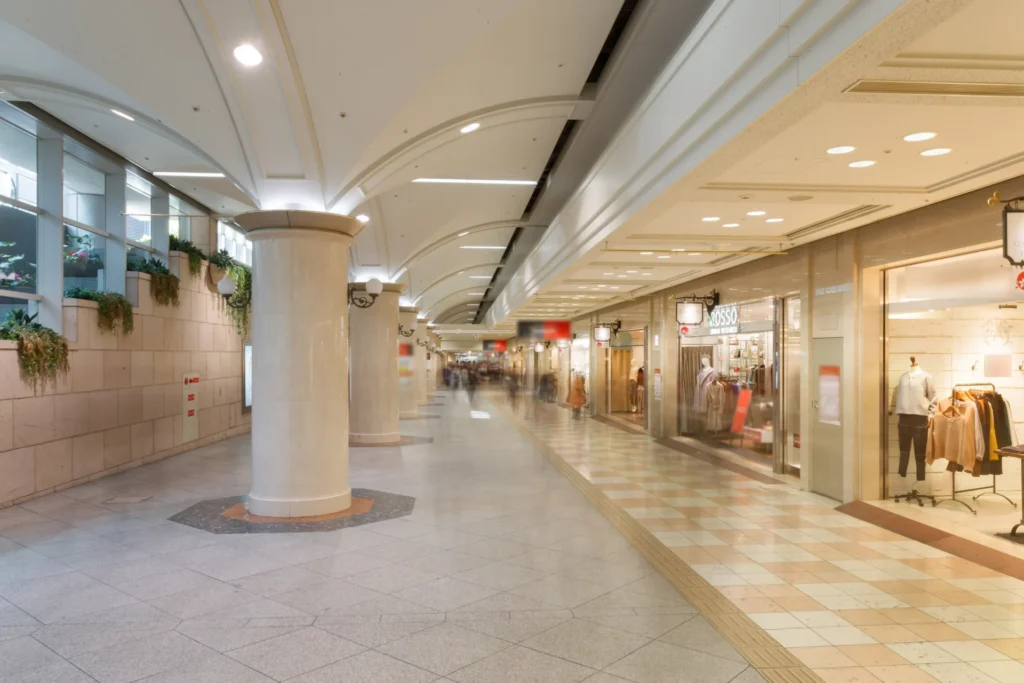
คู่มือฉบับสมบูรณ์สำหรับแหล่งช้อปปิ้งใต้ดินในอุเมดะ โอซาก้า: เพลิดเพลินกับการช้อปปิ้งและรับประทานอาหารโดยไม่ต้องหลงทาง
Osaka Umeda’s vast underground shopping streets are so complex that they are often nicknamed a “maze.” They may seem intimidating at first, but they are actually a fantastic place to enjoy shopping and dining to your heart’s content, without having to worry about the weather. In this guide, we’ll focus on popular areas such as HANKYU SANBAN GAI and Diamor Osaka, introducing recommended shops as well as tips for navigating Umeda’s underground streets without getting lost. If it’s your first time visiting Umeda, be sure to read until the end! Index 1. Why is Osaka Umeda’s Underground Area Called a “Maze”? 2. A Quick Comparison of 3 Umeda’s Major Underground Shopping Areas 3. Complete Guide to Each Area ・HANKYU SANBAN GAI ・Whity Umeda ・Diamor Osaka 4. Tips for First-Timers on Navigating the Umeda Underground Streets 5. Frequently Asked Questions (FAQ) Make Exploring Umeda Even Easier! The following Google Maps list features the shops introduced in this article. Save and use it as a handy guide while exploring Osaka Umeda. ▶Complete Guide to Umeda’s Underground Shopping Streets: Shop List Underneath the Umeda area, one of western Japan’s largest transportation hubs, lies a vast underground network covering more than 100,000 square meters. The main reasons first-time visitors tend to get lost are the following three: ■ Five major stations are interconnected underground: JR, Hankyu, Hanshin, and multiple Osaka Metro lines (Midosuji, Tanimachi, and Yotsubashi Lines) are all connected through a complex underground network. ■ Each underground shopping area has its own name and atmosphere: Several independent underground shopping areas are seamlessly connected, making it easy to cross from one area to another without realizing it. ■ There are few above-ground landmarks: Since you can’t see buildings or the sky, it can be difficult to tell which direction you’re heading. But once you know a few key tips for navigating the area, there’s no need to worry! In fact, Umeda’s underground streets are a traveler’s best friend: you can get around without worrying about rain, summer heat, or winter cold, while enjoying shopping and delicious food all in one place. Once you get the hang of it, few areas are as convenient and enjoyable to explore! Umeda’s underground shopping streets can be broadly divided into three main areas connected from north to south: HANKYU SANBAN GAI in the north, Whity Umeda, which connects the various areas in the center, and Diamor Osaka in the south. Choose the area you want to visit based on what you’re looking for! Area Features & Atmosphere Recommended For HANKYU SANBAN GAI Directly connected to Hankyu Osaka-umeda Station. A wide variety of shops, including character goods, anime merchandise, casual dining, and a huge food court! Families & Anime Fans Perfect for souvenir shopping or grabbing a quick meal. Whity Umeda The “main artery” of Umeda’s underground network, connecting the northern and southern areas as well as the different stations. Lined with numerous restaurants, drugstores, and other shops. Transit Hub & Everyday User Convenient to use as a route between destinations, while also perfect for picking up essentials at drugstores and other shops. Diamor Osaka Located near Hanshin Osaka-Umeda Station and Kitashinchi Station on the JR Tozai Line. A sophisticated space inspired by European streets, featuring high ceilings and distinctive glass roofs that let in natural light. Women & Fashion Lovers Ideal for leisurely browsing trendy cosmetics, fashion, and stylish cafés. HANKYU SANBAN GAI is a long, north-to-south shopping area located directly beneath Hankyu Osaka-umeda Station. The complex is divided into the North Building and South Building. On B1F of the North Building, you’ll find a wide variety of character goods shops filled with Japan’s iconic “Kawaii” culture. From souvenir shopping to satisfying meals, you can enjoy everything in one place, making it a convenient and fun spot to explore! Basic Information 〇Hours Shopping & General Goods: 10:00 AM–9:00 PM Restaurants & Cafés: 10:00 AM–11:00 PM ※Hours are subject to change. ※Hours may vary by store. 〇Closed Irregular holidays (the facility is closed on several days each year) 〇Nearest Exit & Access Directly connected to Hankyu Osaka-umeda Station 1 min walk from Osaka Metro Midosuji Line Umeda Station Recommended Shops & Dining Located in HANKYU SANBAN GAI, just a short walk from Hankyu Osaka-umeda Station, KIDDY LAND Osaka Umeda Store is a popular shop offering a wide selection of character merchandise featuring some of Japan’s most beloved characters. Among the highlights are Monchhichi, the iconic character born in Japan, and Hello Kitty, a character loved around the world. Here, you can discover memorable souvenirs while experiencing a unique part of Japan’s character culture. It’s also fun to look for items you can only find here, including Japan-exclusive designs and limited-edition collaboration merchandise that appears at different times of the year. With plenty of compact, easy-to-carry items, the store is also perfect for picking up souvenirs. If you want to enjoy Japan’s “Kawaii” culture in Osaka and Umeda, be sure to stop by during your shopping trip! 📍 Check Now! The shops and restaurants introduced in this article at HANKYU SANBAN GAI are compiled into a Google Maps list for easy reference. View the store locations on Google Maps This lifestyle shop offers a wide selection of stylish imported goods and trendy fashion accessories that add a touch of color to everyday life. Inside, you’ll find a variety of practical bags and pouches that are perfect for traveling, along with seasonal accessories and other fashionable items. The shop’s tasteful everyday goods are also popular as souvenirs, making it an ideal place to stop by while shopping at HANKYU SANBAN GAI and discover a favorite item of your own. 📍 Check Now! The shops and restaurants introduced in this article at HANKYU SANBAN GAI are compiled into a Google Maps list for easy reference. View the store locations on Google Maps Founded in 1922, Hokkyokusei is a legendary long-established restaurant widely regarded as the birthplace of omurice in Japan. The restaurant’s signature omurice is wrapped in a delicate, fluffy thin omelet prepared skillfully by its chefs. Paired with the restaurant’s special omurice sauce, it has a comforting, nostalgic flavor that will take you back to the roots of this beloved Japanese dish. Experience this traditional taste, which represents Japan’s yoshoku (Western-style Japanese cuisine) culture, right here in its hometown of Osaka. Be sure to also try some of the restaurant’s popular specialties, including Beef Stroganoff and Beef Curry Omurice! 📍 Check Now! The shops and restaurants introduced in this article at HANKYU SANBAN GAI are compiled into a Google Maps list for easy reference. View the store locations on Google Maps A must-visit for meat lovers, Nikunju Roman Tei is a specialty restaurant backed by a long-established meat wholesaler. Premium beef carefully selected by meat professionals is grilled to perfection with a secret sweet-and-savory sauce, then generously arranged over a bowl of steaming rice. Popular choices include the signature Steak Jyu and the indulgent Japanese Black Beef Sukiyaki Jyu, allowing you to enjoy high-quality beef dishes at reasonable prices. With its relaxed atmosphere and simple focus on delicious meat and rice, it’s an excellent choice for both lunch and dinner. 📍 Check Now! The shops and restaurants introduced in this article at HANKYU SANBAN GAI are compiled into a Google Maps list for easy reference. View the store locations on Google Maps A specialty all-you-can-eat restaurant where you can enjoy high-quality meat and fresh seasonal vegetables to your heart’s content, prepared as shabu-shabu or sukiyaki. Simply dip your carefully selected meat and fresh ingredients into your choice of broth, such as kombu dashi, or enjoy them with the restaurant’s special sukiyaki sauce. It’s a delicious and healthy way to experience authentic Japanese cuisine. With its spacious dining area, Shabu Sai is ideal for families and groups, offering a satisfying Japanese dining experience that will leave both your stomach and your heart full—and give you a memorable experience to take home from your trip. 📍 Check Now! The shops and restaurants introduced in this article at HANKYU SANBAN GAI are compiled into a Google Maps list for easy reference. View the store locations on Google Maps With approximately 1,000 seats, UMEDA FOOD HALL is a spacious, stylish, and modern food hall where you can enjoy a wide variety of popular restaurants and cuisines, from famous Osaka specialties to the latest food trends. It’s especially convenient for groups, as everyone can choose their favorite dishes from different restaurants and enjoy them together at the same table. It’s also a great option when you’re looking for a quick and convenient meal while exploring Umeda. 📍 Check Now! The shops and restaurants introduced in this article at HANKYU SANBAN GAI are compiled into a Google Maps list for easy reference. View the store locations on Google Maps Whity Umeda is the central “main artery” of Umeda’s underground shopping district, with approximately 400,000 people passing through every day. It stretches out in a cross-shaped network connecting HANKYU SANBAN GAI to the north, Diamor Osaka to the south, the Higashi-Umeda and Doyama areas to the east, and JR Osaka Station and Hanshin Department Store to the west. The passages are lined with a wide variety of shops, including drugstores, casual restaurants, and stores selling everyday essentials. The lively atmosphere makes it one of the busiest and most vibrant parts of Umeda’s underground shopping network. Basic Information 〇Hours Shopping: 10:00 AM–9:00 PM Dining & Cafés: 10:00 AM–10:00 PM NOMOKA Area: 11:00 AM–11:00 PM ※Hours may vary by store. 〇Closed Irregular holidays (the facility is closed on several days each year) 〇Nearest Exits & Access Osaka Metro Tanimachi Line Higashi-Umeda Station: Directly connected via the North-East and North-West Gates, toward Exit 1 Osaka Metro Midosuji Line Umeda Station: Directly connected via the South Gate, toward Exit 13 Hanshin Osaka-Umeda Station: Directly connected from the East Gate Hankyu Osaka-umeda Station: 3 min walk from the 2F Central Gate or 3F Gate JR Osaka Station: 3 min walk from the Midosuji Exit Navigation Tips The key to navigating Whity Umeda is to use it as a “crossroads” for getting smoothly to your destination. 〇【Head North】Toward HANKYU SANBAN GAI & HEP FIVE From the North Gate area of Osaka Metro Umeda Station, head north to connect to HANKYU SANBAN GAI, home to character goods shops and a large food hall. This is also a convenient route if you’re heading toward HEP FIVE and its iconic red Ferris wheel. 〇【Head South】Toward Diamor Osaka, Hanshin Department Store & Kitashinchi Walk straight south to reach Diamor Osaka, known for its sophisticated European-inspired atmosphere, as well as the basement food hall of Hanshin Department Store, where you’ll find a wide selection of famous local specialties. Diamor Osaka is a bright, elegant underground shopping area inspired by the grand arcades, or gallerias, of Italy. Four streets intersect around a central circular plaza, while natural light pours in through the high glass ceiling, creating an open and spacious atmosphere despite being underground. The area is home to a great selection of trendy fashion brands, popular cosmetics shops, and sophisticated cafés, making it the perfect place for those who want to enjoy a relaxed shopping experience in a refined atmosphere. Basic Information 〇Hours Shopping: 10:00 AM–8:00 PM Restaurants: 11:00 AM–10:00 PM ※Hours may vary by store. 〇Closed Irregular holidays (the facility is closed on several days each year) 〇Nearest Exits & Access 4 min walk from Osaka Metro Tanimachi Line Higashi-Umeda Station 4 min walk from Osaka Metro Midosuji Line Umeda Station 4 min walk from Osaka Metro Yotsubashi Line Nishi-Umeda Station 4 min walk from Hanshin Osaka-Umeda Station 4 min walk from Hankyu Osaka-umeda Station 4 min walk from JR Osaka Station Midosuji Exit Recommended Shops & Dining This popular cosmetics select shop brings together major Japanese skincare and makeup brands, including DECORTÉ, SHISEIDO, and KANEBO, all in one convenient location. The spacious store is packed with the latest trending skincare products and exclusive items. With knowledgeable staff on hand, you can take your time trying different products and finding the ones that best suit you. Whether you’re looking for a special treat for yourself or souvenirs featuring Japanese cosmetics, Misugi Cosme Garden is a must-visit spot in Umeda. 📍 Check Now! The shops and restaurants introduced in this article at Diamor Osaka are compiled into a Google Maps list for easy reference. View the store locations on Google Maps DIANA is a popular Japanese shoe and bag brand loved by women across Japan for its refined designs, attention to detail, and comfortable fit. The collection features a wide range of sizes and styles, from trendy pumps and boots to comfortable sneakers that are easy to walk in. Combining elegance with a high-quality fit, these shoes are perfect for exploring the city during your trip and also make a thoughtful gift for someone special. 📍 Check Now! The shops and restaurants introduced in this article at Diamor Osaka are compiled into a Google Maps list for easy reference. View the store locations on Google Maps With the concept “Let Your Heart Dance,” Heartdance is a popular shop offering a wide selection of cute and affordable accessories. From hair accessories, earrings, and necklaces to other trendy pieces, there’s something for every occasion, whether for everyday wear or a special party look. With its affordable prices and compact, easy-to-carry items, Heartdance is a great place to find travel keepsakes or small gifts for friends. 📍 Check Now! The shops and restaurants introduced in this article at Diamor Osaka are compiled into a Google Maps list for easy reference. View the store locations on Google Maps GODIVA café is an elegant café created by the renowned Belgian luxury chocolate brand GODIVA. From rich chocolate drinks such as the chocolatier’s signature Chocolixir to seasonal sweets and light meals, you can enjoy a luxurious selection in a sophisticated setting. It’s the perfect place to take a stylish and indulgent break during your shopping trip, while enjoying the refined atmosphere and views of Diamor Osaka’s elegant streetscape. 📍 Check Now! The shops and restaurants introduced in this article at Diamor Osaka are compiled into a Google Maps list for easy reference. View the store locations on Google Maps Although Umeda’s underground shopping streets are often called a giant “maze,” once you get the hang of a few tricks, you can reach your destination without getting lost. Keep these two simple techniques in mind to make your journey smoother! ・Check the Exit Numbers Look for numbers such as “M14” on the signs above you. Remembering the exit number closest to your destination will make it much easier to find your way. ・Use Nearby Shops to Pinpoint Your Location on Google Maps GPS can be inaccurate underground, so a useful trick is to compare the names of nearby shops shown on Google Maps with the actual signs around you. This will help you figure out where you are and which direction to go. Q. Are all three facilities—HANKYU SANBAN GAI, Whity Umeda, and Diamor Osaka—entirely underground? A. They are basically underground shopping areas, but HANKYU SANBAN GAI also has shops and station facilities above ground on the 1st and 2nd floors. Whity Umeda and Diamor Osaka are entirely underground. Q. What time are they open until? A. Opening hours vary by facility. ・HANKYU SANBAN GAI: Shopping 10:00 AM–9:00 PM; Restaurants 10:00 AM–11:00 PM ※Hours are subject to change. Hours may vary by store. ・Whity Umeda: Shopping 10:00 AM–9:00 PM; Dining 10:00 AM–10:00 PM ※Hours may vary by store. ・Diamor Osaka: Shopping 10:00 AM–8:00 PM; Restaurants 11:00 AM–10:00 PM ※Hours may vary by store. Q. Can I use credit cards and mobile payments? A. Most stores accept major credit cards, transportation IC cards such as Suica and ICOCA, and mobile payment services such as Alipay and WeChat Pay. ※Please check with individual stores for accepted payment methods. Q. Can I get around with a suitcase? A. Yes. Elevators and ramps are available, making it possible to navigate the underground shopping areas with a suitcase. There are also many coin lockers at the major stations.
-

ทริป 1 วัน - Minoh, Osaka|เพลิดเพลินกับธรรมชาติที่สวยงามที่สุดในโอซาก้า! เดินป่าชมน้ำตก Minoh และวัดคัตสึโอจิ
-

เที่ยวโอซาก้า 1 วัน | คู่มือฉบับสมบูรณ์! ที่เที่ยวยอดนิยมและเทรนด์ร้านอาหารล่าสุด!
-

ทริป 1 วันใน Osaka-Umeda | เที่ยวชมสถานที่! ช้อปปิ้ง! อาหารอร่อย! เพลิดเพลินกับโอซาก้าและอุเมดะให้เต็มที่!
-

Umeda to Takarazuka-1 Day Trip|สถานที่แนะนำที่จะพาเด็กๆ ไปสนุกได้แม้ในวันที่ฝนตก!