
“Festival Writer” นักเขียนประจำถิ่นของคุณที่ใช้ชีวิตอย่างมีชีวิตชีวา!
ตั้งแต่สถานที่ท่องเที่ยวสุดฮิตไปจนถึงเทศกาลแบบดั้งเดิม ฉันจะแบ่งปันจุดที่ "สนุก" ที่สุดในโอซาก้า เกียวโต และโกเบ พร้อมข้อมูลที่เป็นประโยชน์เพื่อทำให้การเดินทางของคุณยอดเยี่ยม
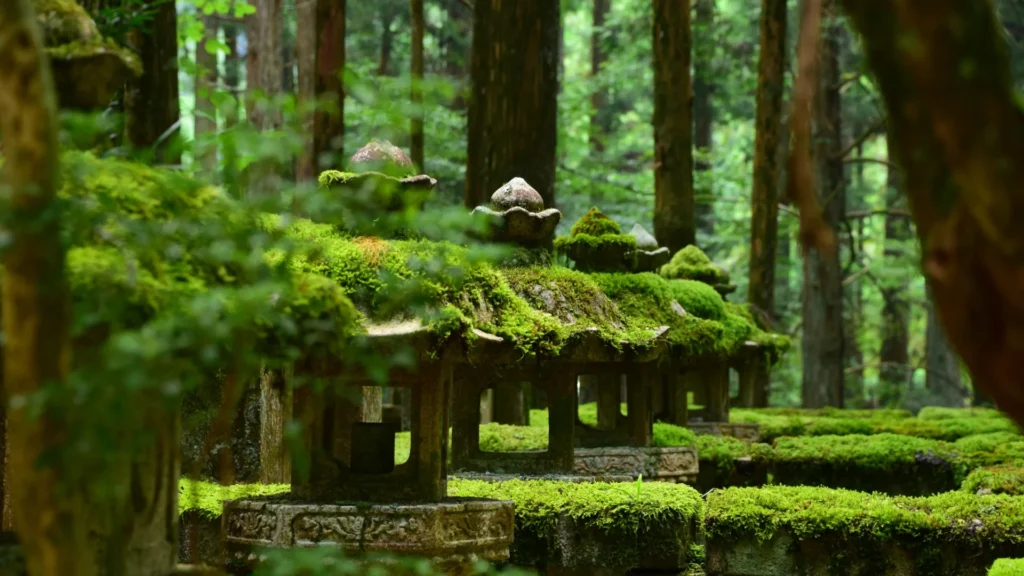
ภูเขาโคยะ (โคยะซัน) ตั้งอยู่ในจังหวัดวาคายามะ มีประวัติศาสตร์ยาวนานกว่า 1,200 ปี เมืองศักดิ์สิทธิ์แห่งนี้รายล้อมไปด้วยความสงบและบรรยากาศลึกลับ เป็นหนึ่งในสถานที่ท่องเที่ยวที่คุณควรพิจารณาไปเยือนเมื่อเดินทางมาโอซาก้าหรือเกียวโต
ในบทความนี้ เราจะแนะนำภูเขาโคยะ ซึ่งเป็นสถานที่ที่ธรรมชาติและความศรัทธาทางจิตวิญญาณอยู่ร่วมกันอย่างกลมกลืน ทำให้ผู้มาเยือนได้สัมผัสถึงความลึกซึ้งของวัฒนธรรมญี่ปุ่น
1. ภูเขาโคยะ (โคยะซัน) คืออะไร?
โคยะซันก่อตั้งขึ้นในปี 816 โดยพระภิกษุ Kukai หรือที่รู้จักกันในนามโคโบ ไดชิ เพื่อเป็นศูนย์กลางศักดิ์สิทธิ์ของพุทธศาสนานิกายชิงงอน ตั้งอยู่บนที่ราบสูงในหุบเขาที่ระดับความสูงประมาณ 800 เมตร ในภาคตะวันออกเฉียงเหนือของจังหวัดวาคายามะ
ปัจจุบัน บริเวณนี้เป็นที่ตั้งของวัด 117 แห่ง โดยประมาณ 50 แห่งเปิดให้ผู้มาเยือนเข้าพักค้างคืนและสัมผัสประสบการณ์ในวัด ในปี 2547 โคยะซันได้รับการขึ้นทะเบียนเป็นส่วนหนึ่งของสถานที่ศักดิ์สิทธิ์และเส้นทางแสวงบุญในเทือกเขาคิอิ ซึ่งดึงดูดผู้มาเยือนจำนวนมากจากทั่วประเทศญี่ปุ่นและทั่วโลก
2. สภาพอากาศและเสื้อผ้าที่แนะนำสำหรับภูเขาโคยะ (โคยะซัน)
เนื่องจากโคยะซังตั้งอยู่บนที่สูง อุณหภูมิโดยทั่วไปจึงต่ำกว่าเมืองที่ราบต่ำ เช่น โอซาก้า ประมาณ 5-10 องศาเซลเซียส ฤดูร้อนอากาศเย็นสบาย ส่วนฤดูหนาวอาจหนาวจัดและบางครั้งอาจมีหิมะตกสะสม
เสื้อผ้าและสิ่งของที่แนะนำ
■ รองเท้าเดินสบาย
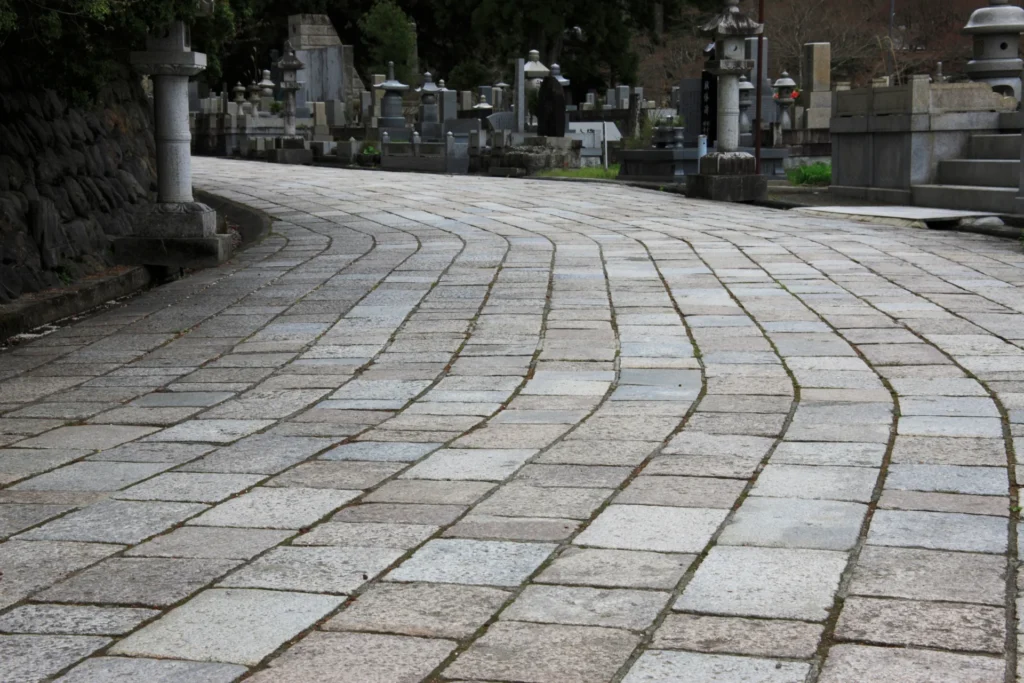
เส้นทางส่วนใหญ่เป็นทางลูกรังและถนนปูด้วยหิน ดังนั้นรองเท้าผ้าใบจึงเป็นตัวเลือกที่ดีที่สุด ตั้งแต่ปลายเดือนธันวาคมถึงปลายเดือนกุมภาพันธ์ อาจมีหิมะสะสม จึงแนะนำให้สวมรองเท้าที่มีพื้นรองเท้ากันลื่น
■ เสื้อผ้าที่ให้ความอบอุ่นหรือเสื้อแจ็คเก็ตบางๆ
แม้ในฤดูร้อน ตอนเช้าและตอนเย็นก็อาจจะอากาศเย็น ดังนั้นการพกเสื้อแจ็คเก็ตบางๆ ที่สวมใส่ได้ง่ายจึงเป็นความคิดที่ดี ส่วนในฤดูหนาว อย่าลืมแต่งกายให้อบอุ่น
■ อุปกรณ์กันฝน
สภาพอากาศบนภูเขาสามารถเปลี่ยนแปลงได้อย่างรวดเร็ว ดังนั้นจึงแนะนำให้พกพาร่มพับติดตัวไปด้วย
3. การเดินทางไปยังภูเขาโคยะ (โคยะซัน)
จากใจกลางเมืองโอซาก้า คุณสามารถเดินทางไปยังภูเขาโคยะได้โดยรถไฟหรือรถยนต์
〇โดยรถไฟ (จากโอซาก้า / อุเมดะ)
นั่ง Osaka Metro Midosuji Line จากสถานีอุเมดะไปยังสถานีนัมบะ แล้วเปลี่ยนไปขึ้นรถไฟฟ้าใต้ดินสายนันไคโคยะ
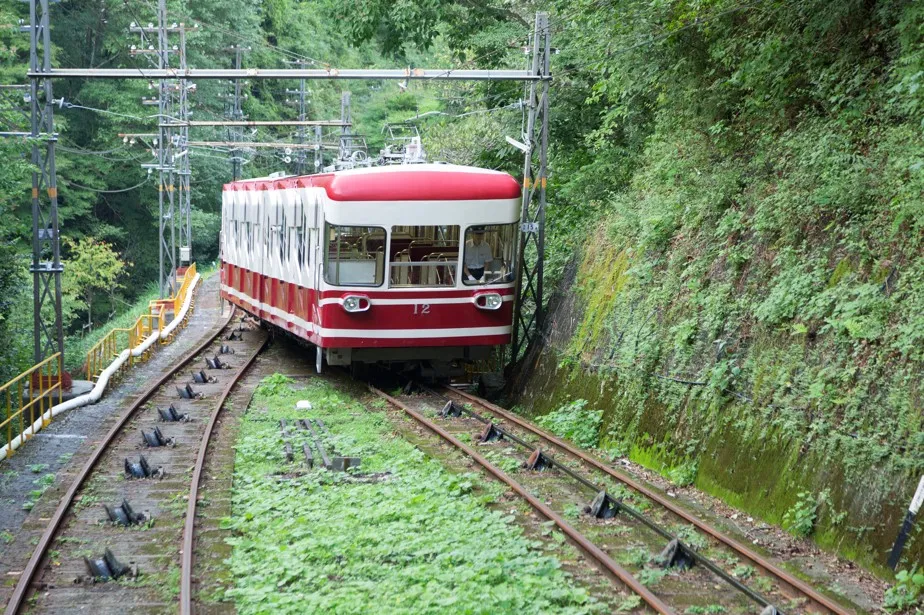
นั่งรถไฟไปลงที่สถานีโกคุราคุบาชิ แล้วเปลี่ยนไปขึ้นกระเช้าลอยฟ้าโคยะซันเพื่อไปยังสถานีโคยะซัน
เวลาเดินทาง: ประมาณ 2 ชั่วโมง 30 นาที
จากจุดนั้น คุณสามารถต่อรถบัส Nankai Rinkan เพื่อไปยังสถานที่ท่องเที่ยวหลักต่างๆ ได้
★หัวข้อเด่น: รถไฟชมวิวใหม่ “GRAN Tenku”
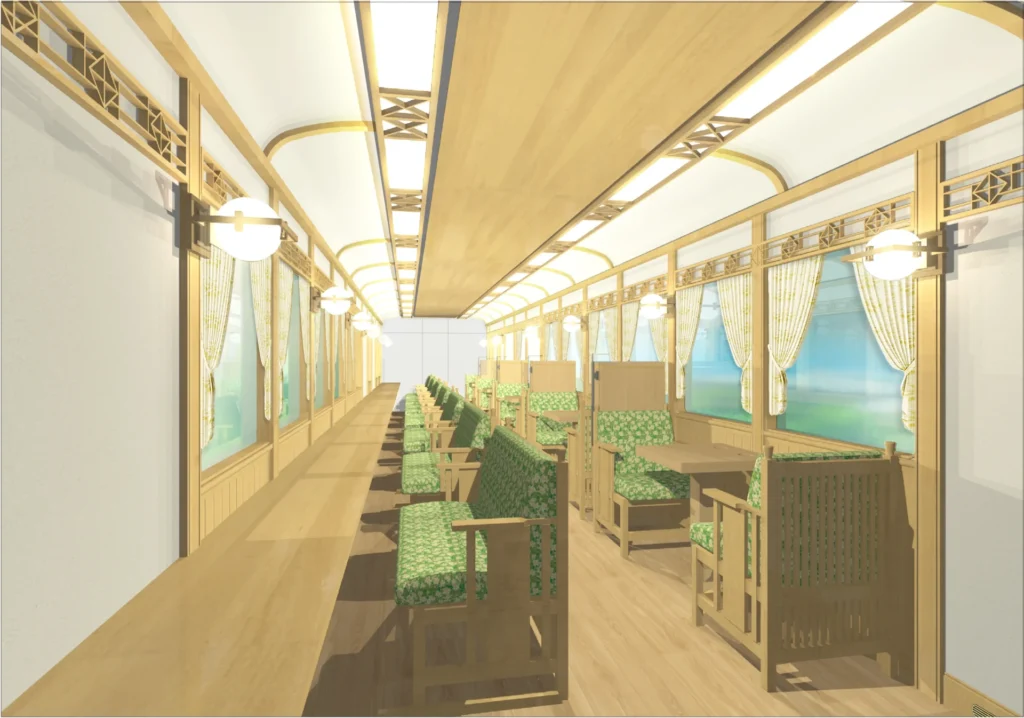
ตั้งแต่วันที่ 24 เมษายน 2569 เป็นต้นไป รถไฟท่องเที่ยว GRAN Tenku จะให้บริการระหว่างสถานีนัมบะและสถานีโกคุราคุบาชิ บนสายนันไคโคยะ
ผู้โดยสารสามารถเพลิดเพลินกับทิวทัศน์อันงดงามจาก "ที่นั่งชมวิวเดียว" พิเศษ หรือผ่อนคลายบนที่นั่งโซฟากว้างขวาง ทำให้การเดินทางเป็นประสบการณ์การท่องเที่ยวที่หรูหราอย่างแท้จริง
*การจองจะเปิดให้ใช้งานบน เว็บไซต์อย่างเป็นทางการ ตั้งแต่วันที่ 1 เมษายน เวลา 10:00 น. เป็นต้นไป
โดยรถยนต์
การขับรถจากใจกลางเมืองโอซาก้าไปยังภูเขาโคยะใช้เวลาประมาณ 1.5 ถึง 2 ชั่วโมง ในช่วงเดือนธันวาคมถึงมีนาคม อาจมีหิมะตกสะสม ดังนั้นจึงจำเป็นต้องใช้ยางรถยนต์สำหรับฤดูหนาวหรือโซ่คล้องล้อ
ทัวร์รถบัสแบบไปเช้าเย็นกลับ
นอกจากนี้ยังมีบริการทัวร์รถบัสแบบไปเช้าเย็นกลับที่สะดวกสบาย โดยออกเดินทางจากโอซาก้าหรือเกียวโต คุณสามารถตรวจสอบตัวเลือกทัวร์ได้ใน เว็บไซต์จอง การเดินทาง
4. สถานที่ห้ามพลาดในภูเขาโคยะ (โคยะซัน)
แม้ว่าโคยะซังจะมีพื้นที่กว้างใหญ่มากจนเป็นไปไม่ได้ที่จะเที่ยวชมทุกอย่างได้ภายในวันเดียว แต่ต่อไปนี้คือสถานที่ที่ควรไปเยือนซึ่งแนะนำเป็นพิเศษสำหรับการเดินทางแบบไปเช้าเย็นกลับหรือการพักค้างคืนหนึ่งคืน
〇คงโกบุจิ โอคุโนอิน
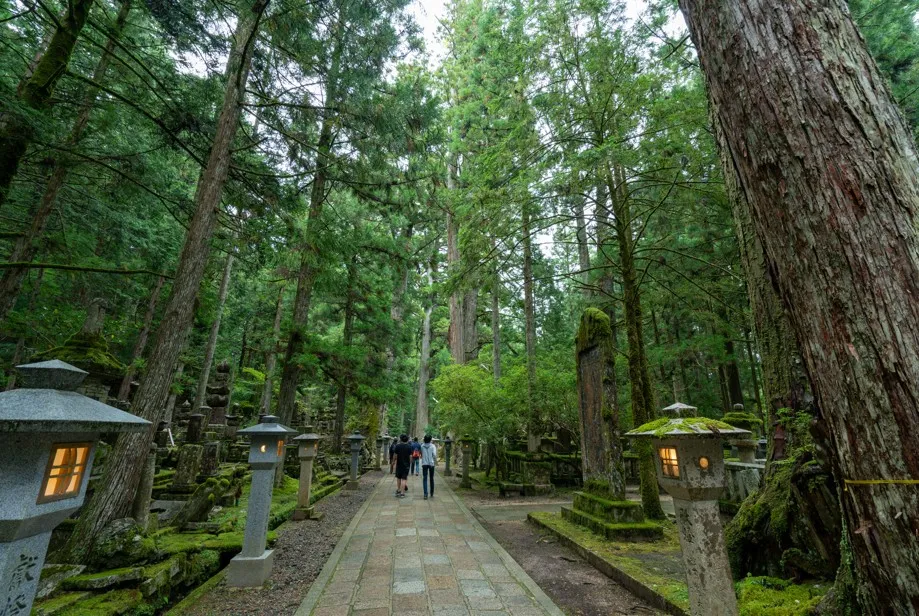
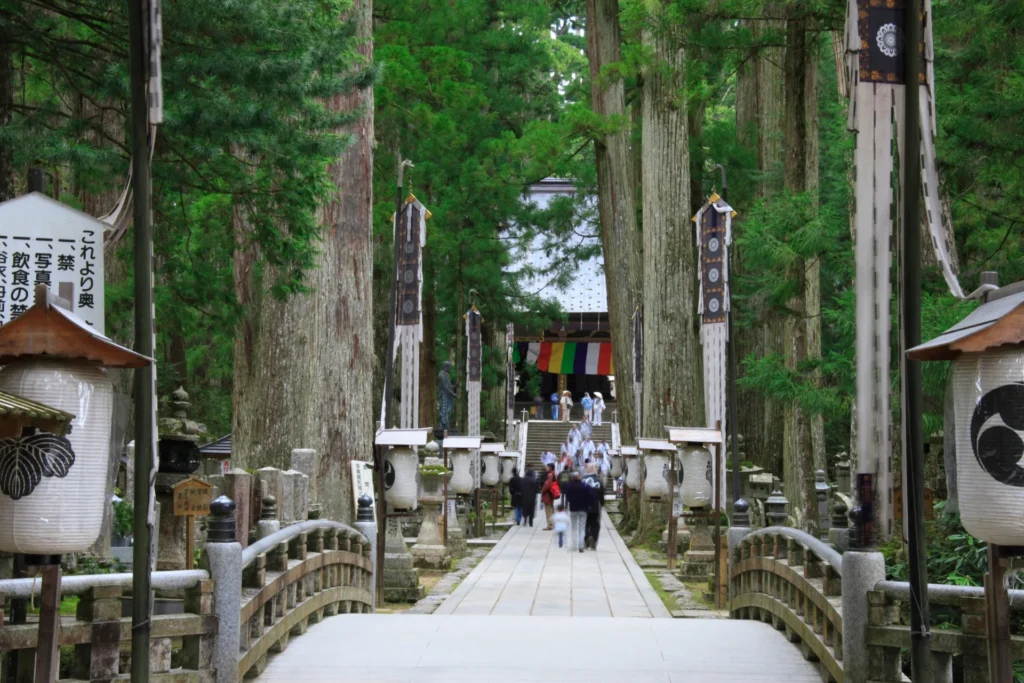
นี่คือสถานที่ศักดิ์สิทธิ์ที่สุดในโคยะซัน ซึ่งเชื่อกันว่า Kukai ยังคงนั่งสมาธิอยู่ที่นี่จนถึงทุกวันนี้ ตลอดทางเดินยาวประมาณ 2 กิโลเมตร มีต้นสนซีดาร์สูงตระหง่านอายุหลายร้อยปีถึงกว่าพันปีเรียงรายอยู่ หลุมฝังศพ อนุสรณ์สถาน และอนุสาวรีย์ประมาณ 200,000 แห่ง รวมถึงของขุนนางศักดินาผู้มีชื่อเสียง เรียงรายอยู่ตามทาง สร้างบรรยากาศที่เปี่ยมด้วยจิตวิญญาณอย่างลึกซึ้ง
ระยะเวลาการเยี่ยมชมโดยประมาณ:
- เดินจากป้ายรถเมล์อิจิโนฮาชิประมาณ 1.5-2 ชั่วโมง
- เดินจากป้ายรถเมล์โอคุโนอินประมาณ 1 ชั่วโมง
ข้อมูลสถานที่
ที่อยู่
550 โคยะซัง, โคยะ, เขตอิโตะ, วาคายามะ [MAP]
การเดินทาง
ลงที่ป้ายรถบัสนันไครินคัง "อิจิโนะฮาชิกุจิ" หรือ "โอคุโนะอินมาเอะ"
ปิด
ไม่มี
ค่าเข้าชม
ฟรี
〇ประตูไดมอน
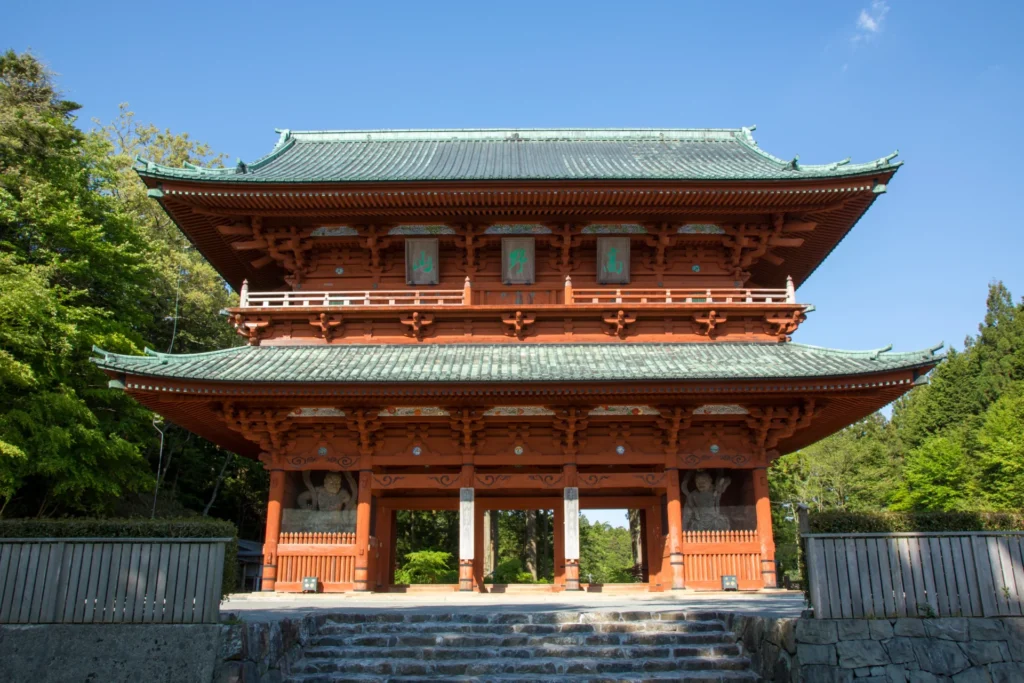
ประตูสีแดงสดขนาดมหึมาแห่งนี้ตั้งอยู่ที่ทางเข้าโคยะซัน สูง 25.1 เมตร สร้างขึ้นใหม่ในปี 1705 หลังจากถูกทำลายจากไฟไหม้และฟ้าผ่า รูปปั้นเทพนิโอผู้พิทักษ์อันทรงพลังที่ตั้งอยู่สองข้างทางนั้นน่าประทับใจอย่างยิ่ง นอกจากนี้ พระอาทิตย์ตกที่มองเห็นจากประตูไดมอนยังขึ้นชื่อว่าเป็นหนึ่งในทิวทัศน์ที่สวยงามที่สุดของโคยะซันอีกด้วย
ระยะเวลาการเยี่ยมชมโดยประมาณ: ประมาณ 10-15 นาที
ข้อมูลสถานที่
ที่อยู่
132 Koyasan, Koya-cho, Ito District, Wakayama [แผนที่]
การเดินทาง
ขึ้นรถบัส Nankai Rinkan จากสถานี Nankai Koyasan และลงที่ป้าย "Daimon"
เว็บไซต์
〇คงโกบุจิ ดันโจ การัน
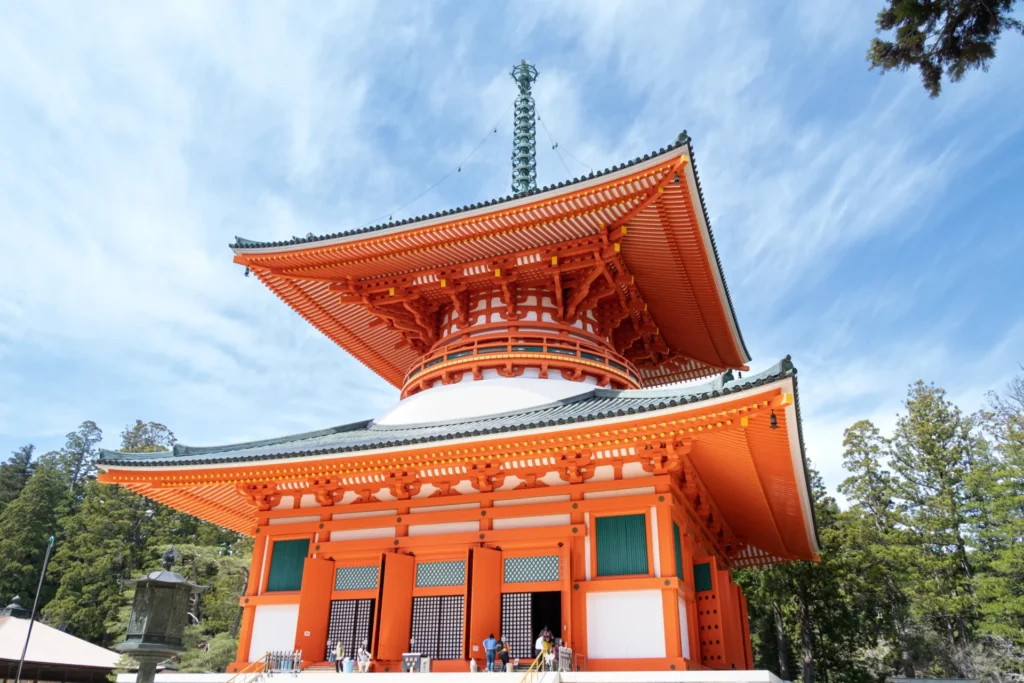
กลุ่มวัดแห่งนี้เป็นสถานที่แรกที่ Kukai สร้างขึ้นเมื่อเขาก่อตั้งโคยะซัน และยังคงเป็นศูนย์กลางทางจิตวิญญาณของพุทธศาสนานิกายชิงงอน ตั้งอยู่ใกล้ใจกลางโคยะซัน ภายในเต็มไปด้วยสถานที่สำคัญมากมาย เช่น หอคอนโดะ ซึ่งเป็นหอหลักของโคยะซัน เจดีย์คอนปอนไดโตะ เจดีย์สีแดงสดที่งดงามซึ่งเป็นสัญลักษณ์ของพุทธศาสนาลัทธิ密宗 และหอมิเอโดะ ซึ่งเป็นที่พำนักของโคโบไดชิในอดีต
ระยะเวลาการเยี่ยมชมโดยประมาณ: ประมาณ 30-40 นาที
ข้อมูลสถานที่
ที่อยู่
152 โคยะซัง, โคยะ, เขตอิโตะ, วาคายามะ [MAP]
การเดินทาง
ขึ้นรถบัส Nankai Rinkan จากสถานี Nankai Koyasan เดิน 5 นาทีจากป้ายรถเมล์ "Kongobuji-mae" หรือลงที่ป้ายรถเมล์ "Honchuin-mae" ก็ได้
เว็บไซต์
ปิด
ไม่มี
〇วัดคงโกบุจิ
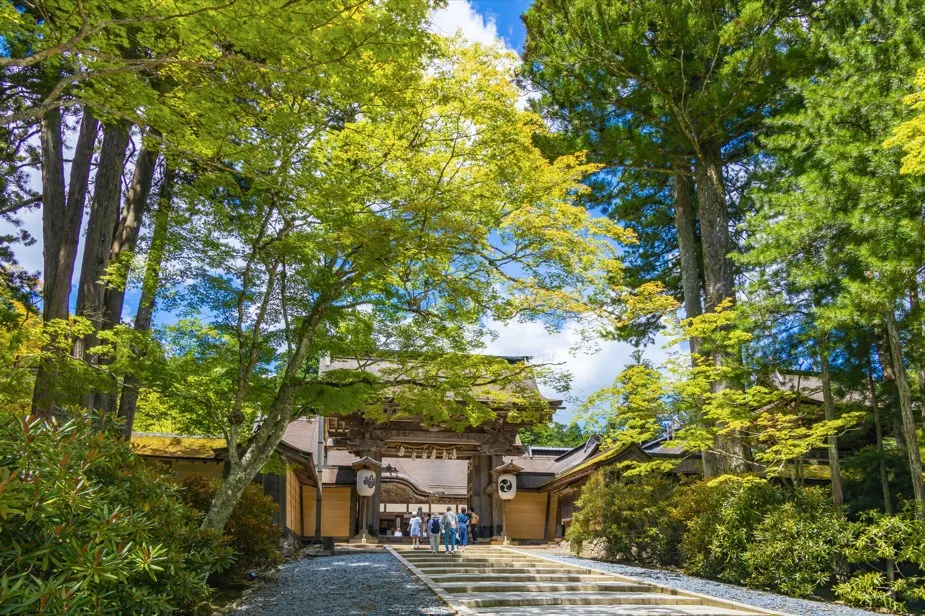
วัดแห่งนี้ตั้งอยู่ใกล้ใจกลางเมืองโคยะซัน เป็นวัดหลักของนิกายชิงงอนแห่งโคยะซัน ดูแลการบริหารจัดการพื้นที่ทั้งหมดของวัด อยู่ห่างจากดันโจการันประมาณ 5 นาทีโดยการเดิน นอกจากนี้ วัดแห่งนี้ยังเป็นที่ตั้งของสวนหินที่ใหญ่ที่สุดแห่งหนึ่งของญี่ปุ่น ซึ่งมีขนาดและความงดงามที่น่าทึ่งอย่างแท้จริง
ระยะเวลาการเยี่ยมชมโดยประมาณ: ประมาณ 30-45 นาที
ข้อมูลสถานที่
ที่อยู่
132 โคยะซัง, โคยะ, เขตอิโตะ, วาคายามะ [MAP]
การเดินทาง
ขึ้นรถบัส Nankai Rinkan จากสถานี Nankai Koyasan และลงที่ป้าย "Kongobuji-mae"
เว็บไซต์
ปิด
ไม่มี
วัดจิซอนอิน
วัดแห่งนี้ตั้งอยู่เชิงเขาโคยะซัน เชื่อกันว่าเป็นสถานที่ที่มารดาของคุไคเคยพักอาศัย วัดนี้เป็นที่นิยมในหมู่สตรีผู้ศรัทธามายาวนาน และเป็นที่รู้จักในเรื่องการขอพรเกี่ยวกับการคลอดบุตรและการให้นมบุตรอย่างปลอดภัย
ระยะเวลาการเยี่ยมชมโดยประมาณ: ประมาณ 20-30 นาที
ข้อมูลสถานที่
ที่อยู่
832 จิโซนิน, คุโดยามะ, เขตอิโตะ, วาคายามะ [MAP]
การเดินทาง
เดินประมาณ 20-25 นาทีจากสถานีคุโดะยามะ (Kudoyama Station) บนสายนันไคโคยะ (Nankai Koya Line)
ปิด
ไม่มี
5. สิ่งที่ควรรู้เมื่อเข้าพักในที่พักของวัด
หากคุณไปเยือนโคยะซัน ประสบการณ์หนึ่งที่คุณควรลองอย่างแน่นอนคือการเข้าพักที่ที่พักในวัด (ชูคุโบะ) ชูคุโบะเป็นที่พักที่สร้างขึ้นมาเพื่อพระสงฆ์และผู้แสวงบุญโดยเฉพาะ ผู้เข้าพักจะได้เพลิดเพลินกับอาหารมังสวิรัติแบบพุทธดั้งเดิมและสัมผัสวิถีชีวิตในวัด เช่น การสวดมนต์ตอนเช้า การคัดลอกพระสูตร และการทำสมาธิ อย่างไรก็ตาม เนื่องจากชูคุโบะมีวิธีการดำเนินงานที่แตกต่างจากโรงแรมทั่วไป จึงเป็นสิ่งสำคัญที่จะต้องคำนึงถึงประเด็นต่อไปนี้:
■ การละหมาดตอนเช้า (กงโย)
ประมาณ 6 โมงเช้า จะมีการประกอบพิธีสวดมนต์ทางพุทธศาสนา การเข้าร่วม เช่น การฟังบทสวดหรือการจุดธูป มักเป็นไปโดยสมัครใจ แต่ขอแนะนำอย่างยิ่งให้เข้าร่วมเพื่อเริ่มต้นวันใหม่ด้วยบรรยากาศที่สงบสุข
■ สิ่งอำนวยความสะดวก
เนื่องจากวัดหลายแห่งเป็นอาคารเก่าแก่ ห้องน้ำและห้องอาบน้ำจึงอาจเป็นแบบใช้ร่วมกัน แทนที่จะอยู่ภายในห้องพักของแขก ปัจจุบันนี้ ชูคุโบะ (ที่พักแบบกระท่อม) หลายแห่งมีห้องน้ำส่วนตัวให้บริการแล้ว แต่ควรตรวจสอบให้แน่ใจเมื่อทำการจองจะดีที่สุด
■ มื้ออาหาร
อาหารส่วนใหญ่มักเป็นอาหารโชจินเรียวริ ซึ่งเป็นอาหารพุทธแบบดั้งเดิมที่ไม่ใช้เนื้อสัตว์หรือปลา โดยเน้นผัก เต้าหู้ และส่วนผสมจากพืชอื่นๆ ทำให้ได้รสชาติที่ละมุนและกลมกล่อม
■ เคอร์ฟิวและปิดไฟ
ที่พักในวัดหลายแห่งมีเวลาเคอร์ฟิว (โดยปกติประมาณ 21:00 น.) และเวลาอาบน้ำที่กำหนดไว้
แม้ว่าจะมีกฎระเบียบพิเศษอยู่บ้าง แต่กฎเหล่านั้นก็เป็นส่วนหนึ่งที่ทำให้การพักในชูคุโบะมีความพิเศษไม่เหมือนใคร การใช้เวลาหนึ่งคืนท่ามกลางบรรยากาศที่สงบและสง่างามของวัด จะกลายเป็นประสบการณ์ที่ยากจะลืมเลือนอย่างแน่นอน
อากาศบริสุทธิ์ที่ระดับความสูงประมาณ 800 เมตร สีสันอันงดงามของภูเขาดันโจการัน และความสงบเงียบอย่างแท้จริงของภูเขาโอคุโนอิน ทำให้โคยะซังมอบประสบการณ์สุดพิเศษที่คุณไม่ควรพลาด
โดยเฉพาะอย่างยิ่ง การพักในที่พักของวัดนั้นมอบ “ความหรูหราทางจิตวิญญาณ” ที่แตกต่างอย่างสิ้นเชิงจากความสะดวกสบายของโรงแรม อาหารรสเลิศ ซึ่งเป็นอาหารพุทธแบบดั้งเดิมที่ปรุงโดยไม่ใส่เนื้อสัตว์หรือปลา และบรรยากาศอันสงบเงียบของการสวดมนต์ในยามเช้าตรู่ สร้างประสบการณ์ที่น่าจดจำอย่างลึกซึ้ง ซึ่งแตกต่างจากชีวิตประจำวัน


