교토
교토에서는 '일본의 정수'을 경험할 수 있습니다. 전통 기모노를 입고 도심 속 고대 사원과 신사를 둘러보고, 맛 좋고 품질 좋은 유명한 일본 요리도 즐기시기 바랍니다.
관련 기사
-

일본 최고의 마라톤 5선: 신청 방법, 입장 및 여행 팁
일본은 전 세계 러너들에게 안전하고 달리기 쉬우며, 아름다운 도시 경관으로도 높이 평가받고 있습니다. 도쿄와 교토의 벚꽃이 가득한 코스부터 홋카이도의 독특한 겨울 눈 코스까지, 이 나라는 다양한 잊을 수 없는 코스를 제공합니다. 이 가이드에서는 간사이 지역에서 가장 뛰어난 마라톤 이벤트들을 소개합니다. 이곳에서는 경주 자체뿐만 아니라 인근 명소를 탐험하고 현지 음식을 즐길 수 있습니다. 인덱스 1. 고베 마라톤 [2026년 11월 15일 일요일 예정] 2. 나라 마라톤 [매년 12월에 개최됨] 3. 교토 마라톤 [매년 2월에 개최됨] 4. 오사카 마라톤 [매년 2월에 개최됨] 5. 히메지 성 마라톤 [매년 2월에 개최됨] 6. 오사카, 교토, 고베의 추천 '시티 런' 장소 고베 마라톤의 하이라이트 중 하나는 이 항구 도시만의 아름다운 해안 경치, 특히 고베 해안가와 상징적인 아카시 카이쿄 다리의 전망을 지나며 달릴 수 있는 기회입니다. 코스는 고도 변화가 거의 없어 초보자에게 적합하며 개인 최고 기록을 목표로 하는 이들에게 이상적입니다. старт 지역에 편리하게 접근할 수 있어 참가자들은 부담 없이 경주에 참여할 수 있습니다. ・날짜: 2026년 11월 15일 일요일 예정 ·참가 기간: 4월 중순부터 신청 가능 ·응모 방법: 추첨 시스템 ・시작 장소: 고베시청 앞 ・접근성: 한큐 및 한신 선 '고베산노미야 역'에서 도보 5분 ·인근 호텔: 고베산노미야 역 주변에 다양한 옵션 제공 ▼고베 관광 및 미식 정보 › 고베 첫 방문. 해야 할 21가지 최고의 활동! 관광, 명소, 식사, 모델 코스 10대 고베의 맛있는 고급 음식! 지역 특산품과 지역 음식 현지인들이 추천하는 나라 마라톤은 도다이지 사원과 나라 공원 같은 유네스코 세계문화유산으로 지정된 역사적 명소를 지나가는 독특한 코스를 제공합니다. 후반부는 도전적인 언덕으로 유명하지만, 완주했을 때의 성취감은 매우 보람 있습니다. ·날짜: 매년 12월 개최 ·입학 기간: 지원은 보통 6월 중순부터 시작됩니다 (2025년 일정 기준) ·입학 방식: 선착순 ·시작 장소: 로토 필드 나라 (2025년 기준) ·접근: 긴테쓰나라역에서 도보 20분 / JR 나라역에서 도보 30분 ·인근 호텔: JR 나라역 주변에 다양한 옵션이 제공 ›나라 관광 및 미식 정보 ▼ 나라의 대부처를 감상하세요, 일본의 세계유산이자 파워 명소인 교토 마라톤은 도시의 최고를 선보이며, 러너들을 아라시야마과 닌나지 사원 같은 상징적인 명소와 아름다운 가모 강을 따라 달리며 헤이안 신궁에서 결승선을 통과합니다. 전반부는 완만한 경사가 있지만, 매력적이고 역사적인 풍경이 여정 내내 충분한 동기부여를 제공합니다. 가장 가까운 역에서 몇 걸음 떨어진 편리한 위치 덕분에 인기가 높아졌습니다. ·날짜: 매년 2월에 개최 ·참가 기간: 2026년 7월 중순부터 신청 시작 예정 ·참가 방법: 추첨 시스템 ·시작 위치: 다케비시 스타디움 교토 ·접근법: 교토선 '니시쿄고쿠 역' 인근 한큐 ■인근 호텔: 교토선 '교토 가와라마치 역' 주변에 다양한 옵션이 제공됨 한큐 ♪교토 관광 및 미식 정보 ▼ 교토-가와라마치역에서 도보 거리에 함: 방문하기 쉬운 인기 명소 교토의 7가지 일본 과자 '와가시'. 맛보고, 사고, 알고, 경험하는 것. 일본에서 가장 큰 마라톤 중 하나인 오사카 마라톤은 활기차고 축제 같은 행사로, 놀라운 분위기를 자아냅니다. 이 지역은 오사카현청 앞에 위치해 있으며, 오사카성 바로 옆에 위치해 있어 상징적인 본탑의 아름다운 전망을 감상할 수 있습니다. 코스는 오사카 중심부를 통과하는 미도스지와 도톤보리 같은 주요 거리들을 통과하며, 관중들의 끊임없는 환호가 참가자들에게 활력을 불어넣습니다. ·날짜: 매년 2월 개최 ・참가 기간: 2026년 7월 말부터 신청 시작 예정 ·신청 방법: 추첨 제도 ・시작 장소: 오사카현청 앞 ・접근: Osaka Metro 추오 및 타니마치선 "타니마치 4초메역"에서 도보로 약 10분 거리 ・인근 호텔: 한큐 선 "오사카 우메다 역" 주변에 다양한 옵션 제공 ›오사카 관광 및 미식 정보 › 오사카 반나절 투어! 8가지 지역 여행 추천 [2025] 오사카 최고의 11가지 음식 우메다: 최신 레스토랑부터 클래식 일본 요리까지 오사카에서 즐길 수 있는 5가지 개인 온천 및 목욕탕! 온천 리조트에서 숙박하거나 당일치기 여행을 즐길 수 있습니다. 장소 주변 주차 시설 리노베이션 공사로 인해 행사는 2027년에 중단될 예정입니다. 우리는 그 재출시를 기대합니다! 공식 레이스 외에도, 간사이에는 여행 중에 편안하게 달리기 즐길 수 있는 멋진 장소들이 많습니다. 추천 달리기 코스는 다음과 같습니다: 오사카성 공원(오사카) 한 바퀴당 약 4km. 이 탁 트이고 경치 좋은 코스에서는 오사카성 전망을 즐기며 달리게 됩니다. 신호등이 적고 봄에는 아름다운 벚꽃이 피어 있어 러너들에게 인기 있는 곳입니다. 가모 강 (교토) 신호등이 없고 다리에 부드러운 흙길을 가진 고전적인 달리기 코스입니다. 강을 따라 어디서든 시작해서—시조나 산조 등—자신의 속도에 맞춰 달릴 수 있어 매우 편리합니다. 니조조성(교토) 루프당 약 3.3km. 성의 역사적인 석조 담장 옆을 교통 통행 없는 코스로 달리세요. 밤에는 조명이 밝아 안전하고 즐거운 야간 러닝에 이상적입니다. 히메지 성(고베・히메지) 한 바퀴당 약 3km. 이 코스는 유네스코 세계문화유산인 히메지 성의 근접 뷰를 제공합니다. 성은 해질 무렵부터 자정까지 조명이 켜져 있어 정말 특별한 야간 달리기를 즐길 수 있습니다. 이 옵션들은 어땠나요? 간사이는 마라톤 행사와 달리기 장소가 다양하게 마련되어 있어 달리기 자체뿐만 아니라 지역 명소를 탐험하고 지역 음식을 즐길 수 있습니다. 자신에게 딱 맞는 레이스나 코스를 찾아 일본의 활기찬 도시를 달리는 즐거움을 경험하세요!
-
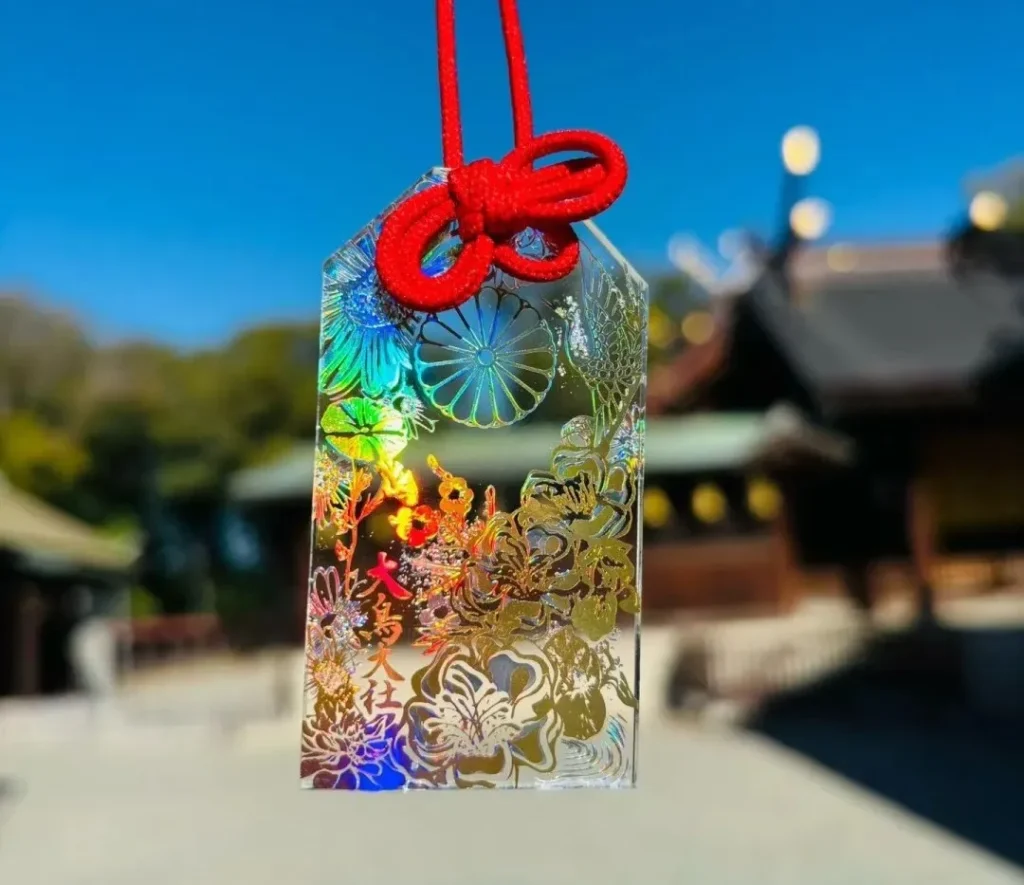
SNS에서 유행하는 "투명 오마모리"를 맛볼 수 있는 오사카와 교토의 신사 6곳
최근 일본 소셜 미디어에서 숨막히는 아름다움으로 화제가 된 '투명 오마모리'에 대해 들어본 적 있나요? 전통적인 천 참과 달리, 이 투명한 스켈레톤 스타일의 오마모리는 섬세한 자수나 레이스 디자인이 특징으로, 들고 다니기만 해도 영적으로 고양되는 세련된 우아함을 선사합니다. 이 글에서는 오사카와 교토의 신사들을 소개하며, 이곳에서 이 스타일리시하고 의미 있는 부적들을 받을 수 있습니다. 맞춤형 디자인부터 독특한 축복을 가진 것까지, 개인 취향에 맞는 세련되고 길조의 오마모리를 다양하게 만나보세요. 인덱스 1. [오사카] 호코쿠 신사 –오사카성 2 내의 강력한 스팟. [오사카] 오토리 타이샤 신사 – 명확한 미래를 상징하는 귀여운 부적 3. [오사카] 츠유노텐 신사 (Ohatsu Tenjin) – 유일무이한 부적 획득 4. [교토] 시모가모 신사 – 인기 있는 섬세한 레이스 참 5. [교토] 미카미 신사 – 일본 유일의 머리카락 신에게 바쳐진 신사 6. [교토] 헤이안-진구 신사 – 좋아하는 색깔의 부적을 선택하세요. 홋코쿠 신사는 위대한 군벌 도요토미 히데요시를 모시며, 그는 겸손한 출신에서 일본의 가장 강력한 지도자 중 한 명으로 성장했습니다. 이 신사는 성공, 경력 발전, 불운으로부터의 보호로 잘 알려져 있습니다. 오사카성 공원 내에 위치해 있어 관광과 함께 방문하기에 완벽한 장소 오사카성. 내부 와쿠나가 신사에서 영감을 받은 인기 있는 '카가야키 마모리'(빛나는 부적)는 '영원한 젊음과 영원한 아름다움'을 바라는 소원을 담고 있습니다. 햇빛을 찾아 항상 위로 자라는 식물이 그려진 매력적인 자수 디자인은 긍정과 활력을 상징하며, 아름다움과 건강, 장수의 사랑받는 부적입니다. 오토리 타이샤 신사는 옛 이즈미국의 이치노미야(최고 등급 신사)로 알려진 역사적이고 명망 있는 신사입니다. 전설적인 영웅 야마토 타케루와 오토리노무라지노 오야가미를 헌정합니다. 야마토 타케루가 큰 도전을 극복한 여러 이야기를 바탕으로, 이 신사는 승리에 대한 축복과 불운으로부터의 보호를 베푼다고 믿어집니다. '미래를 명확히 들여다본다'는 의미를 상징하는 투명한 아크릴 오마모리는 소셜 미디어에서 큰 인기를 끌었습니다. 부적을 본당 쪽으로 들고 사진을 찍으면 더 큰 축복이 온다고 전해집니다. 빛에 비추면 무지개 색으로 빛나며, 마치 행운으로 앞길을 밝히는 듯합니다. 츠유노텐 신사—애칭 오하츠 텐진—은 치카마츠 몬자에몬의 걸작 『소네자키 신주』(소네자키에서의 사랑 자살)의 배경으로 유명하다. 이야기 속 주인공들의 깊은 사랑에서 영감을 받아, 이 신사는 사랑과 관계의 축복을 위한 유명한 장소가 되어 많은 방문객을 끌어들입니다. 그 하이라이트 중 하나는 "모모이로 오마모리"로, 자신만의 개인적인 매력을 만들어 줍니다. 50가지가 넘는 섬세하게 자수 된 파우치 중에서 선택할 수 있고, 원하는 소원 카드와 조합할 수 있습니다. 자수 디자인이 정기적으로 업데이트되기 때문에, 진정으로 자신만의 독특한 오마모리를 만들 수 있습니다. 시모가모 신사는 교토에서 가장 오래된 신사 중 하나이며 유네스코 세계문화유산으로 등재되어 있습니다. 이곳에는 고대 교토 발전에 기여한 신 가모 다케츠누미 미코토와 신비한 전설과 연관된 여신 타마요리 히메 미코토가 모셔져 있습니다. 이 신사는 사랑, 안전한 출산, 아름다움과 관련된 축복으로 널리 알려져 있습니다. 행운과 행복을 가져오기 위해 만들어진 '레이스 오마모리'는 특히 여성들 사이에서 인기가 많습니다. 투명한 천에 섬세한 자수가 새겨진 이 디자인은 신들의 신성한 힘을 더욱 강하게 받아들이길 바라는 소원을 담고 있어 아름답고 의미 있는 부적을 선사합니다. 미카미 신사는 아라시야마의 유명한 대나무 숲 근처에 위치해 있으며, 일본 내에서 머리카락의 신에게 헌정된 유일한 신사입니다. 모셔진 신은 가마쿠라 시대의 실제 역사적 인물인 후지와라 노 마사유키로, 공식 궁정 미용사로 활동했습니다. 오늘날에는 뷰티 및 헤어 업계의 전문가들과 아름답고 건강한 머리카락을 원하는 이들이 일본 전역에서 방문합니다. 가장 인기 있는 부적 중 하나는 가위와 빗 문양이 있는 투명 주머니가 특징인 '후쿠가미 마모리'입니다. 고대부터 빗은 악으로부터 보호하는 도구로 여겨졌으며, 잘 관리된 머리카락은 행운을 끌어온다고 전해집니다. 이 부적은 머리카락 건강을 보호하고 아름다움과 윤기를 높이는 축복으로 소중히 여겨집니다. 헤이안 신궁은 푸른 하늘을 배경으로 한 거대한 도리이문과 선명한 주홍색 신사 건물로 유명한 교토의 상징적인 신사 중 하나입니다. 794년에 교토로 수도를 옮긴 간무 천황과 에도 시대 말기의 고메이 천황을 봉헌하고 있습니다. 이 신사는 불행으로부터의 보호, 사랑과 인간관계, 학업 성공 등 다양한 축복을 제공하는 것으로 믿어집니다. 아름답고 투명한 '카나우 마모리'(소원 들어주는 부적)는 신사 부지 내에서 발견되는 눈물 나는 벚꽃과 붓꽃에서 영감을 받은 디자인이 특징입니다. 참 줄은 10가지 색상으로 제공되어, 좋아하는 색상이나 오시(좋아하는 아이돌 또는 캐릭터) 색상을 선택할 수 있습니다. 스타일리시하고 의미 있는 부적으로, 방문에 개인적인 분위기를 더하고 오시카츠를 응원하는 데 완벽합니다! 투명한 오마모리는 섬세하고 아름다운 외관을 지닌 훌륭한 기념품이 되어 분명히 많은 이들이 좋아할 것입니다. 신사 방문을 하며 잠시 마음을 정리한 후, 그 경험의 일부를 아름답게 만든 부적 형태로 집으로 가져가 보는 건 어떨까요? 이 기사들을 확인하세요 ▼ 고베에서 꼭 방문해야 할 8가지 신사: 근처 명소와 완벽한 명소 독특한 붉은 봉인과 행운의 부적! 중국 12지와 관련된 간사이의 신사와 사찰
-

교토, 오사카, 효고 7개의 벚꽃 일루미네이션. 환상적인 일본의 밤
벚꽃은 일본 봄 풍경의 빼놓을 수 없는 요소입니다. 많은 사람들이 벚꽃 시즌에 일본을 방문하여 그 아름다움을 만끽합니다. 낮에 유명한 벚꽃 명소를 방문하는 것도 좋지만, 밤에 조명으로 밝혀진 벚꽃의 환상적인 야경 또한 매우 매력적입니다. 이 글에서는 교토와 효고현에서 야간에 조명이 켜진 벚꽃 명소를 소개합니다. 🌸2026년 벚꽃 개화 전망🌸 오랫동안 기다려온 벚꽃 시즌이 시작됩니다. 일본 기상청은 3월 19일 2026년 벚꽃 개화 전망 9번째를 발표했습니다. 따뜻한 봄 날씨 덕분에 전국적으로 평년보다 일찍 벚꽃이 필 것으로 예상됩니다! *야간 조명 벚꽃 관람은 일반 입장료와 다를 수 있습니다. -목차- 【교토】세계문화유산 니조성/니조성 2026 벚꽃의 밤 【교토・히가시야마】고다이지 선종 사찰/봄밤 특별 입구(조명) 【교토・히가시야마】치온인 봄 조명 2026 【교토・오카자키】헤이안 신궁 /사쿠라오토요 2026 【오사카】엑스포 70 기념공원/히가시오지 거리 벚꽃 조명 【효고・니시노미야】슈쿠가와 공원/쿠라쿠엔 벚꽃 조명 【효고・히메지】히메지성/히메지성 야간 벚꽃 구경 행사 기간: 2026년 3월 19일(목) ~ 2026년 4월 19일(일) 세계문화유산인 니조성에는 50여 종의 벚나무 약 300그루가 심어져 있습니다. 벚꽃은 보통 짧은 기간만 피지만, 니조성의 벚꽃은 품종에 따라 개화 기간이 달라 한 달 동안 벚꽃을 감상할 수 있습니다. 니조성 야간 이벤트 "니조성 2026 벚꽃의 밤"이 개최됩니다. 이 기간 동안 네 가지 이벤트가 동시에 진행됩니다. 1. 세계문화유산 니조성 × 일본 아카데미상 수상 감독의 몰입형 연극 "시로게키" *일정은 제한되어 있으니 공식 웹사이트에서 미리 확인해 주세요. 2. 국보 니노마루궁 야간 특별 관람 3. 벚꽃과 빛을 테마로 한 프로젝션 맵핑 4. 벚꽃과 함께 즐기는 교토 음식 및 전통 공예 체험 국보 니노마루궁의 고요한 야간 관람과 벚꽃잎을 모티브로 한 역사와 최첨단 디지털 아트가 어우러진 프로젝션 맵핑을 경험해 보세요. 행사 시간: 18:00~22:00 (입장 마감 21:00) ▼이 기사를 확인하세요▼ 오사카, 교토, 효고현의 5대 성. 세계문화유산부터 최신 성까지, 관광 명소 기간: 2026년 3월 13일(금) ~ 2026년 5월 6일(수) 히가시야마는 교토에서 가장 인기 있는 관광지 중 하나입니다. 그중에서도 고다이지 선사는 가장 유명한 사찰 중 하나입니다. 이 기간 동안 사찰 경내 전체, 즉 법당, 정원, 대나무 숲 등이 조명으로 환하게 밝혀집니다. 특히 본당 앞 하시테이 정원의 벚꽃은 조명 아래 더욱 아름답습니다. 가레산스이의 하얀 모래 정원에 홀로 서 있는 분홍빛 벚꽃은 마치 소나기처럼 쏟아집니다. 조명 아래 우아하게 피어난 벚꽃의 모습은 감탄을 자아냅니다. 점등 시간: 17:00~21:30 (입장 마감 21:30) ▼이 기사도 확인해 보세요▼ 간사이 벚꽃 명소 22곳 (교토, 오사카, 효고) 기간: 2026년 3월 25일(수) ~ 2026년 4월 5일(일) 정토종 본산인 치온인은 국보인 산몬 앞의 벚꽃으로 특히 유명합니다. 웅장하고 위엄 있는 산몬을 배경으로 아름다운 분홍빛 벚꽃이 어우러진 모습은 감탄을 자아냅니다. 약 200그루의 벚나무 외에도 국보인 미에이도와 중요문화재인 다이쇼로에 조명이 설치되어 있어 꼭 방문해야 할 명소입니다. 치온인에서 마루야마 공원, 기온의 야경으로 유명한 고다이지 선사, 그리고 기요미즈데라에서 도보 거리: 쉽게 방문할 수 있는 인기 관광 명소 기간: 2026년 4월 1일(수) ~ 2026년 4월 5일(일) 헤이안 신궁의 신엔은 메이지 시대를 대표하는 일본식 정원입니다. 약 33,000제곱미터에 달하는 넓은 정원 중 남쪽과 동쪽 정원에 있는 붉은 수양벚나무가 유명하며, 밤에는 조명이 켜져 더욱 아름답습니다. 점등 시간: 오후 6시 15분 ~ 오후 9시 (입장 마감 오후 8시 30분) * 콘서트 관람은 별도 티켓이 필요합니다. 티켓 종류는 두 가지입니다. 콘서트 입장권: 히가시 신엔(콘서트장)과 미나미 신엔(벚꽃 점등장) 입장 포함. 일반 입장권: 미나미 신엔(벚꽃 점등장) 입장만 가능. ▼이 기사도 확인해 보세요▼ 교토 고슈인 가이드: 유명 신사부터 추천 고슈인초까지 6대 고슈인 기간: 2026년 3월 20일(공휴일) ~ 2026년 4월 5일(일) 엑스포 70 기념공원은 오사카 최고의 벚꽃 명소 중 하나로, 세계 100대 벚꽃 명소에 선정되었습니다. 벚꽃은 3월 중순경부터 만개하여 공원을 아름다운 분홍빛으로 물들입니다. 4월 초까지 히가시오지 거리의 벚나무에는 조명이 켜집니다. 도로 양쪽으로 늘어선 윤기 나는 벚꽃은 눈을 뗄 수 없을 만큼 아름답습니다. 낮에는 넓은 일본식 정원에 있는 “판안”과 “반리안” 다실이 특별 개장하며, “판안”에서는 다도 체험(유료)도 가능합니다. 벚꽃과 차가 어우러진 전형적인 일본의 봄 풍경을 경험해 보는 건 어떨까요? ▼이 기사도 확인해 보세요▼ 오사카에서 꼭 가봐야 할 곳, 엑스포 70 기념공원! 주요 명소 소개! 기간: 3월 말~4월 초 고베산노미야 역에서 한큐 열차로 약 10분, 오사카 우메다 역에서 한큐 열차로 약 20분 거리. 한큐 슈쿠가와 역 승강장에서 보이는 강변의 벚꽃길은 효고현 최고의 벚꽃 명소 중 하나이며, 일본 100대 벚꽃 명소로 선정되기도 했습니다! 강변 가로수길에는 약 1,660그루의 벚나무와 1,520그루의 소나무가 심어져 있습니다. 특히 한큐 구라쿠엔구치역 바로 앞 다리에서 바라보는 가부토산과 벚꽃의 조화는 장관입니다. 구라쿠엔구치역 주변은 주택가로, 가정집과 특색 있는 식당들이 곳곳에 자리하고 있어 평범한 일본인들의 일상을 엿보며 벚꽃의 매력을 만끽할 수 있는 곳입니다. 기간: 2026년 3월 27일(금) ~ 2026년 4월 5일(일). 세계문화유산이자 국보로 지정된 히메지성 또한 벚꽃 명소로 유명합니다. 평소에는 일반인에게 공개되지 않는 니시노마루 정원의 벚나무 약 100그루가 밤에는 아름다운 조명으로 환하게 밝혀져, 낮과는 전혀 다른 환상적인 분위기를 자아냅니다. 히메지성은 날개를 펼친 흰 백로처럼 생겼다고 해서 '백로성'이라고도 불립니다. 어둠 속에서 조명 아래 하얗게 솟아오른 위풍당당한 성의 모습과 벚꽃이 어우러져 장관을 이룹니다. 조명 점등 시간: 오후 6시 30분 ~ 오후 9시 (입장 마감 오후 8시 30분) ▼이 기사도 확인해 보세요▼ 오사카, 교토, 효고현의 5대 성. 세계문화유산부터 최신 성까지, 관광 명소 탐방하기 좋은 곳들. 벚꽃 조명은 봄철 짧은 기간 동안만 켜집니다! 숨 막히도록 아름다운 풍경을 감상하며 소중한 여행 추억을 만들어 보세요.
-

2026 | 간사이의 벚꽃 명소 22선(교토, 오사카, 효고)
From famous cherry blossom viewing spots to hidden gems, here are some of the best places to view cherry blossoms by area for your reference in the spring of 2026. 🌸2026 Cherry Blossom Forecast 🌸 The long-awaited cherry blossom season begins. On March 19, Japan Meteorological Corporation (JMC) released its 9th cherry blossom forecast for 2026 season.Thanks to a warm spring, the blossoms are expected to pop earlier than average nationwide! ▶For 2026 real-time updates on the cherry blossom spots along Hankyu Railway! -INDEX- [KYOTO area] [KYOTO Arashiyama area] ・Togetsukyo Bridge, a famous cherry blossom viewing spot in Arashiyama ・Randen (Keifuku Electric Railway) Cherry blossom Tunnel ・Tenryuji Temple, where you can enjoy cherry blossoms while overlooking the city of Kyoto ・Daikakuji Temple, where you can enjoy cherry blossoms reflected on the surface of water [KYOTO Higashiyama area] ・Keage Incline is popular for its rows of cherry trees in full bloom ・Kodaiji Temple, a popular cherry blossom viewing spot for its illumination ・Cherry Blossom Walk “Philosopher’s Walk” ・Heian Jingu Shrine, famous for weeping cherry blossoms [KYOTO Nishiyama area] ・Shobo-ji Temple to enjoy cherry blossoms at a temple called Ishi-no-tera ・Phantom Sengan Cherry Blossom, Oharano Shrine ・Commonly known as the Temple of Flowers, Shouji-ji Temple ・The entire mountain is dyed pink at Yoshimine Temple [OSAKA area] ・Japan Mint, Cherry Blossom Passage ・Osaka Castle Park with a spectacular view of the castle and cherry blossoms ・Osaka Sakura Cruise ・Ikeda Satsukiyama Ryokuchi, cherry blossom viewing spot for the whole family ・Hanami from Late February! Flower Expo Memorial Park Tsurumi Ryokuchi [HYOGO area] ・The cherry blossoms along the river are magnificent at Shukugawa Park ・Oji Zoo where you can enjoy cherry blossoms even with small children ・Sumaura Sanjo Yuen Park, where you can enjoy the view overlooking the Seto Inland Sea and cherry blossoms ・Takarazuka Hana no michi, a beautiful walking path to Takarazuka Grand Theater ・Kokoen Garden, a Japanese garden in Himeji for cherry blossom viewing Experience the Hanami culture There are many picturesque cherry blossom viewing spots in Kyoto. You can never miss the famous spots! I want to go to a place where there are as few people as possible! Here are some cherry blossom viewing spots in Kyoto by area that will fulfill both of your wishes. Arashiyama is rich in seasonal changes. The clear Oigawa River and the graceful appearance of the Togetsu Bridge over it attract people’s hearts no matter what time of year they visit. In spring, the view of cherry blossoms, mountains, river, and bridge together is magnificent. ▼Must-read this guide before visiting Arashiyama▼ Arashiyama Station: Comparing and Explaining 4 Kyoto Arashiyama Stations The views of the Togetsukyo Bridge over the overflowing cherry blossoms and Arashiyama beyond is as beautiful as a picture scroll. For a unique hanami experience, consider renting a boat or taking a traditional roofed boat to enjoy the cherry blossoms along the Katsura River. Even on crowded days, you can appreciate the stunning view of Togetsukyo Bridge and the sakura from the calm waters. ▼Click here for a model course that allows you to quickly capture Arashiyama sightseeing in half a day▼ Kyoto Arashiyama Sightseeing Half-day Model Course! Capture the bamboo forest, temples, nature, and major spots! A tunnel of cherry blossoms appears between Narutaki and Utano Stations on the Randen Kitano Line. Someiyoshino cherry trees line both sides of the line for about 200 meters. The retro trains that run through the cherry blossoms are also attractive. Tenryuji Temple was built by Ashikaga Takauji. It is a beautiful spot with cherry blossoms in the distance, such as weeping cherry trees blooming against the backdrop of Dahouden Hall and Mochikyo-no-oka overlooking Arashiyama in spring. Cherry trees are planted around Osawa Pond, the oldest man-made garden pond in Japan, and visitors can enjoy a 1-kilometer walk around the pond. The cherry blossoms reflected in the water mirror are also beautiful. Higashiyama is home to a concentration of Kyoto’s most famous sights. The area, which is easily accessible from downtown Kawaramachi, Kyoto, is dotted with cherry blossom viewing spots. Please enjoy the town of Higashiyama dyed in pink. ▼If you’re visiting Kawaramachi area, be sure to check out this article▼ Within Walking Distance from Kyoto-Kawaramachi Station: Easy-to-Visit Popular Sightseeing Spots A total of 582 meters of inclined railroad near Nanzenji Temple, and now visitors can freely walk on the rails. In spring, you can enjoy the romantic scenery amidst the rows of cherry trees that fill the area. This Zen temple was built by Nene to mourn the loss of Hideyoshi. In spring, weeping cherry trees in the Hojo Garden bloom beautifully, their bright pink color shining on the white sand of the garden. During the nighttime viewing, the Hojo front garden with weeping cherry trees will be illuminated. ▼Check out this article for the light-up event▼ 7 cherry blossom illumination in Kyoto, Osaka and Hyogo. Fantastic Japanese Spring Nights The Philosopher’s Path, a scenic 2km walkway connecting Ginkaku-ji Temple and Nanzen-ji Temple, is lined with countless cherry trees. No matter how far you walk, you’ll be surrounded by breathtaking sakura! The side trips to shrines and temples scattered along the way are also enjoyable and make you lose track of time. Most of the cherry trees that adorn Heian Shrine are red weeping cherry trees. As the name suggests, these cherry trees are bright red in color. The contrast with the vermilion shrine pavilions is magnificent. In early April, Heian Shrine’s Higashi-Shin’en and Minami-Shin’en Gardens are illuminated, creating a magical nighttime sakura viewing experience. ▼Check out this article for the light-up event▼ 7 cherry blossom illumination in Kyoto, Osaka and Hyogo. Fantastic Japanese Spring Nights There’s even a spot away from the city center of Kyoto where you can enjoy the cherry blossoms! Enjoy the cherry blossoms in a relaxing atmosphere at this ancient shrine nestled in the nature of Nishiyama. ▼Kyoto Nishiyama is the next hot spot in Kyoto! For more information, please click here. Kyoto Nishiyama|An undiscovered sightseeing spot in Kyoto! The “Garden of Birds and Animals,” lined with stones that resemble animals and birds, is a beautiful spot where weeping cherry trees stand dignifiedly. The most notable cherry blossom on the grounds of Oharano Shrine is the “Sengan-zakura” (cherry blossom with a thousand eyes). It is said to be a phantom cherry blossom that blooms for only two or three days, and if you are lucky enough to see it, your wish will come true. At Shouji-ji Temple, commonly known as “Flower Temple,” about 100 cherry trees spread their branches spontaneously. The temple is famous for the “Saigyo Cherry Blossoms,” which are said to have been planted and loved by the monk Saigyo. Various varieties of cherry trees, including higanzakura (higan cherry), shidarezakura (weeping cherry), yamazakura (mountain cherry), and botanzakura (botan cherry), color the spring scenery in the precincts. The temple is also famous for its dynamic view. You can enjoy a panoramic view of the city of Kyoto. There are many cherry blossom viewing spots in the Osaka area, including cherry blossoms to be enjoyed in the city and in parks. Japan Mint Bureau is a regular spot that is often voted No. 1 in the ranking of Osaka’s cherry blossom viewing spots. Although the grounds are not accessible during the day, they are open for a limited time only during the “Cherry Blossom Passage,” which is held when the cherry blossoms are in bloom. *For the 2026 Cherry Blossom Path Event, we plan to implement an advance online registration system (first-come, first-served basis). Cherry blossoms at Japan Mint are mainly late-blooming yaezakura, and many types of cherry trees can be enjoyed while walking along the 560-meter promenade. Each cherry tree is planted with a different variety of cherry blossom, so find the one you like best! This lush green park stretches around Osaka Castle and offers a spectacular view of cherry blossoms with the castle tower in the background. The Nishinomaru Garden, surrounded by important cultural properties, is famous for its approximately 300 cherry trees, mainly Someiyoshino. The castle tower and the pink-colored cherry blossoms are a spectacular view unique to Japan. ▼Check this article for recommended castle spots other than Osaka Castle! 5 castles in Osaka, Kyoto and Hyogo. From World Heritage Sites to the Newest Castles, Places to Visit for Sightseeing The “Naniwa Tanken Cruise with Rakugo Storytellers,” which offers sightseeing in Osaka City with the entertaining guidance of Rakugo storytellers, will be operated as the “Cherry Blossom Special Cruise” for a limited time in spring. This is a very popular cruise every year, where you can enjoy the rows of cherry blossom trees that are slightly tinted with spring colors from the surface of the river. The cruise takes about 120 minutes and you can see the cherry blossoms along the Okawa River. Satsukiyama Ryokuchi, located in Ikeda, Osaka, is a popular spot where you can enjoy a free zoo, hiking, barbecues, and playground equipment all day long. On weekends during the holiday season, the park is crowded with families with children and hikers. From the entrance of the park to the Hinomaru Observatory at the top of the mountain, Someiyoshino and Yamazakura cherry trees are in full bloom everywhere. Tsurumi Ryokuchi Park is a spacious park featuring a rose garden, almond trees, and a variety of seasonal flowers, making it a perfect spot for families and couples alike. This park is unique for its long cherry blossom viewing season, starting from late February. Various cherry tree species are planted here, including Kawazu-zakura, Okame-zakura, and Somei Yoshino, allowing visitors to enjoy hanami for an extended period. Additionally, from mid-April, visitors can admire the delicate blue nemophila flowers covering the Windmill Hill Flower Garden, adding another layer of seasonal beauty. There are many places famous for cherry blossoms in the Hyogo area. Kobe, Takarazuka, Himeji, etc., offer a different atmosphere from Osaka and Kyoto. Shukugawa Park has a beautiful view of the cherry blossoms reflected in the river. It has been selected as one of the “100 Best Places for Cherry Blossoms” and is a popular spot for cherry blossom viewing. The path lined with cherry blossom trees on both banks is a perfect walking course. You can also enjoy the cherry blossoms from the nearest station, Hankyu Shukugawa Station. At Hankyu Shukugawa Station, there’s a cute bench with a cherry blossom motif! Opened in 1951, Oji Zoo is one of the best leisure spots in Kobe where parents and children can enjoy a full day of close observation of animals. Oji Zoo is also a great place to enjoy cherry blossoms. There are about 480 cherry trees in the park alone, and nearly 800 cherry trees in the entire Oji Park. The collaboration of animals and cherry blossoms, including giraffes and elephants, is fascinating. Please enjoy the warm weather and be healed by the animals. ▼For other recommended zoos in Kobe, see here▼ 4 Recommended Zoos to Visit in Kobe Sumaura Sanjo Yuen Park is a popular amusement park for parents and children, where you can enjoy the view of the blue sky and the sea. You can get there by taking the Sumaura ropeway and gondola. You can see the collaboration of cherry blossoms with Osaka Bay and Akashi Strait. It is famous as a cherry blossom viewing spot in Kobe. The number of cherry trees in bloom here and there in the park is one of the largest in Kobe. ▼For more details about Sumaura Sanjo Yuen Park▼ Kobe・Sumaura Sanjo Amusement Park|Retro Rides, Stunning Seto Inland Sea Views, and Spectacular Cherry Blossoms The “Hana no michi” that leads from Hankyu Takarazuka Station to Takarazuka Grand Theatre is filled with cherry blossoms in spring. The tunnel of cherry blossoms in full bloom looks like a flower path on a stage. It is also popular among Takarazuka Revue fans. ▼Check this article▼ Takarazuka you don’t know yet! A fun day at the Takarazuka Grand Theater for beginners Kokoen Garden is a popular tourist spot when visiting Himeji. This is a Japanese garden with World Heritage “Himeji Castle” in the background. The garden area is large along the southwestern part of Himeji Castle. The gardens are about 3.5 hectares. Those who come to visit Himeji Castle must not miss out to come and visit this garden. Adjacent to Koko-en Garden, Himeji Castle is another popular cherry blossom viewing spot, with numerous cherry trees blooming within its grounds. A stroll along the moat surrounding the castle offers a unique hanami experience, allowing visitors to admire the castle from all directions—east, west, south, and north—while enjoying the beautiful cherry blossoms. ▼Check this article▼ 7 cherry blossom illumination in Kyoto, Osaka and Hyogo. Fantastic Japanese Spring Nights You can only enjoy the cherry blossom-colored scenery of Japan during the short spring period. Please check it out as soon as possible and use it as a reference for your travel plans. Hanami, or cherry blossom viewing, is one of Japan’s traditional customs, where people appreciate cherry blossoms to feel the arrival of spring. Hanami is a spring event in which families and friends gather under cherry blossom trees to enjoy food and drinks. The great thing about Japanese hanami is that anyone can easily enjoy it. Typical things to prepare include a picnic sheet, boxed lunches (bento), drinks, and sweets. Picnic sheets can be found at 100 yen shops, and bento, drinks, and sweets can be bought at convenience stores. Just find a spot under the cherry blossom trees, spread out your picnic sheet, and enjoy! For those who want to enjoy hanami with traditional bento or the latest sweets, Hankyu and Hanshin department stores are recommended. ▼Check this article▼ 8 recommendations for souvenirs from Umeda, Osaka! The hottest stores in Hankyu & Hanshin department store’s food hall
-

간사이의 등나무 꽃 명소 7곳: 보라색 꽃으로 가득한 봄
일본의 봄은 꽃의 계절입니다! 많은 사람들이 일본의 봄꽃을 떠올리면 벚꽃을 떠올릴 수 있지만, 등나무꽃은 일본인들에게 익숙하며 와카 시에도 등장하는 봄꽃입니다. 이스테리아 꽃을 보기 가장 좋은 시기는 벚꽃이 떨어진 후입니다. 벚꽃이 끝난 후에도 방문객들이 꼭 보길 바라는 일본 풍경이 남아 있습니다! *일부 장소를 관람하려면 입장료와 예배비가 필요합니다. 자세한 내용은 각 장소의 공식 웹사이트를 확인해 주시기 바랍니다. -인덱스- [오사카, 후쿠시마 구] 시모후쿠시마 공원 등. [오사카, 히가시스미요시] 나가이 식물원 [효고현 탐바시] 백고지 절 [효고 다카라즈카 시] 나카야마데라 절 [교토, 우지] 표도인 절 [교토, 후시미] 조난구 [나라] 카스가 대사 신사 등나무 꽃은 도심에서도 볼 수 있습니다. 오사카 우메다 근처 후쿠시마 구와 노다 지역은 약 600년 동안 후지나무로 유명한 장소로 알려져 왔습니다. 이곳에서 등나무꽃(후지)의 표준 일본어 이름은 '노다후지'입니다. 노다의 등나무 꽃은 제2차 세계대전 중 공습으로 거의 전멸했으나, 지역 주민들의 노력 덕분에 현재는 복원되었습니다. 이 꽃들은 매년 구역 내 29개 장소, 공원과 공공 시설에서 피웁니다. 특히 시모후쿠시마 공원은 구역 내에서 등나무 격자가 가장 많아 볼 만합니다. 한신 노다 역 앞 광장도 그림 같으며, 등나무꽃의 보라빛과 도시 풍경 사이의 환상적인 대비가 돋보입니다. 관람 시간: 4월 중순 "나가이 식물원"에서 파란색과 연보라색 꽃이 함께 피어난 사진이 정말 멋지게 보입니다. 최근 일본에서 인기 있는 봄꽃인 네모필라가 약 2,000제곱미터에 달하는 생명정원 전역에 피어 있습니다. 그 옆에서는 4월 중순에 등나무꽃(nodafuji)이 연보라색 꽃을 피워 방문객들이 인기 있는 꽃들을 한꺼번에 볼 수 있는 장소입니다. 나가이 식물원은 우메다, 신사이바시, 남바에서 지하철로 단 한 번의 거리에 있습니다. 도심에서 쉽게 접근할 수 있으며, 방문객들은 연중 다양한 식물, 나무, 꽃을 만날 수 있습니다. 상설 야간 야외 박물관인 '팀랩 식물원 오사카'도 인기가 많습니다! ▼자세한 정보는 여기를 클릭하세요.▼ 팀랩 오사카 식물원에서 볼 만한 하이라이트와 할 거리 일반 관람 시간: 4월 중순 (네모필라: 4월 중순부터 5월 초까지) 백고우지사의 등나무를 보는 모습에 감동하지 않는 사람은 없습니다! 오사카역에서 백고지까지 기차와 택시로 약 2시간 20분 정도 걸리지만, 경치가 너무 장관이어서 말문이 막힐 것입니다. 이전 대사제가 약 30년 전에 이 등나무 품종을 심었으며, 꽃송이의 길이는 1미터가 넘습니다. 등나무 격자(등나무 격자)의 부피는 120미터에 걸쳐 L자형으로 설치되어 있어 압도적입니다. 등나무 꽃들이 머리 위에서 쏟아져 내리는 소나기처럼 쏟아져 내린다. 백고지 절 규샤쿠 후지 마츠리 축제는 2026년 4월 29일부터 5월 10일까지 오전 8시 30분부터 오후 6시까지 개최됩니다. 등나무 조명은 오후 6시 30분부터 9시까지 진행되지만, 오후 7시 이후에는 조명의 완전한 효과가 드러나며, 하늘을 가로지르는 오로라를 연상시키는 장면을 연상시킵니다. * 축제 기간은 개화 조건에 따라 달라질 수 있습니다. 업데이트는 공식 웹사이트를 확인해 주세요. 일반 관람 시간: 5월 초에서 중순 나카야마데라 절은 비옥함과 안전한 배송으로 유명합니다. 다카라즈카에 위치해 있으며, 온천에서 샘물이 쏟아져 나옵니다. 절 구역 내 '호시노히로바'에는 길이 80미터의 등나무 격자가 있으며, 4월 중순에서 말까지 등나무꽃이 만개합니다. 자주등나무는 일본에서 가장 흔히 볼 수 있지만, 나카야마데라 절은 흰 등나무가 특징입니다. 맑은 날에 방문하면 마치 푸른 하늘에 떠 있는 구름처럼 보입니다! 등나무꽃의 달콤한 향기도 공기 중에 퍼진다. 일반 관람 시간: 4월 중순에서 말 목둔인 봉황당은 1053년에 지어진 유명한 명소로, 관광객으로 교토를 방문할 때 꼭 가야 할 명소입니다. 계절 꽃들이 만발한 표둔원 정원과 연못 한가운데 지어진 봉황당, 그리고 연못 반대편 산의 전망이 어우러져 사람들이 절이 세워졌을 때 상상했던 낙원의 모습입니다. 봄이 되면 연못에는 등나무꽃이 만발해 아름다운 피닉스 홀과 아름답게 조화를 이룹니다. 이곳은 절대 놓쳐서는 안 될 우아한 일본풍을 지닌 진정한 천국 같은 장소입니다. 일반 관람 시간대: 4월 중순부터 5월 초까지, 조낭구는 방문객들이 제철 꽃을 즐길 수 있는 장소입니다. 절 구역 내에는 다섯 개의 정원이 있으며, 매년 연못이 있는 원형 정원인 '무로마치의 니와' 정원에서는 등나무 꽃이 피어 있습니다. 봄에는 등나무뿐만 아니라 야마부키와 진달래 나무도 거의 같은 시기에 피어 볼거리가 많습니다. 또한, '등나무 미코 카구라' 공연(무료 입장)이 있는데, 이 공연에서는 등나무 가지를 들고 등나무꽃 다발을 쓴 무녀가 가구라 춤을 추며, '등나무꽃 부적'을 받으면 무녀가 부적당 하나당 1,000엔의 가구라 종으로 정화해 줍니다. 이곳은 방문객들이 꽃을 감상할 뿐만 아니라 '경험'을 즐길 수 있는 장소입니다. 일반 관람 시간: 4월 말 등나무 미코 카구라: 2026년 5월 1일부터 6일, 9일, 10일, 16일, 17일, 23일, 24일, 30일, 31일 하루 10시와 15시에 두 차례 카스가 대사사는 밝은 주홍색으로 칠해진 아름다운 정자들로 나라의 주요 관광 명소 중 하나이며, 세계문화유산으로 지정되어 있습니다. 등나무꽃은 카스가 대사 신사의 중요한 꽃이며, 신사 문장에도 사용된다. 등나무 꽃은 신사 부지 곳곳에 야생으로 자라고 있으며, 본원의 '스나수리의 등나무'는 유명한 나무로 알려져 있습니다. 또한, 일본에서 가장 오래된 시집인 만요슈와 관련된 약 300종의 꽃과 식물이 만요슈 식물원에 심어져 있으며, 이곳에는 20종의 등나무꽃이 자라고 있어 방문객들이 품종에 따라 꽃의 모양, 크기, 색상 차이를 배울 수 있습니다. 보통 관람 시간: 4월 중순부터 5월 초 고대부터 일본인들은 계절의 변화에 민감해져 왔습니다. 등나무꽃의 우아하고 위엄 있는 인상이 일본의 조화상과 연관되어 있지 않나요? 등나무꽃의 일본식 풍경을 감상할 수 있는 장소를 방문해 주세요.
-

[교토] 반나절 코스 | 건축가 쿠마 켄고의 디자인과 건축 창작물 투어
-

[교토 라쿠사이구치] 1일 코스|자전거를 타고 죽림으로!
-
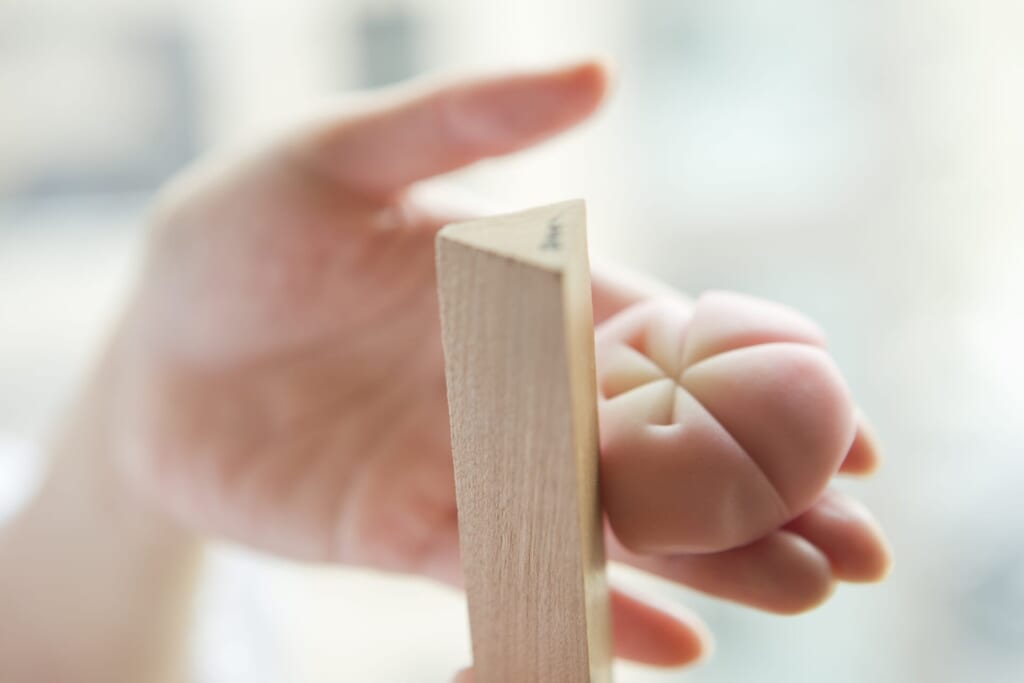
[교토] 1일 코스 | 유젠 염색과 화과자 만들기 등, 일본에서만 체험할 수 있는 수공예를 즐겨봅시다!
-

【교토】1일 여행|교토 히가시야마를 산책하며 단풍 구경!
-

아라시야마, 교토 1일 여행|인기 명소부터 숨은 명소까지!