大阪
從美食到購物,大阪特有的觀光樂趣應有盡有!
不妨前往主要車站附近享受一流的購物體驗,品嚐章魚燒和大阪燒等當地特色美食。


相關文章
-
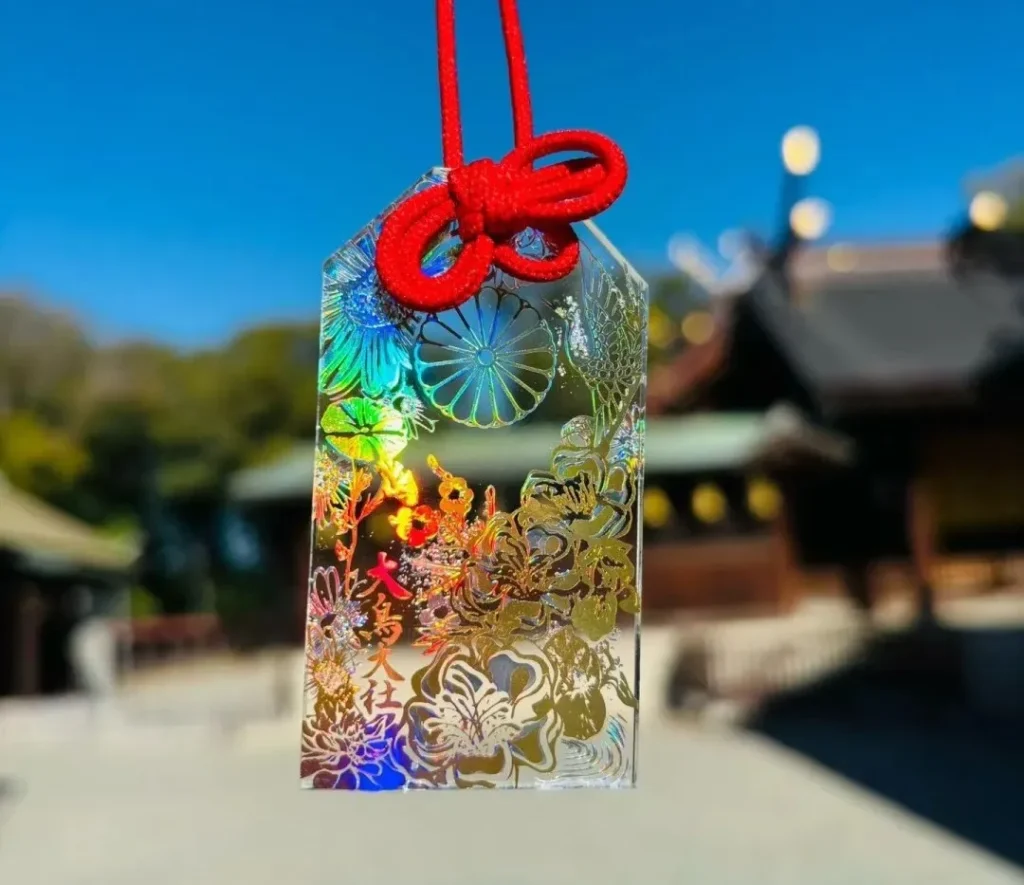
大阪和京都6座神社,帶你探訪社交媒體上熱門的“透明禦守”
Have you heard about the “transparent omamori” that have recently gone viral on Japanese social media for their breathtaking beauty? Unlike traditional fabric charms, these clear, skeleton-style omamori feature delicate embroidery or lace designs, offering a refined elegance that feels almost spiritually uplifting just to carry. In this article, we introduce shrines in Osaka and Kyoto where you can receive these stylish and meaningful charms. From customizable designs to those with unique blessings, discover a wide variety of fashionable yet auspicious omamori to suit your personal taste. Index 1. [Osaka] Hokoku Shrine – A power spot within Osaka Castle 2. [Osaka] Otori Taisha Shrine – Cute charms symbolizing a clear future 3. [Osaka] Tsuyunoten Shrine (Ohatsu Tenjin) – Get a one-of-a-kind charm 4. [Kyoto] Shimogamo Shrine – Popular delicate lace charms 5. [Kyoto] Mikami Shrine – Japan’s only shrine dedicated to the god of hair 6. [Kyoto] Heian-Jingu Shrine – Choose charms in your favorite color Hokoku Shrine Osaka enshrines the great warlord Toyotomi Hideyoshi, who rose from humble origins to become one of Japan’s most powerful leaders. The shrine is well known for its blessings of success, career advancement, and protection from misfortune. Located within Osaka Castle Park, it’s a perfect stop to visit alongside sightseeing at Osaka Castle. Inspired by the in-house Wakunaga Shrine, the popular “Kagayaki Mamori” (Radiance Amulet) carries the wish for “eternal youthfulness and lasting beauty.” Its charming embroidered design, featuring a plant that always grows upward in search of sunlight, symbolizes positivity and vitality, making it a beloved talisman for beauty, health, and longevity. Otori Taisha Shrine is a historic and prestigious shrine known as the Ichinomiya (highest-ranked shrine) of the former Izumi Province. It enshrines the legendary hero Yamato Takeru and Otorinomuraji no Oyagami. Based on the many tales of Yamato Takeru overcoming great challenges, the shrine is believed to grant blessings for victory and protection from misfortune. Its clear acrylic omamori, symbolizing the idea of “seeing clearly into the future,” has become a huge hit on social media. It is said that if you hold the charm up toward the main hall and take a photo, it brings even greater blessings. When held to the light, the design shines in rainbow colors, as if illuminating your path ahead with good fortune. Tsuyunoten Shrine—affectionately known as Ohatsu Tenjin—is famous as the setting of Chikamatsu Monzaemon’s masterpiece Sonezaki Shinju (The Love Suicides at Sonezaki). Inspired by the deep love of the story’s protagonists, the shrine has become a well-known spot for love and relationship blessings, attracting many visitors. One of its highlights is the “Momoiro Omamori”, which allows you to create your own personalized charm. You can choose from over 50 types of delicately embroidered pouches and combine them with a wish card of your choice. Since the embroidery designs are updated regularly, you can create a one-of-a-kind omamori that is truly unique to you. Shimogamo Shrine is one of the oldest shrines in Kyoto and is registered as a UNESCO World Cultural Heritage site. It enshrines Kamo Taketsunumi no Mikoto, the deity said to have helped develop ancient Kyoto, and Tamayori Hime no Mikoto, a goddess associated with mystical legends. The shrine is widely known for its blessings related to love, safe childbirth, and beauty. Its “lace omamori”, created to bring good fortune and happiness, has become especially popular among women. Featuring delicate embroidery on a transparent fabric, the design is said to embody the wish that the divine power of the gods can be received more strongly, making it both a beautiful and meaningful charm. Mikami Shrine is located near the famous bamboo grove in Arashiyama and is the only shrine in Japan dedicated to the god of hair. The enshrined deity is Fujiwara no Masayuki, a real historical figure from the Kamakura period who served as an official court hairdresser. Today, professionals in the beauty and hair industry, as well as those wishing for beautiful, healthy hair, visit from all over Japan. One of its most popular charms is the “Fukugami Mamori”, featuring a transparent pouch with motifs of scissors and combs. Since ancient times, combs have been considered protective items against evil, and well-maintained hair is said to attract good fortune. This charm is cherished for its blessings of protecting hair health and enhancing its beauty and shine. Heian Jingu Shrine is one of Kyoto’s most iconic shrines, known for its massive torii gate set against the blue sky and its vivid vermilion shrine buildings. It enshrines Emperor Kanmu, who moved the capital to Kyoto in 794, and Emperor Komei of the late Edo period. The shrine is believed to offer a wide range of blessings, including protection from misfortune, love and relationships, and academic success. Its beautifully translucent “Kanau Mamori” (Wish-Granting Charm) features designs inspired by weeping cherry blossoms and irises found within the shrine grounds. The charm strings come in 10 different colors, allowing you to choose your favorite—or even your oshi (favorite idol or character) color. It’s a stylish and meaningful charm, perfect for adding a personal touch to your visit and even supporting your oshi-katsu! Transparent omamori, with their delicate and beautiful appearance, make wonderful souvenirs that are sure to be appreciated. After taking a moment to clear your mind through shrine visits, why not bring home a piece of that experience in the form of a beautifully crafted charm? ▼Check these articles▼ 8 Must-Visit Shrines in Kobe: Perfect to Pair with Nearby Attractions Unusual red seals and good luck charms! 12 Shrines and Temples in Kansai related to the Chinese Zodiac
-

京都、大阪、兵庫的7處櫻花燈飾。夢幻般的日本春夜
櫻花是日本春天景色中不可或缺的一部分。許多人選擇在櫻花盛開的季節到日本觀賞櫻花。白天前往著名的賞櫻景點固然不錯,但夜晚燈火通明的櫻花奇景也很有味道。本文將介紹京都和兵庫櫻花的夜景點。 🌸2026年櫻花預報 🌸期待已久的櫻花季開始了。3月19日,日本氣象廳(JMC)發布了2026年第9次櫻花預測。得益於溫暖的春季,櫻花的開放時間預計將早於全國平均水平! *請注意:夜間賞櫻的入園費用可能與一般入園費用不同。 -索引- 【京都】世界遺產 二條城/二條城貓兒 2026 櫻之夜 【京都・東山】古大寺禪院/春之夜特別入場(燈飾) 【京都・東山】知恩寺/櫻之夜特別入場(燈飾) 【京都・東山】古大寺禪院/春之夜特別入場(燈飾) 【京都・東山】知恩寺/櫻之夜特別入場(燈飾)in春燈 2026 【京都・岡崎】平安神宮/櫻花之夜 2026 【大阪】世博'70 紀念公園/東尾寺大街沿途的櫻花樹燈飾 【兵庫・二筱宮夙川公園/櫻花燈飾蔵樂園 【兵庫・姬路】姬路城/姬路城夜櫻觀賞會 日期:2026年3月19日(星期四)~4月19日(星期日) 被列入世界遺產的二條城種有50個品種約300棵櫻花樹。櫻花的花期通常很短,但是二條城的櫻花因品種不同,花期也不同,遊客可以欣賞到長達一個月的櫻花。 將舉辦夜間活動「Nijo-jo Catsle 2026 SAKURA NIGHT」。期間將同時舉辦四項活動。1.世界遺產二丈城 × 日本學術獎得主的沉浸式劇場「白姬」 *日期有限,請事先確認官方網站。2.國寶二之丸宮特別夜景 3.以櫻花與光影為主題的投影映射 4.在夜櫻的陪伴下享用京都料理與傳統工藝品 體驗國寶二之丸宮內的靜謐夜景,並欣賞以櫻花花瓣為主題、歷史與尖端數位藝術相融合的投影映射。 活動時間:18:00-22:00(最後入場時間為 21:00) ▼檢查這篇文章▼大阪、京都和兵庫的 5 座城堡。從世界遺產到最新的城堡,值得一遊的觀光地點 日期:2026 年 3 月 13 日(星期五)~2026 年 5 月 6 日(星期三) 東山是京都最熱門的觀光勝地之一。高台寺禪院是最受歡迎的寺院之一。在此期間,整個寺院,包括大殿、庭院和竹林,都會燈火通明。法堂(主建築物)前的羽信亭庭園中的櫻花在燈光的照耀下格外美妙。乾山水(Karesansui)的白沙庭園中,粉紅色的櫻花獨自矗立,如驟雨般灑落。在聚光燈的照射下,櫻花莊嚴的姿態令人目不暇給。 開燈時間:17:00~21:30(最後入場時間為 21:30) ▼檢查這篇文章▼ 關西(京都、大阪、兵庫縣)的 22 個櫻花景點 日期:2026 年 3 月 25 日(星期三)~2026 年 4 月 5 日(星期日) 淨土修總寺知恩院(Chion-in)的國寶三門前的櫻花尤其有名。漂亮的粉紅色櫻花與巨大威武的山門相映成趣,令人印象深刻。除了約 200 棵櫻花樹之外,國寶三重堂和重要文化財大所也燈火通明,是不可錯過的景點。 從知恩院到丸山公園、以「祗園夜櫻」聞名的古大寺禪院,以及清水寺,建議同時遊覽京都東山所有著名的夜櫻。 開燈時間:5:45PM-9:30PM(最後入場時間為 9PM) ▼檢查這篇文章▼ 從京都川原町車站步行即可到達:容易前往的熱門觀光地點 日期:2026 年 4 月 1 日(星期三)~2026 年 4 月 5 日(星期日)平安神宮神苑是明治時代日本庭園的代表。在總面積約 33,000 平方公尺的廣闊庭園中,南神社庭園和東神社庭園中的紅色垂櫻樹非常有名,晚上還會點亮燈光。 照明時間:6:15PM-9PM(最後入場時間為 8:30PM) * 音樂會需另購票。有兩種門票可供選擇:音樂會門票:包括東新園(音樂會場地)和南新園(櫻花燈會)的入場券。一般入場券:可進入 Minami Shin'en(櫻花燈會)。 ▼檢查這篇文章▼京都御守院指南:從著名神社到推薦御守町的 6 個御守院 日期:2026 年 3 月 20 日(星期五)(國定假日)至 2026 年 4 月 5 日(星期日)萬博紀念公園是大阪最佳賞櫻景點之一,入選 100 個最佳賞櫻景點。櫻花約在 3 月中旬開始盛開,將公園染成美麗的粉紅色。一直到 4 月初,東王子大街兩旁的櫻花樹都會點亮燈飾。一排排光彩奪目的櫻花排列在道路兩旁,令人目不暇給。白天,廣闊的日本庭園中的 「磐安庵 」和 「磐日庵 」茶室會特別開放,「磐安庵 」還會舉行茶道表演(收費)。何不在櫻花與茶中體驗典型的日本春景? ▼也請看看這篇文章▼萬博紀念公園是大阪的好去處!重點說明!日期:從神戶三宮車站搭乘阪急電車約 10 分鐘,從大阪梅田車站搭乘阪急電車約 20 分鐘。從阪急夙川車站的月台可以看到河畔一排排的櫻花樹,是兵庫縣的最佳賞櫻景點之一,入選日本賞櫻百選!沿著河畔大道種植了約 1,660 棵櫻花樹和 1,520 棵松樹。尤其是從阪急Kurakuen-guchi 車站外的橋上眺望歌舞伎山和櫻花,景色十分壯觀。 蔵園口車站附近是住宅區,因此有許多家庭和獨特的餐廳散佈在附近。在這裡,您可以從日本人日常生活的角度,充分感受櫻花的魅力。日期:2026 年 3 月 27 日(星期五)~4 月 5 日(星期日) 被指定為世界遺產、國寶的姬路城也是著名的賞櫻景點。到了晚上,通常不對外開放的「西之丸庭園」中約 100 棵櫻花樹會被點亮,美輪美奐。這會營造出令人屏息的神奇氣氛,提供與白天景色完全不同的體驗。姬路城也被稱為「白鷺城」,因為它看起來就像一隻展翅的白鷺。在燈光的映照下,白鷺鷥巍峨的身姿在黑暗中冉冉升起,與櫻花交相輝映,令人目不暇給。 照明時間:6:30PM-9PM(最後入場時間為 8:30PM) ▼檢查這篇文章▼大阪、京都和兵庫的 5 座城堡。從世界遺產到最新的城堡,值得一遊的觀光景點 櫻花只在春天的短時間內綻放!請盡情欣賞這令人怦然心動的美景,讓它成為您旅途中的珍貴回憶。
-

2026 | 2026關西22處賞櫻勝地(京都、大阪、兵庫縣)
From famous cherry blossom viewing spots to hidden gems, here are some of the best places to view cherry blossoms by area for your reference in the spring of 2026. 🌸2026 Cherry Blossom Forecast 🌸 The long-awaited cherry blossom season begins. On March 19, Japan Meteorological Corporation (JMC) released its 9th cherry blossom forecast for 2026 season.Thanks to a warm spring, the blossoms are expected to pop earlier than average nationwide! ▶For 2026 real-time updates on the cherry blossom spots along Hankyu Railway! -INDEX- [KYOTO area] [KYOTO Arashiyama area] ・Togetsukyo Bridge, a famous cherry blossom viewing spot in Arashiyama ・Randen (Keifuku Electric Railway) Cherry blossom Tunnel ・Tenryuji Temple, where you can enjoy cherry blossoms while overlooking the city of Kyoto ・Daikakuji Temple, where you can enjoy cherry blossoms reflected on the surface of water [KYOTO Higashiyama area] ・Keage Incline is popular for its rows of cherry trees in full bloom ・Kodaiji Temple, a popular cherry blossom viewing spot for its illumination ・Cherry Blossom Walk “Philosopher’s Walk” ・Heian Jingu Shrine, famous for weeping cherry blossoms [KYOTO Nishiyama area] ・Shobo-ji Temple to enjoy cherry blossoms at a temple called Ishi-no-tera ・Phantom Sengan Cherry Blossom, Oharano Shrine ・Commonly known as the Temple of Flowers, Shouji-ji Temple ・The entire mountain is dyed pink at Yoshimine Temple [OSAKA area] ・Japan Mint, Cherry Blossom Passage ・Osaka Castle Park with a spectacular view of the castle and cherry blossoms ・Osaka Sakura Cruise ・Ikeda Satsukiyama Ryokuchi, cherry blossom viewing spot for the whole family ・Hanami from Late February! Flower Expo Memorial Park Tsurumi Ryokuchi [HYOGO area] ・The cherry blossoms along the river are magnificent at Shukugawa Park ・Oji Zoo where you can enjoy cherry blossoms even with small children ・Sumaura Sanjo Yuen Park, where you can enjoy the view overlooking the Seto Inland Sea and cherry blossoms ・Takarazuka Hana no michi, a beautiful walking path to Takarazuka Grand Theater ・Kokoen Garden, a Japanese garden in Himeji for cherry blossom viewing Experience the Hanami culture There are many picturesque cherry blossom viewing spots in Kyoto. You can never miss the famous spots! I want to go to a place where there are as few people as possible! Here are some cherry blossom viewing spots in Kyoto by area that will fulfill both of your wishes. Arashiyama is rich in seasonal changes. The clear Oigawa River and the graceful appearance of the Togetsu Bridge over it attract people’s hearts no matter what time of year they visit. In spring, the view of cherry blossoms, mountains, river, and bridge together is magnificent. ▼Must-read this guide before visiting Arashiyama▼ Arashiyama Station: Comparing and Explaining 4 Kyoto Arashiyama Stations The views of the Togetsukyo Bridge over the overflowing cherry blossoms and Arashiyama beyond is as beautiful as a picture scroll. For a unique hanami experience, consider renting a boat or taking a traditional roofed boat to enjoy the cherry blossoms along the Katsura River. Even on crowded days, you can appreciate the stunning view of Togetsukyo Bridge and the sakura from the calm waters. ▼Click here for a model course that allows you to quickly capture Arashiyama sightseeing in half a day▼ Kyoto Arashiyama Sightseeing Half-day Model Course! Capture the bamboo forest, temples, nature, and major spots! A tunnel of cherry blossoms appears between Narutaki and Utano Stations on the Randen Kitano Line. Someiyoshino cherry trees line both sides of the line for about 200 meters. The retro trains that run through the cherry blossoms are also attractive. Tenryuji Temple was built by Ashikaga Takauji. It is a beautiful spot with cherry blossoms in the distance, such as weeping cherry trees blooming against the backdrop of Dahouden Hall and Mochikyo-no-oka overlooking Arashiyama in spring. Cherry trees are planted around Osawa Pond, the oldest man-made garden pond in Japan, and visitors can enjoy a 1-kilometer walk around the pond. The cherry blossoms reflected in the water mirror are also beautiful. Higashiyama is home to a concentration of Kyoto’s most famous sights. The area, which is easily accessible from downtown Kawaramachi, Kyoto, is dotted with cherry blossom viewing spots. Please enjoy the town of Higashiyama dyed in pink. ▼If you’re visiting Kawaramachi area, be sure to check out this article▼ Within Walking Distance from Kyoto-Kawaramachi Station: Easy-to-Visit Popular Sightseeing Spots A total of 582 meters of inclined railroad near Nanzenji Temple, and now visitors can freely walk on the rails. In spring, you can enjoy the romantic scenery amidst the rows of cherry trees that fill the area. This Zen temple was built by Nene to mourn the loss of Hideyoshi. In spring, weeping cherry trees in the Hojo Garden bloom beautifully, their bright pink color shining on the white sand of the garden. During the nighttime viewing, the Hojo front garden with weeping cherry trees will be illuminated. ▼Check out this article for the light-up event▼ 7 cherry blossom illumination in Kyoto, Osaka and Hyogo. Fantastic Japanese Spring Nights The Philosopher’s Path, a scenic 2km walkway connecting Ginkaku-ji Temple and Nanzen-ji Temple, is lined with countless cherry trees. No matter how far you walk, you’ll be surrounded by breathtaking sakura! The side trips to shrines and temples scattered along the way are also enjoyable and make you lose track of time. Most of the cherry trees that adorn Heian Shrine are red weeping cherry trees. As the name suggests, these cherry trees are bright red in color. The contrast with the vermilion shrine pavilions is magnificent. In early April, Heian Shrine’s Higashi-Shin’en and Minami-Shin’en Gardens are illuminated, creating a magical nighttime sakura viewing experience. ▼Check out this article for the light-up event▼ 7 cherry blossom illumination in Kyoto, Osaka and Hyogo. Fantastic Japanese Spring Nights There’s even a spot away from the city center of Kyoto where you can enjoy the cherry blossoms! Enjoy the cherry blossoms in a relaxing atmosphere at this ancient shrine nestled in the nature of Nishiyama. ▼Kyoto Nishiyama is the next hot spot in Kyoto! For more information, please click here. Kyoto Nishiyama|An undiscovered sightseeing spot in Kyoto! The “Garden of Birds and Animals,” lined with stones that resemble animals and birds, is a beautiful spot where weeping cherry trees stand dignifiedly. The most notable cherry blossom on the grounds of Oharano Shrine is the “Sengan-zakura” (cherry blossom with a thousand eyes). It is said to be a phantom cherry blossom that blooms for only two or three days, and if you are lucky enough to see it, your wish will come true. At Shouji-ji Temple, commonly known as “Flower Temple,” about 100 cherry trees spread their branches spontaneously. The temple is famous for the “Saigyo Cherry Blossoms,” which are said to have been planted and loved by the monk Saigyo. Various varieties of cherry trees, including higanzakura (higan cherry), shidarezakura (weeping cherry), yamazakura (mountain cherry), and botanzakura (botan cherry), color the spring scenery in the precincts. The temple is also famous for its dynamic view. You can enjoy a panoramic view of the city of Kyoto. There are many cherry blossom viewing spots in the Osaka area, including cherry blossoms to be enjoyed in the city and in parks. Japan Mint Bureau is a regular spot that is often voted No. 1 in the ranking of Osaka’s cherry blossom viewing spots. Although the grounds are not accessible during the day, they are open for a limited time only during the “Cherry Blossom Passage,” which is held when the cherry blossoms are in bloom. *For the 2026 Cherry Blossom Path Event, we plan to implement an advance online registration system (first-come, first-served basis). Cherry blossoms at Japan Mint are mainly late-blooming yaezakura, and many types of cherry trees can be enjoyed while walking along the 560-meter promenade. Each cherry tree is planted with a different variety of cherry blossom, so find the one you like best! This lush green park stretches around Osaka Castle and offers a spectacular view of cherry blossoms with the castle tower in the background. The Nishinomaru Garden, surrounded by important cultural properties, is famous for its approximately 300 cherry trees, mainly Someiyoshino. The castle tower and the pink-colored cherry blossoms are a spectacular view unique to Japan. ▼Check this article for recommended castle spots other than Osaka Castle! 5 castles in Osaka, Kyoto and Hyogo. From World Heritage Sites to the Newest Castles, Places to Visit for Sightseeing The “Naniwa Tanken Cruise with Rakugo Storytellers,” which offers sightseeing in Osaka City with the entertaining guidance of Rakugo storytellers, will be operated as the “Cherry Blossom Special Cruise” for a limited time in spring. This is a very popular cruise every year, where you can enjoy the rows of cherry blossom trees that are slightly tinted with spring colors from the surface of the river. The cruise takes about 120 minutes and you can see the cherry blossoms along the Okawa River. Satsukiyama Ryokuchi, located in Ikeda, Osaka, is a popular spot where you can enjoy a free zoo, hiking, barbecues, and playground equipment all day long. On weekends during the holiday season, the park is crowded with families with children and hikers. From the entrance of the park to the Hinomaru Observatory at the top of the mountain, Someiyoshino and Yamazakura cherry trees are in full bloom everywhere. Tsurumi Ryokuchi Park is a spacious park featuring a rose garden, almond trees, and a variety of seasonal flowers, making it a perfect spot for families and couples alike. This park is unique for its long cherry blossom viewing season, starting from late February. Various cherry tree species are planted here, including Kawazu-zakura, Okame-zakura, and Somei Yoshino, allowing visitors to enjoy hanami for an extended period. Additionally, from mid-April, visitors can admire the delicate blue nemophila flowers covering the Windmill Hill Flower Garden, adding another layer of seasonal beauty. There are many places famous for cherry blossoms in the Hyogo area. Kobe, Takarazuka, Himeji, etc., offer a different atmosphere from Osaka and Kyoto. Shukugawa Park has a beautiful view of the cherry blossoms reflected in the river. It has been selected as one of the “100 Best Places for Cherry Blossoms” and is a popular spot for cherry blossom viewing. The path lined with cherry blossom trees on both banks is a perfect walking course. You can also enjoy the cherry blossoms from the nearest station, Hankyu Shukugawa Station. At Hankyu Shukugawa Station, there’s a cute bench with a cherry blossom motif! Opened in 1951, Oji Zoo is one of the best leisure spots in Kobe where parents and children can enjoy a full day of close observation of animals. Oji Zoo is also a great place to enjoy cherry blossoms. There are about 480 cherry trees in the park alone, and nearly 800 cherry trees in the entire Oji Park. The collaboration of animals and cherry blossoms, including giraffes and elephants, is fascinating. Please enjoy the warm weather and be healed by the animals. ▼For other recommended zoos in Kobe, see here▼ 4 Recommended Zoos to Visit in Kobe Sumaura Sanjo Yuen Park is a popular amusement park for parents and children, where you can enjoy the view of the blue sky and the sea. You can get there by taking the Sumaura ropeway and gondola. You can see the collaboration of cherry blossoms with Osaka Bay and Akashi Strait. It is famous as a cherry blossom viewing spot in Kobe. The number of cherry trees in bloom here and there in the park is one of the largest in Kobe. ▼For more details about Sumaura Sanjo Yuen Park▼ Kobe・Sumaura Sanjo Amusement Park|Retro Rides, Stunning Seto Inland Sea Views, and Spectacular Cherry Blossoms The “Hana no michi” that leads from Hankyu Takarazuka Station to Takarazuka Grand Theatre is filled with cherry blossoms in spring. The tunnel of cherry blossoms in full bloom looks like a flower path on a stage. It is also popular among Takarazuka Revue fans. ▼Check this article▼ Takarazuka you don’t know yet! A fun day at the Takarazuka Grand Theater for beginners Kokoen Garden is a popular tourist spot when visiting Himeji. This is a Japanese garden with World Heritage “Himeji Castle” in the background. The garden area is large along the southwestern part of Himeji Castle. The gardens are about 3.5 hectares. Those who come to visit Himeji Castle must not miss out to come and visit this garden. Adjacent to Koko-en Garden, Himeji Castle is another popular cherry blossom viewing spot, with numerous cherry trees blooming within its grounds. A stroll along the moat surrounding the castle offers a unique hanami experience, allowing visitors to admire the castle from all directions—east, west, south, and north—while enjoying the beautiful cherry blossoms. ▼Check this article▼ 7 cherry blossom illumination in Kyoto, Osaka and Hyogo. Fantastic Japanese Spring Nights You can only enjoy the cherry blossom-colored scenery of Japan during the short spring period. Please check it out as soon as possible and use it as a reference for your travel plans. Hanami, or cherry blossom viewing, is one of Japan’s traditional customs, where people appreciate cherry blossoms to feel the arrival of spring. Hanami is a spring event in which families and friends gather under cherry blossom trees to enjoy food and drinks. The great thing about Japanese hanami is that anyone can easily enjoy it. Typical things to prepare include a picnic sheet, boxed lunches (bento), drinks, and sweets. Picnic sheets can be found at 100 yen shops, and bento, drinks, and sweets can be bought at convenience stores. Just find a spot under the cherry blossom trees, spread out your picnic sheet, and enjoy! For those who want to enjoy hanami with traditional bento or the latest sweets, Hankyu and Hanshin department stores are recommended. ▼Check this article▼ 8 recommendations for souvenirs from Umeda, Osaka! The hottest stores in Hankyu & Hanshin department store’s food hall
-

關西7大紫藤花勝地:紫色花海盡收眼底
日本的春天是花開的季節!許多人在日本想到春花時,可能會聯想到櫻花,但紫藤花是日本人熟悉的春花,甚至在和歌詩中都有提及。賞楓花的最佳時機是在櫻花落下之後。即使櫻花結束後,仍有一些日本風景值得我們參觀! *部分名額需繳納入場費及敬拜費用。詳情請參考各點官方網站。 -INDEX-【大阪、福島區】下福島公園等。【大阪、東澄吉】永井植物園【兵庫縣丹波市】白宮寺【兵庫寶塚市】中山寺【京都宇治】兵藤院【京都、伏見】上南宮【奈良】春日大社紫藤花卉甚至在都市中心也能看到。大阪梅田附近的福島區和野田區,約有600年歷史,是著名的富士樹生長地。這也是紫藤花(富士)的標準日語名稱「nodafuji」的由來。 野田的紫藤花在二戰期間的空襲中幾乎被完全摧毀,但現在多虧當地居民的努力已恢復。這些花每年在選區內29個地點綻放,包括公園和公共設施。 尤其是下福島公園擁有區內最多的紫藤架架,值得一看。阪神野田車站前的廣場也如畫,紫藤花與城市景觀形成絕佳對比,形成鮮明對比。 通常觀賞時間:四月中旬 「永井植物園」藍紫色花卉的合作在照片中看起來很棒。近年來日本流行的春季花卉——印度百花草,遍布約2,000平方公尺的生命花園。在旁邊,四月中旬會盛開紫藤花,開出淡紫色花朵,使遊客能同時看到所有受歡迎花卉。 永井植物園距離梅田、新齋橋和南部僅搭地鐵一趟。從市中心輕鬆抵達,遊客全年都能遇見各式各樣的植物、樹木和花卉。永久性的夜間戶外博物館「Team Lab Osaka 植物園」也很受歡迎! 更多資訊請點此。▼ 大阪teamLab植物園的重點與活動 通常觀賞時間:四月中旬(尼莫菲拉:四月中旬至五月初) 沒有人不被白宮寺的紫藤景象感動!從大阪站搭火車和計程車到白宮寺大約需要2小時20分鐘,但風景壯麗到讓你無言以對。前任主祭約30年前種植了這種紫藤花,花叢長度超過1公尺。紫藤架架的體積龐大,呈L形排列,覆蓋120公尺的廣大區域。紫藤花如雨般從頭頂傾瀉而下。白語寺九尺富士祭典將於2026年4月29日至5月10日,上午8:30至下午6:00舉行。紫藤燈光從晚上6:30持續到晚上9:00,但7點後燈光效果完整,營造出類似極光流過天空的景象。 * 節慶期間可能因花期而異。請查看官方網站以獲取最新消息。 一般觀賞時間:五月初至中旬 中山寺以其肥沃且安全送達聞名。它位於寶塚,熱泉湧出。寺院範圍內的「星之廣葉」內有一條長80公尺的紫藤架,從四月中旬到下旬,紫藤花朵盛開。紫藤在日本最常見,但中山寺以其白色紫藤為特色。如果你在晴天造訪,它們看起來就像漂浮在藍天中的雲朵!紫藤花的甜美香氣也瀰漫在空氣中。 通常觀賞時間:四月中下旬,白堂鳳凰館建於1053年,是10日圓硬幣上著名的地標,若遊客造訪京都必訪。星院花園以其季節性花卉,加上建於池塘中央的鳳凰殿,以及池塘另一側的群山景致,是人們建造寺廟時所想像的天堂景象。春天時,池塘裡盛開紫藤花,與美麗的鳳凰廳和諧共處。這裡真的是一個天堂般的場景,擁有優雅的日本風味,絕對不容錯過。 常見觀賞時間:四月中旬至五月初,城南區是遊客欣賞季節花卉的好地方。寺廟範圍內有五個庭園,每年「室町庭園」都會綻放紫藤的色彩,該庭園設有圓形庭園並設有池塘。春天時,不僅紫藤花開,園區內的山吹和杜鵑花也幾乎同時開花。此外,還有「紫藤巫女神樂」表演(免費入場),巫女手持紫藤枝,頭戴紫藤花束,表演神樂舞;若你獲得「紫藤花護符」,巫女會用神樂鈴(每個護符1000日圓)淨化你。這裡不僅能欣賞花卉,也能享受「體驗」。 一般觀賞時間:四月底 紫藤神歌神樂:每天兩次,分別於2026年5月1日至6、9、10、16、17、23、24、30及31日10:00及15:00。春日大社神社以其鮮紅粉紅色的美麗神社亭閣,是奈良主要的旅遊景點之一,並被列為世界文化遺產。紫藤花是春日大社的重要花卉,甚至用於神社的徽章。紫藤花在神社範圍內野生生長,主聖地的「砂鈴紫藤」也被視為著名的樹種。此外,萬如州植物園種植了約300種與日本最古老詩集《萬葉州》相關的花卉與植物,園內種植約200朵紫藤花,涵蓋20個品種,讓參觀者了解不同品種花朵的形狀、大小與顏色差異。 一般觀賞時間:四月中旬至五月初 自古以來,日本人對季節的變換就非常敏感。你不覺得紫藤花優雅莊重的形象,與日本的和諧形象有關嗎?請前往欣賞紫藤花日式美景的地點。
-

吉本道頓堀劇場:大阪住宿期間值得一去的夜間喜劇劇場
大阪被譽為日本喜劇的心臟地帶,每天都有各式各樣的喜劇表演。這次,我們欣賞了一場在旅途中只需一小時就能欣賞的喜劇表演,特別推薦給國際訪客。演出以簡單的英文與非語言喜劇為主,即使不懂日語也能輕鬆享受。 索引1。什麼是吉本道頓堀劇場?2. 如何購買吉本道頓堀劇場的門票 3.吉本道頓堀劇場的三大主要景點 4.在吉本道頓堀劇場用餐 5.吉本道頓堀劇場的進入 吉本道頓堀劇場是位於道頓堀的劇院,是任何大阪旅遊必訪的觀光景點之一。來自東京、大阪及日本各地的喜劇演員在此演出,使其成為日本喜劇的熱鬧中心。 劇場由吉本光業經營,創立於1912年。該公司擁有超過百年的歷史,最為人所知的是經營喜劇演員,但同時也製作電視節目、策劃活動及製作電影,使其成為日本最知名且具影響力的娛樂公司之一——幾乎為日本人所熟知。 即使是日本旅客也常說:「我想在大阪看喜劇。」這項極受歡迎的娛樂節目每月以英語播出四次,演出時間為晚上7點至8點或晚上8點至9點。由於日期和時間會隨月而異,請務必提前查看官方網站。當日票券可於吉本同頓堀劇場購買,從首場演出前一小時起至演出結束。 每位成人價格為2,500日圓(含稅),包含一杯飲料,並可提供酒精飲料。你可以一邊喝啤酒或果汁一邊欣賞表演。 若偏好提前購票,也可透過Veltra購買。請注意,預購不提供變更與退款。·所有座位均為無預留(免費座位)。·4歲及以下(身高110公分以下)的兒童若坐在監護人膝上即可自由進入。2026年2月,我們參觀了吉本道頓堀劇場,發現了這齣戲如此特別的三大關鍵原因。 1)你只需一小時就能欣賞到多種喜劇風格 我們參加的當天,節目內容豐富多樣——從任何人都能享受的非語言喜劇開始,接著是日本傳統的萬歲喜劇風格,最後以大阪極受歡迎的喜劇節目《新紀劇》作結。節目以一場令人驚喜的表演開場:一位喜劇演員吹口琴同時旋轉呼拉圈,甚至用紙張創作藝術。從他冷靜的外表來看,你絕對無法想像會有這樣的表演——現場觀看也是樂趣之一。 萬歲是一種傳統的日本喜劇風格,兩位喜劇演員站在麥克風後,進行一段簡短的對白,分別扮演傻瓜(boke)和嚴厲(tsukkomi)的角色。表演開始前,主持人會解釋獨特的日語術語與概念,讓即使是初次造訪的觀眾也能放鬆心情,享受表演。接著是一位視覺衝擊力十足的表演者,他連續施展一個又一個魔術,讓劇院充滿笑聲——然後是短暫休息時間。後半段則可以享受英文版的《新紀劇》。新紀劇是一個由多位演員共同演出的團體喜劇節目,在日本觀眾中也非常受歡迎。能在短短一小時內體驗這些不同風格的日本喜劇,使這場演出成為極佳的價值,也是你大阪之旅必看的一訪。 2) 你可以與表演者互動 主持人擅長激勵觀眾,並透過與觀眾熱烈交談,讓節目持續進行。有時,知名喜劇演員也會登上日本電視節目。我們造訪當天,著名喜劇演員熊田正志也加入了節目。他在劇院裡走動,向觀眾分發他的原創作品。你不僅能拿到紀念品,還有機會近距離與喜劇演員互動——甚至還能一起拍照。*貨物分配依績效而異。 3) 你可以參與喜劇表演 雖然不是每個人都會,但部分觀眾會被邀請上台參與表演。你可以加入的單元是非常受歡迎的《新紀劇》。主持人會直接走到你的座位上邀請參與者。 你將扮演什麼角色直到你踏上舞台才會讓人意外,但別擔心——這並不難。如果你被選中,這一定會成為你旅程中難忘的回憶。吉本同頓堀劇場允許在場內享用餐飲。你可以在大廳購買物品,演出期間只需在座位上掃描 QR 碼,工作人員就會直接送餐和飲料給你。最近的車站有南波站、大阪難波站和難波站,步行約7分鐘即可抵達。你也可以直接從關西國際機場搭乘南海鐵道抵達難波站,對於想在抵達日本當天就欣賞表演的旅客來說非常方便。劇場位於中座紅道館大樓六樓,該建築以道頓堀的象徵之一——紅道蛇太郎雕像為標誌。進入建築物後,搭乘右側電梯上到6樓,立刻就會看到劇院。 劇院鄰近著名的格里可招牌和寶善寺,方便觀光或晚餐前後參觀。何不近距離欣賞大阪風格的喜劇,到吉本同頓堀劇場呢?請查看這些文章 ▼ 7 大阪梅田夜間活動。在城市中享受夜晚,有酒吧、咖啡館和夜景!相撲館 大阪平久座❘ 大阪難波相撲娛樂秀 大阪必試體驗:深入體驗當地生活與日本文化
-

大阪箕面一日遊|享受大阪最美的自然風光!箕面瀑布和勝尾寺健行
-

大阪一日遊|完美攻略!最熱門景點、最新人氣美食!
-

大阪梅田一日遊行程|觀光・購物・美食!盡情享受大阪梅田
-

梅田~寶塚-1日遊|下雨天也可以和孩子一起遊玩的推薦景點!