神户
神户拥有精致的海港区、可欣赏夜景的群山、充满异国风情的街道,甚至还有著名的温泉胜地等众多风景等着您去体验。
相关文章
-

有马温泉一日游指南:优惠门票、推荐设施及更多信息
With a history spanning more than 1,300 years, Arima Onsen is one of Japan’s most renowned hot spring destinations. It is recognized as one of both the Three Famous Springs of Japan and the Three Oldest Hot Springs in Japan. Conveniently accessible by train in about 1 hour and 20 minutes from Osaka and about 30 minutes from Kobe, it is a popular destination for travelers from Japan and around the world. In this guide, we’ll show you how to make the most of a day trip to Arima Onsen. We’ll introduce convenient and great-value ticket options that are especially popular with international visitors, as well as Taiko-no-Yu, a recommended hot spring facility. Index Recommended Ticket for a Day Trip to Arima Onsen: Arima Onsen Taiko-no-Yu Coupon Recommended Facility for a Day Trip to Arima Onsen: Taiko-no-Yu Recommended Food & Dining in Arima Onsen Frequently Asked Questions About Day Trips to Arima Onsen If you want to enjoy Arima Onsen at a great value, be sure to check out the Arima Onsen Taiko-no-Yu Coupon! This convenient and affordable day-trip ticket combines a transportation pass, such as train tickets, with admission to the popular hot spring facility Arima Onsen Taiko-no-Yu. For international visitors, we recommend purchasing the ticket through Surutto QRtto, a digital ticket service that allows you to easily purchase and use tickets on your smartphone. The digital ticket can be used for one day of your choice within three months from the date of purchase, making it convenient to prepare your ticket in advance. Choose the Arima Onsen Taiko-no-Yu Coupon based on the area where you are staying! ■Traveling from the Namba area → [Hanshin Version] ■Traveling from the Umeda (Osaka) area → [Hankyu Version] ■Traveling from the Sannomiya (Kobe) area → [Kobe City Subway Version] For detailed information on how to use the ticket, its validity period, and to purchase your ticket, please check Surutto QRtto: Taiko-no-Yu. If you want to enjoy a day-trip hot spring experience in Arima Onsen, Taiko-no-Yu is a great choice. Taiko-no-Yu is one of the largest hot spring theme parks in Western Japan, offering 26 different baths and bedrock baths. Here are four highlights of Taiko-no-Yu: 1. Enjoy a Variety of Baths and Bedrock Baths Arima Onsen is known for two types of hot spring water: Kinsen (Golden Spring) and Ginsen (Silver Spring). Kinsen contains iron and salt, giving the water its distinctive reddish-brown color. Ginsen, on the other hand, includes both carbonated spring water and radon spring water, and both are clear and refreshing. At Taiko-no-Yu, you can enjoy both Kinsen and Ginsen, along with a variety of open-air baths and saunas for a relaxing hot spring-hopping experience. 2. Drop In Without Bringing Your Own Essentials Free rentals of towels, bath towels, and loungewear are available, so you can easily stop by without bringing anything with you while sightseeing. 3. Easy Access on Foot or by Free Shuttle Bus Taiko-no-Yu is about a 10-minute walk from Arima Onsen Station on the Kobe Electric Railway. A free shuttle bus also operates 1–3 times per hour, making it easy to get there. 4. Relax and Stay All Day With a restaurant, food court, and café inside the facility, you can take your time and enjoy a full day here, with plenty of opportunities to dine and take breaks between baths. For detailed information on how to use the facility, please visit the official Taiko-no-Yu website. After refreshing yourself in the hot springs, enjoy some delicious local specialties unique to Arima! One must-try treat when visiting Arima Onsen is tansan senbei, a traditional Japanese cracker. Made using water from Arima’s carbonated hot springs, this traditional snack is known for its light, crispy texture and gentle sweetness. It makes a great souvenir and is also perfect for enjoying as you stroll through the hot spring town. Of course, Arima Onsen offers plenty of other delicious foods and sweets to enjoy besides tansan senbei. ▼ Check out more details here! ▼ The 10 best food and sweets in Arima Onsen Town Finally, here are answers to some of the questions we often receive from travelers. Q. What is the best time of year to visit Arima Onsen? A. Autumn is especially popular, when the leaves turn beautiful shades of red and gold. The combination of the atmospheric hot spring town and colorful autumn foliage is truly breathtaking. Zuihoji Park, located in the hills on the eastern side of Arima Onsen, is home to approximately 2,000 maple trees and is a must-visit spot for anyone visiting Arima during the autumn foliage season. Q. What is the weather and temperature like in Arima Onsen? A. Arima Onsen is located in a mountainous area at an elevation of approximately 350–500 meters. As a result, temperatures are often around 1–2°C lower than in central Kobe. We recommend bringing clothing that makes it easy to adjust to temperature changes, such as a light jacket that you can quickly put on when needed. Q. Where can I find more information about getting to Arima Onsen? A. For detailed information on how to get to Arima Onsen from major areas in Kansai, including Osaka, Kyoto, and Kobe, as well as the best transportation options, check out the article below! How to Get to Arima Onsen from Osaka, Kyoto, and Kobe – A Complete Transportation Guide Did you enjoy the guide? Make the most of the great-value Arima Onsen Taiko-no-Yu Coupon and enjoy a memorable day trip to Arima Onsen, a charming destination filled with traditional Japanese atmosphere. We hope your stay in Kansai becomes a wonderful and unforgettable experience!
-

〈2026〉日本赏枫15佳地点(京都、大阪等)!
Japan in autumn colors. Here are some of the best places in Kansai to see the autumn leaves, by area, from once-in-a-lifetime viewing spots to hidden gems. Please refer to the fall tourism in 2026. -INDEX- Things to keep in mind when visiting temples and shrines in Japan 【KYOTO】 〇Higashiyama Area Famous place:Eikando(Zenrin-ji) Little known good spot:Anrakuji 〇Arashiyama Area Famous place:Daikaku-ji Temple Famous place:Jojakko-ji Little known good spot:Jizoin(Takedera/Bamboo Temple) 〇Other Area Famous place:Rurikoin Little known good spot:Komyo-ji 【OSAKA】 Famous place:Minoh Waterfall Little known good spot:Katsuo-ji 【KOBE】 Famous place:Sorakuen Garden Famous place:Kobe Municipal Arboretum Little known good spot:Rokko Alpine Botanical Garden Little known good spot:Rokko-Arima Ropeway 【Other Area】 Himeji:KOKO-EN Nara:Hasedera temple FAQs About Fall Foliage in Osaka, Kyoto, and Kobe When visiting temples and shrines, be sure to observe proper etiquette and manners. Here are some guidelines that apply to both temples and shrines. 1. Do not speak loudly. Temples and shrines are sacred places, so please enjoy them quietly. 2. Do not eat or drink on the grounds. This is strictly prohibited. Even outdoors, it may be considered a breach of etiquette, so please be careful. 3. Do not touch buildings, torii gates, or statues. Leaning on torii gates or touching Buddhist statues is strictly prohibited. Treat these sacred objects with respect. 4. Confirm photography rules. Photography is prohibited in many areas, so check signs and notices before taking photos. 5. Do not walk in the middle of the approach. The middle of the approach is the path for the gods, so walk on the side. In addition, the methods of worship differ between temples and shrines. At shrines, it is common to worship with two bows, two claps, and one bow, but at temples, clapping is not done. Observe etiquette and manners, and enjoy visiting temples and shrines. 🍁Usual viewing time: mid-November to late November Eikando is the best place in Higashiyama to view the autumn leaves. About 3,000 maple trees cover the entire precincts of the temple. The sight of the tallest pagoda, Dabotou, enveloped by the autumn leaves is a fantastic sight. Japanese maples are planted around the Housho Pond, and the reflection of the Japanese maples and the Gokuraku Bridge in the water is a must-see. 🍁Usual viewing time: mid-November to late November Normally closed to the public, this special temple is open to the public only during the cherry blossom and autumn foliage seasons. Within walking distance is the Philosopher’s Path, which is tinted in autumn, so a walk along this path is recommended. Highlights include the scattered autumn leaves that turn the stone steps of the temple gate bright red and the beautiful garden with Nyoigatake in the background. Scheduled Special Opening Dates: November 1 (Sun), 2 (Mon), 3 (Tue), 7 (Sat), 8 (Sun), 14 (Sat), 15 (Sun), and 21 (Sat) through December 6 (Sun), 2026 *Gates open at 12:00 PM on Sunday, the 8th ▼Check this article▼ 【Kyoto】1 Day Trip|Let’s walk around Higashiyama, Kyoto to see the autumn leaves! 🍁Usual viewing time: Mid-November to late November The combination of the beautiful colors of the pagoda and the fiery maple leaves is gorgeous. Osawa Pond to the east is also a popular spot for viewing autumn leaves. The reflection of the autumn scenery on the surface of the water is fantastic. ▼Food info of Arashiyama area▼ Kyoto Arashiyama Sightseeing Half-day Model Course! Capture the bamboo forest, temples, nature, and major spots! 9 Sweets in Arashiyama, Kyoto, from Easy Eats to Stylish Cafes 🍁Usual viewing time: Mid-November to late November This temple is located on Mt. Ogura, known for the Ogura Hyakunin Isshitsu. In autumn, the approach from the entrance gate to the Niomon Gate is covered in autumn leaves, creating a tunnel of foliage. The autumn leaves surrounding the 12-meter tall Dabotou (pagoda), which is located at the top of the stone steps, is a must-see. The precincts of the temple and the area around the pagoda also offer a panoramic view of Kyoto City. 🍁Usual viewing time: late November Jizoin (Takedera/Bamboo Temple) is a Zen temple with beautiful bamboo groves, as its name suggests, and is a well-known spot for autumn leaves among those in the know. The trees change color later than other places in Kyoto, and the autumn leaves can be enjoyed until mid-December. Surrounded by lush bamboo groves, the contrast between the green of the bamboo and the changing colors of the autumn leaves is magnificent. The heart-shaped window, Inome-mado, in the Hojo is also open to the public. The autumn leaves cut by the window are breathtakingly beautiful. 🍁Usual viewing time: mid-November to late November Ruriko-in Temple is a popular spot in Rakuhoku Yase, and the spectacular view of the autumn leaves reflecting on the lacquered desk on the second floor is a sight to behold. Anyone can take pictures of this spectacular view by holding up a camera at the desk. It will be released in spring, summer, and autumn. Please enjoy the wide-open view of the autumn leaves as they spread across your field of vision. Special viewing period: October 1, 2026 (Thu) – December 13, 2026 (Sun) *From Saturday, November 13 to December 6, advance reservations will be accepted by lottery. Please check the official website for details. 🍁Usual viewing time: Mid-November to early December Sohonzan Komyoji Temple is located at the foot of Nishiyama in Nagaokakyo City. Visitors can see the rich expression of nature in each of the four seasons. Every year from mid-November to early December, a special entrance to the temple is held for the autumn foliage. The maple approach to the temple, with its impressive lineup of about 250 old maple trees, is a superb photo spot. Nishiyama is one of Kyoto’s best but not well-known sightseeing spots. If you want to enjoy Kyoto without the crowds, or if you want to visit a spot that is not yet known, check out the article below. Special Access Period: November 14, 2026– December 6, 2026 ▼Check this article▼ Kyoto Nishiyama|An undiscovered sightseeing spot in Kyoto! 🍁Usual viewing time: mid-November to early December Minoh Great Falls is one of the best places in Osaka to view the autumn leaves. The contrast between the waterfall and the autumn leaves in the vast Minoh Park is spectacular. You can enjoy the autumn leaves everywhere along the 2.6 km route from Hankyu Minoh Station to the falls. If you come to Minoh, you must try the famous “Momiji no Tempura” (maple leaf tempura). It is a slightly sweet and crunchy snack made by carefully frying real maple leaves one by one. You can buy it at a store on Takimichi. ▼Check this article▼ Minoh, Osaka-1 Day Trip|Enjoy The Most Beautiful Nature in Osaka! Hiking at Minoh Waterfalls and Katsuo-ji Temple Note on how to get to Minoh Waterfall! Points that international travelers should know before going there 🍁Usual viewing time: mid-November to early December Known since ancient times as a temple of good fortune, the precincts of Minoh’s Katsuo-ji Temple are decorated with brilliant autumn leaves in November. The tunnel of autumn leaves covering the approach to the temple is especially spectacular. The contrast between the green mountains in the background and the autumn leaves is like a painting. Katsuo-ji Temple is also known as the temple of “Kachi-Dharma”. Small Dharma dolls are laid everywhere, including on the stairs and stone walls. Please enjoy the adorable Dharma and beautiful nature. ▼Check this article▼ What is the highlight of Katsuo-ji in Minoh? A temple of luck to win in Osaka sightseeing ▼Check out this article for directions to Katsuo-ji Temple▼ [Train & Bus Guide] How to Get to Katsuo-ji Temple in Osaka? Key Travel Tips for International Visitors 🍁Usual viewing time: mid-November to early December Sorakuen Garden is the only Japanese garden in Kobe City’s urban parks. It is a kaiyu-style garden with a pond, with stepping stones and stone bridges across which visitors can view streams and waterfalls. The garden is famous for azaleas in spring, and in autumn the garden is decorated with autumn leaves. Important cultural properties such as the boathouse and the former Hassam residence, which were relocated for preservation, are also highlights. Why not enjoy an authentic Japanese garden and fall foliage viewing in the city of Kobe? ▼Check this article▼ 10 Delicious Gourmet Foods in Kobe! Local Specialties and Local Foods Recommended by Locals 🍁Usual viewing time: late October – early November The park is divided into different regions of the world, such as North America and Europe, and different types of trees, so that visitors can learn about the diverse beauty of autumn leaves. The area around Hase Pond is a particularly beautiful spot for viewing the autumn colors in a water mirror. Let’s take a stroll through the vast park and enjoy the world tour of autumn leaves! ▼Sightseeing and food info of Kobe▼ 10 Delicious Gourmet Foods in Kobe! Local Specialties and Local Foods Recommended by Locals First Time in Kobe. 21 Best Things to Do! Sightseeing, Spots, Dining, Model Course 🍁Usual viewing time: late October – early November Located at an altitude of 865 meters, the Rokko Alpine Botanical Garden reaches its autumn foliage season earlier than the city. Trees like maples and beeches typically begin to change color from mid-October, with the peak season lasting until mid-November. Taking advantage of the climate, which is similar to southern Hokkaido, the garden cultivates alpine plants, allowing visitors to enjoy the autumn colors of a wide variety of rare plants. During KOBE ROKKO MEETS ART 2026 beyond, from Saturday, September 19 to November 29, 2026, light artworks and illuminated autumn leaves will be on display on Saturdays, Sundays, and holidays! ▼KOBE ROKKO MEETS ART 2026 beyond Information▼ KOBE ROKKO MEETS ART 2026 beyond |Review and Sample Itineraries 🍁Usual viewing time: late October – early November The Rokko-Arima Ropeway connects the top of Mt. Rokko and Arima Onsen in about 12 minutes. Visitors can enjoy the changing autumn leaves depending on the elevation. The view of the autumn foliage from the gondola’s large foot-high windows is spectacular. Don’t forget to visit Rokko Mountain, where “KOBE ROKKO MEETS ART 2026 beyond” will be held from August 29 to November 29, 2026, and Arima Onsen to enjoy art, hot springs, and gourmet food! ▼Check this article▼ Arima Onsen-1 Day Trip|Enjoy Hot Springs, Gourmet, and Nature! The 10 best food and sweets in Arima Onsen Town 🍁Usual viewing time: mid-November to late November There are nine gardens of different styles with Himeji Castle, which is registered as a World Heritage site, in the background. Because of the atmosphere of the Edo period, the gardens are often used for filming movies and TV dramas. In the fall, the Autumn Foliage Festival is held from November 17 to December 6, 2026. The best time to visit is during the “Momiji-kai” (autumn foliage viewing), when the leaves are illuminated for a fantastic view. You can enjoy a fantastic view that is different from that of daytime. During this period, the park is open until 20:00.(Last admission is at 19:30) 🍁Usual viewing time: late November – mid December Hasedera Temple, located in Sakurai City, Nara Prefecture, is known as the “Temple of Flowers”. The temple is open twice a year, in spring and fall, for a limited time for special visits. A must-see spot is the floor of the hall of worship. In autumn, visitors can enjoy the “Yuka-momiji” (floor maple leaves) that turn bright red. The view of the autumn leaves from the stage in front of the main hall is not to be missed. The five-story pagoda surrounded by autumn leaves is a magnificent sight. Be sure to visit Hasedera Temple, where the entire mountain is decorated with autumn leaves. Special Viewing: October 5, 2026 (Sat) – December 8, 2026 (Sun) (Separate admission fee of 1,000 yen) Q. When is the best time to see the fall foliage in 2026? A. As of September 4, the forecast is for conditions similar to the average year. In the lowlands, the peak viewing period is expected to be from late November through mid-December, while in the mountainous areas, it is expected to be from early November through early December. Autumn in Japan is very vivid. The temperature has dropped, making it comfortable to be out. There are so many places to see the autumn leaves that it is impossible to visit them all at once. Please find your favorite spot and enjoy the autumn foliage as you wish.
-
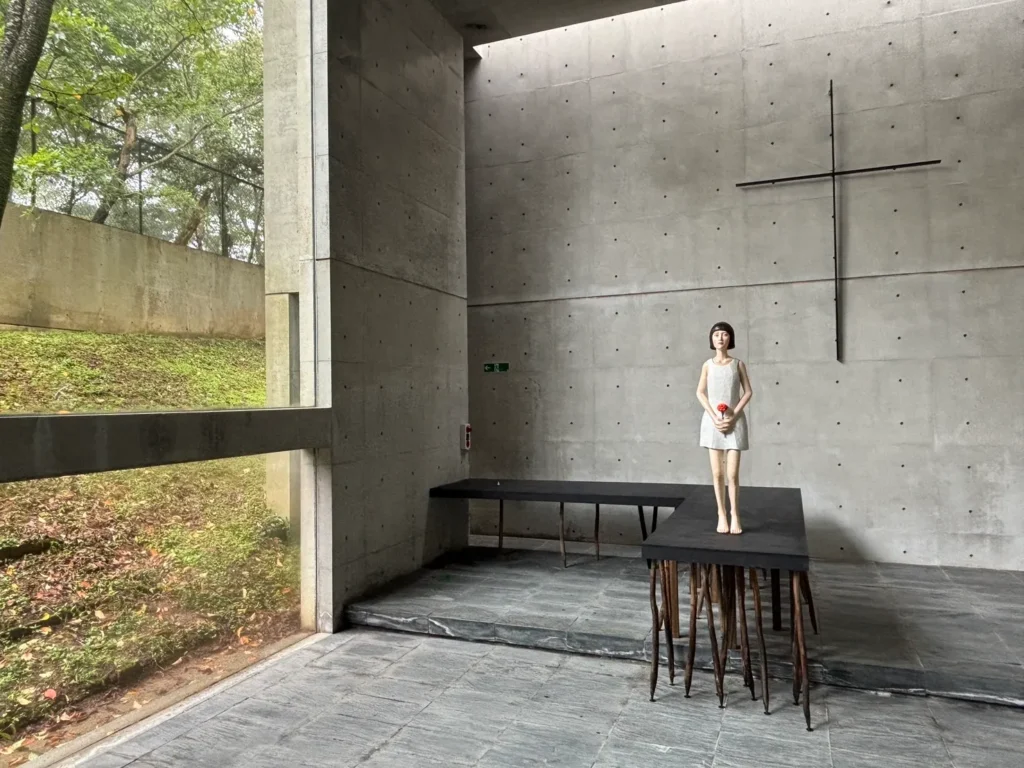
神户六甲艺术节 2026 年及以后|回顾与行程示例
Kobe Rokko Meets Art is an annual modern art festival that takes place at the top of Mt. Rokko in Kobe every year from late August to late November. This article will tell you how to enjoy the artworks in an efficient and satisfactory way, including how to get to the top of the mountain, what to wear, and some recommended spots. -INDEX- 1. About Mt. Rokko in Kobe – Only an hour away from Osaka 2. What is “KOBE ROKKO MEETS ART 2026 beyond”? 3. How to visit venues on Mt. Rokko of “KOBE ROKKO MEETS ART 2026 beyond” 4. Recommended Clothing and What to Bring of “KOBE ROKKO MEETS ART 2026 beyond” 5. Recommended artworks and time required for each area of “KOBE ROKKO MEETS ART 2026 beyond” (1) Rokko Cable(Rokko Cable Shita Sta.・Sanjyo Sta.) (2) Tenran Observatory (3) Hyogo Prefectural Mt. Rokko Visitor Center (Memorial Monument) (4) Rokkosan Silence Resort (Former Rokkosan Hotel) (5) Banno Sanso (6-1) Museum Area Rokko Musical Box Museum & Gardens MORINONE, Shinike Pond (6-2) Museum Area Rokko Alpine Botanical Garden (7) Mr.KAIHATSU’s cabin (8) Rokko Garden Terrace Area (9) Rokko-Shidare Observatory (10) Chapel of the Wind Area 6. Model route of “KOBE ROKKO MEETS ART 2026 beyond” 7. Recommendations for places to eat of “KOBE ROKKO MEETS ART 2026 beyond” (1) Sora no Dining (Rokkosan Silence Resort) (2) Mori no Cafe (Rokko Musical Box Museum & Gardens MORINONE) (3) Cafe Edelweiss (Rokko Alpine Botanical Garden) (4) Rokko View Palace (Rokko Garden Terrace) (5) Rokkosan Genghis Khan Palace (Rokko Garden Terrace) (6) Granite Café (Rokko Garden Terrace) 8. Souvenirs for KOBE ROKKO MEETS ART 2026 beyond The area of Mt. Rokko includes large and small mountains spanning the cities of Kobe, Ashiya, Nishinomiya, and Takarazuka in southeastern Hyogo Prefecture.The highest peak in this mountain range is Mt. Rokko which rises 931 meters above sea level. Although located near the urban area, Mt. Rokko is rich in nature. Click here to know more about Mt. Rokko. Mt.Rokko is conveniently accessible from Kobe Sannomiya and Osaka Umeda area. Get off at either Hankyu Railway Rokko Station, JR Rokko-michi Station, or Hanshin Electric Railway Mikage Station, and take Kobe City Bus No. 16 or 106 from in front of the station to Rokko Cable Shita Station, the entrance to Mt. It takes only 10 minutes to the top of the mountain by Rokko Cable. Rokko is located near Arima Onsen, one of Japan’s “Three Famous Hot Springs.” We recommend that you incorporate a visit to the hot springs. Arima Onsen is popular not only for its hot springs but also for strolling through the town and sampling the local cuisine! ▼Click here for more details▼ The 10 best food and sweets in Arima Onsen Town “KOBE ROKKO MEETS ART” is a contemporary art festival where visitors can enjoy artworks exhibited on the Rokko Mountain in Kobe while hiking around the mountain. Date: August 29, 2026 (Sat) – November 29, 2026 (Sun) Hours: 10:00-17:00 (varies by venue) *No closing day. Only the Rokkosan Silence Resort will be closed on Nov 24 and Mondays between August and November (except when Monday falls on a national holiday, in which case the museum is closed the following day) Venue: Rokko Musical Box Museum & Garden MORINONE, Rokko Alpine Botanical Garden, Rokko Garden Terrace area, Chapel of the Wind area, etc. If you’d like to visit “Kobe Rokko Meets Art”, be sure to purchase an Art Viewing Passport. If you purchase an Art Viewing Passport, you’ll get better value than buying tickets at each facility individually. While you can purchase the Art Viewing Passport at Shop 737, the Rokko Mountain Tourist Information Center, located inside Rokko Sanjo Station, we recommend taking advantage of the discounted online pre-purchase option. ≪Day Pass≫ ●Adult (13 years old and older) 3,300 yen ●Child (4 to 12 years old) 1,300 yen *Free for children 3 years old and under On Saturdays, Sundays, and holidays from September 19 to November 29, a light-up event called “Hikari no Mori – Night Art Stroll ” will be held at Rokko Musical Box Museum & Garden MORINONE and Rokko Alpine Botanical Garden. Prices with Night Pass are different. *No service from August 29 through September 18. ≪Day & Night Pass≫ ●Adult (13 years old and older) 4,300 yen ●Child (4 to 12 years old) 1,800 yen Besides, East-Rokko Round Trip ticket is recommended, which includes both the Rokko Cable and the Rokko Sanjo Bus. Since you will need to get on and off the bus frequently to visit each facility, buying this ticket will allow you to get on and off the bus many times without the need for coins, and the fare is very economical. The ticket can be purchased only at the Rokko Cable Station, so be careful not to forget to buy it. ≪East-Rokko Round Trip ticket≫ ●Adult (13 years old and older) 2,300 yen ●Child (6 to 12 years old) 1,500 yen The Rokko Sanjo Bus operates between the various facilities on the mountain. Bus schedules are available at each bus stop and on the MAP distributed at the site. Some areas do not have many buses, so we recommend that you check the bus schedule and decide how long you will stay. If you have trouble figuring out bus times, please refer to the model course to get around the area. While you may use credit cards for Rokko Sanjo Bus, IC cards are not accepted. If you are not comfortable with this, we recommend you purchase a “Rokko Sanjo Bus 1-DAY Ticket”. The ticket can be purchased at the Rokko Cable Sanjo Station. ●Adult (13 years old and older) 800 yen ●Child (6 to 12 years old) 400 yen If you purchase the “Rokko Mountain Bus 1-Day Ticket”, you can ride as much as you like on the routes marked ① and ③ in the photo. It’s about 5 degrees cooler on Mount Rokko than at the base. While it’s fine during the hot months of August through early September, it’s a good idea to bring a light jacket starting in mid-September. Since mountain weather can change quickly, we recommend wearing layers that are easy to put on and take off. Also, since you’ll be viewing the exhibits in a natural setting, you may encounter bees and other insects. It’s best to avoid wearing black clothing, as bees are attracted to it. The trail area follows forest roads, and some parts of the facilities include slopes and uneven paths, so please wear comfortable walking shoes such as sneakers. A backpack or similar bag that leaves both hands free is also recommended. ≪Clothing≫ ・Clothing that’s easy to put on and take off (a light jacket) ・Sneakers ≪Items to Bring≫ ・Backpack ・Drinks The following is an introduction to the nine venues of Kobe Rokko Meets Art 2026 beyond, among which (6) Museum Area Rokko Musical Box Museum & Gardens MORINONE, Shinike Pond and (10) Chapel of the Wind are highly recommended. Taking over the Rokko Cable Lower and Upper Stations in spectacular fashion is NISHIHARA☆Norio×KITAZONO Group ≪Breakout!! My room≫, a collaborative unit formed by sculptor Nishihara☆Norio and the musical sibling duo KITAZONO Group. On the platform at Rokko Cable Lower Station, visitors can enjoy watching and listening to the opening video for the art festival produced by KITAZONO Group, while three-dimensional works by Nishihara☆Norio are on display at both Rokko Cable Lower Station and Upper Station. Approximate viewing time: 15 minutes (Possible to enjoy during waiting for the cable car/bus) Three works are on display at the Tenran Observatory. Since there are more works than usual this year, we recommend setting aside a little extra time to view them. MIYAZAKI Hiroshi≪CELEBRATION / Vanitas of Borrowed Scenery≫ and Jun Nguyen-Hatsushiba≪ A Conversation Between Two Mountains — At the Funeral — Mt. Rokko and Mt. Bà Vì speaking —≫ offer wonderful views of the Kobe cityscape through the artworks. Since the atmosphere of the works changes depending on the weather and time of day on the day you visit, you’ll want to come back again and again. MIYAZAKI Hiroshi≪CELEBRATION / Vanitas of Borrowed Scenery≫ is an installation that expresses the transience and beauty of the ever-changing city and nature. It’s a work that allows visitors to enjoy watching how it evolves over the course of the exhibition. You’re also welcome to sit in the chair and take photos. The indoor installation at Tenran Observatory, titled ≪Gaaaze! Fooocus! Fairy Watching≫ is a work by INOUE Ryo, who writes lyrics, composes music, sings, and creates animations for famous Japanese TV Shows”Biju Tune!”. It’s a song that will stick in your head after just one listen—be sure to go check it out. Approximate viewing time: 40 minutes Two artworks are on display in this area. At the Hyogo Prefectural Mt. Rokko Visitor Center, you can learn about the origins, history, and flora of Mt. Rokko—all for free—and it’s also a great place to take a break. Plus, from the observation deck, you can enjoy a panoramic view of downtown Kobe and Kobe Airport. Approximate viewing time: 15 minutes The artwork is displayed in the restaurant “Sora no Dining” across the street from the main building. It is possible to enter the restaurant only to view the artworks, but since this is a special opportunity, we recommend that you dine in the space where the artworks are located. Approximate viewing time: 25 minutes Banno Sanso is a historic mountain lodge dating back to before World War II, but after many years, it is currently uninhabited. Although the lodge is not normally open to the public, visitors are welcome to explore it. We will be exhibiting two works at “Banno Sanso” and “Banno Sanso Hanare”, vacation homes that offer a glimpse into the history of Mount Rokko. There is no dedicated parking lot, so visitors arriving by car can walk about 5 to 10 minutes from the Memorial Monument Parking Lot. Visitors using the mountain bus will also need to walk from Memorial Monument to reach the site. Approximate viewing time: 40 minutes At the entrance to the ROKKO Forest Sound Museum—one of the venues in the museum area—is an artwork by YAMAMOTO Shuji≪Visitor Center in Mt.Rokko≫, which also serves as an actual information desk. Staff will be on duty there throughout the exhibition period, so we recommend stopping by here first to get some information before exploring the rest of the exhibition. At the Rokko Musical Box Museum & Gardens MORINONE, 12 artworks are displayed along a walking path that circles the grounds. In the pond just inside the entrance to “SIKI Garden” a cluster of Daisy Balloon ≪Between≫ balloons floats on the water. In addition, the permanent exhibition featuring NARA Yoshitomo Nara≪Peace Head≫ is also very popular. This work conveys the message that “humans, who tend to be arrogant, are part of nature—a greater force”. As you stand before the artwork amidst the natural beauty of Mount Rokko, take a moment to reflect on the fact that we, too, are part of nature. In the “Outdoor Art Zone” at the back of SIKI Garden, eight artworks are on long-term display, including FUNAI Misa≪Peeking into the forest, The mountain hole.≫ and Yayoi Kusama〈Pumpkin〉. *Exhibition date varies on different work In addition, there are plenty of places—such as the hammock area and treehouses—where you can enjoy the natural beauty of Mount Rokko beyond the art installations. Approximate viewing time: 90 minutes Single ticket: Adult (13 and over) 1,500 yen, Child (4~12 years old) 750 yen Just before entering the ROKKO Forest Sound Museum, at the New Pond next to the parking lot, Shohei Takasaki≪Untitled (August 24, 2026 / A Circle)≫ is on display. The work features 365 figures depicted on a panel measuring 150 meters in total length. When viewed from above, this large-scale piece takes the shape of the infinity symbol (∞), and viewing it from various angles reveals new discoveries. “Since so many different people are depicted, I hope you’ll come back again and again to make new discoveries”, said Mr.Takahashi. Be sure to pay attention to the reflections on the pond as well. *Shinike Pond is one of the venues in Museum Area. The Rokko Alpine Botanical Garden will serve as another venue in the Museum Area. As you walk down from the East Entrance and turn left, you’ll find MATSUI Shota≪Stone of “Saidan”≫ on display. Mr.Matsui is an artist who creates three-dimensional works using unprocessed stones collected from mountains and rivers; his pieces—featuring stones suspended in space or floating on water—have a mysterious quality that invites viewers to take a closer look. Don’t miss the works ABE Ayaka≪The Mountain Looks Back Through a Boar’s Crystalline Lens≫ and NORIMATSU Karin≪FLORA OF MIAKNVA≫ on display at Shop Alpicola; they’re well worth seeing. You may also enjoy the seasonal flowers and plants in the Alpine Botanical Garden as you stroll around the garden. Approximate viewing time: 50 minutes Single ticket: Adult (13 and over) 900 yen, Child (4~12 years old) 450 yen This is a small hut where artist KAIHATSU Yoshiaki exhibits his work. It is located in front of the GREENIA Adventure Park and is about a 5-minute walk from the Garden Terrace. Approximate viewing time: 15 minutes The Rokko Garden Terrace area has three restaurants, making it a convenient base for lunch and souvenir shopping. On the observation terrace—which offers a stunning view stretching not only over Kobe but all the way to Osaka—SHIKATA Kenichi≪Excavated Scenery≫ is on display. Against the backdrop of the panoramic view of Mount Rokkō, one large piece is featured, while a group of smaller works is scattered throughout the area. Approximate viewing time: 40 minutes You can now use the Passport to enter the Rokko-Shidare Observatory, also known as the “Shidare Museum”. This is the highest-altitude spot on Mount Rokko and was designed by SAMBUICHI Hiroshi. As soon as you enter, you’ll be greeted by KIMURA Takahito≪Wind and Migratory Birds≫. Two works are on display inside. DAITO Masaya≪Whereabouts of the soul≫, created by melting bottles, incorporates Ramune bottles from Kobe and stones from Mount Rokko. ●Adult (13 years old and older) 1,000 yen ●Child (4 to 12 years old) 500 yen Approximate viewing time: 15 minutes One of the works you should not miss is TANADA Koji≪Crossing the Bridge Beyond Reach≫ at Tadao Ando’s “Chapel of the Wind”. The Chapel of the Wind is one of a trilogy of chapeles designed by architect Tadao Ando, along with the Chapel of Water and the Chapel of Light. The approach to the building is beautiful. He said he created it not to rival Mr. Ando’s architecture, but so that architecture and sculpture would blend together. There are four artworks on display along the way to the church. Some of them are placed in spots where you have to peer in to see them, so be sure not to miss them. In addition, you can view 10 artworks at the former Rokko Sky Villa nearby. Inside the church, you will find Takahiro Iwasaki’s Floating Lanterns. Within the solemn atmosphere of the church architecture, he has created delicate structures that look as if they might float lightly into the air. Approximate viewing time: 90 minutes Finally, for those who have trouble figuring out bus connections, or would like to go but access is a bottleneck, here is a model route on the mountain. Recommended for first-time visitors to Rokko Meets Art! A tour focusing on “free” artworks <START> 11:40 Departure: Rokko Cable Car Sanjyo Sta. (Rokko Sanjo Bus Route 1) ↓ 11:43 Arrival: Hyogo Prefectural Mt.Rokko Visitor Center(Memorial Monument) ・From the observation terrace, you can enjoy a panoramic view of downtown Kobe and Kobe Airport. ↓ 5-minute walk 11:50 Arrival: Rokko Mountain Silence Resort (formerly Rokko Mountain Hotel) ↓ 5-minute walk 12:43 Departure: Hyogo Prefectural Mt.Rokko Visitor Center(Memorial Monument)(Rokko Mountain Bus Route 1) ↓ 12:49 Arrival: Rokko Garden Terrace ・There are three restaurants here, so we recommend having lunch here. ↓ 14:17 Departure: Rokko Garden Terrace (Rokko Mountain Bus Route 1) ↓ 14:24 Arrival: Rokko Cable Car Sanjyo Sta. A One-Day Itinerary to Enjoy the Highlights Using Your Passport <START> 11:40 Departure: Rokko Cable Car Sanjyo Sta. (Rokko Mountain Bus Route 1) ↓ 11:49 Arrival: Rokko Garden Terrace ・There are three restaurants here, so we recommend having lunch here. ・Be sure to experience the Rokko-Shidare Observatory! ↓ 13:17 Departure: Rokko Garden Terrace (Rokko Mountain Bus, Route 1) ↓ 13:20 Arrival: Rokko Musical Box Museum & Gardens MORINONEt ・Combined, Rokko Musical Box Museum & Gardens MORINONE and the Rokko Alpine Botanical Garden take about 2.5 hours. Since this will be a somewhat rushed tour, we recommend visiting the Church of the Wind on a separate day if you’d like to take your time. ・Don’t miss the Shinike near the parking lot or Yayoi Kusama. ↓ Walk: About 5 minutes ↓ Rokko Alpine Botanical Garden ・Enjoy the artworks as you walk from the West Entrance toward the East Entrance. The bus stop for the Church of the Wind is right by the East Entrance. 16:03 Departure: Rokko Alpine Botanical Garden (Rokko Mountain Bus Route 3) ↓ 16:06 Arrival: Church of the Wind From September 19 to November 29, on weekends and holidays, the night event is held. We recommend taking the bus from the Church of the Wind (departing at 16:29) back to the Alpine Botanical Garden to enjoy the evening event starting at 17:00. ↓ 16:46 Departure: Church of the Wind (Rokko Mountain Bus Route 3) Take the Rokko Cable down to the bottom station, and then transfer to a Kobe City Bus to Hankyu Railway Rokko Station. It only takes about 10 minutes to Kobe Sannomiya Station and about 30 minutes to Osaka Umeda Station. ▼Check this article▼ 10 Delicious Gourmet Foods in Kobe! Local Specialties and Local Foods Recommended by Locals 7 Osaka Umeda Night Activities. Enjoy the night in the city with bars, cafes and night views! During the art festival, restaurants and cafés within the venue will offer special limited-time menus. Visitors can savor dishes made with ingredients unique to Mount Rokko. This dining room overlooks Osaka and Kobe. Lunch is mainly courses, and is recommended for those who can take their time. It is also open until 8:00 p.m. (last entry at 7:00 p.m.), so it can be used as a dinner after sightseeing. Located inside the Rokko Musical Box Museum & Gardens MORINONE, this café offers semi-self-service one-plate lunches and café menu items. There is also seating outside, so it is pleasant to eat on the terrace when the weather is nice. Kobe Beef Hamburger Steak with Melting Cheese Gratin (Served with Rice, Salad, and Pumpkin Soup) 2,000 yen (tax included) A juicy Kobe beef hamburger steak topped with white sauce and cheese and baked to perfection. This delightful dish combines the rich flavor of the cheese with the savory umami of Kobe beef. Other plans include a reservation plan with lunch for a private use of the park’s 360-degree transparent “SIKI Dome,” which is recommended for those who want to spend a relaxing time at the Rokko Musical Box Museum & Gardens MORINONE. More details about reservation of SIKI Dome please click here There are two entrances to the Rokko Alpine Botanical Garden, and Café Edelweiss is located near the east entrance. We recommend the terrace seats overlooking the trees of the botanical garden. This semi-self-service restaurant offers a casual Western menu of curry rice, hamburgers, stews, and other dishes. Seats by the window overlook the cityscape of Kobe. Many Japanese people probably associate Mt. Rokko with Genghis Khan. It has been a specialty of Mt. Rokko since ancient times. Enjoy the view from the mountain while eating Genghis Khan. This café offers chef’s special dishes and sweets made with seasonal ingredients. You can enjoy curry and hamburgers made with “Yamamitsu,” honey from Mt. Rokko. Original Kobe Rokko Meets Art merchandise is available at five shops within the venue: ・Rokko Yusan Guidebook Shop 737 ・Museum Shop Tokine ・Shop Alpicora ・Official Art Shop Holti ・Rokko Souvenir Shop A recommended stop is the Official Art Shop Horti, located in the Rokko Garden Terrace area. Inside the spacious two-story shop, you’ll find everything from original event merchandise to a wide variety of Rokko Mountain goods. This is an event exclusive to autumn where you can enjoy art along with the beautiful natural scenery of Mount Rokko. We hope you’ll make it a point to visit every fall.
-

日本11种最佳秋季花卉|玫瑰、大丽花、波斯菊和地肤
From the end of the hot summer to the beginning of the fall foliage, pretty flowers bloom beautifully under the fresh blue sky. There are many colorful and beautiful sights unique to this season. In addition to introducing typical autumn flowers and plants, we will also introduce autumn flower spots in the Kansai region. The best time to see the flowers is only a guide, so please check the web before you go. 【Cosmos】Best time to visit: early October to early November (NARA)HANNYAJI (HYOGO・AMAGASAKI)Mukogawa Hige no watashi cosmos garden (OSAKA)Toyono Cosmos-no-sato (OSAKA)Tsurumi Ryokuchi Park 【Kochia】Best time to visit: Early October to late October (OSAKA)Expo ’70 Commemorative Park (HYOGO)Kobe Nunobiki Herb Garden (SHIGA)Biwako Hakodateyama 【Dahlia】Best time to visit: early October to early November (HYOGO・TAKARAZUKA)Takarazuka Dahlia Garden 【Rose】Best time to visit: Mid-October to early November (HYOGO・ITAMI)Aramaki Rose Park (HYOGO・SUMA)Kobe Suma Rikyu Park (OSAKA)Nakanoshima Rose Garden The cosmos is a typical Japanese autumnal flower. Blooming in the autumn sky, swaying gently in the wind, cosmos make a magnificent sight when planted in clusters. They come in a variety of colors, including pink, red, white, and yellow. Hannya-ji Temple is known as a temple where flowers bloom from season to season. It is especially famous for its cosmos in autumn and is nicknamed “Cosmos Temple”. About 150,000 cosmos trees of 30 different varieties are planted, and when they are in full bloom, the cosmos flowers look as if they are enveloping the old hall and stone Buddha, creating a charming atmosphere. Glittering glass cubes of cosmos are placed here and there in the precincts of the temple. These glass squares are decorated with cosmos flowers floating in water, looking like jewels. The Mukogawa Hige no watashi cosmos garden was established in 2003. The riverbed, which was once in disrepair, has been transformed into a magnificent cosmos garden through the efforts of local residents. It has now become a well-known cosmos garden, attracting many visitors every year. From mid-October to mid-November, when the cosmos are in full bloom, a carpet of approximately 5.5 million brightly colored cosmos will spread over the riverbed. The cosmos garden was started by flower enthusiasts about 30 years ago, and is a popular cosmos viewing spot that attracts many tourists and photographers from within and outside of the prefecture. The handmade, warm space and atmosphere are also attractive. About one million cosmos bloom all over the approximately 1 hectare park. Visitors can take pictures of themselves completely enveloped by the tall cosmos, which are about the height of an adult. At the Windmill Hill in Tsurumi Ryokuchi Park, there are about 10,000 cosmos flowers in bloom. In addition, there are various types of plants such as roses and metasequoia trees, and families and couples can relax and enjoy themselves. Within the park, there are cafes such as Komeda Coffee and Starbucks, and you can also bring your own lunch and eat it on the benches in the park. To the northwest of Tsurumi Ryokuchi Park, there is “Children’s Forest” and “Tsurumikko Park,” which feature composite play equipment for children aged 3 to 12. Additionally, just outside Tsurumi Ryokuchi Park Station, there is the natural hot spring “Tsurumi Ryokuchi Park Onsen Suisyun,” making it a great place to enjoy a full day with your family. Kochia is a unique and lovely plant with a fluffy appearance that multiplies very well. At first it is green, but in autumn its leaves turn red, a very vivid and beautiful red. The kochia at the National Hitachi Seaside Park in Ibaraki Prefecture is a popular sightseeing spot in autumn. The kochia trees growing in clusters over a large area are a spectacular sight. Since 2022, about 4,000 kochia plants have been planted in Osaka’s Expo ’70 Commemorative Park on the hill of flowers, and as of the end of September, they are gradually changing color. This fall, the “Cosmos Kochia Festa” will be held from October 4 through November 3, where visitors can enjoy autumn flowers. We are looking forward to seeing the kochia that have grown so well over the summer turn bright red when autumn arrives. ▼Click here for more information about the park▼ Expo ’70 Commemorative Park is a great place to visit in Osaka! Highlights Explained! Kobe Nunobiki Herb Garden is located just a short distance from downtown Kobe and Kitano Foreigner’s House. Take the ropeway for a 10-minute ride while enjoying the view of Kobe’s cityscape below. The garden welcomes visitors with approximately 200 varieties and 75,000 plants of herbs and flowers throughout the four seasons. The fluffy kochia and the view of Kobe’s cityscape can only be enjoyed at the Kobe Nunobiki Herb Garden. Biwako Hakodateyama in Shiga can be enjoyed as a ski resort in winter. In summer and fall, numerous seasonal flowers delight visitors. Hakodateyama Kochia Park has 6,000 kochia trees planted along its slopes. Not only kochia but also colorful flowers are in full bloom and the park is filled with flowers. Hakodateyama is reached by gondola with a view of Lake Biwa. From the terrace with chairs on the observation deck, where a large panorama spreads out, you can see Lake Biwa and the flower garden below. Dahlias have great presence and power! Their large, bright flowers make their surroundings pop with color. They are popular not only for bouquets and arrangements, but also for gardening. The flowers come in a great variety of blooming styles, colors, and shapes. At Takarazuka Dahlia Garden, about 20,000 dahlias of 50 varieties are grown, and visitors can appreciate the colorful red, yellow, pink, and other flowers. The northern part of Takarazuka City is one of the largest dahlia bulb-producing areas in Japan, and the dahlia has been recognized as Takarazuka’s city flower. Dahlias bloom twice a year, in summer and fall. Takarazuka Dahlia Garden will be open for a limited time from mid-July to early August in summer and from early October to early November in fall. Opening dates: October 1 – November 3, 2026 The number of rose varieties is very large, ranging from 30,000 to 100,000 and even more. These flowers bloom twice a year, in spring and fall, and delight us with their many varieties and colors, including white, red, pink, yellow, and blue. About 250 varieties of roses from around the world, 10,000 of them, bloom and fragrance the entire 1.7 hectare area of the garden. The “Amatsu Otome” and “Madame Viollet,” both born in Itami, are world-famous. The antique brick masonry plantings, columns, and white walls give the building a Southern European atmosphere and enhance the beauty of the roses. Kobe Suma Rikyu Park is a park overlooking the city of Kobe and Osaka Bay. The rose garden, said to be one of the best in the Kansai region, has about 300 varieties and 4,000 rose bushes in bloom, allowing visitors to enjoy colorful flowers and rich fragrances. The best time to see autumn roses is usually from mid-October to mid-November. In addition to roses, Kobe Suma Rikyu Park features a field athletics area, a rest house, and an eastern plant garden zone with an observation greenhouse, flower gardens, Japanese-style rooms, and Japanese-style gardens, making it an ideal spot to spend the day with family or friends. Located between the Dojima River and the Tosabori River, this is one of the best places in Osaka for roses. The “Rose Path” along the river and the rose garden are filled with 3,700 roses of about 310 varieties, including modern roses and English roses. Located one stop from Osaka Umeda Station, the park is surrounded by buildings and colorful roses. You can buy a box lunch and eat it in the park, or there is a café with terrace seating on the opposite side of the rose garden where you can overlook the entire rose garden. ▼Click here for details on Nakanoshima Park▼ Nakanoshima Park and Recommended Nearby Attractions How was it? Autumn in Japan is the season of colored leaves, but there are many other places where you can enjoy autumn flowers and plants. Autumn is the perfect season to go out. Enjoy the beautiful autumn scenery that can only be seen at this time of year!
-
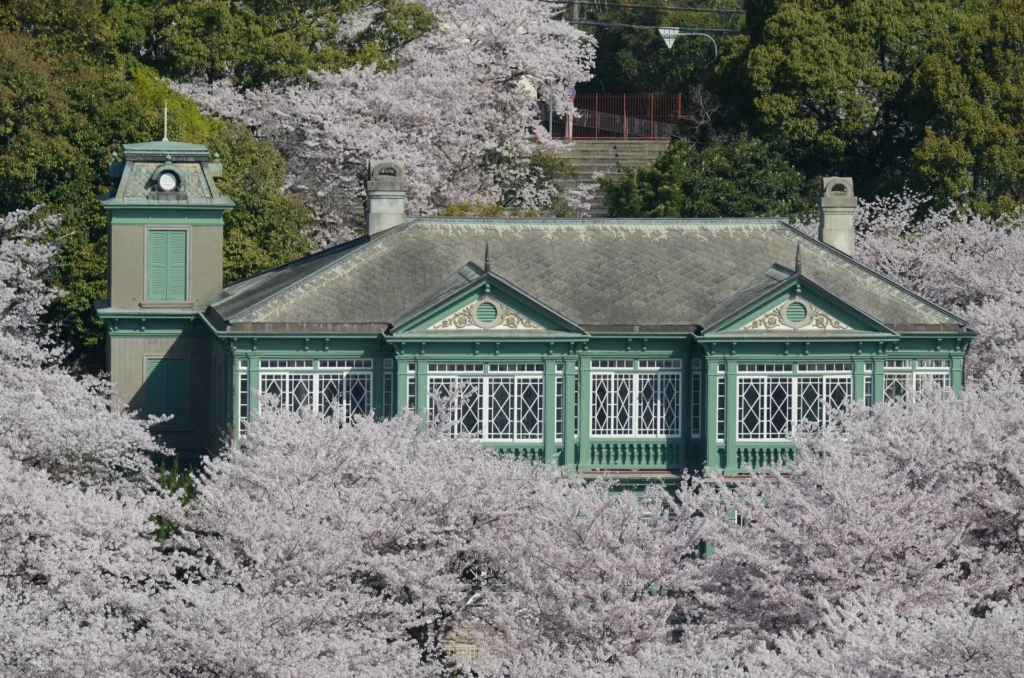
神户王子公园周边一日游完整指南 | 王子动物园、复古商店街和温泉一日游完美行程
When you think of Kobe, you may picture its beautiful harbor, elegant historic streets, and chic Western-style atmosphere. But if you’d like to experience local Japan away from the typical tourist attractions, the Oji Park area is the perfect place to visit. In this guide, we’ll introduce a one-day itinerary where you can experience the best of everyday local life and culture—from meeting adorable animals at the zoo and exploring a nostalgic shopping street frequented by local residents to relaxing in a natural hot spring and soothing your travel-weary body. Index 1. What Is the Oji Park Area Like? 2. Spend the Morning for Adorable Animals at Oji Zoo 3. Explore the Local Suido-suji Shopping Street in the Afternoon 4. [Retro Cafe] Café Donie for Lunch 5. For Drinks Lovers: Enjoy a Drink Along the Shopping Street ① [Japanese Sake] Standing Bar Wa-in ② [Craft Beer] Brasserie a Route 6. End Your Day with a Relaxing Soak in Natural Hot Springs at Nada Onsen Suido-suji 7. A Bonus Spot If You Have Time: Yokoo Tadanori Museum of Contemporary Art Located just about 5 minutes by train from Sannomiya, Kobe’s central district, the area around Oji Park is a peaceful, leafy residential neighborhood set against the backdrop of Mount Rokko. It’s an ideal area for travelers who want to escape the crowds of major tourist attractions, mingle with locals, enjoy delicious food, and experience authentic everyday Japanese life and culture. Access: Just steps from Oji-koen Station on the Hankyu Kobe Line. Start your day at Kobe Oji Zoo, located just a short walk from the station. Spread across a spacious site, this popular zoo is home to a wide variety of animals. At Oji Zoo, you can meet around 120 species, including Asian elephants, giraffes, polar bears, and penguins. There is also a petting area where you can interact with adorable animals such as rabbits and guinea pigs, as well as an educational museum where you can learn about animal behavior and how they are cared for, making it a great place to spend a few hours. One of the biggest highlights at Oji Zoo is the koala. A baby koala was born in December 2025 and is growing healthy under the watchful eyes of its family and keepers. If you’re visiting the koala area, aim for the feeding time from 1:00 p.m. You may even get the chance to see a koala making a rare jump! The zoo is also home to some unusual animals, including the bobcat, a member of the lynx family that can only be seen at Oji Zoo in Japan, as well as the Tibetan brown bear, a relatively small species of bear. Another fun feature is the retro amusement park within the zoo grounds, which makes a great backdrop for nostalgic photos. If you’re visiting in spring (late March to early April), don’t miss the approximately 480 cherry trees blooming throughout the zoo. Evening illumination events are also held during the cherry blossom season, offering a magical way to experience the beauty of spring in Japan. After exploring the zoo, head to Suido-suji Shopping Street, just a few minutes away on foot. With a history spanning more than 100 years since the Taisho era (1912–1926), this lively shopping street retains the nostalgic atmosphere of old Japan. It was named “Suido-suji” because a water supply pipe runs beneath the shopping street. Stretching for about 500 meters, the covered arcade is lined with around 120 independent shops, including greengrocers, fishmongers, daily goods stores, and delicatessens that cater to the everyday needs of local residents. From the cheerful calls of shopkeepers to locals chatting as they shop with bags in hand, you’ll get a glimpse of authentic everyday life in Japan that you won’t find in a typical guidebook. As you explore the shopping street, it’s time to stop for lunch. Here, we’ll introduce a popular Japanese cafe on Suido-suji Shopping Street. Unlike chain coffee shops, kissaten are traditional Japanese cafés that have developed their own unique style and culture over the years. Located along Suido-suji Shopping Street, Café Donie is a charming kissaten with a long history, having first opened in 1945. Step inside, and you’ll feel as though you’ve traveled back to nostalgic Japan. Beautiful vintage-style interiors and a warm, wood-accented atmosphere create a wonderfully relaxing space. Savoring a cup of siphon-brewed coffee, carefully prepared one cup at a time, is a special experience in this dreamy setting. Be sure to try some classic dishes and desserts that are uniquely associated with Japanese kissaten, such as Napolitan spaghetti, a Japanese-style pasta dish, and purin à la mode, an artistic dessert featuring pudding beautifully arranged with fruit and whipped cream. As the sun begins to set, head to one of the unique bars along Suido-suji Shopping Street for a drink in a relaxed, local atmosphere. Japan has a unique bar culture called tachinomi, where people enjoy drinks while standing at a counter rather than sitting at a table. Embracing this traditional style, Wa-in is a stylish standing bar where you can casually enjoy a wide selection of Japanese sake paired with authentic Japanese tapas. The owner’s passion for sake can be felt throughout the bar, from tables made from sake barrels to the tradition of opening a new sake bottle on the first day of every month. One of the best things about the standing-bar style is the opportunity to casually chat with people nearby while enjoying a glass of sake. It’s a wonderful way to experience the kind of spontaneous, friendly interaction with local residents that you can only find in a neighborhood bar. At Brasserie a Route, you can enjoy a variety of craft beers brewed with spring water from Mount Maya in Kobe. The bar’s original beers are brewed in an on-site brewery built inside what was once a clothing store, giving the space a unique local character. One of the best things about Brasserie a Route is its relaxed approach to food: you’re welcome to bring in food purchased from independent shops along Suido-suji Shopping Street and enjoy it with your beer. Pick up some deli dishes from a local fishmonger or a freshly fried croquette from a butcher, then pair them with a craft beer you can only enjoy here. It’s a wonderfully authentic way to experience the community spirit of the shopping street, one drink and one local bite at a time. Finally, wrap up your day at Nada Onsen Suido-suji, a beloved hot spring known as one of Kobe’s local hidden gems and cherished by hot spring enthusiasts across Japan. Here, you can soak in a natural hot spring featuring carbonated mineral-rich water that rises from underground. The hot spring at Nada Onsen is popular as a “beauty bath” that warms you from the inside out and leaves your skin feeling smooth and refreshed. It’s also a favorite among locals, with visitors often lining up every day. The spacious far-infrared sauna and cold-water bath fed by underground water from the foothills of the Rokko Mountains are also popular features. The owner of Nada Onsen is also actively working to make the facility more welcoming to international visitors, including providing an English-language brochure explaining the facilities and how to enjoy the bath. With a warm welcome for overseas travelers who want to experience Japan’s traditional sento (public bath) culture, the facility is also family-friendly and welcomes guests with children. Why not end your day with a relaxing soak and experience a peaceful moment of local Japanese life? Please note that the English brochures are available in limited quantities. If you’re interested in art, be sure to stop by the Yokoo Tadanori Museum of Contemporary Art, located just a short walk from Oji-koen Station. The museum showcases the bold and psychedelic works of Tadanori Yokoo, one of Japan’s most internationally renowned graphic designers and contemporary artists. Its creative atmosphere pairs perfectly with the artistic inspiration found throughout the zoo, making it a hidden gem that’s particularly popular among art lovers from overseas. ▼Also check here▼ 10 BEST Museums and Art Galleries in Kobe The Oji Park area of Kobe offers something you simply can’t experience by visiting tourist attractions alone: a chance to connect with the warmth of local communities and get a genuine feel for everyday life in Japan. Take your time strolling through the neighborhood, soak up the atmosphere of authentic Japan, and discover some special memories of your own.
-

神户一日游|阪急电车沿线神户神社巡游
-

六甲山, 神户-1 Day Trip|尽情享受全景和充满自然气息的六甲山喔!
-

有马温泉一日游|享受温泉、美食与丰饶大自然!
-

神户一日游|享受时尚港口城市神户♡
-

梅田~宝冢-1日游|下雨天也可以和孩子一起游玩的推荐景点!