โอซาก้า
โอซาก้ามีทุกอย่างที่คุณต้องการ ตั้งแต่อาหารรสเลิศไปจนถึงการช็อปปิ้ง!!
แวะช้อปปิ้งที่แหล่งช้อปปิ้งที่มีชื่อเสียงใกล้สถานีรถไฟหลัก และลิ้มรสอาหารท้องถิ่นที่เป็นเอกลักษณ์ เช่น ทาโกะยากิและโอโคโนมิยากิ


บทความที่เกี่ยวข้อง
-
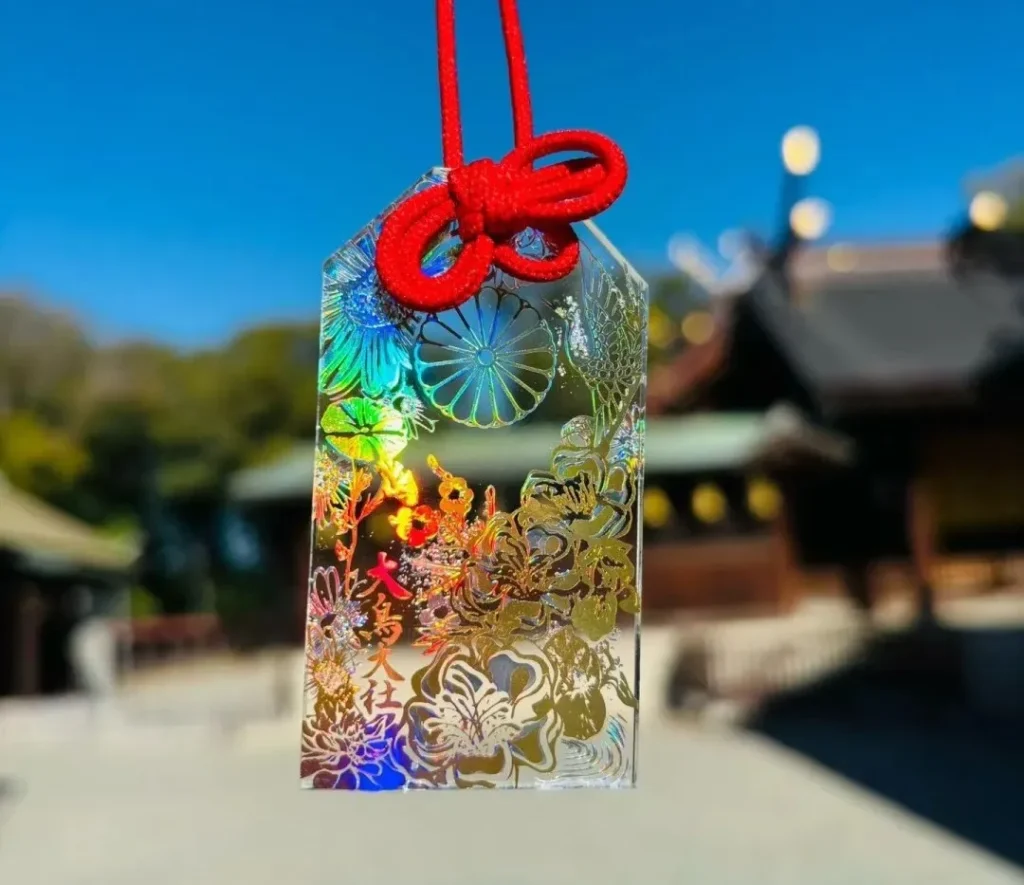
6 ศาลเจ้าที่ควรไปเยือนในโอซาก้าและเกียวโต สำหรับเทรนด์ “โอมาโมริโปร่งใส” บนโซเชียลมีเดีย
Have you heard about the “transparent omamori” that have recently gone viral on Japanese social media for their breathtaking beauty? Unlike traditional fabric charms, these clear, skeleton-style omamori feature delicate embroidery or lace designs, offering a refined elegance that feels almost spiritually uplifting just to carry. In this article, we introduce shrines in Osaka and Kyoto where you can receive these stylish and meaningful charms. From customizable designs to those with unique blessings, discover a wide variety of fashionable yet auspicious omamori to suit your personal taste. Index 1. [Osaka] Hokoku Shrine – A power spot within Osaka Castle 2. [Osaka] Otori Taisha Shrine – Cute charms symbolizing a clear future 3. [Osaka] Tsuyunoten Shrine (Ohatsu Tenjin) – Get a one-of-a-kind charm 4. [Kyoto] Shimogamo Shrine – Popular delicate lace charms 5. [Kyoto] Mikami Shrine – Japan’s only shrine dedicated to the god of hair 6. [Kyoto] Heian-Jingu Shrine – Choose charms in your favorite color Hokoku Shrine Osaka enshrines the great warlord Toyotomi Hideyoshi, who rose from humble origins to become one of Japan’s most powerful leaders. The shrine is well known for its blessings of success, career advancement, and protection from misfortune. Located within Osaka Castle Park, it’s a perfect stop to visit alongside sightseeing at Osaka Castle. Inspired by the in-house Wakunaga Shrine, the popular “Kagayaki Mamori” (Radiance Amulet) carries the wish for “eternal youthfulness and lasting beauty.” Its charming embroidered design, featuring a plant that always grows upward in search of sunlight, symbolizes positivity and vitality, making it a beloved talisman for beauty, health, and longevity. Otori Taisha Shrine is a historic and prestigious shrine known as the Ichinomiya (highest-ranked shrine) of the former Izumi Province. It enshrines the legendary hero Yamato Takeru and Otorinomuraji no Oyagami. Based on the many tales of Yamato Takeru overcoming great challenges, the shrine is believed to grant blessings for victory and protection from misfortune. Its clear acrylic omamori, symbolizing the idea of “seeing clearly into the future,” has become a huge hit on social media. It is said that if you hold the charm up toward the main hall and take a photo, it brings even greater blessings. When held to the light, the design shines in rainbow colors, as if illuminating your path ahead with good fortune. Tsuyunoten Shrine—affectionately known as Ohatsu Tenjin—is famous as the setting of Chikamatsu Monzaemon’s masterpiece Sonezaki Shinju (The Love Suicides at Sonezaki). Inspired by the deep love of the story’s protagonists, the shrine has become a well-known spot for love and relationship blessings, attracting many visitors. One of its highlights is the “Momoiro Omamori”, which allows you to create your own personalized charm. You can choose from over 50 types of delicately embroidered pouches and combine them with a wish card of your choice. Since the embroidery designs are updated regularly, you can create a one-of-a-kind omamori that is truly unique to you. Shimogamo Shrine is one of the oldest shrines in Kyoto and is registered as a UNESCO World Cultural Heritage site. It enshrines Kamo Taketsunumi no Mikoto, the deity said to have helped develop ancient Kyoto, and Tamayori Hime no Mikoto, a goddess associated with mystical legends. The shrine is widely known for its blessings related to love, safe childbirth, and beauty. Its “lace omamori”, created to bring good fortune and happiness, has become especially popular among women. Featuring delicate embroidery on a transparent fabric, the design is said to embody the wish that the divine power of the gods can be received more strongly, making it both a beautiful and meaningful charm. Mikami Shrine is located near the famous bamboo grove in Arashiyama and is the only shrine in Japan dedicated to the god of hair. The enshrined deity is Fujiwara no Masayuki, a real historical figure from the Kamakura period who served as an official court hairdresser. Today, professionals in the beauty and hair industry, as well as those wishing for beautiful, healthy hair, visit from all over Japan. One of its most popular charms is the “Fukugami Mamori”, featuring a transparent pouch with motifs of scissors and combs. Since ancient times, combs have been considered protective items against evil, and well-maintained hair is said to attract good fortune. This charm is cherished for its blessings of protecting hair health and enhancing its beauty and shine. Heian Jingu Shrine is one of Kyoto’s most iconic shrines, known for its massive torii gate set against the blue sky and its vivid vermilion shrine buildings. It enshrines Emperor Kanmu, who moved the capital to Kyoto in 794, and Emperor Komei of the late Edo period. The shrine is believed to offer a wide range of blessings, including protection from misfortune, love and relationships, and academic success. Its beautifully translucent “Kanau Mamori” (Wish-Granting Charm) features designs inspired by weeping cherry blossoms and irises found within the shrine grounds. The charm strings come in 10 different colors, allowing you to choose your favorite—or even your oshi (favorite idol or character) color. It’s a stylish and meaningful charm, perfect for adding a personal touch to your visit and even supporting your oshi-katsu! Transparent omamori, with their delicate and beautiful appearance, make wonderful souvenirs that are sure to be appreciated. After taking a moment to clear your mind through shrine visits, why not bring home a piece of that experience in the form of a beautifully crafted charm? ▼Check these articles▼ 8 Must-Visit Shrines in Kobe: Perfect to Pair with Nearby Attractions Unusual red seals and good luck charms! 12 Shrines and Temples in Kansai related to the Chinese Zodiac
-

7 ที่ชมการประดับไฟดอกซากุระ ในเกียวโต โอซาก้า และเฮียวโก ผ่านคืนฤดูใบไม้ผลิของญี่ปุ่นที่ยอดเยี่ยม
ดอกซากุระเป็นส่วนสำคัญของทิวทัศน์ฤดูใบไม้ผลิในญี่ปุ่น หลายคนเลือกมาเที่ยวญี่ปุ่นในช่วงฤดูดอกซากุระบานเพื่อชื่นชมทิวทัศน์ แม้ว่าการไปชมจุดชมดอกซากุระที่มีชื่อเสียงในเวลากลางวันจะน่ารื่นรมย์ แต่ทิวทัศน์อันงดงามของดอกซากุระที่ส่องสว่างในเวลากลางคืนก็งดงามไม่แพ้กัน บทความนี้จะแนะนำสถานที่ในเกียวโตและเฮียวโกะที่สามารถชมดอกซากุระที่ส่องสว่างในเวลากลางคืนได้ 🌸พยากรณ์ดอกซากุระปี 2026🌸 ฤดูดอกซากุระที่รอคอยมานานได้เริ่มต้นขึ้นแล้ว เมื่อวันที่ 19 มีนาคม องค์การอุตุนิยมวิทยาแห่งประเทศญี่ปุ่น (JMC) ได้เผยแพร่พยากรณ์ดอกซากุระครั้งที่ 9 สำหรับฤดูกาลปี 2026 ด้วยฤดูใบไม้ผลิที่อบอุ่น คาดว่าดอกซากุระจะบานเร็วกว่าปกติทั่วประเทศ! *โปรดทราบว่าค่าเข้าชมและค่าธรรมเนียมสำหรับการชมดอกซากุระที่ส่องสว่างในเวลากลางคืนอาจแตกต่างจากค่าเข้าชมปกติ -สารบัญ- 【เกียวโต】ปราสาทนิโจ มรดกโลก/งานชมซากุระยามค่ำคืนที่ปราสาทนิโจ ปี 2026 【เกียวโต・ฮิงาชิยามะ】วัดเซนโคไดจิ/ทางเข้าพิเศษชมซากุระยามค่ำคืน (ประดับไฟ) 【เกียวโต・ฮิงาชิยามะ】งานประดับไฟฤดูใบไม้ Heian Jingu Shrine /ซากุระโอโยโย ปี 2026 【โอซาก้า】สวนอนุสรณ์เอ็กซ์โป 70/ต้นซากุระเรียงรายตามถนนฮิงา Shukugawa จิ ประดับไฟ 【เฮียวโกะ・นิชิโนมิยะ】สวนชูคุกาวะ/งานประดับไฟซากุระคุราคุเอ็นเฮียวโกะ・ฮิเมจิ】ปราสาทฮิเมจิ/งานชมซากุระยามค่ำคืนที่ปราสาทฮิเมจิ วันที่: วันพฤหัสบดีที่ 19 มีนาคม 2026 – วันอาทิตย์ที่ 19 เมษายน 2026 ปราสาทนิโจ ซึ่งเป็นมรดกโลก เป็นที่ตั้งของต้นซากุระประมาณ 300 ต้น จาก 50 สายพันธุ์ ดอกซากุระมักจะบานเพียงช่วงสั้นๆ แต่ช่วงเวลาการบานของต้นซากุระที่ปราสาทนิโจนั้นแตกต่างกันไปตามสายพันธุ์ ทำให้ผู้มาเยือนสามารถเพลิดเพลินกับดอกซากุระได้นานถึงหนึ่งเดือน กิจกรรมยามค่ำคืน “Nijo-jo Castle 2026 SAKURA NIGHT” จะจัดขึ้น โดยจะมีกิจกรรมพร้อมกัน 4 อย่างในช่วงเวลานั้น 1. ปราสาทนิโจซึ่งเป็นมรดกโลก × โรงละครแบบอินฟินิตี้ “Shirogeki” ผลงานของผู้กำกับที่ได้รับรางวัล Japan Academy Prize *จำนวนวันมีจำกัด โปรดตรวจสอบเว็บไซต์อย่างเป็นทางการล่วงหน้า 2. การชมวิวพระราชวังนิโนมารุซึ่งเป็นสมบัติแห่งชาติในยามค่ำคืน 3. การฉายภาพโปรเจ็กชั่นแมปปิ้ง ดอกซากุระและแสงไฟ 4. เพลิดเพลินกับอาหารเกียวโตและงานหัตถกรรมดั้งเดิมท่ามกลางดอกซากุระยามค่ำคืน สัมผัสประสบการณ์การชมวิวยามค่ำคืนอันเงียบสงบภายในพระราชวังนิโนมารุซึ่งเป็นสมบัติแห่งชาติ และเพลิดเพลินกับการฉายภาพโปรเจ็กชั่นแมปปิ้ง ที่ซึ่งประวัติศาสตร์และศิลปะดิจิทัลล้ำสมัยผสานกัน โดยมีกลีบดอกซากุระเป็นลวดลายหลัก เวลาจัดงาน: 18:00–22:00 น. (เข้าชมรอบสุดท้ายเวลา 21:00 น.) ▼ตรวจสอบบทความนี้▼ 5 ปราสาทในโอซาก้า เกียวโต และเฮียวโกะ ตั้งแต่แหล่งมรดกโลกไปจนถึงปราสาทใหม่ล่าสุด สถานที่ท่องเที่ยวที่ควรไปเยี่ยมชม วันที่: วันศุกร์ที่ 13 มีนาคม 2026 – วันพุธที่ 6 พฤษภาคม 2026 ฮิกาชิยามะเป็นหนึ่งในสถานที่ท่องเที่ยวที่ได้รับความนิยมมากที่สุดในเกียวโต วัดโคไดจิเซนเป็นหนึ่งในวัดที่ได้รับความนิยมมากที่สุด ในช่วงเวลานี้ บริเวณวัดทั้งหมด รวมถึงศาลา สวน และป่าไผ่ จะถูกประดับประดาด้วยแสงไฟ ดอกซากุระในสวนฮาชินเทอิหน้าโฮโจ (อาคารหลัก) จะงดงามเป็นพิเศษเมื่อถูกประดับไฟ ดอกซากุระสีชมพูที่ขึ้นอยู่โดดเดี่ยวในสวนทรายขาวของคาเรซันซุย (สวนภูมิทัศน์แห้ง) จะโปรยปรายลงมาเหมือนสายฝน ความสง่างามของดอกซากุระภายใต้แสงไฟเป็นภาพที่น่าประทับใจ เวลาเปิดไฟประดับ: 17:00~21:30 น. (เข้าชมรอบสุดท้ายเวลา 21:30 น.) ▼ตรวจสอบบทความนี้▼ 22 จุดชมซากุระในภูมิภาคคันไซ (เกียวโต โอซาก้า เฮียวโกะ) วันที่: วันพุธที่ 25 มีนาคม 2026 – วันอาทิตย์ที่ 5 เมษายน 2026 วัดชิออนอิน ซึ่งเป็นวัดหลักของนิกายโจโดชู มีชื่อเสียงเป็นพิเศษในเรื่องซากุระที่บานสะพรั่งอยู่หน้าซันมอน ซึ่งเป็นสมบัติแห่งชาติ ความงดงามของซากุระสีชมพูอ่อนตัดกับซันมอนขนาดใหญ่และสง่างามนั้นน่าประทับใจอย่างยิ่ง นอกจากต้นซากุระประมาณ 200 ต้นแล้ว ยังมีการประดับไฟมิเอโดะ ซึ่งเป็นสมบัติแห่งชาติ และไดโชโร ซึ่งเป็นสถานที่สำคัญทางวัฒนธรรม ทำให้ที่นี่เป็นสถานที่ที่ไม่ควรพลาด จากสวนชิออนอิน ไปจนถึงสวนมารุยามะและวัดเซนโคไดจิ ซึ่งมีชื่อเสียงเรื่อง “กิออนโนะโยซากุระ” (ดอกซากุระบานยามค่ำคืนในย่านกิออน) และ Kiyomizu-dera Temple ขอแนะนำให้ไปชมดอกซากุระบานยามค่ำคืนอันโด่งดังทั้งหมดในฮิกาชิยามะ เกียวโต ในเวลาเดียวกัน เวลาเปิดไฟ: 17:45-21:30 น. (เข้าชมรอบสุดท้ายเวลา 21:00 น.) ▼ตรวจสอบบทความนี้▼ สถานที่ท่องเที่ยวที่ได้รับความนิยมซึ่งเดินทางไปได้ง่ายจากสถานีเกียวโต-คาวารามาจิ วันที่: วันพุธที่ 1 เมษายน 2569 – วันอาทิตย์ที่ 5 เมษายน 2569 สวนชิเน็นของ Heian Jingu Shrine เป็นสวนญี่ปุ่นที่เป็นตัวแทนของยุคเมจิ บนพื้นที่กว้างใหญ่ประมาณ 33,000 ตารางเมตร ต้นซากุระสีแดงที่ห้อยระย้าในสวนทางทิศใต้และทิศตะวันออกของศาลเจ้ามีชื่อเสียง และจะมีการประดับไฟในเวลากลางคืน เวลาเปิดไฟประดับ: 18:15-21:00 น. (เข้าชมรอบสุดท้ายเวลา 20:30 น.) * ต้องซื้อตั๋วแยกต่างหากสำหรับคอนเสิร์ต มีตัวเลือกตั๋วสองแบบ: ตั๋วคอนเสิร์ต: รวมสิทธิ์เข้าชมสวนฮิกาชิชินเอ็น (สถานที่จัดคอนเสิร์ต) และสวนมินามิชินเอ็น (จุดประดับไฟดอกซากุระ) ตั๋วทั่วไป: เข้าชมเฉพาะสวนมินามิชินเอ็น (จุดประดับไฟดอกซากุระเท่านั้น) ▼ตรวจสอบบทความนี้▼ คู่มือศาลเจ้าโกชูอินเกียวโต: 6 ศาลเจ้าโกชูอิน ตั้งแต่ศาลเจ้าชื่อดังไปจนถึงศาลเจ้าโกชูอินโชที่แนะนำ วันที่: วันศุกร์ที่ 20 มีนาคม 2026 (วันหยุดนักขัตฤกษ์) ถึงวันอาทิตย์ที่ 5 เมษายน 2026 สวนอนุสรณ์เอ็กซ์โป 70 เป็นหนึ่งในจุดชมดอกซากุระที่ดีที่สุดในโอซาก้า ได้รับเลือกให้เป็นหนึ่งใน 100 จุดชมดอกซากุระที่ดีที่สุด ดอกซากุระเริ่มบานประมาณกลางเดือนมีนาคม และสวนจะถูกแต่งแต้มด้วยสีชมพูสวยงาม จนถึงต้นเดือนเมษายน ต้นซากุระตามถนนฮิกาชิโอจิจะถูกประดับไฟ แถวของต้นซากุระที่เรียงรายอย่างสวยงามสองข้างทางเป็นภาพที่น่าประทับใจ ในช่วงกลางวัน จะมีการเปิดให้บริการพิเศษของห้องชงชา “ปานอัน” และ “บันริอัน” ในสวนญี่ปุ่นขนาดใหญ่ และมีการจัดพิธีชงชาที่ “ปานอัน” (มีค่าใช้จ่าย) ทำไมไม่ลองสัมผัสบรรยากาศฤดูใบไม้ผลิแบบญี่ปุ่นแท้ๆ กับดอกซากุระและชาดูล่ะ? ▼อ่านบทความนี้เพิ่มเติม▼ สวนอนุสรณ์ Expo '70 เป็นสถานที่ท่องเที่ยวที่ยอดเยี่ยมในโอซาก้า! ไฮไลท์ต่างๆ อธิบายไว้แล้ว! ช่วงเวลา: ปลายเดือนมีนาคมถึงต้นเดือนเมษายน ใช้เวลาเดินทางประมาณ 10 นาทีโดยรถไฟ Hankyu จากสถานี Kobe-Sannomiya และประมาณ 20 นาทีโดยรถไฟ Hankyu จากสถานี Osaka-Umeda แถวของต้นซากุระริมแม่น้ำ ซึ่งสามารถมองเห็นได้จากชานชาลาของสถานี Hankyu Shukugawa เป็นหนึ่งในจุดชมดอกซากุระที่ดีที่สุดในจังหวัดเฮียวโกะ และได้รับการคัดเลือกให้เป็นหนึ่งใน 100 จุดชมดอกซากุระที่ดีที่สุดในญี่ปุ่น! มีการปลูกต้นซากุระประมาณ 1,660 ต้น และต้นสน 1,520 ต้น เรียงรายไปตามถนนเลียบแม่น้ำ โดยเฉพาะอย่างยิ่ง วิวของภูเขาคาบูโตะและดอกซากุระจากสะพานด้านนอกสถานี Hankyu Kurakuen-guchi นั้นงดงามตระการตา บริเวณรอบสถานี Kurakuen-guchi เป็นย่านที่อยู่อาศัย จึงมีครอบครัวและร้านอาหารที่มีเอกลักษณ์มากมายกระจายอยู่ทั่วบริเวณ ที่นี่เป็นจุดที่คุณสามารถเพลิดเพลินกับเสน่ห์ของดอกซากุระได้อย่างเต็มที่จากมุมมองของคนญี่ปุ่นทั่วไป วันที่: วันศุกร์ที่ 27 มีนาคม 2026 – วันอาทิตย์ที่ 5 เมษายน 2026 ปราสาทฮิเมจิ ซึ่งได้รับการขึ้นทะเบียนเป็นมรดกโลกและสมบัติแห่งชาติ ก็มีชื่อเสียงในฐานะจุดชมดอกซากุระเช่นกัน ในเวลากลางคืน ต้นซากุระประมาณ 100 ต้นในสวนนิชิโนะมารุ ซึ่งเป็นพื้นที่ที่ปกติปิดไม่ให้บุคคลทั่วไปเข้าชม จะถูกประดับประดาด้วยแสงไฟอย่างสวยงาม สร้างบรรยากาศมหัศจรรย์ที่น่าทึ่ง มอบประสบการณ์ที่แตกต่างอย่างสิ้นเชิงจากทิวทัศน์ในเวลากลางวัน ปราสาทฮิเมจิ หรือที่รู้จักกันในชื่อ “ชิราซากิโจ” (ปราสาทนกกระยางขาว) เพราะมีลักษณะคล้ายนกกระยางขาวที่กางปีก การผสมผสานระหว่างความสง่างามของปราสาทที่ส่องประกายสีขาวในความมืดภายใต้แสงไฟ และดอกซากุระที่บานสะพรั่ง เป็นภาพที่น่าประทับใจอย่างยิ่ง เวลาเปิดไฟ: 18:30-21:00 น. (เข้าชมรอบสุดท้ายเวลา 20:30 น.) ▼ตรวจสอบบทความนี้▼ 5 ปราสาทในโอซาก้า เกียวโต และเฮียวโกะ ตั้งแต่แหล่งมรดกโลกไปจนถึงปราสาทใหม่ล่าสุด สถานที่ท่องเที่ยวที่ควรไปเยี่ยมชม ดอกซากุระจะถูกประดับไฟเพียงช่วงเวลาสั้นๆ ในฤดูใบไม้ผลิเท่านั้น! เพลิดเพลินไปกับทิวทัศน์อันน่าตื่นตาตื่นใจและเก็บเป็นความทรงจำอันล้ำค่าของการเดินทางของคุณ
-

2026 | จุดชมซากุระ 22 แห่งในคันไซ (เกียวโต, โอซาก้า, เฮียวโกะ)
From famous cherry blossom viewing spots to hidden gems, here are some of the best places to view cherry blossoms by area for your reference in the spring of 2026. 🌸2026 Cherry Blossom Forecast 🌸 The long-awaited cherry blossom season begins. On March 19, Japan Meteorological Corporation (JMC) released its 9th cherry blossom forecast for 2026 season.Thanks to a warm spring, the blossoms are expected to pop earlier than average nationwide! ▶For 2026 real-time updates on the cherry blossom spots along Hankyu Railway! -INDEX- [KYOTO area] [KYOTO Arashiyama area] ・Togetsukyo Bridge, a famous cherry blossom viewing spot in Arashiyama ・Randen (Keifuku Electric Railway) Cherry blossom Tunnel ・Tenryuji Temple, where you can enjoy cherry blossoms while overlooking the city of Kyoto ・Daikakuji Temple, where you can enjoy cherry blossoms reflected on the surface of water [KYOTO Higashiyama area] ・Keage Incline is popular for its rows of cherry trees in full bloom ・Kodaiji Temple, a popular cherry blossom viewing spot for its illumination ・Cherry Blossom Walk “Philosopher’s Walk” ・Heian Jingu Shrine, famous for weeping cherry blossoms [KYOTO Nishiyama area] ・Shobo-ji Temple to enjoy cherry blossoms at a temple called Ishi-no-tera ・Phantom Sengan Cherry Blossom, Oharano Shrine ・Commonly known as the Temple of Flowers, Shouji-ji Temple ・The entire mountain is dyed pink at Yoshimine Temple [OSAKA area] ・Japan Mint, Cherry Blossom Passage ・Osaka Castle Park with a spectacular view of the castle and cherry blossoms ・Osaka Sakura Cruise ・Ikeda Satsukiyama Ryokuchi, cherry blossom viewing spot for the whole family ・Hanami from Late February! Flower Expo Memorial Park Tsurumi Ryokuchi [HYOGO area] ・The cherry blossoms along the river are magnificent at Shukugawa Park ・Oji Zoo where you can enjoy cherry blossoms even with small children ・Sumaura Sanjo Yuen Park, where you can enjoy the view overlooking the Seto Inland Sea and cherry blossoms ・Takarazuka Hana no michi, a beautiful walking path to Takarazuka Grand Theater ・Kokoen Garden, a Japanese garden in Himeji for cherry blossom viewing Experience the Hanami culture There are many picturesque cherry blossom viewing spots in Kyoto. You can never miss the famous spots! I want to go to a place where there are as few people as possible! Here are some cherry blossom viewing spots in Kyoto by area that will fulfill both of your wishes. Arashiyama is rich in seasonal changes. The clear Oigawa River and the graceful appearance of the Togetsu Bridge over it attract people’s hearts no matter what time of year they visit. In spring, the view of cherry blossoms, mountains, river, and bridge together is magnificent. ▼Must-read this guide before visiting Arashiyama▼ Arashiyama Station: Comparing and Explaining 4 Kyoto Arashiyama Stations The views of the Togetsukyo Bridge over the overflowing cherry blossoms and Arashiyama beyond is as beautiful as a picture scroll. For a unique hanami experience, consider renting a boat or taking a traditional roofed boat to enjoy the cherry blossoms along the Katsura River. Even on crowded days, you can appreciate the stunning view of Togetsukyo Bridge and the sakura from the calm waters. ▼Click here for a model course that allows you to quickly capture Arashiyama sightseeing in half a day▼ Kyoto Arashiyama Sightseeing Half-day Model Course! Capture the bamboo forest, temples, nature, and major spots! A tunnel of cherry blossoms appears between Narutaki and Utano Stations on the Randen Kitano Line. Someiyoshino cherry trees line both sides of the line for about 200 meters. The retro trains that run through the cherry blossoms are also attractive. Tenryuji Temple was built by Ashikaga Takauji. It is a beautiful spot with cherry blossoms in the distance, such as weeping cherry trees blooming against the backdrop of Dahouden Hall and Mochikyo-no-oka overlooking Arashiyama in spring. Cherry trees are planted around Osawa Pond, the oldest man-made garden pond in Japan, and visitors can enjoy a 1-kilometer walk around the pond. The cherry blossoms reflected in the water mirror are also beautiful. Higashiyama is home to a concentration of Kyoto’s most famous sights. The area, which is easily accessible from downtown Kawaramachi, Kyoto, is dotted with cherry blossom viewing spots. Please enjoy the town of Higashiyama dyed in pink. ▼If you’re visiting Kawaramachi area, be sure to check out this article▼ Within Walking Distance from Kyoto-Kawaramachi Station: Easy-to-Visit Popular Sightseeing Spots A total of 582 meters of inclined railroad near Nanzenji Temple, and now visitors can freely walk on the rails. In spring, you can enjoy the romantic scenery amidst the rows of cherry trees that fill the area. This Zen temple was built by Nene to mourn the loss of Hideyoshi. In spring, weeping cherry trees in the Hojo Garden bloom beautifully, their bright pink color shining on the white sand of the garden. During the nighttime viewing, the Hojo front garden with weeping cherry trees will be illuminated. ▼Check out this article for the light-up event▼ 7 cherry blossom illumination in Kyoto, Osaka and Hyogo. Fantastic Japanese Spring Nights The Philosopher’s Path, a scenic 2km walkway connecting Ginkaku-ji Temple and Nanzen-ji Temple, is lined with countless cherry trees. No matter how far you walk, you’ll be surrounded by breathtaking sakura! The side trips to shrines and temples scattered along the way are also enjoyable and make you lose track of time. Most of the cherry trees that adorn Heian Shrine are red weeping cherry trees. As the name suggests, these cherry trees are bright red in color. The contrast with the vermilion shrine pavilions is magnificent. In early April, Heian Shrine’s Higashi-Shin’en and Minami-Shin’en Gardens are illuminated, creating a magical nighttime sakura viewing experience. ▼Check out this article for the light-up event▼ 7 cherry blossom illumination in Kyoto, Osaka and Hyogo. Fantastic Japanese Spring Nights There’s even a spot away from the city center of Kyoto where you can enjoy the cherry blossoms! Enjoy the cherry blossoms in a relaxing atmosphere at this ancient shrine nestled in the nature of Nishiyama. ▼Kyoto Nishiyama is the next hot spot in Kyoto! For more information, please click here. Kyoto Nishiyama|An undiscovered sightseeing spot in Kyoto! The “Garden of Birds and Animals,” lined with stones that resemble animals and birds, is a beautiful spot where weeping cherry trees stand dignifiedly. The most notable cherry blossom on the grounds of Oharano Shrine is the “Sengan-zakura” (cherry blossom with a thousand eyes). It is said to be a phantom cherry blossom that blooms for only two or three days, and if you are lucky enough to see it, your wish will come true. At Shouji-ji Temple, commonly known as “Flower Temple,” about 100 cherry trees spread their branches spontaneously. The temple is famous for the “Saigyo Cherry Blossoms,” which are said to have been planted and loved by the monk Saigyo. Various varieties of cherry trees, including higanzakura (higan cherry), shidarezakura (weeping cherry), yamazakura (mountain cherry), and botanzakura (botan cherry), color the spring scenery in the precincts. The temple is also famous for its dynamic view. You can enjoy a panoramic view of the city of Kyoto. There are many cherry blossom viewing spots in the Osaka area, including cherry blossoms to be enjoyed in the city and in parks. Japan Mint Bureau is a regular spot that is often voted No. 1 in the ranking of Osaka’s cherry blossom viewing spots. Although the grounds are not accessible during the day, they are open for a limited time only during the “Cherry Blossom Passage,” which is held when the cherry blossoms are in bloom. *For the 2026 Cherry Blossom Path Event, we plan to implement an advance online registration system (first-come, first-served basis). Cherry blossoms at Japan Mint are mainly late-blooming yaezakura, and many types of cherry trees can be enjoyed while walking along the 560-meter promenade. Each cherry tree is planted with a different variety of cherry blossom, so find the one you like best! This lush green park stretches around Osaka Castle and offers a spectacular view of cherry blossoms with the castle tower in the background. The Nishinomaru Garden, surrounded by important cultural properties, is famous for its approximately 300 cherry trees, mainly Someiyoshino. The castle tower and the pink-colored cherry blossoms are a spectacular view unique to Japan. ▼Check this article for recommended castle spots other than Osaka Castle! 5 castles in Osaka, Kyoto and Hyogo. From World Heritage Sites to the Newest Castles, Places to Visit for Sightseeing The “Naniwa Tanken Cruise with Rakugo Storytellers,” which offers sightseeing in Osaka City with the entertaining guidance of Rakugo storytellers, will be operated as the “Cherry Blossom Special Cruise” for a limited time in spring. This is a very popular cruise every year, where you can enjoy the rows of cherry blossom trees that are slightly tinted with spring colors from the surface of the river. The cruise takes about 120 minutes and you can see the cherry blossoms along the Okawa River. Satsukiyama Ryokuchi, located in Ikeda, Osaka, is a popular spot where you can enjoy a free zoo, hiking, barbecues, and playground equipment all day long. On weekends during the holiday season, the park is crowded with families with children and hikers. From the entrance of the park to the Hinomaru Observatory at the top of the mountain, Someiyoshino and Yamazakura cherry trees are in full bloom everywhere. Tsurumi Ryokuchi Park is a spacious park featuring a rose garden, almond trees, and a variety of seasonal flowers, making it a perfect spot for families and couples alike. This park is unique for its long cherry blossom viewing season, starting from late February. Various cherry tree species are planted here, including Kawazu-zakura, Okame-zakura, and Somei Yoshino, allowing visitors to enjoy hanami for an extended period. Additionally, from mid-April, visitors can admire the delicate blue nemophila flowers covering the Windmill Hill Flower Garden, adding another layer of seasonal beauty. There are many places famous for cherry blossoms in the Hyogo area. Kobe, Takarazuka, Himeji, etc., offer a different atmosphere from Osaka and Kyoto. Shukugawa Park has a beautiful view of the cherry blossoms reflected in the river. It has been selected as one of the “100 Best Places for Cherry Blossoms” and is a popular spot for cherry blossom viewing. The path lined with cherry blossom trees on both banks is a perfect walking course. You can also enjoy the cherry blossoms from the nearest station, Hankyu Shukugawa Station. At Hankyu Shukugawa Station, there’s a cute bench with a cherry blossom motif! Opened in 1951, Oji Zoo is one of the best leisure spots in Kobe where parents and children can enjoy a full day of close observation of animals. Oji Zoo is also a great place to enjoy cherry blossoms. There are about 480 cherry trees in the park alone, and nearly 800 cherry trees in the entire Oji Park. The collaboration of animals and cherry blossoms, including giraffes and elephants, is fascinating. Please enjoy the warm weather and be healed by the animals. ▼For other recommended zoos in Kobe, see here▼ 4 Recommended Zoos to Visit in Kobe Sumaura Sanjo Yuen Park is a popular amusement park for parents and children, where you can enjoy the view of the blue sky and the sea. You can get there by taking the Sumaura ropeway and gondola. You can see the collaboration of cherry blossoms with Osaka Bay and Akashi Strait. It is famous as a cherry blossom viewing spot in Kobe. The number of cherry trees in bloom here and there in the park is one of the largest in Kobe. ▼For more details about Sumaura Sanjo Yuen Park▼ Kobe・Sumaura Sanjo Amusement Park|Retro Rides, Stunning Seto Inland Sea Views, and Spectacular Cherry Blossoms The “Hana no michi” that leads from Hankyu Takarazuka Station to Takarazuka Grand Theatre is filled with cherry blossoms in spring. The tunnel of cherry blossoms in full bloom looks like a flower path on a stage. It is also popular among Takarazuka Revue fans. ▼Check this article▼ Takarazuka you don’t know yet! A fun day at the Takarazuka Grand Theater for beginners Kokoen Garden is a popular tourist spot when visiting Himeji. This is a Japanese garden with World Heritage “Himeji Castle” in the background. The garden area is large along the southwestern part of Himeji Castle. The gardens are about 3.5 hectares. Those who come to visit Himeji Castle must not miss out to come and visit this garden. Adjacent to Koko-en Garden, Himeji Castle is another popular cherry blossom viewing spot, with numerous cherry trees blooming within its grounds. A stroll along the moat surrounding the castle offers a unique hanami experience, allowing visitors to admire the castle from all directions—east, west, south, and north—while enjoying the beautiful cherry blossoms. ▼Check this article▼ 7 cherry blossom illumination in Kyoto, Osaka and Hyogo. Fantastic Japanese Spring Nights You can only enjoy the cherry blossom-colored scenery of Japan during the short spring period. Please check it out as soon as possible and use it as a reference for your travel plans. Hanami, or cherry blossom viewing, is one of Japan’s traditional customs, where people appreciate cherry blossoms to feel the arrival of spring. Hanami is a spring event in which families and friends gather under cherry blossom trees to enjoy food and drinks. The great thing about Japanese hanami is that anyone can easily enjoy it. Typical things to prepare include a picnic sheet, boxed lunches (bento), drinks, and sweets. Picnic sheets can be found at 100 yen shops, and bento, drinks, and sweets can be bought at convenience stores. Just find a spot under the cherry blossom trees, spread out your picnic sheet, and enjoy! For those who want to enjoy hanami with traditional bento or the latest sweets, Hankyu and Hanshin department stores are recommended. ▼Check this article▼ 8 recommendations for souvenirs from Umeda, Osaka! The hottest stores in Hankyu & Hanshin department store’s food hall
-

7 จุดชมดอกวิสทีเรียที่สวยที่สุดในคันไซ: ฤดูใบไม้ผลิที่เต็มไปด้วยดอกไม้สีม่วง
ฤดูใบไม้ผลิในญี่ปุ่นเป็นฤดูแห่งดอกไม้! หลายคนอาจนึกถึงดอกซากุระเมื่อพูดถึงดอกไม้ฤดูใบไม้ผลิในญี่ปุ่น แต่ดอกวิสเทอเรียก็เป็นดอกไม้ฤดูใบไม้ผลิที่ชาวญี่ปุ่นคุ้นเคยและยังเคยถูกกล่าวถึงในบทกวีวากะอีกด้วย ช่วงเวลาที่ดีที่สุดในการชมดอกวิสเทอเรียคือหลังจากดอกซากุระร่วงโรยไปแล้ว แม้หลังจากดอกซากุระร่วงโรยไปแล้ว ก็ยังมีทิวทัศน์ของญี่ปุ่นอีกหลายแห่งที่เราอยากให้นักท่องเที่ยวได้ชม! *บางสถานที่อาจมีค่าเข้าชมและค่าสักการะ โปรดตรวจสอบรายละเอียดเพิ่มเติมได้ที่เว็บไซต์อย่างเป็นทางการของแต่ละสถานที่ -สารบัญ- [โอซาก้า, Fukushima-ku] สวนชิโมฟุกุชิมะ ฯลฯ [โอซาก้า, ฮิงาชิสุมิโยชิ] สวนพฤกษศาสตร์นากาอิ [ทัมบะ-ชิ, เฮียวโกะ] วัดบียาคุโกจิ [Takarazuka-ชิ, เฮียวโกะ] วัดนาคายามาเดระ [เกียวโต, อุจิ] วัดเบียวโดอิน [เกียวโต, ฟูชิมิ] โจวนางุ [นารา] ศาลเจ้าคาสึกะไทฉะ ดอกวิสเทอเรียสามารถพบเห็นได้แม้ในเขตเมือง เขต Fukushima และ Noda ใกล้กับย่านอุเมดะในโอซาก้า เป็นที่รู้จักกันในฐานะแหล่งปลูกต้นฟูจิที่มีชื่อเสียงมายาวนานกว่า 600 ปี ที่นี่เป็นที่มาของชื่อเรียกดอกวิสเทอเรีย (ฟูจิ) ในภาษาญี่ปุ่นมาตรฐานว่า “โนดะฟูจิ” ดอกวิสเทอเรียใน Noda เกือบถูกทำลายไปทั้งหมดจากการโจมตีทางอากาศในช่วงสงครามโลกครั้งที่สอง แต่ปัจจุบันได้รับการฟื้นฟูขึ้นมาใหม่ด้วยความพยายามของชาวบ้าน ดอกไม้จะบานสะพรั่งทุกปีใน 29 จุดทั่วเขต รวมถึงสวนสาธารณะและสถานที่สาธารณะ โดยเฉพาะอย่างยิ่ง สวนชิโมฟุกุชิมะมีซุ้มวิสเทอเรียมากที่สุดในเขตและควรค่าแก่การไปชม ลานหน้าสถานีรถไฟ Hanshin Noda ก็งดงามเช่นกัน ด้วยความตัดกันอย่างลงตัวระหว่างสีม่วงของดอกวิสเทอเรียกับทิวทัศน์เมือง ช่วงเวลาที่เหมาะสมในการชม: กลางเดือนเมษายน การผสมผสานของดอกไม้สีฟ้าและสีม่วงอ่อนที่ “สวนพฤกษศาสตร์นากาอิ” ดูสวยงามมากในภาพถ่าย ดอกเนโมฟิลา ดอกไม้ฤดูใบไม้ผลิยอดนิยมในญี่ปุ่นในช่วงไม่กี่ปีที่ผ่านมา บานสะพรั่งทั่วสวนไลฟ์การ์เดน ซึ่งครอบคลุมพื้นที่ประมาณ 2,000 ตารางเมตร ถัดจากนั้น ในช่วงกลางเดือนเมษายน ดอกโนดาฟูจิ (ดอกวิสเทอเรีย) จะบานด้วยดอกสีม่วงอ่อน ทำให้ที่นี่เป็นจุดที่นักท่องเที่ยวสามารถชมดอกไม้ยอดนิยมทั้งหมดได้ในคราวเดียว สวนพฤกษศาสตร์นากาอิอยู่ห่างจากอุเมดะ ชินไซบาชิ และนัมบะเพียงแค่การนั่งรถไฟใต้ดินเพียงครั้งเดียว เดินทางสะดวกจากใจกลางเมือง และนักท่องเที่ยวสามารถพบกับพืช ต้นไม้ และดอกไม้หลากหลายชนิดได้ตลอดทั้งปี พิพิธภัณฑ์กลางแจ้งยามค่ำคืนถาวร “Team Lab Botanical Garden Osaka” ก็ได้รับความนิยมเช่นกัน! ▼สำหรับข้อมูลเพิ่มเติม คลิกที่นี่▼ ไฮไลท์และกิจกรรมที่น่าสนใจที่สวนพฤกษศาสตร์ teamLab Osaka ช่วงเวลาชมปกติ: กลางเดือนเมษายน (เนโมฟิลา: กลางเดือนเมษายนถึงต้นเดือนพฤษภาคม) ไม่มีใครที่ไม่ประทับใจกับภาพดอกวิสเทอเรียที่วัดบียาคุโกจิ! การเดินทางจากสถานีโอซาก้าไปยังวัดบียาคุโกจิโดยรถไฟและแท็กซี่ใช้เวลาประมาณ 2 ชั่วโมง 20 นาที แต่ทิวทัศน์นั้นงดงามตระการตาจนคุณต้องตะลึง พระอธิการองค์ก่อนได้ปลูกดอกวิสเทอเรียพันธุ์นี้ไว้เมื่อประมาณ 30 ปีที่แล้ว และช่อดอกมีความยาวกว่า 1 เมตร โครงสร้างของวิสเทอเรียก็ยิ่งใหญ่ตระการตา เพราะถูกจัดวางเป็นรูปตัว L ครอบคลุมพื้นที่กว้างถึง 120 เมตร ดอกวิสเทอเรียจะร่วงหล่นลงมาจากด้านบนราวกับสายฝน เทศกาลชมเขาฟูจิที่วัดบียาคุโกจิจะจัดขึ้นระหว่างวันที่ 29 เมษายน – 10 พฤษภาคม 2569 ตั้งแต่เวลา 8:30 น. ถึง 18:00 น. การประดับไฟวิสเทอเรียจะเริ่มตั้งแต่เวลา 18:30 น. ถึง 21:00 น. แต่ความงดงามของแสงไฟจะปรากฏให้เห็นอย่างเต็มที่หลังเวลา 19:00 น. สร้างภาพที่ชวนให้นึกถึงแสงเหนือที่พาดผ่านท้องฟ้า *ระยะเวลาของเทศกาลอาจเปลี่ยนแปลงได้ขึ้นอยู่กับสภาพการบานของดอกไม้ โปรดตรวจสอบเว็บไซต์อย่างเป็นทางการเพื่อดูข้อมูลอัปเดต ช่วงเวลาที่เหมาะสมในการชม: ต้นถึงกลางเดือนพฤษภาคม วัดนาคายามะเดระมีชื่อเสียงในเรื่องความอุดมสมบูรณ์และการคลอดบุตรที่ปลอดภัย ตั้งอยู่ใน Takarazuka ซึ่งเป็นบริเวณที่มีน้ำพุร้อนไหลออกมา ภายใน "โฮชิ โนะ ฮิโรบะ" ในบริเวณวัดมีซุ้มวิสเทอเรียยาว 80 เมตร และตั้งแต่กลางถึงปลายเดือนเมษายน ดอกวิสเทอเรียจะบานสะพรั่งเต็มที่ วิสเทอเรียสีม่วงเป็นสีที่พบเห็นได้ทั่วไปในญี่ปุ่น แต่วัดนาคายามะเดระมีความโดดเด่นด้วยวิสเทอเรียสีขาว หากคุณไปเยี่ยมชมในวันที่แดดจัด พวกมันจะดูเหมือนก้อนเมฆที่ลอยอยู่ในท้องฟ้าสีฟ้า! กลิ่นหอมหวานของดอกวิสเทอเรียยังลอยอบอวลไปทั่วอากาศ ช่วงเวลาที่เหมาะสมในการชม: กลางถึงปลายเดือนเมษายน ศาลาฟีนิกซ์เบียวโดอิน สร้างขึ้นในปี 1053 เป็นสถานที่สำคัญที่มีชื่อเสียงซึ่งปรากฏอยู่บนเหรียญ 10 เยน และเป็นสถานที่ที่นักท่องเที่ยวไม่ควรพลาดหากคุณมาเที่ยวเกียวโต สวนบิโยโดอิน (Byoodoin Garden) ที่เต็มไปด้วยดอกไม้ตามฤดูกาล รวมถึงศาลาฟีนิกซ์ (Phoenix Hall) ที่สร้างอยู่กลางสระน้ำ และทิวทัศน์ของภูเขาอีกฝั่งของสระน้ำ เป็นภาพของสรวงสวรรค์ที่ผู้คนจินตนาการไว้เมื่อครั้งสร้างวัด ในฤดูใบไม้ผลิ สระน้ำจะเต็มไปด้วยดอกวิสเทอเรียที่บานสะพรั่ง เข้ากันอย่างลงตัวกับศาลาฟีนิกซ์อันงดงาม นี่คือบรรยากาศราวกับสรวงสวรรค์ที่เปี่ยมด้วยความสง่างามแบบญี่ปุ่นที่ไม่ควรพลาด ช่วงเวลาที่เหมาะสมในการชม: กลางเดือนเมษายนถึงต้นเดือนพฤษภาคม สวนโจนางู (Jonangu) เป็นสถานที่ที่นักท่องเที่ยวสามารถเพลิดเพลินกับดอกไม้ตามฤดูกาล ภายในบริเวณวัดมีสวนอยู่ 5 แห่ง และทุกปีสีสันของดอกวิสเทอเรียในสวน “มูโรมาจิ โนะ นิวะ” (Muromachi no Niwa) ซึ่งเป็นสวนวงกลมที่มีสระน้ำ จะงดงามเป็นพิเศษ ในฤดูใบไม้ผลิ มีสิ่งที่น่าชมมากมาย ไม่เพียงแต่ดอกวิสเทอเรียเท่านั้น แต่ต้นยามาบูกิ (Yamabuki) และต้นอะซาเลีย (Azalea) ในบริเวณวัดก็บานสะพรั่งพร้อมๆ กันด้วย นอกจากนี้ ยังมีการแสดง “มิโกะคากุระวิสเตอเรีย” (เข้าชมฟรี) ซึ่งมิโกะจะถือช่อดอกวิสเตอเรียไว้ในมือและสวมมงกุฎดอกวิสเตอเรียเพื่อรำคากุระ และหากคุณซื้อ “เครื่องรางดอกวิสเตอเรีย” มิโกะจะทำพิธีชำระล้างให้คุณด้วยกระดิ่งคากุระ (1,000 เยนต่อเครื่องราง) ที่นี่เป็นสถานที่ที่นักท่องเที่ยวไม่เพียงแต่จะได้ชื่นชมดอกไม้เท่านั้น แต่ยังได้เพลิดเพลินกับ “ประสบการณ์” อีกด้วย เวลาชมปกติ: ปลายเดือนเมษายน วิสเตอเรียมิโกะคางุระ: วันละสองรอบ เวลา 10:00 และ 15:00 น. ในวันที่ 1–6, 9, 10, 16, 17, 23, 24, 30 และ 31 พฤษภาคม 2026 ศาลเจ้าคาสึกะไทฉะเป็นหนึ่งในสถานที่ท่องเที่ยวสำคัญของนารา ด้วยศาลาศาลเจ้าที่สวยงามทาสีแดงสดใส และได้รับการขึ้นทะเบียนเป็นมรดกโลก ดอกวิสเตอเรียเป็นดอกไม้สำคัญของศาลเจ้าคาสึกะไทฉะ และยังใช้ในตราประจำศาลเจ้าอีกด้วย ดอกวิสเตอเรียขึ้นเองตามธรรมชาติทั่วบริเวณศาลเจ้า และ “วิสเตอเรียแห่งซึนะซึริ” ที่ศาลเจ้าหลักเป็นที่รู้จักกันว่าเป็นต้นไม้ที่มีชื่อเสียง นอกจากนี้ ยังมีการปลูกดอกไม้และพืชประมาณ 300 ชนิดที่เกี่ยวข้องกับบทกวีโบราณที่สุดของญี่ปุ่น มานโยชู ในสวนพฤกษศาสตร์มานโยชู ซึ่งมีพืชประมาณ... มีการปลูกดอกวิสเทอเรีย 200 ต้น จาก 20 สายพันธุ์ ทำให้ผู้เยี่ยมชมได้เรียนรู้เกี่ยวกับความแตกต่างของรูปทรง ขนาด และสีของดอกไม้ตามสายพันธุ์ต่างๆ ช่วงเวลาชมโดยทั่วไป: กลางเดือนเมษายนถึงต้นเดือนพฤษภาคม ตั้งแต่สมัยโบราณ ชาวญี่ปุ่นมีความอ่อนไหวต่อการเปลี่ยนแปลงของฤดูกาล คุณคิดว่าความสง่างามและภูมิฐานของดอกวิสเทอเรียเชื่อมโยงกับภาพลักษณ์ของความกลมกลืนของญี่ปุ่นหรือไม่? โปรดมาเยี่ยมชมสถานที่ที่คุณสามารถชมทิวทัศน์สไตล์ญี่ปุ่นของดอกวิสเทอเรียได้
-

โรงละครโยชิโมโตะ โดทงโบะริ: โรงละครตลกที่ควรไปชมในยามค่ำคืนเมื่อมาพักที่โอซาก้า
โอซาก้าขึ้นชื่อว่าเป็นศูนย์กลางของวงการตลกญี่ปุ่น ที่มีการแสดงตลกหลากหลายรูปแบบจัดขึ้นทุกวัน ครั้งนี้เราได้ไปชมการแสดงตลกที่สามารถเพลิดเพลินได้ภายในเวลาเพียงหนึ่งชั่วโมงระหว่างการเดินทางของคุณ และขอแนะนำเป็นพิเศษสำหรับนักท่องเที่ยวต่างชาติ การแสดงใช้ภาษาอังกฤษแบบง่ายๆ และการแสดงตลกแบบไม่ใช้คำพูด ทำให้สามารถเพลิดเพลินได้ง่ายแม้ไม่เข้าใจภาษาญี่ปุ่น สารบัญ 1. โรงละครโยชิโมโตะ โดทงโบะริ คืออะไร 2. วิธีซื้อตั๋วเข้าชมโรงละครโยชิโมโตะ โดทงโบะริ 3. สามสถานที่น่าสนใจหลักของโรงละครโยชิโมโตะ โดทงโบะริ 4. การรับประทานอาหารที่โรงละครโยชิโมโตะ โดทงโบะริ 5. การเดินทางไปโรงละครโยชิโมโตะ โดทงโบะริ โรงละครโยชิโมโตะ โดทงโบะริ ตั้งอยู่ในโดทงโบะริ หนึ่งในสถานที่ท่องเที่ยวที่ต้องไปเยือนในการเดินทางไปโอซาก้า นักแสดงตลกจากโตเกียว โอซาก้า และทั่วประเทศญี่ปุ่นมาแสดงที่นี่ ทำให้ที่นี่เป็นศูนย์กลางที่มีชีวิตชีวาของวงการตลกญี่ปุ่น โรงละครแห่งนี้บริหารงานโดยบริษัท โยชิโมโตะ โคเกียว ซึ่งก่อตั้งขึ้นในปี 1912 ด้วยประวัติศาสตร์ยาวนานกว่า 100 ปี บริษัทนี้เป็นที่รู้จักกันดีในด้านการจัดการนักแสดงตลก แต่ก็ยังผลิตรายการโทรทัศน์ วางแผนจัดงาน และสร้างภาพยนตร์ ทำให้เป็นหนึ่งในบริษัทบันเทิงที่มีชื่อเสียงและทรงอิทธิพลที่สุดของญี่ปุ่น เป็นที่รู้จักของคนญี่ปุ่นแทบทุกคน แม้แต่นักท่องเที่ยวชาวญี่ปุ่นก็มักพูดว่า “ฉันอยากดูการแสดงตลกที่โยชิโมโตะเมื่อฉันไปโอซาก้า” การแสดงยอดนิยมนี้มีการแสดงเป็นภาษาอังกฤษสี่ครั้งต่อเดือน โดยมีรอบการแสดงเวลา 19:00-20:00 น. หรือ 20:00-21:00 น. เนื่องจากวันและเวลาอาจแตกต่างกันไปในแต่ละเดือน โปรดตรวจสอบเว็บไซต์อย่างเป็นทางการล่วงหน้า ตั๋วสามารถซื้อได้ที่โรงละครโยชิโมโตะ โดทงโบะริ ตั้งแต่หนึ่งชั่วโมงก่อนการแสดงรอบแรกเริ่มจนถึงสิ้นสุดการแสดง ราคา 2,500 เยนต่อผู้ใหญ่ (รวมภาษี) และรวมเครื่องดื่มหนึ่งแก้ว โดยมีเครื่องดื่มแอลกอฮอล์ให้บริการ คุณสามารถเพลิดเพลินกับการแสดงไปพร้อมกับการดื่มเบียร์หรือน้ำผลไม้ได้ หากคุณต้องการซื้อตั๋วล่วงหน้า คุณสามารถซื้อตั๋วได้ผ่าน Veltra โปรดทราบว่าไม่สามารถเปลี่ยนแปลงหรือขอคืนเงินสำหรับการซื้อล่วงหน้าได้ • ที่นั่งทั้งหมดเป็นแบบไม่ระบุหมายเลข (ที่นั่งอิสระ) • เด็กอายุ 4 ขวบหรือต่ำกว่า (สูงต่ำกว่า 110 ซม.) เข้าชมฟรีหากนั่งบนตักของผู้ปกครอง ในเดือนกุมภาพันธ์ 2026 เราได้ไปเยี่ยมชมโรงละครโยชิโมโตะ โดทงโบะริ และค้นพบเหตุผลสำคัญสามประการที่ทำให้การแสดงนี้พิเศษ 1) คุณสามารถเพลิดเพลินกับรูปแบบตลกหลากหลายในเวลาเพียงหนึ่งชั่วโมง ในวันที่เราไปชม การแสดงเต็มไปด้วยความหลากหลาย เริ่มต้นด้วยตลกที่ไม่ใช้คำพูดที่ทุกคนสามารถเพลิดเพลินได้ ตามด้วยตลกแบบดั้งเดิมของญี่ปุ่นที่เรียกว่ามันไซ และปิดท้ายด้วยการแสดงตลกยอดนิยมของโอซาก้าอย่างชินกิเกกิ การแสดงเริ่มต้นด้วยการแสดงที่น่าประหลาดใจ: นักแสดงตลกเล่นฮาร์โมนิกาขณะหมุนห่วงฮูลาฮูป และยังสร้างงานศิลปะโดยใช้กระดาษ จากท่าทางที่ดูสงบ คุณคงนึกไม่ถึงว่าเขาจะแสดงแบบนั้นได้ การได้ชมสดๆ เป็นส่วนหนึ่งของความสนุก มันไซ (Manzai) เป็นรูปแบบการแสดงตลกแบบดั้งเดิมของญี่ปุ่น โดยมีนักแสดงตลกสองคนยืนอยู่หลังไมโครโฟนและแสดงบทสนทนาสั้นๆ โดยรับบทเป็นคนตลก (boke) และคนเข้มงวด (tsukkomi) ก่อนการแสดงจะเริ่มขึ้น พิธีกรจะอธิบายคำศัพท์และแนวคิดเฉพาะของญี่ปุ่น เพื่อให้แม้แต่ผู้ที่มาชมครั้งแรกก็สามารถผ่อนคลายและเพลิดเพลินกับการแสดงได้ จากนั้นจะเป็นนักแสดงที่มีภาพลักษณ์โดดเด่นและแสดงกลเม็ดต่างๆ อย่างต่อเนื่อง ทำให้โรงละครเต็มไปด้วยเสียงหัวเราะ — แล้วก็ถึงเวลาพักสั้นๆ ในช่วงครึ่งหลัง คุณสามารถเพลิดเพลินกับชินกิเกะกิ (Shinkigeki) ในเวอร์ชั่นภาษาอังกฤษ ชินกิเกะกิเป็นการแสดงตลกกลุ่มที่แสดงโดยนักแสดงหลายคนและได้รับความนิยมอย่างมากในหมู่ผู้ชมชาวญี่ปุ่นเช่นกัน การได้สัมผัสกับรูปแบบการแสดงตลกของญี่ปุ่นที่แตกต่างกันเหล่านี้ในเวลาเพียงหนึ่งชั่วโมง ทำให้การแสดงนี้คุ้มค่าและเป็นสิ่งที่ห้ามพลาดในการเดินทางไปโอซาก้าของคุณ 2) คุณสามารถโต้ตอบกับนักแสดงได้ พิธีกรเก่งในการสร้างความคึกคักให้กับผู้ชมและทำให้การแสดงดำเนินไปอย่างราบรื่นโดยการพูดคุยกับผู้ชมอย่างสนุกสนาน บางครั้ง นักแสดงตลกชื่อดังที่ปรากฏตัวในรายการโทรทัศน์ของญี่ปุ่นก็ขึ้นเวทีด้วย ในวันที่เราไปเยี่ยมชม นักแสดงตลกชื่อดัง มาซาชิ คุมาดะ ได้มาร่วมแสดงด้วย เขาเดินไปรอบๆ โรงละครและแจกของที่ระลึกให้กับผู้ชม ไม่เพียงแต่คุณจะได้ของที่ระลึกเท่านั้น แต่คุณยังมีโอกาสได้พูดคุยกับนักแสดงตลกอย่างใกล้ชิด และยังสามารถถ่ายรูปด้วยกันได้อีกด้วย *การแจกของที่ระลึกอาจแตกต่างกันไปในแต่ละรอบการแสดง 3) คุณสามารถเข้าร่วมการแสดงตลกได้ ไม่ใช่ทุกคน แต่ผู้ชมบางส่วนจะได้รับเชิญขึ้นไปบนเวทีเพื่อร่วมแสดง ในช่วงที่คุณสามารถเข้าร่วมได้คือช่วง Shinkigeki ที่ได้รับความนิยมอย่างมาก พิธีกรจะเดินตรงมาที่ที่นั่งของคุณเพื่อเชิญผู้เข้าร่วม บทบาทที่คุณจะได้รับนั้นเป็นความลับจนกว่าคุณจะก้าวขึ้นไปบนเวที แต่ไม่ต้องกังวล มันไม่ใช่เรื่องยาก หากคุณได้รับเลือก มันจะเป็นความทรงจำที่ลืมไม่ลงของการเดินทางของคุณอย่างแน่นอน โรงละครโยชิโมโตะ โดตันโบะริ อนุญาตให้นำอาหารและเครื่องดื่มเข้าไปภายในสถานที่ได้ คุณสามารถซื้อของได้ที่ล็อบบี้ และในระหว่างการแสดง เพียงแค่สแกนคิวอาร์โค้ดที่ที่นั่งของคุณ พนักงานจะนำอาหารและเครื่องดื่มมาให้คุณโดยตรง สถานีรถไฟที่ใกล้ที่สุดคือสถานีนัมบะ สถานี Osaka-Namba และสถานีนัมบะ ซึ่งใช้เวลาเดินเพียงประมาณ 7 นาที นอกจากนี้ คุณยังสามารถเดินทางไปยังสถานีนัมบะได้โดยตรงจากสนามบินนานาชาติคันไซโดยรถไฟนันไก ทำให้สะดวกสำหรับนักท่องเที่ยวที่ต้องการชมการแสดงในวันแรกที่เดินทางมาถึงญี่ปุ่น โรงละครตั้งอยู่บนชั้น 6 ของอาคารนาคาซา คุอิดาโอเระ ซึ่งมีสัญลักษณ์หนึ่งของโดทงโบะริคือรูปปั้นคุอิดาโอเระ ทาโร่ หลังจากเข้าไปในอาคารแล้ว ให้ขึ้นลิฟต์ทางด้านขวามือไปยังชั้น 6 คุณจะพบโรงละครได้ทันที โรงละครยังอยู่ใกล้กับป้าย Glico ที่มีชื่อเสียงและวัดโฮเซ็นจิ ทำให้ง่ายต่อการเยี่ยมชมก่อนหรือหลังการเที่ยวชมสถานที่หรือรับประทานอาหารเย็น ทำไมไม่ลองมาสัมผัสประสบการณ์การแสดงตลกสไตล์โอซาก้าอย่างใกล้ชิดที่โรงละครโยชิโมโตะ โดทงโบะริล่ะ? ▼ตรวจสอบบทความเหล่านี้▼ 7 กิจกรรมยามค่ำคืนในอุเมดะ โอซาก้า เพลิดเพลินกับค่ำคืนในเมืองด้วยบาร์ คาเฟ่ และวิวกลางคืน! เดอะ ซูโม่ ฮอลล์ ฮิราคุซะ โอซาก้า❘ การแสดงซูโม่ในนัมบะ โอซาก้า 6 ประสบการณ์ที่ต้องลองในโอซาก้า: สัมผัสชีวิตท้องถิ่นและวัฒนธรรมญี่ปุ่น
-

ทริป 1 วัน - Minoh, Osaka|เพลิดเพลินกับธรรมชาติที่สวยงามที่สุดในโอซาก้า! เดินป่าชมน้ำตก Minoh และวัดคัตสึโอจิ
-

เที่ยวโอซาก้า 1 วัน | คู่มือฉบับสมบูรณ์! ที่เที่ยวยอดนิยมและเทรนด์ร้านอาหารล่าสุด!
-

ทริป 1 วันใน Osaka-Umeda | เที่ยวชมสถานที่! ช้อปปิ้ง! อาหารอร่อย! เพลิดเพลินกับโอซาก้าและอุเมดะให้เต็มที่!
-

Umeda to Takarazuka-1 Day Trip|สถานที่แนะนำที่จะพาเด็กๆ ไปสนุกได้แม้ในวันที่ฝนตก!