其他
相关文章
-
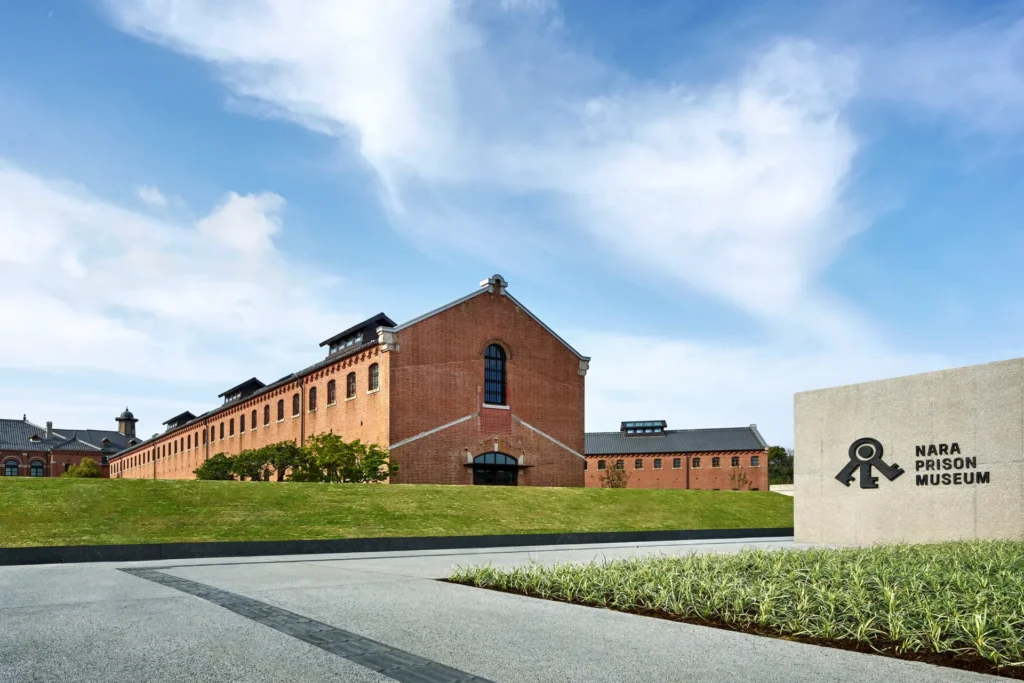
星野集团奈良监狱博物馆游览指南:交通、门票、亮点及酒店
Just a short distance from Nara Park stands a striking red-brick complex unlike any other sightseeing spot in Japan. Opened in April 2026, Nara Prison Museum by Hoshino Resorts is a cultural facility that preserves and reimagines the former Nara Prison, a nationally designated Important Cultural Property. On this visit, we toured the museum with guidance from the Hoshino Resorts staff and explored the historic grounds firsthand. This on-site report covers everything you need to know before experiencing one of Nara’s newest and most fascinating attractions. Index 1. Overview of Nara Prison Museum 2. How to Purchase Tickets of Nara Prison Museum 3. Access Information of Nara Prison Museum 4. Recommended duration for Nara Prison Museum 5. Highlights of the Preservation Building and Exhibition Area 6. Nara Prison Museum Shop & cafe 7. Luxury Hotel Stay at HOSHINOYA Nara Prison The Five Great Prisons of the Meiji Era—Nara Prison, Nagasaki Prison, Kanazawa Prison, Chiba Prison, and Kagoshima Prison—were constructed during Japan’s modernization period and are renowned for their beautiful brick and stone architecture. Over time, most of these prisons were decommissioned and lost due to aging and redevelopment. Today, the former Nara Prison is the only one where visitors can still see the original Meiji-era structure largely intact. The property remains owned by Japan’s Ministry of Justice. To help fund the preservation and maintenance of this important cultural asset through tourism, Hoshino Resorts oversees the operation of the facility. The Nara Prison Museum by Hoshino Resorts is divided into two main areas: the Preservation Building, which showcases the historic architecture, and the Exhibition Area, where visitors can learn about the prison’s history and cultural significance. 〇Opening Hours: 9:00 AM – 5:00 PM (last admission at 4:00 PM) 〇Closed: Open year-round (Temporary closures for maintenance may occur. Please check the official website before your visit.) It is highly recommended to reserve your tickets in advance through the museum’s official website. Please note that tickets are sold for a specific date and admission time. Once purchased, the date, time, and number of visitors cannot be changed. If you need to make any changes, you must first cancel your existing reservation and then make a new booking. Admission times are divided into the following four time slots, which must be selected at the time of purchase: ・9:00 AM – 10:30 AM ・10:30 AM – 12:00 PM ・12:00 PM – 2:00 PM ・1:00 PM – 4:00 PM Admission Fees Admission Fee Adults (Residents Outside Japan) ¥ 3,500 Adults (Residents of Japan) ¥ 2,500 Adults (Residents of Nara Prefecture) ¥ 2,000 University & High School Students ¥ 1,500 Elementary & Junior High School Students ¥ 700 Preschool Children Free The discounted rate for residents of Japan is available to those who currently live in Japan. Visitors purchasing this ticket type may be asked to present proof of address at the entrance, such as a My Number Card, driver’s license, or another official document showing their residence. Be sure to bring appropriate identification with you on the day of your visit. The most convenient way to reach the museum is by taking the direct shuttle bus to “Nara Prison Museum-mae” Bus Stop, located right next to the entrance. The shuttle operates once per hour in both directions, timed to coincide with the museum’s opening hours. Travel Time ・Approximately 25 minutes from JR Nara Station ・Approximately 18 minutes from Kintetsu Nara Station Bus Fare ・Adults: ¥250 ・Children: ¥130 ・Infants (1 to under 6 years old): One child may ride free per accompanying adult Babies (under 1 year old): Free Payment Methods ・Payment is made when boarding ・Cash and IC cards such as ICOCA Passengers can board or disembark at the following four locations (JR Nara Station / Kintetsu Nara Station / Kencho-mae (Prefectural Office) / Hannyaji Temple) In this article, we will focus on the boarding locations and directions from JR Nara Station and Kintetsu Nara Station. 〇From JR Nara Station (Bus Stop No. 11, West Exit) JR Nara Station has a single ticket gate. Although there are two station exits, be sure to leave via the West Exit. You can easily reach the West Exit by following the station signs. Once outside, head to Bus Stop No. 11 at the bus terminal and board the shuttle bus to the museum. 〇From Kintetsu Nara Station (Bus Stop No. 2) Kintetsu Nara Station has two ticket gates. To access the shuttle bus stop, use the West Ticket Gate. After exiting the gate, proceed to Exit 5 on your right. Go up the stairs, and you will find the bus stop area just outside. Board the shuttle bus from Bus Stop No. 2. The shuttle operates as a standard route bus, so bringing large luggage such as suitcases can be difficult due to limited space onboard. It is recommended that you leave them at your hotel or at JR Nara Station or Kintetsu Nara Station before heading to the museum. According to the museum’s official website, most visitors spend approximately 1.5 to 2 hours exploring the Nara Prison Museum. If you would like to take your time fully appreciating the architecture, it is a good idea to allow around 2.5 hours for your visit. Those planning to stop by the cafe or the museum shop should consider setting aside an additional 30 minutes to 1 hour. Visitors enter the Nara Prison Museum through a large gate and pass into a striking complex surrounded by red-brick walls. Brick architecture is one of the defining features of the former prison, and remarkably, many of the bricks used throughout the site were made by inmates themselves alongside skilled brick craftsmen. It is said that more than 150,000 prisoners were involved in the construction of the facility. The museum is divided into two main sections, the Preservation Building and the Exhibition Area, both of which are designed to be explored along a designated route. The tour begins with the Preservation Building. From the entrance, visitors follow a path that circles the exterior of the historic structure. As there is very little shade along this outdoor section, visitors traveling during the summer months may find it helpful to bring a parasol or a hat. One of the best places to appreciate the prison’s distinctive Haviland System layout is the area between the entrance and the Preservation Building. There is even a designated photo spot marked along the route, making it the perfect place to capture the unique radial design of the complex. This aerial photograph clearly shows the prison’s distinctive Haviland System design, with the buildings extending outward in a radial pattern from a central hub. The unique layout can be easily appreciated from this perspective. The Preservation Building is the Third Cell Block, located at the center of the five prison wings that extend outward in a radial pattern. All of the cells are single-occupancy cells, and the corridor walls, doors, and many other features have been preserved in their original condition. Some of the cells are open to visitors, allowing you to step inside and experience the space where inmates once lived. Visitors can also peer into the cells from the guards’ perspective, offering a glimpse of what prison supervision was like at the time. Both the corridors and the cells are surprisingly bright, filled with natural light. The space is far more open and well-lit than many people might imagine when they think of a prison. This brightness was intentional—the building was designed with consideration for human rights, incorporating ample natural lighting to create a healthier living environment for inmates. The exhibition area of the Nara Prison Museum is divided into three sections, each featuring exhibits centered around a different theme. This section introduces the history of Japan’s prison modernization efforts as well as the story of the former Nara Prison. Visitors can also learn in detail about the prison’s distinctive Haviland System and the ideas behind its radial design. One feature not to miss is the wall located just inside Block A. Over the years, the original brickwork was covered with white plaster, but part of the plaster has been removed to reveal the historic bricks underneath, allowing visitors to see the original structure as it once appeared. This section explores daily life in modern Japanese prisons, including meals, work programs, and rehabilitation efforts. Visitors can watch videos of the work actually carried out by inmates and view examples of the finished products they create. These vocational programs not only support rehabilitation but also help preserve traditional craftsmanship and specialized skills that are becoming increasingly rare in local communities due to a shortage of successors. Visitors can also experience the view from a prison cell window—the same scenery that inmates may have looked out upon during their limited moments of free time. The pond and maple trees that visitors pass while moving between the exhibition areas have also been preserved from the prison’s operational days. This area, once used as the prison infirmary, has been repurposed as a gallery space showcasing works by five artists alongside creations by inmates. Visitors can also view original manga artwork by Kazuichi Hanawa, who drew on his own experiences of incarceration in his work. One initiative unique to the Nara Prison Museum is the Prison Postcard Project. Visitors are invited to write down their thoughts and reflections after viewing the exhibits, and some of these postcards are planned to be delivered to correctional facilities, creating a meaningful connection between visitors and those currently living within the prison system. At the end of the exhibition, visitors can also view a collection of prison art, including paintings, calligraphy, and literary works created voluntarily by inmates. At the cafe, visitors can enjoy food and drinks inspired by the unique history and stories of the former Nara Prison. One item you won’t want to miss is the Brick Style Curry Bread. Curry was reportedly one of the most popular meals served during the days of the former Nara Juvenile Prison. Its rectangular shape is designed to resemble the prison’s iconic red bricks. The spicy version was particularly delicious, while a mild curry bread is also available for those who prefer less heat. Another charming detail can be found on the cafe cups. The cat illustration printed on them is actually shaped like Nara Prefecture, and the small white dot indicates your current location. It’s a thoughtful design touch that’s easy to overlook, so be sure to take a closer look. Other menu items include cheesecake and sparkling drinks made with fruits grown in Nara Prefecture. Since the cafe does not offer full lunch meals, it is best suited for a light snack or coffee break. The museum shop features a range of distinctive products designed by Taku Satoh and his design studio, TSDO. Popular items include original pin badges and T-shirts emblazoned with the words “Nara Prison.” Visitors can also purchase some of the prison work products featured in the exhibition area. As there is no online shop and these items are available only to museum visitors, it’s worth double-checking your purchases before leaving so you don’t miss out on a favorite souvenir. HOSHINOYA, the luxury hospitality brand known for creating extraordinary experiences through unique concepts at each of its properties, will open HOSHINOYA Nara Prison on June 25, 2026. The hotel is housed within the former Nara Prison, a nationally designated Important Cultural Property. The ninth property in the HOSHINOYA collection, “HOSHINOYA Nara Prison” is built around the concept of “An Important Cultural Property at Dawn.” Former solitary confinement cells have been thoughtfully transformed into elegant and tranquil guest accommodations. All 48 guest rooms are designed as suites. As a former prison, Nara Prison Museum offers an experience unlike any other, seamlessly blending a remarkable historic building with thoughtfully curated contemporary exhibitions. As one of Nara’s newest attractions, it is well worth adding to your itinerary. If you’re looking for a meaningful and memorable experience beyond the city’s traditional sightseeing spots, be sure to pay a visit.
-

如何穿浴衣:泡温泉前需要了解的基本礼仪
抵达传统温泉酒店后,您通常会在房间里发现已为您准备好的浴衣。穿上浴衣,瞬间就能感受到度假的轻松惬意。本指南将指导您如何正确穿着浴衣,并提供一些基本的礼仪和搭配技巧,让您尽享温泉体验和浴衣造型。目录 1. 如何正确穿着浴衣 ・学习基础知识 ・男女款式的区别 ・浴衣与和服的区别 ・左翻右翻! ・准备内衣 ・基本发型 2. 穿着浴衣的技巧和礼仪 ・查看您入住酒店的规定 ・穿着浴衣的优雅举止 (1) 穿着浴衣 穿上浴衣,将手臂穿过袖子。 (2)均匀地捏住衣领两端,调整浴衣,使背后的缝线笔直地落在背部正中央。(3)裹浴衣:调整浴衣长度,使下摆垂至脚踝处。先裹住浴衣右侧,再将左侧折叠覆盖。确保左侧始终在上。(4)系腰带:固定好裹好的浴衣,将腰带从前往后绕腰,在背后交叉后再回到前面。女性通常将腰带系在腰间,而男性则系在较低的臀部位置。最后系一个简单的蝴蝶结(丝带结)即可完成。温泉旅馆提供的浴衣通常是男女通用的,但男女穿着方式略有不同。<女性穿着方式>腰带系得较高,结可以系在前面或后面。男士的腰带系法较低,环绕臀部,这样更显时尚传统。腰带结通常系在背后。在日本,和服和浴衣都是传统服饰,但穿着场合不同。和服的款式从正式到休闲应有尽有,根据场合选择。浴衣则更为休闲,常用于温泉旅馆、温泉小镇,或作为夏季祭典和烟花表演的时尚服饰。在尝试更正式的和服之前,先从浴衣开始练习是很好的适应方式。穿着浴衣最重要的规则之一是它的穿法。始终将左侧折叠到右侧。反过来穿是为逝者穿衣的,被认为是不合适的。一个简单的记忆方法是:正确穿着后,你应该能够将右手伸入浴衣的前开口处。由于浴衣通常采用轻薄面料制成,最好不要直接贴身穿着。建议搭配不透明的内衣或内衬。透气吸汗的内层能让您倍感舒适,并有助于保持整洁的形象。对于女性而言,强烈建议将头发盘起。这样可以凸显颈部线条,并在颈后营造出干净优雅的造型,更能衬托出浴衣特有的清爽轻盈之感。如果您觉得盘发有困难,只需将头发简单地挽成一个发髻,再配上一根发簪(簪子),就能瞬间提升整体造型。在大多数温泉旅馆,您可以穿着浴衣进入旅馆的各个区域,包括客房、公共浴池和餐厅。根据旅馆的不同,您或许也可以穿着浴衣在温泉小镇漫步。但是,有些旅馆可能会限制在某些特定区域穿着浴衣,例如餐厅。由于不同旅馆的规定各不相同,建议您提前咨询,以免造成不便。想要优雅地穿着浴衣,注意动作和姿势至关重要。行走:步子要比平时略小。上下楼梯时,轻轻提起下摆,缓慢移动。小心不要踩到浴衣,以免绊倒。坐姿:在椅子上坐得浅一些,双膝并拢。避免双腿分开或交叉,以免浴衣敞开。下蹲时,双膝并拢,保持背部挺直,身体下沉,这样看起来更加优雅。用餐:浴衣的袖子比您想象的要长。取用餐具时,用另一只手轻轻抓住袖子。这不仅看起来优雅,还能防止浴衣弄脏。以上介绍了浴衣的基本穿着方法和必要的礼仪。提前了解这些技巧,会让您的温泉之旅更加愉快舒适。请参考这份指南,充分感受浴衣的魅力,享受一段难忘的温泉体验。 ▼查看这些文章▼ 大阪附近7大最佳温泉 大阪5家私人温泉浴场! 温泉度假村住宿或一日游
-
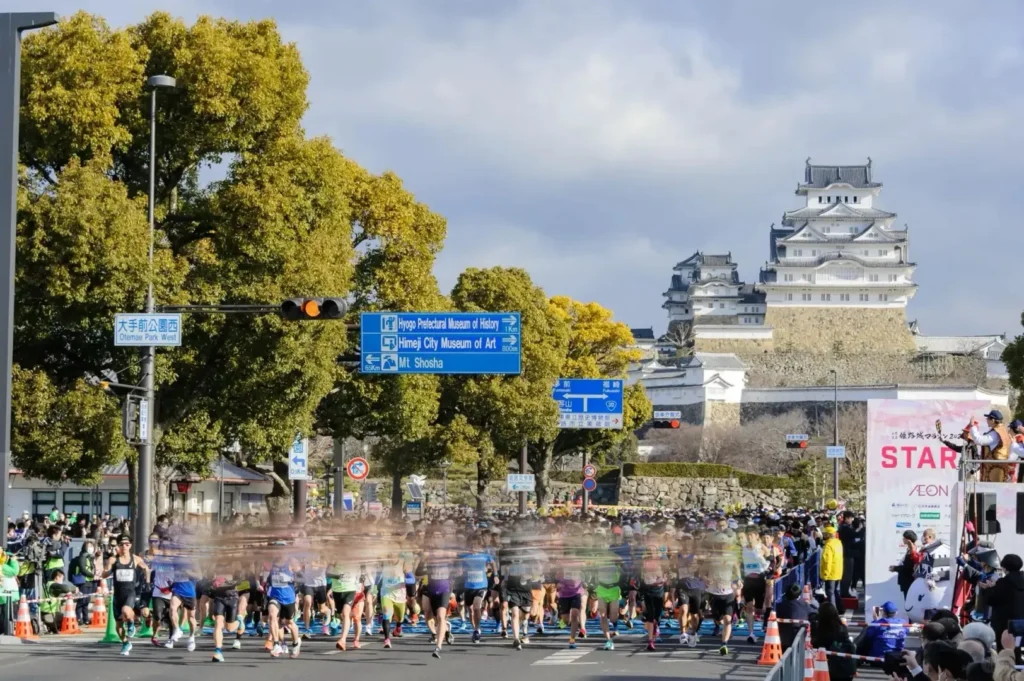
日本五大马拉松:如何报名、参赛及旅行贴士
日本因其安全、易于跑步以及美丽的城市景观而受到全球跑者的高度评价。从东京和京都樱花点缀的赛道,到北海道独特的冬季雪地滑道,这个国家提供了丰富多样的难忘赛道。在本指南中,我们将介绍关西地区一些最棒的马拉松赛事——你不仅可以享受比赛本身,还能探索附近的景点,品尝当地美食。 索引1。神户马拉松 [定于2026年11月15日星期日] 2.奈良马拉松[每年12月举办] 3.京都马拉松[每年二月举办] 4.大阪马拉松[每年二月举办] 5.姬路城马拉松【每年二月举办】6.大阪、京都和神户推荐的“城市跑”地点 神户马拉松的亮点之一是有机会跑过这座港口城市独有的壮丽滨水风景,包括神户滨水区和标志性的明石海峡大桥。赛道起伏极小,适合初学者,非常适合追求个人最佳成绩的选手。通过方便进入 старт 区域,参赛者可以轻松且无压力地参加比赛。 ·日期:预定于2026年11月15日星期日 ・报名期:4月中旬开始报名 ・参加方式:抽签系统 ・开始 地点:神户市政厅前 ・ 出入口:从阪急线和阪神线“神户三宫站”步行5分钟 ・ 附近酒店:神户三宫站周边有多种选择 ▼神户观光与美食资讯 ▼ 首次来神户。21件最佳活动!观光、景点、餐饮、模范路线 神户10大美味美食!当地特色与美食 由当地人推荐 奈良马拉松提供了一条真正独特的赛道,带领跑者经过东大寺和奈良公园等历史地标,这两者均被列为联合国教科文组织世界遗产。虽然后半段以挑战性强的坡道著称,但完成后那种成就感令人难以置信。 ·日期:每年12月举行 ・报名期:申请通常于6月中旬开放(基于2025年时间表) ・入学方式:先到先得 ・开始地点:罗都野奈良(基于2025年) ·出入口:从近铁奈良站步行20分钟 / 从JR奈良站步行30分钟 ・附近酒店:JR奈良站周边有众多选择 ▼奈良观光与美食资讯 ▼ 欣赏奈良大佛, 作为日本世界遗产和力量胜地的骄傲——京都马拉松,展现了这座城市的精华,带领跑者经过岚山寺和忍那寺等标志性景点,沿着风景优美的鸭川,最终以平安神宫完赛。虽然前半段有一些缓坡,但迷人且富有历史色彩的风景为前进提供了极大的动力。其受欢迎程度还得益于其便利的位置,距离最近的车站仅几步之遥。 ·日期:每年二月举行 ・报名期:预计2026年7月中旬起开放 ・报名方式:抽签系统 ・开始地点:京都武菱体育场 ·出入口:京都线“西京极站”旁阪急附近酒店:京都线“京都河原町站阪急”周边有众多选择 ▼ 京都川原町站步行可达 易于游览的热门景点 京都的7家日本甜点“和贺”。品尝、购买、了解、体验。大阪马拉松是日本最大的马拉松之一,是一场充满活力、节日般的赛事,氛围极佳。该区域位于大阪府政府前,紧邻大阪城——可欣赏其标志性主塔的美丽景色。赛道带领跑者穿越大阪市中心,包括御堂筋和道顿堀等主要街道,观众不断的欢呼激励着参与者。 ·日期:每年二月举行 ・报名期:预计2026年7月底起开放 ・参加方式:抽签制 ・开始 地点:大阪府政府大楼前 ・出入口:从大阪地铁中线和谷町线“谷町四丁目”步行约10分钟 ・附近酒店:阪急线“大阪梅田站”周边有多种选择 ▼大阪观光与美食资讯 ▼ 大阪半日游!8大本地旅行推荐 [2025] 大阪最佳11大美食 梅田:从最新餐厅到经典日本料理 大阪5家私人温泉与浴场!温泉度假村适合过夜或一日游 由于场馆周边停车场翻新工程,活动计划于2027年暂停。我们期待它的回归!即使在官方比赛之外,关西也有许多很棒的地方,可以在旅行时轻松享受休闲跑步。以下是一些推荐的跑步路线:大阪城公园(大阪)每圈约4公里。这条开阔且风景优美的赛道让你一边跑步,一边欣赏大阪城美景。这里交通信号灯稀少,春天开着美丽的樱花,是跑者们的最爱。 鸭川(京都)一条经典的跑步路线,没有红绿灯,柔软的土路对双腿很温和。你可以从河流上的任何地方开始——比如四条或三条——并按自己的节奏跑步,非常方便。 二条城(京都)每圈约3.3公里。沿着城堡历史悠久的石墙沿着无车流的路线跑步。夜间灯光充足,非常适合安全愉快的夜间跑步。 姬路城(神户・姬路)每圈约3公里。本课程可近距离观赏联合国教科文组织世界遗产——姬路城。城堡从日落到午夜灯火通明,让你享受一次特别的夜间跑步。 你觉得这些选项怎么样?关西提供丰富的马拉松活动和跑步场所,不仅可以享受跑步本身,还能探索当地景点并品尝当地美食。找到适合你的比赛或路线,体验穿越日本充满活力城市的乐趣!
-
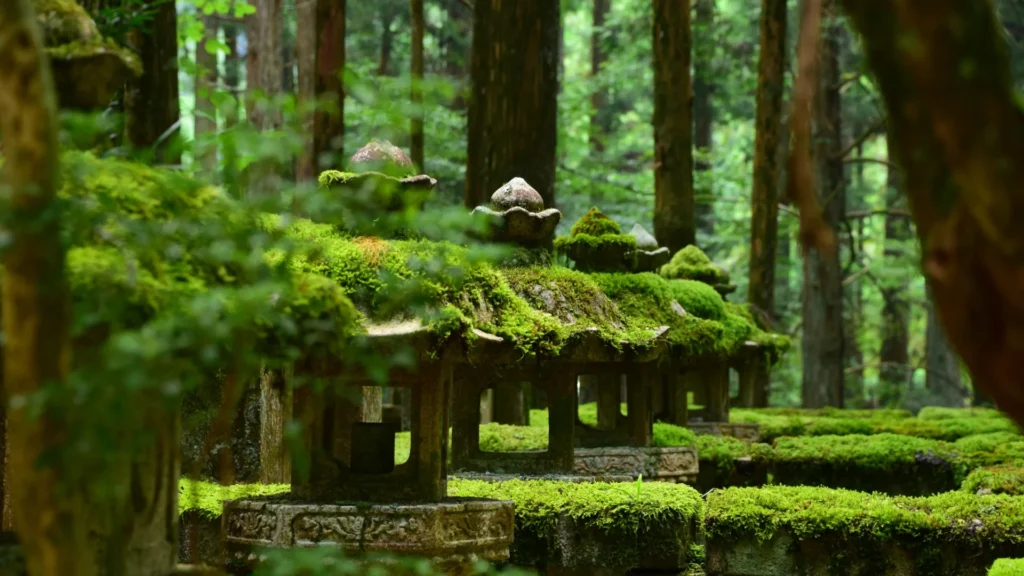
如何游览高野山:天气、交通和寺庙住宿
高野山位于和歌山县,拥有超过1200年的历史。这座神圣的宗教小镇,四周环绕着宁静祥和的氛围,是您在大阪或京都旅行时绝对不容错过的目的地之一。本文将为您介绍高野山,一个自然风光与精神信仰和谐共存的地方,让游客能够体验到日本文化的深厚底蕴。目录:1. 高野山简介 2. 高野山气候及着装建议 3. 高野山交通指南 4. 高野山必游景点 5. 寺庙住宿须知 高野山由佛教僧侣空海(又名弘法大师)于公元816年创建,是真言宗的圣地。它位于和歌山县东北部海拔约800米的山间盆地中。如今,高野山地区拥有117座寺庙,其中约50座寺庙提供住宿和寺庙体验。2004年,高野山被列入纪伊山脉圣地朝圣路线,吸引了来自日本各地乃至世界各地的众多游客。由于高野山海拔较高,气温通常比大阪等低地城市低5-10摄氏度。夏季凉爽宜人,冬季则非常寒冷,有时甚至会积雪。推荐衣物和物品:■ 舒适的步行鞋:山上有很多碎石路和石板路,因此运动鞋是最佳选择。12月下旬至2月下旬可能会有积雪,建议穿着防滑性能好的鞋子。■ 保暖衣物或轻便外套:即使在夏季,早晚也可能比较凉,因此建议携带一件方便穿脱的轻便外套。冬季则务必注意保暖。■ 雨具:山区天气变化迅速,建议携带折叠伞。从大阪市中心出发,您可以乘坐火车或自驾前往高野山。〇乘坐火车(从大阪/梅田出发):从梅田站搭乘大阪地铁御堂筋线至难波站,然后换乘南海高野线。乘坐南海高野线至极乐桥站,再换乘高野山缆车到达高野山站。行程时间:约2小时30分钟。从高野山站,您可以换乘南海临港巴士前往各大观光景点。★专题报道:全新观光列车“格兰天空” 自2026年4月24日起,观光列车“格兰天空”将在南海高野线的难波站至极乐桥站之间运行。乘客可从特设的“一览式座位”欣赏沿途美景,或在宽敞舒适的沙发座椅上放松身心,享受奢华的旅程体验。*预订将于4月1日上午10:00在官方网站开放。 〇自驾:从大阪市中心驾车前往高野山大约需要1.5至2小时。12月至次年3月期间可能会有积雪,因此冬季轮胎或防滑链必不可少。〇一日游巴士:从大阪或京都出发的便捷一日游巴士也可供选择。您可以在旅游预订网站上查询行程信息。虽然高野山幅员辽阔,一天之内无法游览所有景点,但以下是一些特别推荐的必游之地,适合一日游或过夜住宿。这里是高野山最神圣的地方,据说空海至今仍在此冥想。沿着约2公里的路,耸立着树龄数百至上千年的参天雪松。约20万座墓碑、纪念碑和纪念物——包括著名封建领主的墓碑——排列在道路两旁,营造出一种深邃的灵性氛围。交通时间:从一之桥巴士站步行约30分钟,从奥之院巴士站步行约15分钟。预计游览时间:约1-2小时。这座高野山入口处矗立着一座巨大的朱红色大门,高25.1米。它于1705年重建,此前曾毁于火灾和雷击。两侧威武的仁王守护神像令人印象深刻。从大门欣赏日落也是高野山最美的景色之一。预计游览时间:约10-15分钟。这座寺庙群是空海创建高野山时最早开发的场所,至今仍是真言宗的精神中心。它位于高野山中心附近,拥有众多亮点,例如高野山的主殿——金堂;象征密教的朱红色宝塔——金本大塔;以及弘法大师曾经居住过的御江堂。预计游览时间:约30-40分钟。这座寺庙位于高野山中心附近,是高野山真言宗的总本山,负责管理整个寺庙群。从坛上伽蓝步行约5分钟即可到达。寺内还拥有日本最大的枯山水庭园之一,其规模和美景令人叹为观止。预计游览时间:约30-45分钟。这座寺庙位于高野山脚下,据信是空海的母亲曾经居住的地方。它长期以来深受女性信徒的喜爱,并以祈求平安分娩和哺乳而闻名。预计游览时间:约20-30分钟。如果您到访高野山,一定要体验一下入住寺庙宿坊(shukubo)。宿坊是最初为僧侣和朝圣者建造的住宿场所。客人可以享用传统的佛教素食,并体验寺庙生活的方方面面,例如晨祷、抄经和冥想。然而,由于宿坊的运作方式与普通酒店有所不同,因此请务必注意以下几点:■ 晨祷(勤行)早上6点左右会举行佛教诵经仪式。参与诵经(例如聆听诵经或供香)通常是自愿的,但我们强烈建议您参与,以便在宁静的氛围中开启新的一天。■ 设施 由于许多寺庙都是历史建筑,因此卫生间和浴室可能是公用的,而不是位于客房内。近年来,越来越多的宿坊提供私人设施,但最好在预订时确认。■ 餐食 餐食通常以精进料理为主,这是一种不使用肉类或鱼类的传统佛教料理。菜肴以蔬菜、豆腐和其他植物性食材为主,味道清淡雅致。 ■ 宵禁和熄灯 许多寺庙宿坊都有宵禁(通常在晚上9点左右)和固定的沐浴时间。虽然有一些特殊的规定,但也正是这些规定让宿坊住宿体验如此独特。在寺庙宁静庄严的氛围中度过一夜,必将成为一段难忘的经历。海拔约800米的清新空气、丹上伽蓝绚丽的色彩,以及奥之院高野山的深邃静谧,共同构成了一段不容错过的非凡体验。尤其值得一提的是,寺庙宿坊提供的是一种与酒店便利截然不同的“心灵奢华”。美味的传统佛教料理不含肉类和鱼类,清晨祈祷的庄严氛围,更营造出一种与日常生活截然不同的、令人难忘的体验。
-

关西7大紫藤花胜地:紫色花海尽收眼底
日本的春天是花开的季节!许多人想到日本的春花时,可能会想到樱花,但紫藤花是日本人熟悉的春花,甚至在和歌诗中也有提及。看到伊斯特里亚花的最佳时机是在樱花落下之后。即使樱花结束后,我们仍然希望游客能欣赏一些日本风景! *参观部分名额需缴纳门票和礼拜费用。详情请查看各地官方网站。 -索引 - [大阪,福岛区] 下福岛公园等 [大阪,东澄吉] 永井植物园 [兵库县丹波市] 白宫寺 [兵库县宝冢市] 中山寺 [京都,宇治] 兵藤院 [京都,伏见] 上南丘 [奈良] 春日大社 紫藤花卉甚至在市中心都能看到。大阪梅田附近的福岛区和野田区,约有600年历史,以紫藤树闻名。这也是紫藤花(紫藤)的标准日语名称“nodafuji”的地方。 野田的紫藤花在二战期间的空袭中几乎被完全毁灭,但现在得益于当地居民的努力。这些花每年在选区内29个地点开花,包括公园和公共设施。 尤其是下福岛公园拥有该区最多的紫藤架架,值得一看。阪神野田站前的广场也如画,紫藤花的紫色调与城市景观形成了极佳的对比。 通常观赏时间:四月中旬 “永井植物园”蓝紫色花卉的合作在照片中看起来非常棒。近年来在日本流行的春季花卉——印度百花,遍布生命园,占地约2000平方米。在旁边,四月中旬,紫藤花开出淡紫色,使游客可以同时看到所有受欢迎的花卉。 永井植物园距离梅田、新西桥和南部仅乘地铁一趟。从市中心出发交通便利,游客全年都能见到各种各样的植物、树木和花卉。永久性的夜间户外博物馆“Team Lab Botanical Garden 大阪”也非常受欢迎! ▼ 更多信息请点击这里。▼ 大阪teamLab植物园的亮点与活动 通常观赏时间:四月中旬(Nemophila:四月中旬至五月初) 没有人不被白宫寺的紫藤美景所感动!从大阪站到白宫寺乘火车和出租车大约需要2小时20分钟,但风景如此壮丽,令人目不转睛。前任大祭司大约30年前种植了这种紫藤花,花簇长超过1米。紫藤棚架的体积庞大,呈L形,覆盖120米的广阔区域。紫藤花如雨般从头顶倾泻而下。白语寺九紫藤祭祭将于2026年4月29日至5月10日,上午8:30至下午6:00举行。紫藤灯盛会从晚上6:30持续到晚上9:00,但7点后灯光效果清晰可见,营造出一幅令人联想到极光在天空中流动的景象。 * 节日期间可能根据花期条件变化。请查看官方网站获取最新消息。 常规观赏时间:五月初至中旬 中山寺以其肥沃和安全送达而闻名。它位于宝冢,温泉泉水涌出。寺庙内的“星之广叶”内设有一条长达80米的紫藤架,每年四月中旬至下旬紫藤盛开。紫藤在日本最为常见,但中山寺以其白色紫藤为特色。如果你在阳光明媚的日子来访,它们看起来就像漂浮在蓝天中的云朵!紫藤花的甜美香气也弥漫在空气中。 常见观赏时间:四月中下旬,建于1053年的兵登院凤凰堂是著名的地标,10日元硬币上有图案,是京都旅游必访之地。碧都院园以季节花卉为特色,池塘中央建有凤凰殿,池塘另一侧可眺望群山,是人们建造寺庙时所憧憬的天堂景象。春天时,池塘里盛开紫藤花,与美丽的凤凰厅和谐共鸣。这里真的是一个天堂般的场景,带有优雅的日本风味,不容错过。 常见观赏时间:四月中旬至五月初,城南区是游客欣赏季节花卉的好地方。寺庙内有五座花园,每年“室町之庭”花园中都会绽放紫藤的色彩,该花园设有带池塘的圆形花园。春天时,景象丰富,不仅紫藤花开,园内的棣棠树和杜鹃树也几乎同时开花。此外,还有“紫藤巫女神乐”表演(免费入场),巫女手持紫藤枝,头戴紫藤花束,表演神乐舞;若获得“紫藤花护符”,巫女将用神乐铃(每个护符1000日元)净化你。这里不仅可以欣赏花卉,还能享受“体验”。 常规观赏时间:四月底 紫藤神歌神乐:每天两次,分别在2026年5月1日至6、9、10、16、17、23、24、30和31日10:00和15:00。春日大社神社以其美丽的神社亭子以鲜艳的朱砂色绘制,是奈良主要的旅游景点之一,被列为世界遗产。紫藤花是春日大社的重要花卉,甚至用于神社的徽章。紫藤花在神社范围内野生生长,主圣所的“砂铃紫藤”以著名树种闻名。此外,满如州植物园种植了约300种与日本最古老诗集《万如州》相关的花卉和植物,种植着约20种紫藤花,使游客了解不同品种花卉的形状、大小和颜色差异。 通常观赏时间:四月中旬至五月初。自古以来,日本人对季节更替非常敏感。你不觉得紫藤花优雅庄重的形象与日本的和谐形象有关吗?请前往一个可以欣赏紫藤花卉日式风光的地方。