京都
在京都您体验“日本精神”。身着传统和服,探索这座城市的古老寺庙和神社,品尝著名的高品质日式料理。
相关文章
-
[2026] 12 spots to enjoy spring flowers in Kansai (Osaka, Kyoto, Kobe area)!
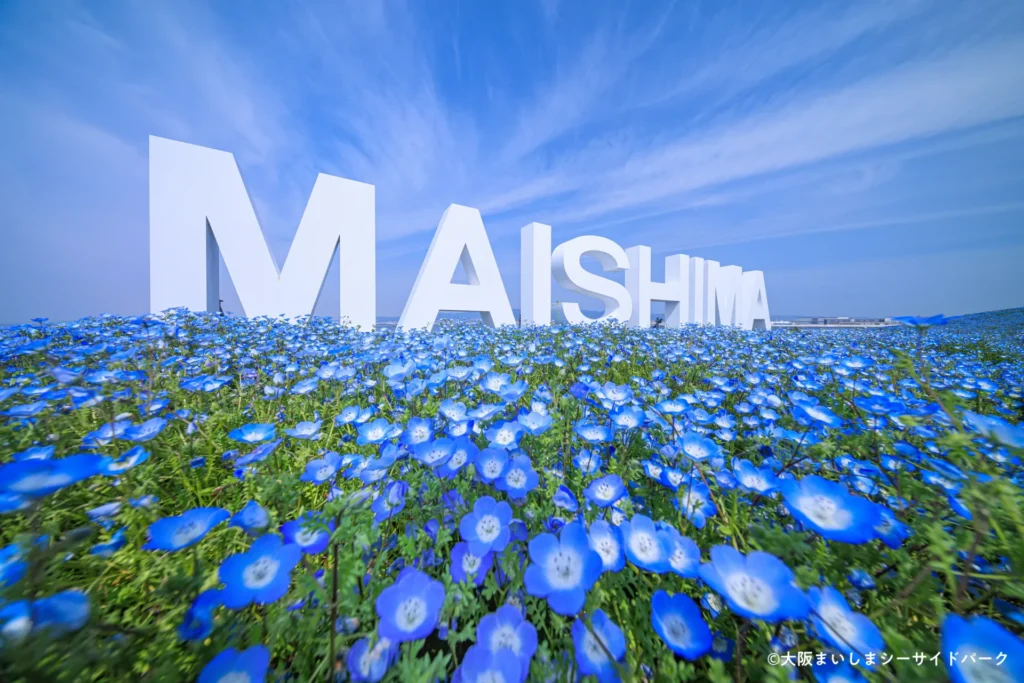
Spring is the season when all the plants and flowers that have been sleeping begin to move at once. Why don’t you go out to see colorful plants and flowers that give you a warm spring feeling? Here are some spots where you can enjoy flowers and plants in Osaka, Kyoto and Kobe. -INDEX- [Nemophila] Osaka Maishima Seaside Park, Osaka [Nemophila]Kobe Agri Park “Nemophila Hill 2025”, Kobe [Poppy] Expo ’70 Commemorative Park, Osaka [Aomomiji] Minoh Park, Osaka [Yamabuki] Matsuo-taisha Shrine, Kyoto [Kirishima Azalea] Nagaoka Tenmangu Shrine, Kyoto [Peony] Otokunidera, Kyoto [Water Lily] Ryoanji Temple, Kyoto [Wisteria flowers] Nakayamadera, Takarazuka [Azalea] Sorakuen Garden, Kobe [Rose] Aramaki Rose Park, Itami [Japanese Primrose]Rokko Alpine Botanical Garden, Kobe Nemophila is a small, lovely flower of clear blue. It is a popular flower in recent years because of its spectacular view of the whole area spreading out like a blue carpet. Approximately 1 million nemophila flowers bloom across the 44,000-square-meter grounds of Osaka Maishima Seaside Park, which overlooks the Akashi Kaikyo Bridge. On weekends and holidays, the park extends its hours so visitors can enjoy the sight of the setting sun sinking into the nemophila fields and the landscape as it turns orange. There is also an area in the park where visitors can enjoy cherry blossoms and tulips with nemophila, so if you are coming to Japan in spring, be sure to visit Osaka Maishima Seaside Park. Nemophila Festival: April 11 (Sat) – May 10 (Sun), 2026 Usual viewing time: early April to early May Kobe Agri Park’s “Nemophila Hill”, a new spring attraction featuring approximately 1 million blooming nemophila flowers, has opened in Kobe! The harmony between the nemophila flowers that blanket the hill in blue and the clear blue sky creates a breathtaking panorama you’ll want to capture in photos. Kobe Agri Park also has restaurants, barbecue facilities, a winery, a ceramics museum, and other facilities, allowing visitors to enjoy “food” and “agriculture” in various ways along with the nemophilas. Nemophila Hill 2026: Saturday, April 18, 2026 – Sunday, May 17, 2026 Usual viewing time: late April to early May Poppy is a member of the poppy family that has long been cultivated for ornamental and medicinal purposes. The seeds are also used in cooking. The Expo ’70 Park’s Shizen Bunka-en (Nature Park) and Hana-no-oka (Flower Hill) are decorated with approximately 380,000 poppies. The contrast of colors between the yellow and orange poppies and the fresh blue nemophila can also be enjoyed. Usual viewing time: early April to early May Aomomiji refers to the leaves of maple trees that turn from young leaves in spring to increasingly darker green. You can enjoy the fresh and crisp leaves of ao-momiji until they turn red in the fall. Minoh Park is famous for its autumn leaves, but it is also very beautiful in the fresh green season. Enjoy forest bathing surrounded by the sparkling green maples in the sunlight while listening to the murmuring of a mountain stream and the chirping of wild birds. Usual viewing time: Late April to late May ▼Check this article▼ 8 recommended gourmet restaurants in Minoh Waterfall! Cafes & Shops to stop by for sightseeing Note on how to get to Minoh Waterfall! Points that international travelers should know before going there Yamabuki is a deciduous shrub in the rose family with beautiful, almost orange-yellow flowers. The flower has been familiar to the Japanese people since ancient times. Matsuo-taisha Shrine, known as a place of famous water, has about 3,000 yamabuki trees, which turn the shrine grounds yellow. The Yamabuki Festival is held every year when the flowers are at their best. Usual viewing time: mid-April to early May It is very familiar in Japan and is often planted as a roadside tree or garden tree. It is loved by many people for its very vivid flowers. Vivid Kirishima azaleas are in full bloom at Hachijogaike Pond at Nagaoka Tenmangu Shrine. The crimson-tinged path surrounded by azalea plantings more than 2 meters high is magnificent. Usual viewing time: Late April – early May The peony is a plant that symbolizes beauty and has long been used as a design for crafts and paintings. It produces beautiful and large flowers like roses. There are 2,000 peony plants of about 30 varieties at Otokunidera Temple. Protected by white Japanese umbrellas for sun protection, the bright pink and red buttons bloom in large profusion. Usual viewing time: mid-April to early May Water lilies are striking aquatic plants with flowers that seem to float above the water. It is widely distributed in ponds and swamps. Kyoyoike Pond at Ryoanji Temple, a World Heritage site, is famous for its water lilies. Not only white but also red and pink flowers cover most of the pond. The flowers often open in the morning and close at noon, so the best time to see them is in the morning. Usual viewing time: Mid-May to late August The Japanese Wisteria flowers is a species endemic to Japan and is mentioned in the Manyoshu(Collection of Ten Thousand Leaves, refers to the extensive collection of poems compiled during the Nara period in Japan). The long, hairpin-like flowers hang down in a drooping manner. Purple flowers are common, but white and pink flowers also exist. At Nakayama-dera Temple’s Star Plaza, there is a magnificent wisteria trellis that stretches about 80 meters. The rows of white wisteria flowers look like “clouds floating in a blue sky. The sweet fragrance of the flowers can also be enjoyed. Usual viewing time: Mid-April to late April ▼Check this article▼ 7 Best Spots for Wisteria Flowers in Kansai: The Spring filled with purple flowers Sorakuen garden is Kobe City’s only Japanese garden, covering an expansive area of approximately 20,000 square meters, where visitors can enjoy the natural beauty of the seasons. In early summer, approximately 4,000 brightly colored white and pink azaleas fill the garden. Every spring, an event called “Tsutsuji Yuusan” is held, during which important cultural properties are opened to the public, musical concerts, tea ceremonies, and other events can be enjoyed. Usual viewing time: Late April – early May Roses have long been cultivated for perfumery and medicinal purposes.” It is said to be “the flower that symbolizes love,” and is often used in arrangements and bouquets because of its gorgeous appearance and wide variety of types and colors. At Aramaki Rose Park in Itami, approximately 10,000 roses bloom in a stylish southern European-style garden. The view of the park, with its sloping terrain and colorful colors, is a must-see. Usual viewing time: Mid-May to mid-June Japanese Primrose is the largest member of the primrose family, with flower stalks that can reach 80 cm in length. It grows in clusters in wetlands at the foot of mountains. At the Rokko Alpine Botanical Garden, numerous alpine plants bloom from May to June. The 5,000 or so Japanese Primrose that fill the wetlands are especially breathtaking. Usual viewing time: Mid-May to late May ▼Check this article▼ Mt.Rokko, Kobe-1 Day Trip|Perfect Panoramic Views and Outdoor Adventure Park! The colorful flowers that bloom in spring are a source of comfort and relaxation for those who see them. Why don’t you take advantage of the warm, sunny weather and visit some of the best places and spots for flowers in Osaka, Kyoto, and Kobe?
-
日本五大马拉松:如何报名、参赛及旅行贴士
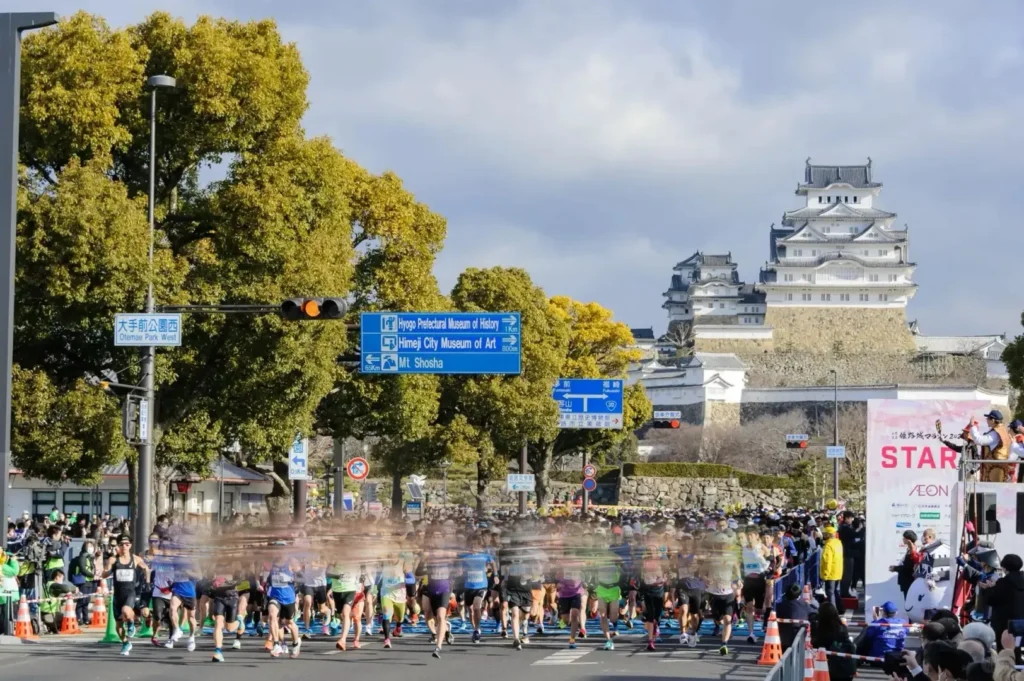
日本因其安全、易于跑步以及美丽的城市景观而受到全球跑者的高度评价。从东京和京都樱花点缀的赛道,到北海道独特的冬季雪地滑道,这个国家提供了丰富多样的难忘赛道。在本指南中,我们将介绍关西地区一些最棒的马拉松赛事——你不仅可以享受比赛本身,还能探索附近的景点,品尝当地美食。 索引1。神户马拉松 [定于2026年11月15日星期日] 2.奈良马拉松[每年12月举办] 3.京都马拉松[每年二月举办] 4.大阪马拉松[每年二月举办] 5.姬路城马拉松【每年二月举办】6.大阪、京都和神户推荐的“城市跑”地点 神户马拉松的亮点之一是有机会跑过这座港口城市独有的壮丽滨水风景,包括神户滨水区和标志性的明石海峡大桥。赛道起伏极小,适合初学者,非常适合追求个人最佳成绩的选手。通过方便进入 старт 区域,参赛者可以轻松且无压力地参加比赛。 ·日期:预定于2026年11月15日星期日 ・报名期:4月中旬开始报名 ・参加方式:抽签系统 ・开始 地点:神户市政厅前 ・ 出入口:从阪急线和阪神线“神户三宫站”步行5分钟 ・ 附近酒店:神户三宫站周边有多种选择 ▼神户观光与美食资讯 ▼ 首次来神户。21件最佳活动!观光、景点、餐饮、模范路线 神户10大美味美食!当地特色与美食 由当地人推荐 奈良马拉松提供了一条真正独特的赛道,带领跑者经过东大寺和奈良公园等历史地标,这两者均被列为联合国教科文组织世界遗产。虽然后半段以挑战性强的坡道著称,但完成后那种成就感令人难以置信。 ·日期:每年12月举行 ・报名期:申请通常于6月中旬开放(基于2025年时间表) ・入学方式:先到先得 ・开始地点:罗都野奈良(基于2025年) ·出入口:从近铁奈良站步行20分钟 / 从JR奈良站步行30分钟 ・附近酒店:JR奈良站周边有众多选择 ▼奈良观光与美食资讯 ▼ 欣赏奈良大佛, 作为日本世界遗产和力量胜地的骄傲——京都马拉松,展现了这座城市的精华,带领跑者经过岚山寺和忍那寺等标志性景点,沿着风景优美的鸭川,最终以平安神宫完赛。虽然前半段有一些缓坡,但迷人且富有历史色彩的风景为前进提供了极大的动力。其受欢迎程度还得益于其便利的位置,距离最近的车站仅几步之遥。 ·日期:每年二月举行 ・报名期:预计2026年7月中旬起开放 ・报名方式:抽签系统 ・开始地点:京都武菱体育场 ·出入口:京都线“西京极站”旁阪急附近酒店:京都线“京都河原町站阪急”周边有众多选择 ▼ 京都川原町站步行可达 易于游览的热门景点 京都的7家日本甜点“和贺”。品尝、购买、了解、体验。大阪马拉松是日本最大的马拉松之一,是一场充满活力、节日般的赛事,氛围极佳。该区域位于大阪府政府前,紧邻大阪城——可欣赏其标志性主塔的美丽景色。赛道带领跑者穿越大阪市中心,包括御堂筋和道顿堀等主要街道,观众不断的欢呼激励着参与者。 ·日期:每年二月举行 ・报名期:预计2026年7月底起开放 ・参加方式:抽签制 ・开始 地点:大阪府政府大楼前 ・出入口:从大阪地铁中线和谷町线“谷町四丁目”步行约10分钟 ・附近酒店:阪急线“大阪梅田站”周边有多种选择 ▼大阪观光与美食资讯 ▼ 大阪半日游!8大本地旅行推荐 [2025] 大阪最佳11大美食 梅田:从最新餐厅到经典日本料理 大阪5家私人温泉与浴场!温泉度假村适合过夜或一日游 由于场馆周边停车场翻新工程,活动计划于2027年暂停。我们期待它的回归!即使在官方比赛之外,关西也有许多很棒的地方,可以在旅行时轻松享受休闲跑步。以下是一些推荐的跑步路线:大阪城公园(大阪)每圈约4公里。这条开阔且风景优美的赛道让你一边跑步,一边欣赏大阪城美景。这里交通信号灯稀少,春天开着美丽的樱花,是跑者们的最爱。 鸭川(京都)一条经典的跑步路线,没有红绿灯,柔软的土路对双腿很温和。你可以从河流上的任何地方开始——比如四条或三条——并按自己的节奏跑步,非常方便。 二条城(京都)每圈约3.3公里。沿着城堡历史悠久的石墙沿着无车流的路线跑步。夜间灯光充足,非常适合安全愉快的夜间跑步。 姬路城(神户・姬路)每圈约3公里。本课程可近距离观赏联合国教科文组织世界遗产——姬路城。城堡从日落到午夜灯火通明,让你享受一次特别的夜间跑步。 你觉得这些选项怎么样?关西提供丰富的马拉松活动和跑步场所,不仅可以享受跑步本身,还能探索当地景点并品尝当地美食。找到适合你的比赛或路线,体验穿越日本充满活力城市的乐趣!
-
大阪和京都6座神社,带你探访社交媒体上热门的“透明御守”
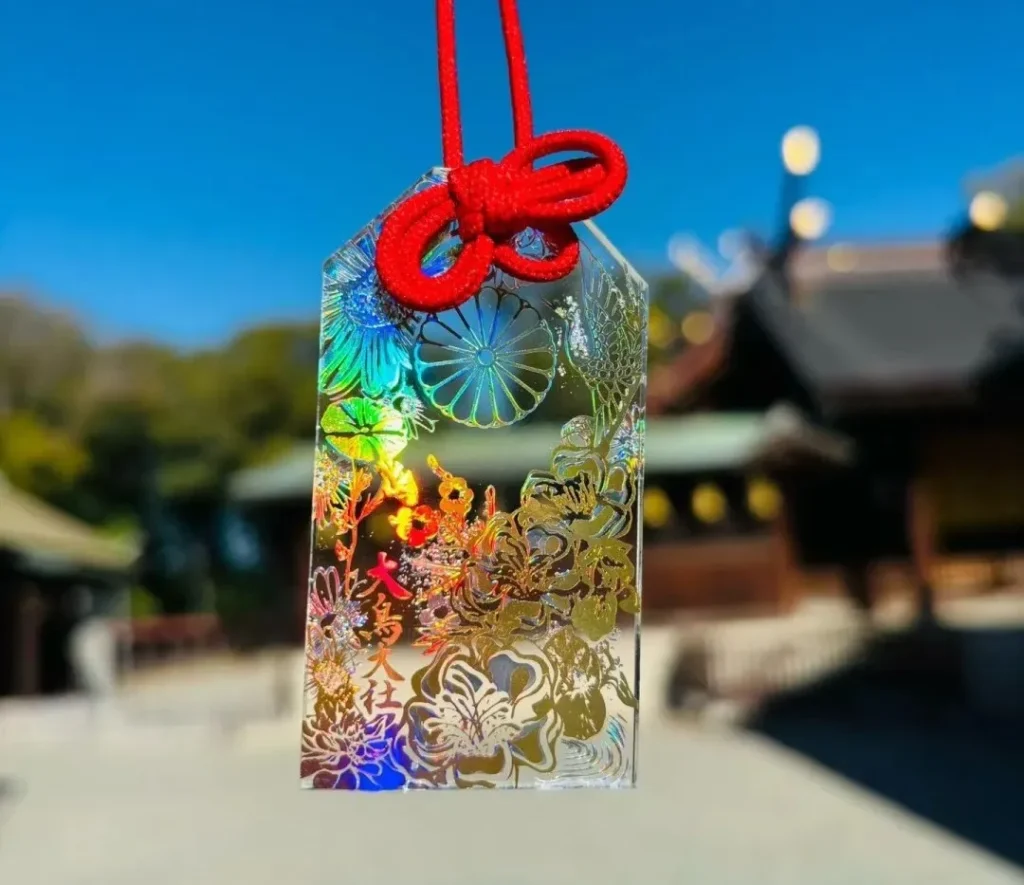
你听说过最近在日本社交媒体上因其惊艳美貌而走红的“透明御守”吗?与传统布质吊坠不同,这些透明的骷髅式御守饰有精致的刺绣或蕾丝设计,带来一种精致的优雅,佩戴着几乎让人感到精神上的振奋。本文介绍了大阪和京都的神社,您可以在那里获得这些时尚且富有意义的护符。从可定制设计到拥有独特祝福的款式,探索各种时尚又吉祥的御守,满足你的个人品味。 索引1。[大阪]北极神社——大阪城2内的一个强力点。[大阪]大鸟大社——可爱的护符,象征着清晰的未来 3.[大阪]筑之天神社(Ohatsu Tenjin)——获得独一无二的护符 4.[京都]下鸭神社——受欢迎的精致蕾丝吊饰 5.[京都]三上神社——日本唯一供奉发神6号的神社。[京都]平安神宫神社——选择你喜欢颜色的护符 北极神社 大阪供奉伟大的武将丰臣秀吉,他从卑微出身崛起,成为日本最有权势的领导者之一。该神社以成功、事业晋升和免于不幸而闻名。它位于大阪城公园内,是大阪城观光的绝佳停靠点。灵感来自自家的若永神社,广受欢迎的“辉煌守护符”承载着“永恒青春与持久美”的愿望。其迷人的刺绣图案中,一株总是向上生长、寻求阳光的植物,象征着积极与活力,使其成为美丽、健康和长寿的备受喜爱的护身符。大鸟大社神社是一座历史悠久且声望卓著的神社,被称为前泉国市的一宫神社(最高等级神社)。它将传奇英雄大和武和大鸟村御神奉献。根据大和武克服重重挑战的众多传说,这座神社被认为能赐予胜利的祝福和免受厄运的庇护。其透明的丙烯御守,象征着“清晰预见未来”的理念,在社交媒体上大受欢迎。据说如果你把护符举向主殿拍照,会带来更大的祝福。当被光线照射时,设计会闪耀出彩虹色,仿佛为你前方的道路注入好运。筑之天神社——亲切地称为“大发天神”——因近松门左卫门的杰作《曾根崎的恋自杀》的背景而闻名。受故事主角深厚爱情的启发,神社已成为传颂爱情与感情祝福的知名场所,吸引了众多游客。 其中一个亮点是“桃色御守”,让你打造属于自己的个性化魅力。你可以从50多种精致刺绣的小袋子中选择,并将它们与你喜欢的愿望卡组合。由于刺绣设计会定期更新,你可以打造出独一无二、真正属于你的御守。下鸭神社是京都最古老的神社之一,并被列入联合国教科文组织世界文化遗产。这里供奉着加茂竹沼御琴,这位据说帮助古代京都发展的神祇,以及与神秘传说相关的女神玉夜姬御琴。该神殿因其与爱情、安全分娩和美丽相关的祝福而闻名。其“蕾丝御守”旨在带来好运和幸福,尤其受到女性欢迎。该设计以精致刺绣为特色,采用透明面料,传达了希望神力能更强烈地被接受的愿望,使其成为既美丽又富有意义的护符。御上神社位于岚山著名的竹林附近,是日本唯一供奉发神的神社。供奉的神祇是藤原正幸,他是镰仓时代的真实历史人物,曾任官方宫廷理发师。如今,美容和美发行业的专业人士,以及那些渴望美丽健康头发的人,纷纷从日本各地前来。其中最受欢迎的护符之一是“福神守”,其特色是一个透明的袋子,上面有剪刀和梳子的图案。自古以来,梳子被视为抵御邪恶的保护物,良好维护的头发据说能招致好运。这个护身符因其保护头发健康和提升头发的美丽与光泽而备受珍视。平安神宫是京都最具标志性的神社之一,以其巨大的鸟居和鲜艳的朱红色神社建筑闻名。这里供奉了794年迁都京都的桓武天皇,以及江户时代晚期的光明天皇。据信该神殿能带来广泛的祝福,包括免于不幸、爱情与关系以及学业成功。其美丽半透明的“守护符”(Kanau Mamori)的设计灵感来自神社内的垂樱花和鸢尾花。护身符线有10种不同颜色,让你可以选择最喜欢的颜色,甚至是你最喜欢的推石(偶像或角色)颜色。这是一个时尚且富有意义的吊饰,非常适合为你的访问增添个人色彩,甚至支持你的推猪排!透明御守以其精致美丽的外观,是绝佳的纪念品,必定会被珍惜。在通过参拜神社清理思绪后,何不带回一段精美制作的护身符,带回这段经历? 查看这些文章 ▼ 神户8大必访神社:完美搭配附近景点 不寻常的红色印章和幸运符!关西与中国生肖相关的12座神社和寺庙
-

京都、大阪、兵库的7处樱花灯饰。梦幻般的日本春夜
樱花是日本春天景色的重要组成部分。很多人选择在樱花盛开的季节到日本赏樱。白天去著名的赏樱景点固然不错,但夜晚点亮的樱花梦幻般的景色也很有味道。本文将介绍京都和兵库的夜樱景点。 2026 年樱花预报 🌸 期待已久的樱花季开始了。3 月 19 日,日本气象厅(JMC)发布了第 9 次樱花季预测(2026 年)。由于春季温暖,预计全国樱花盛开的时间将早于平均水平! *夜间观赏樱花的门票价格可能与普通门票价格不同,敬请谅解。 -索引- 【京都】世界遗产二条城/二条城猫儿 2026 樱之夜 【京都・东山】古大寺禅院/春之夜特别入场(灯饰) 【京都・东山】知恩寺/春之夜特别入场(灯饰) 【京都・东山】古大寺禅院/春之夜特别入场(灯饰) 【京都・东山】古大寺禅院/春之夜特别入场(灯饰) 【京都・东山】知恩寺/春之夜特别入场(灯饰春之灯 2026 【京都-冈崎】平安神宫/樱花大洋 2026 【大阪】世博会 70 周年纪念公园/东大寺街道樱花树灯饰 【兵库-二筱宫夙川公园/樱花灯火 樱园 【兵库・姬路】姬路城/姬路城夜樱观赏会 日期:2026年3月19日(星期四)~2026年4月19日(星期日) 世界遗产二条城内种有50个品种约300棵樱花树。樱花通常花期较短,但二条城的樱花因品种不同而花期不同,游客可以欣赏到长达一个月的樱花。 将举办夜间活动 "二条城 Catsle 2026 SAKURA 之夜"。期间将同时举办四项活动。1.世界遗产二条城 × 日本奥斯卡获奖导演的沉浸式剧场 "白鬼" *日期有限,请提前查看官方网站。2.国宝二之丸宫特别夜景 3.以樱花和灯光为主题的投影映射 4.在樱花夜色中品尝京都料理和传统工艺品 在国宝二之丸宫内体验静谧的夜景,欣赏以樱花花瓣为主题的投影映射,感受历史与尖端数字艺术的融合。 活动时间18:00-22:00(最后入场时间为 21:00) ▼Check this article▼ 5 Castles in Osaka, Kyoto and Hyogo.从世界遗产到最新城堡,值得一游的观光景点 日期:2026 年 3 月 13 日(星期五)- 2026 年 5 月 6 日(星期三) 东山是京都最受欢迎的旅游胜地之一。高台寺禅院是最受欢迎的寺庙之一。在此期间,包括殿堂、庭院和竹林在内的整个寺院都将灯火通明。法堂(本堂)前的桥亭花园里的樱花在灯光的映照下格外美丽。在干山水(Karesansui)的白沙庭院中,粉红色的樱花孤零零地站在那里,就像下了一场大雨。在聚光灯的照射下,樱花高贵的姿态令人赏心悦目。 亮灯时间:17:00~21:30(最后入园时间为 21:30) ▼查看此文▼ 关西(京都、大阪、兵库县)的 22 个樱花景点 日期:2026 年 3 月 25 日(周三)- 2026 年 4 月 5 日(周日) 净土书院总本堂知恩院国宝三门前的樱花尤为著名。美丽的粉色樱花与巨大威严的山门相映成趣,令人印象深刻。除了约 200 棵樱花树外,国宝三重堂和重要文化遗产大所也被点亮,是不可错过的景点。 从知恩院到以 "祗园夜樱 "闻名的丸山公园和高台寺禅院,以及清水寺,建议同时游览京都东山所有著名的夜樱。 观赏时间5:45PM-9:30PM (最后入园时间为 9:00) ▼查看此文▼ 从京都川原町站步行即可到达:易于游览的热门景点 日期:2026 年 4 月 1 日(星期三)至 2026 年 4 月 5 日(星期日)平安神宫神园是明治时代的日本庭园代表。在总面积约 33,000 平方米的广阔庭园中,南神社庭园和东神社庭园中的红垂樱非常有名,夜晚还会点亮灯饰。 照明时间:6:15-9:00(最后入场时间为 8:30) * 音乐会需单独购票。有两种门票可供选择:音乐会门票:包括东新园(音乐会会场)和南新园(樱花灯饰)的门票。普通票:可进入南新园(仅樱花观赏)。 ▼Check this article▼ Kyoto Goshuin Guide:从著名神社到推荐御书院町的 6 个御书院 日期:2026 年 3 月 20 日(星期五)(国定假日)至 2026 年 4 月 5 日(星期日)万博纪念公园是大阪最佳赏樱地之一,入选 "赏樱百佳地"。樱花大约从 3 月中旬开始绽放,将公园染成美丽的粉红色。一直到 4 月初,东大寺街道两旁的樱花树都会被点亮。道路两旁一排排光彩夺目的樱花令人目不暇接。白天,广阔的日本庭院中的 "磐安庵 "和 "万里庵 "茶室将特别开张,"磐安庵 "还将举行茶会(收费)。何不在樱花和茶中体验一下典型的日本春景呢? ▼ 也请看看这篇文章▼万博纪念公园是大阪的一个好去处!亮点说明!日期: 三月下旬至四月上旬从神户三宫车站乘坐阪急电车约 10 分钟,从大阪梅田车站乘坐阪急电车约 20 分钟。从阪急夙川车站的站台可以看到河畔成排的樱花树,这里是兵库县的赏樱胜地之一,入选日本赏樱胜地 100 强!河畔大道种植了约 1,660 棵樱花树和 1,520 棵松树。尤其是,从阪急仓玄口站外的桥上眺望歌舞伎山和樱花,更是美不胜收。 仓玄口站周围是住宅区,因此有许多家庭和特色餐馆分布在周围。在这里,您可以从日本人的视角充分感受樱花的魅力。举办日期2026 年 3 月 27 日(星期五)~4 月 5 日(星期日) 被指定为世界遗产和国宝的姬路城也是著名的赏樱胜地。夜晚,通常不对外开放的西之丸花园(Nishi-no-Maru Garden)中的约 100 棵樱花树被点亮,美不胜收。这营造出一种令人惊叹的神奇氛围,为您带来与白天景色完全不同的体验。姬路城又被称为 "白鹭城",因为它看起来就像一只张开翅膀的白鹭。在灯光的映衬下,白鹭在黑暗中升腾起白色的身影,与樱花交相辉映,蔚为壮观。 亮灯时间:下午 6:30-晚上 9:00(最后入场时间为晚上 8:30) ▼查看此文▼ 大阪、京都和兵库的 5 座城堡。从世界遗产到最新的城堡,值得一游的观光景点 樱花在春天只有短暂的时间绽放!请尽情欣赏这动人心魄的美景,让它成为您旅行的珍贵回忆。
-

2026 | 2026关西22处赏樱胜地(京都、大阪、兵库县)
From famous cherry blossom viewing spots to hidden gems, here are some of the best places to view cherry blossoms by area for your reference in the spring of 2026. 🌸2026 Cherry Blossom Forecast 🌸 The long-awaited cherry blossom season begins. On March 19, Japan Meteorological Corporation (JMC) released its 9th cherry blossom forecast for 2026 season.Thanks to a warm spring, the blossoms are expected to pop earlier than average nationwide! ▶For 2026 real-time updates on the cherry blossom spots along Hankyu Railway! -INDEX- [KYOTO area] [KYOTO Arashiyama area] ・Togetsukyo Bridge, a famous cherry blossom viewing spot in Arashiyama ・Randen (Keifuku Electric Railway) Cherry blossom Tunnel ・Tenryuji Temple, where you can enjoy cherry blossoms while overlooking the city of Kyoto ・Daikakuji Temple, where you can enjoy cherry blossoms reflected on the surface of water [KYOTO Higashiyama area] ・Keage Incline is popular for its rows of cherry trees in full bloom ・Kodaiji Temple, a popular cherry blossom viewing spot for its illumination ・Cherry Blossom Walk “Philosopher’s Walk” ・Heian Jingu Shrine, famous for weeping cherry blossoms [KYOTO Nishiyama area] ・Shobo-ji Temple to enjoy cherry blossoms at a temple called Ishi-no-tera ・Phantom Sengan Cherry Blossom, Oharano Shrine ・Commonly known as the Temple of Flowers, Shouji-ji Temple ・The entire mountain is dyed pink at Yoshimine Temple [OSAKA area] ・Japan Mint, Cherry Blossom Passage ・Osaka Castle Park with a spectacular view of the castle and cherry blossoms ・Osaka Sakura Cruise ・Ikeda Satsukiyama Ryokuchi, cherry blossom viewing spot for the whole family ・Hanami from Late February! Flower Expo Memorial Park Tsurumi Ryokuchi [HYOGO area] ・The cherry blossoms along the river are magnificent at Shukugawa Park ・Oji Zoo where you can enjoy cherry blossoms even with small children ・Sumaura Sanjo Yuen Park, where you can enjoy the view overlooking the Seto Inland Sea and cherry blossoms ・Takarazuka Hana no michi, a beautiful walking path to Takarazuka Grand Theater ・Kokoen Garden, a Japanese garden in Himeji for cherry blossom viewing Experience the Hanami culture There are many picturesque cherry blossom viewing spots in Kyoto. You can never miss the famous spots! I want to go to a place where there are as few people as possible! Here are some cherry blossom viewing spots in Kyoto by area that will fulfill both of your wishes. Arashiyama is rich in seasonal changes. The clear Oigawa River and the graceful appearance of the Togetsu Bridge over it attract people’s hearts no matter what time of year they visit. In spring, the view of cherry blossoms, mountains, river, and bridge together is magnificent. ▼Must-read this guide before visiting Arashiyama▼ Arashiyama Station: Comparing and Explaining 4 Kyoto Arashiyama Stations The views of the Togetsukyo Bridge over the overflowing cherry blossoms and Arashiyama beyond is as beautiful as a picture scroll. For a unique hanami experience, consider renting a boat or taking a traditional roofed boat to enjoy the cherry blossoms along the Katsura River. Even on crowded days, you can appreciate the stunning view of Togetsukyo Bridge and the sakura from the calm waters. ▼Click here for a model course that allows you to quickly capture Arashiyama sightseeing in half a day▼ Kyoto Arashiyama Sightseeing Half-day Model Course! Capture the bamboo forest, temples, nature, and major spots! A tunnel of cherry blossoms appears between Narutaki and Utano Stations on the Randen Kitano Line. Someiyoshino cherry trees line both sides of the line for about 200 meters. The retro trains that run through the cherry blossoms are also attractive. Tenryuji Temple was built by Ashikaga Takauji. It is a beautiful spot with cherry blossoms in the distance, such as weeping cherry trees blooming against the backdrop of Dahouden Hall and Mochikyo-no-oka overlooking Arashiyama in spring. Cherry trees are planted around Osawa Pond, the oldest man-made garden pond in Japan, and visitors can enjoy a 1-kilometer walk around the pond. The cherry blossoms reflected in the water mirror are also beautiful. Higashiyama is home to a concentration of Kyoto’s most famous sights. The area, which is easily accessible from downtown Kawaramachi, Kyoto, is dotted with cherry blossom viewing spots. Please enjoy the town of Higashiyama dyed in pink. ▼If you’re visiting Kawaramachi area, be sure to check out this article▼ Within Walking Distance from Kyoto-Kawaramachi Station: Easy-to-Visit Popular Sightseeing Spots A total of 582 meters of inclined railroad near Nanzenji Temple, and now visitors can freely walk on the rails. In spring, you can enjoy the romantic scenery amidst the rows of cherry trees that fill the area. This Zen temple was built by Nene to mourn the loss of Hideyoshi. In spring, weeping cherry trees in the Hojo Garden bloom beautifully, their bright pink color shining on the white sand of the garden. During the nighttime viewing, the Hojo front garden with weeping cherry trees will be illuminated. ▼Check out this article for the light-up event▼ 7 cherry blossom illumination in Kyoto, Osaka and Hyogo. Fantastic Japanese Spring Nights The Philosopher’s Path, a scenic 2km walkway connecting Ginkaku-ji Temple and Nanzen-ji Temple, is lined with countless cherry trees. No matter how far you walk, you’ll be surrounded by breathtaking sakura! The side trips to shrines and temples scattered along the way are also enjoyable and make you lose track of time. Most of the cherry trees that adorn Heian Shrine are red weeping cherry trees. As the name suggests, these cherry trees are bright red in color. The contrast with the vermilion shrine pavilions is magnificent. In early April, Heian Shrine’s Higashi-Shin’en and Minami-Shin’en Gardens are illuminated, creating a magical nighttime sakura viewing experience. ▼Check out this article for the light-up event▼ 7 cherry blossom illumination in Kyoto, Osaka and Hyogo. Fantastic Japanese Spring Nights There’s even a spot away from the city center of Kyoto where you can enjoy the cherry blossoms! Enjoy the cherry blossoms in a relaxing atmosphere at this ancient shrine nestled in the nature of Nishiyama. ▼Kyoto Nishiyama is the next hot spot in Kyoto! For more information, please click here. Kyoto Nishiyama|An undiscovered sightseeing spot in Kyoto! The “Garden of Birds and Animals,” lined with stones that resemble animals and birds, is a beautiful spot where weeping cherry trees stand dignifiedly. The most notable cherry blossom on the grounds of Oharano Shrine is the “Sengan-zakura” (cherry blossom with a thousand eyes). It is said to be a phantom cherry blossom that blooms for only two or three days, and if you are lucky enough to see it, your wish will come true. At Shouji-ji Temple, commonly known as “Flower Temple,” about 100 cherry trees spread their branches spontaneously. The temple is famous for the “Saigyo Cherry Blossoms,” which are said to have been planted and loved by the monk Saigyo. Various varieties of cherry trees, including higanzakura (higan cherry), shidarezakura (weeping cherry), yamazakura (mountain cherry), and botanzakura (botan cherry), color the spring scenery in the precincts. The temple is also famous for its dynamic view. You can enjoy a panoramic view of the city of Kyoto. There are many cherry blossom viewing spots in the Osaka area, including cherry blossoms to be enjoyed in the city and in parks. Japan Mint Bureau is a regular spot that is often voted No. 1 in the ranking of Osaka’s cherry blossom viewing spots. Although the grounds are not accessible during the day, they are open for a limited time only during the “Cherry Blossom Passage,” which is held when the cherry blossoms are in bloom. *For the 2026 Cherry Blossom Path Event, we plan to implement an advance online registration system (first-come, first-served basis). Cherry blossoms at Japan Mint are mainly late-blooming yaezakura, and many types of cherry trees can be enjoyed while walking along the 560-meter promenade. Each cherry tree is planted with a different variety of cherry blossom, so find the one you like best! This lush green park stretches around Osaka Castle and offers a spectacular view of cherry blossoms with the castle tower in the background. The Nishinomaru Garden, surrounded by important cultural properties, is famous for its approximately 300 cherry trees, mainly Someiyoshino. The castle tower and the pink-colored cherry blossoms are a spectacular view unique to Japan. ▼Check this article for recommended castle spots other than Osaka Castle! 5 castles in Osaka, Kyoto and Hyogo. From World Heritage Sites to the Newest Castles, Places to Visit for Sightseeing The “Naniwa Tanken Cruise with Rakugo Storytellers,” which offers sightseeing in Osaka City with the entertaining guidance of Rakugo storytellers, will be operated as the “Cherry Blossom Special Cruise” for a limited time in spring. This is a very popular cruise every year, where you can enjoy the rows of cherry blossom trees that are slightly tinted with spring colors from the surface of the river. The cruise takes about 120 minutes and you can see the cherry blossoms along the Okawa River. Satsukiyama Ryokuchi, located in Ikeda, Osaka, is a popular spot where you can enjoy a free zoo, hiking, barbecues, and playground equipment all day long. On weekends during the holiday season, the park is crowded with families with children and hikers. From the entrance of the park to the Hinomaru Observatory at the top of the mountain, Someiyoshino and Yamazakura cherry trees are in full bloom everywhere. Tsurumi Ryokuchi Park is a spacious park featuring a rose garden, almond trees, and a variety of seasonal flowers, making it a perfect spot for families and couples alike. This park is unique for its long cherry blossom viewing season, starting from late February. Various cherry tree species are planted here, including Kawazu-zakura, Okame-zakura, and Somei Yoshino, allowing visitors to enjoy hanami for an extended period. Additionally, from mid-April, visitors can admire the delicate blue nemophila flowers covering the Windmill Hill Flower Garden, adding another layer of seasonal beauty. There are many places famous for cherry blossoms in the Hyogo area. Kobe, Takarazuka, Himeji, etc., offer a different atmosphere from Osaka and Kyoto. Shukugawa Park has a beautiful view of the cherry blossoms reflected in the river. It has been selected as one of the “100 Best Places for Cherry Blossoms” and is a popular spot for cherry blossom viewing. The path lined with cherry blossom trees on both banks is a perfect walking course. You can also enjoy the cherry blossoms from the nearest station, Hankyu Shukugawa Station. At Hankyu Shukugawa Station, there’s a cute bench with a cherry blossom motif! Opened in 1951, Oji Zoo is one of the best leisure spots in Kobe where parents and children can enjoy a full day of close observation of animals. Oji Zoo is also a great place to enjoy cherry blossoms. There are about 480 cherry trees in the park alone, and nearly 800 cherry trees in the entire Oji Park. The collaboration of animals and cherry blossoms, including giraffes and elephants, is fascinating. Please enjoy the warm weather and be healed by the animals. ▼For other recommended zoos in Kobe, see here▼ 4 Recommended Zoos to Visit in Kobe Sumaura Sanjo Yuen Park is a popular amusement park for parents and children, where you can enjoy the view of the blue sky and the sea. You can get there by taking the Sumaura ropeway and gondola. You can see the collaboration of cherry blossoms with Osaka Bay and Akashi Strait. It is famous as a cherry blossom viewing spot in Kobe. The number of cherry trees in bloom here and there in the park is one of the largest in Kobe. ▼For more details about Sumaura Sanjo Yuen Park▼ Kobe・Sumaura Sanjo Amusement Park|Retro Rides, Stunning Seto Inland Sea Views, and Spectacular Cherry Blossoms The “Hana no michi” that leads from Hankyu Takarazuka Station to Takarazuka Grand Theatre is filled with cherry blossoms in spring. The tunnel of cherry blossoms in full bloom looks like a flower path on a stage. It is also popular among Takarazuka Revue fans. ▼Check this article▼ Takarazuka you don’t know yet! A fun day at the Takarazuka Grand Theater for beginners Kokoen Garden is a popular tourist spot when visiting Himeji. This is a Japanese garden with World Heritage “Himeji Castle” in the background. The garden area is large along the southwestern part of Himeji Castle. The gardens are about 3.5 hectares. Those who come to visit Himeji Castle must not miss out to come and visit this garden. Adjacent to Koko-en Garden, Himeji Castle is another popular cherry blossom viewing spot, with numerous cherry trees blooming within its grounds. A stroll along the moat surrounding the castle offers a unique hanami experience, allowing visitors to admire the castle from all directions—east, west, south, and north—while enjoying the beautiful cherry blossoms. ▼Check this article▼ 7 cherry blossom illumination in Kyoto, Osaka and Hyogo. Fantastic Japanese Spring Nights You can only enjoy the cherry blossom-colored scenery of Japan during the short spring period. Please check it out as soon as possible and use it as a reference for your travel plans. Hanami, or cherry blossom viewing, is one of Japan’s traditional customs, where people appreciate cherry blossoms to feel the arrival of spring. Hanami is a spring event in which families and friends gather under cherry blossom trees to enjoy food and drinks. The great thing about Japanese hanami is that anyone can easily enjoy it. Typical things to prepare include a picnic sheet, boxed lunches (bento), drinks, and sweets. Picnic sheets can be found at 100 yen shops, and bento, drinks, and sweets can be bought at convenience stores. Just find a spot under the cherry blossom trees, spread out your picnic sheet, and enjoy! For those who want to enjoy hanami with traditional bento or the latest sweets, Hankyu and Hanshin department stores are recommended. ▼Check this article▼ 8 recommendations for souvenirs from Umeda, Osaka! The hottest stores in Hankyu & Hanshin department store’s food hall
-

京都半日游|参观建筑师隈研吾的设计与建筑创作
-

京都洛西口一日游|来竹林小径骑行吧!
-

京都一日游|体验手工!友禅染和和果子(日式点心)
-

【京都】一日游行程|漫游京都东山红叶景点!
-

【京都岚山】一日游行程|从热门景点到不为人知的景点!