other
RELATED ARTICLES
-

〈2026〉Best 15 Places to See Autumn Leaves in Japan (Kyoto, Osaka and More)!
Japan in autumn colors. Here are some of the best places in Kansai to see the autumn leaves, by area, from once-in-a-lifetime viewing spots to hidden gems. Please refer to the fall tourism in 2026. -INDEX- Things to keep in mind when visiting temples and shrines in Japan 【KYOTO】 〇Higashiyama Area Famous place:Eikando(Zenrin-ji) Little known good spot:Anrakuji 〇Arashiyama Area Famous place:Daikaku-ji Temple Famous place:Jojakko-ji Little known good spot:Jizoin(Takedera/Bamboo Temple) 〇Other Area Famous place:Rurikoin Little known good spot:Komyo-ji 【OSAKA】 Famous place:Minoh Waterfall Little known good spot:Katsuo-ji 【KOBE】 Famous place:Sorakuen Garden Famous place:Kobe Municipal Arboretum Little known good spot:Rokko Alpine Botanical Garden Little known good spot:Rokko-Arima Ropeway 【Other Area】 Himeji:KOKO-EN Nara:Hasedera temple FAQs About Fall Foliage in Osaka, Kyoto, and Kobe When visiting temples and shrines, be sure to observe proper etiquette and manners. Here are some guidelines that apply to both temples and shrines. 1. Do not speak loudly. Temples and shrines are sacred places, so please enjoy them quietly. 2. Do not eat or drink on the grounds. This is strictly prohibited. Even outdoors, it may be considered a breach of etiquette, so please be careful. 3. Do not touch buildings, torii gates, or statues. Leaning on torii gates or touching Buddhist statues is strictly prohibited. Treat these sacred objects with respect. 4. Confirm photography rules. Photography is prohibited in many areas, so check signs and notices before taking photos. 5. Do not walk in the middle of the approach. The middle of the approach is the path for the gods, so walk on the side. In addition, the methods of worship differ between temples and shrines. At shrines, it is common to worship with two bows, two claps, and one bow, but at temples, clapping is not done. Observe etiquette and manners, and enjoy visiting temples and shrines. 🍁Usual viewing time: mid-November to late November Eikando is the best place in Higashiyama to view the autumn leaves. About 3,000 maple trees cover the entire precincts of the temple. The sight of the tallest pagoda, Dabotou, enveloped by the autumn leaves is a fantastic sight. Japanese maples are planted around the Housho Pond, and the reflection of the Japanese maples and the Gokuraku Bridge in the water is a must-see. 🍁Usual viewing time: mid-November to late November Normally closed to the public, this special temple is open to the public only during the cherry blossom and autumn foliage seasons. Within walking distance is the Philosopher’s Path, which is tinted in autumn, so a walk along this path is recommended. Highlights include the scattered autumn leaves that turn the stone steps of the temple gate bright red and the beautiful garden with Nyoigatake in the background. Scheduled Special Opening Dates: November 1 (Sun), 2 (Mon), 3 (Tue), 7 (Sat), 8 (Sun), 14 (Sat), 15 (Sun), and 21 (Sat) through December 6 (Sun), 2026 *Gates open at 12:00 PM on Sunday, the 8th ▼Check this article▼ 【Kyoto】1 Day Trip|Let’s walk around Higashiyama, Kyoto to see the autumn leaves! 🍁Usual viewing time: Mid-November to late November The combination of the beautiful colors of the pagoda and the fiery maple leaves is gorgeous. Osawa Pond to the east is also a popular spot for viewing autumn leaves. The reflection of the autumn scenery on the surface of the water is fantastic. ▼Food info of Arashiyama area▼ Kyoto Arashiyama Sightseeing Half-day Model Course! Capture the bamboo forest, temples, nature, and major spots! 9 Sweets in Arashiyama, Kyoto, from Easy Eats to Stylish Cafes 🍁Usual viewing time: Mid-November to late November This temple is located on Mt. Ogura, known for the Ogura Hyakunin Isshitsu. In autumn, the approach from the entrance gate to the Niomon Gate is covered in autumn leaves, creating a tunnel of foliage. The autumn leaves surrounding the 12-meter tall Dabotou (pagoda), which is located at the top of the stone steps, is a must-see. The precincts of the temple and the area around the pagoda also offer a panoramic view of Kyoto City. 🍁Usual viewing time: late November Jizoin (Takedera/Bamboo Temple) is a Zen temple with beautiful bamboo groves, as its name suggests, and is a well-known spot for autumn leaves among those in the know. The trees change color later than other places in Kyoto, and the autumn leaves can be enjoyed until mid-December. Surrounded by lush bamboo groves, the contrast between the green of the bamboo and the changing colors of the autumn leaves is magnificent. The heart-shaped window, Inome-mado, in the Hojo is also open to the public. The autumn leaves cut by the window are breathtakingly beautiful. 🍁Usual viewing time: mid-November to late November Ruriko-in Temple is a popular spot in Rakuhoku Yase, and the spectacular view of the autumn leaves reflecting on the lacquered desk on the second floor is a sight to behold. Anyone can take pictures of this spectacular view by holding up a camera at the desk. It will be released in spring, summer, and autumn. Please enjoy the wide-open view of the autumn leaves as they spread across your field of vision. Special viewing period: October 1, 2026 (Thu) – December 13, 2026 (Sun) *From Saturday, November 13 to December 6, advance reservations will be accepted by lottery. Please check the official website for details. 🍁Usual viewing time: Mid-November to early December Sohonzan Komyoji Temple is located at the foot of Nishiyama in Nagaokakyo City. Visitors can see the rich expression of nature in each of the four seasons. Every year from mid-November to early December, a special entrance to the temple is held for the autumn foliage. The maple approach to the temple, with its impressive lineup of about 250 old maple trees, is a superb photo spot. Nishiyama is one of Kyoto’s best but not well-known sightseeing spots. If you want to enjoy Kyoto without the crowds, or if you want to visit a spot that is not yet known, check out the article below. Special Access Period: November 14, 2026– December 6, 2026 ▼Check this article▼ Kyoto Nishiyama|An undiscovered sightseeing spot in Kyoto! 🍁Usual viewing time: mid-November to early December Minoh Great Falls is one of the best places in Osaka to view the autumn leaves. The contrast between the waterfall and the autumn leaves in the vast Minoh Park is spectacular. You can enjoy the autumn leaves everywhere along the 2.6 km route from Hankyu Minoh Station to the falls. If you come to Minoh, you must try the famous “Momiji no Tempura” (maple leaf tempura). It is a slightly sweet and crunchy snack made by carefully frying real maple leaves one by one. You can buy it at a store on Takimichi. ▼Check this article▼ Minoh, Osaka-1 Day Trip|Enjoy The Most Beautiful Nature in Osaka! Hiking at Minoh Waterfalls and Katsuo-ji Temple Note on how to get to Minoh Waterfall! Points that international travelers should know before going there 🍁Usual viewing time: mid-November to early December Known since ancient times as a temple of good fortune, the precincts of Minoh’s Katsuo-ji Temple are decorated with brilliant autumn leaves in November. The tunnel of autumn leaves covering the approach to the temple is especially spectacular. The contrast between the green mountains in the background and the autumn leaves is like a painting. Katsuo-ji Temple is also known as the temple of “Kachi-Dharma”. Small Dharma dolls are laid everywhere, including on the stairs and stone walls. Please enjoy the adorable Dharma and beautiful nature. ▼Check this article▼ What is the highlight of Katsuo-ji in Minoh? A temple of luck to win in Osaka sightseeing ▼Check out this article for directions to Katsuo-ji Temple▼ [Train & Bus Guide] How to Get to Katsuo-ji Temple in Osaka? Key Travel Tips for International Visitors 🍁Usual viewing time: mid-November to early December Sorakuen Garden is the only Japanese garden in Kobe City’s urban parks. It is a kaiyu-style garden with a pond, with stepping stones and stone bridges across which visitors can view streams and waterfalls. The garden is famous for azaleas in spring, and in autumn the garden is decorated with autumn leaves. Important cultural properties such as the boathouse and the former Hassam residence, which were relocated for preservation, are also highlights. Why not enjoy an authentic Japanese garden and fall foliage viewing in the city of Kobe? ▼Check this article▼ 10 Delicious Gourmet Foods in Kobe! Local Specialties and Local Foods Recommended by Locals 🍁Usual viewing time: late October – early November The park is divided into different regions of the world, such as North America and Europe, and different types of trees, so that visitors can learn about the diverse beauty of autumn leaves. The area around Hase Pond is a particularly beautiful spot for viewing the autumn colors in a water mirror. Let’s take a stroll through the vast park and enjoy the world tour of autumn leaves! ▼Sightseeing and food info of Kobe▼ 10 Delicious Gourmet Foods in Kobe! Local Specialties and Local Foods Recommended by Locals First Time in Kobe. 21 Best Things to Do! Sightseeing, Spots, Dining, Model Course 🍁Usual viewing time: late October – early November Located at an altitude of 865 meters, the Rokko Alpine Botanical Garden reaches its autumn foliage season earlier than the city. Trees like maples and beeches typically begin to change color from mid-October, with the peak season lasting until mid-November. Taking advantage of the climate, which is similar to southern Hokkaido, the garden cultivates alpine plants, allowing visitors to enjoy the autumn colors of a wide variety of rare plants. During KOBE ROKKO MEETS ART 2026 beyond, from Saturday, September 19 to November 29, 2026, light artworks and illuminated autumn leaves will be on display on Saturdays, Sundays, and holidays! ▼KOBE ROKKO MEETS ART 2026 beyond Information▼ KOBE ROKKO MEETS ART 2026 beyond |Review and Sample Itineraries 🍁Usual viewing time: late October – early November The Rokko-Arima Ropeway connects the top of Mt. Rokko and Arima Onsen in about 12 minutes. Visitors can enjoy the changing autumn leaves depending on the elevation. The view of the autumn foliage from the gondola’s large foot-high windows is spectacular. Don’t forget to visit Rokko Mountain, where “KOBE ROKKO MEETS ART 2026 beyond” will be held from August 29 to November 29, 2026, and Arima Onsen to enjoy art, hot springs, and gourmet food! ▼Check this article▼ Arima Onsen-1 Day Trip|Enjoy Hot Springs, Gourmet, and Nature! The 10 best food and sweets in Arima Onsen Town 🍁Usual viewing time: mid-November to late November There are nine gardens of different styles with Himeji Castle, which is registered as a World Heritage site, in the background. Because of the atmosphere of the Edo period, the gardens are often used for filming movies and TV dramas. In the fall, the Autumn Foliage Festival is held from November 17 to December 6, 2026. The best time to visit is during the “Momiji-kai” (autumn foliage viewing), when the leaves are illuminated for a fantastic view. You can enjoy a fantastic view that is different from that of daytime. During this period, the park is open until 20:00.(Last admission is at 19:30) 🍁Usual viewing time: late November – mid December Hasedera Temple, located in Sakurai City, Nara Prefecture, is known as the “Temple of Flowers”. The temple is open twice a year, in spring and fall, for a limited time for special visits. A must-see spot is the floor of the hall of worship. In autumn, visitors can enjoy the “Yuka-momiji” (floor maple leaves) that turn bright red. The view of the autumn leaves from the stage in front of the main hall is not to be missed. The five-story pagoda surrounded by autumn leaves is a magnificent sight. Be sure to visit Hasedera Temple, where the entire mountain is decorated with autumn leaves. Special Viewing: October 5, 2026 (Sat) – December 8, 2026 (Sun) (Separate admission fee of 1,000 yen) Q. When is the best time to see the fall foliage in 2026? A. As of September 4, the forecast is for conditions similar to the average year. In the lowlands, the peak viewing period is expected to be from late November through mid-December, while in the mountainous areas, it is expected to be from early November through early December. Autumn in Japan is very vivid. The temperature has dropped, making it comfortable to be out. There are so many places to see the autumn leaves that it is impossible to visit them all at once. Please find your favorite spot and enjoy the autumn foliage as you wish.
-
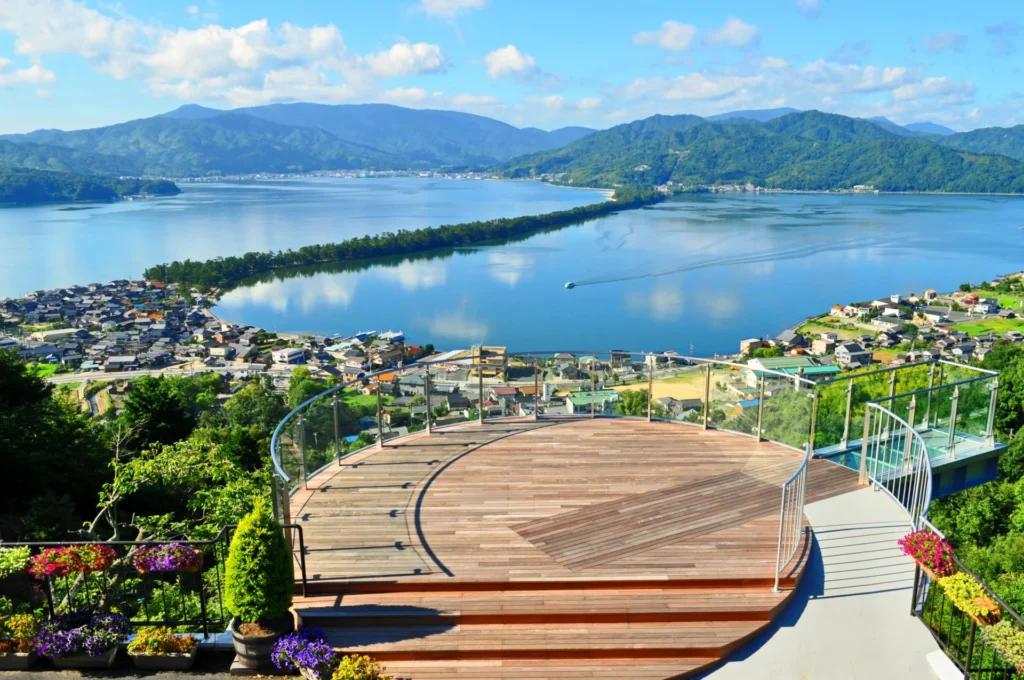
A Day Trip to Amanohashidate: Direct Bus Access from Kyoto & Osaka and Great-Value Tickets
Known as one of the Three Scenic Views of Japan, Amanohashidate is one of the Kansai region’s most spectacular destinations and can be visited as a day trip from Kyoto or Osaka. The beautiful landscape features a 3.6-kilometer-long pine-covered sandbar stretching across the sea, offering visitors a chance to experience a quintessentially Japanese view. Amanohashidate is also an excellent choice for travelers who want to make the most of a limited travel schedule or venture a little farther from Kyoto or Osaka to enjoy a truly special scenic destination. In this guide, we’ll introduce convenient direct bus services from Kyoto and Osaka, as well as discount tickets that make sightseeing in Amanohashidate more affordable. We’ll also take you through a sample itinerary covering the area’s highlights and explain how to get to the popular sightseeing destination of Ine no Funaya (Ine’s boathouses). Use this guide to make your Kansai trip even more memorable! Index 1. Direct Buses to Amanohashidate 2. Great-Value Tickets for Exploring Amanohashidate 3. A Perfect Amanohashidate Itinerary Using Discount Tickets 4. Amanohashidate Travel Guide 5. How to Get to Ine from Amanohashidate by Bus in 30 Minutes If you’re traveling to Amanohashidate from Osaka or Kyoto, taking a direct highway bus is highly recommended, as you can get there without changing trains or buses! All seats are reserved, so you’re guaranteed a seat and can enjoy a comfortable, relaxing journey. Be sure to purchase your bus ticket in advance. ●Departure & Boarding Locations from Osaka and Kyoto 【From Osaka】 Hankyu Highway Bus Osaka-Umeda Terminal (HANKYU SANBAN GAI) 【From Kyoto】 Kyoto Station (north side of JR Kyoto Station) ※Hankyu Bus services are available only on routes departing from Osaka. ●Travel Time From Osaka: Approximately 160 minutes From Kyoto: Approximately 120 minutes ●Fares From Osaka: From ¥3,200 one way From Kyoto: From ¥3,200 one way ※Fares will change from October 1, 2026. ●Departure Times The following four services are suitable for a day trip: Osaka Route: Departs at 9:30 a.m. Kyoto Route: Departs at 7:20 a.m., 8:20 a.m., and 9:00 a.m. Since these routes do not operate frequently throughout the day, it’s important to check the timetable in advance and plan your itinerary accordingly. ▶Book your highway bus ticket here For a smooth and budget-friendly way to get around Amanohashidate, the Amanohashidate Kasamatsu Sightseeing Ticket is highly recommended. This convenient ticket combines round-trip sightseeing boat and cable car/lift tickets, making it easy to enjoy Amanohashidate from both the sea and the mountainside. Take a relaxing cruise on the water and enjoy a breathtaking panoramic view from Kasamatsu Park, the birthplace of the famous “Matanozoki” upside-down viewing tradition! ●Price:Adults: ¥2,000 【Includes】 ・Round-trip Amanohashidate Sightseeing Boat (Amanohashidate Pier ↔ Ichinomiya Pier) ・Round-trip Amanohashidate Cable Car/Lift ・Round-trip Nariaiji Temple Mountain Bus ※A separate admission fee is required for Nariaiji Temple. ▶ Get ¥100 off with the Amanohashidate Kasamatsu Sightseeing Ticket HERE Now, let’s take a look at a day-trip itinerary from Kyoto using a direct bus and the Amanohashidate Kasamatsu Sightseeing Ticket. Simply follow this schedule to make the most of your day in Amanohashidate! 【Outbound: Travel by Direct Bus】※Same for all travelers 8:20 a.m. Depart from Kyoto Station 10:25 a.m. Arrive at Amanohashidate Station 【Explore Amanohashidate with the Amanohashidate Kasamatsu Sightseeing Ticket】 11:00 a.m. Depart from Amanohashidate Pier by sightseeing boat 11:12 a.m. Arrive at Ichinomiya Pier 11:45 a.m. Depart from Fuchu Station by cable car/lift Around 11:55 a.m. Arrive at Kasamatsu Park ~Enjoy the “Matanozoki” upside-down view and lunch at AmaTerrace~ 1:30 p.m. Depart from Kasamatsu Park (Take the mountain bus ※On weekends and holidays, buses generally operate every 20 minutes, so departure times may vary.) 1:37 p.m. Arrive at Nariaiji Temple ~Visit Nariaiji Temple~ 2:40 p.m. Depart from Nariaiji Temple by mountain bus 2:47 p.m. Arrive at Kasamatsu Park ~Shop for souvenirs and take a short break~ 3:30 p.m. Depart from Kasamatsu Park by cable car/lift 3:40 p.m. Arrive at Fuchu Station 4:15 p.m. Depart from Ichinomiya Pier by sightseeing boat 4:27 p.m. Arrive at Amanohashidate Pier 【Return: Travel by Direct Bus】 5:10 p.m. Depart from Amanohashidate Station 7:20 p.m. Arrive at Kyoto Station ※The timetable shown above is for services operating from October 1, 2026. These services do not operate during September. AmaTerrace at Kasamatsu Park Located within Kasamatsu Park, AmaTerrace is a scenic facility offering a panoramic view of Amanohashidate, one of the Three Scenic Views of Japan, from the famous “Shoryukan” (Ascending Dragon View). The facility includes Ama Dining, where you can enjoy seasonal dishes while taking in the spectacular scenery; Ama Cafe, offering sweets and drinks; and Ama Shop, which features local specialties and official character merchandise. ▶ Learn more here For more detailed information on the highlights and recommended spots in the Amanohashidate area, check out our Amanohashidate Travel Guide. Be sure to take a look! ▶【Kyoto】Amanohashidate Travel Guide|Access, Attractive Points, Ine Town and More! Why not venture a little farther from Amanohashidate and visit Ine no Funaya, a beautiful waterfront town where traditional buildings seem to float on the sea? Its nostalgic scenery makes it a must-visit destination to combine with your Amanohashidate trip. ●Travel Time: Approximately 30 minutes (Amanohashidate Cable Car Station to Ine by bus) ●Fare: ¥200 one way ●Bus Frequency: Approximately one bus per hour ●Check Route Bus Timetable HERE By combining a direct bus from Osaka or Kyoto with the convenient Amanohashidate Kasamatsu Sightseeing Ticket, you can enjoy a surprisingly smooth and fulfilling day trip to Amanohashidate. Use the sample itinerary in this guide as a reference and create unforgettable memories on your next trip to Kansai!
-

11 Best Autumn Flowers Japan|Rose, Dalia, Cosmos And Kochia
From the end of the hot summer to the beginning of the fall foliage, pretty flowers bloom beautifully under the fresh blue sky. There are many colorful and beautiful sights unique to this season. In addition to introducing typical autumn flowers and plants, we will also introduce autumn flower spots in the Kansai region. The best time to see the flowers is only a guide, so please check the web before you go. 【Cosmos】Best time to visit: early October to early November (NARA)HANNYAJI (HYOGO・AMAGASAKI)Mukogawa Hige no watashi cosmos garden (OSAKA)Toyono Cosmos-no-sato (OSAKA)Tsurumi Ryokuchi Park 【Kochia】Best time to visit: Early October to late October (OSAKA)Expo ’70 Commemorative Park (HYOGO)Kobe Nunobiki Herb Garden (SHIGA)Biwako Hakodateyama 【Dahlia】Best time to visit: early October to early November (HYOGO・TAKARAZUKA)Takarazuka Dahlia Garden 【Rose】Best time to visit: Mid-October to early November (HYOGO・ITAMI)Aramaki Rose Park (HYOGO・SUMA)Kobe Suma Rikyu Park (OSAKA)Nakanoshima Rose Garden The cosmos is a typical Japanese autumnal flower. Blooming in the autumn sky, swaying gently in the wind, cosmos make a magnificent sight when planted in clusters. They come in a variety of colors, including pink, red, white, and yellow. Hannya-ji Temple is known as a temple where flowers bloom from season to season. It is especially famous for its cosmos in autumn and is nicknamed “Cosmos Temple”. About 150,000 cosmos trees of 30 different varieties are planted, and when they are in full bloom, the cosmos flowers look as if they are enveloping the old hall and stone Buddha, creating a charming atmosphere. Glittering glass cubes of cosmos are placed here and there in the precincts of the temple. These glass squares are decorated with cosmos flowers floating in water, looking like jewels. The Mukogawa Hige no watashi cosmos garden was established in 2003. The riverbed, which was once in disrepair, has been transformed into a magnificent cosmos garden through the efforts of local residents. It has now become a well-known cosmos garden, attracting many visitors every year. From mid-October to mid-November, when the cosmos are in full bloom, a carpet of approximately 5.5 million brightly colored cosmos will spread over the riverbed. The cosmos garden was started by flower enthusiasts about 30 years ago, and is a popular cosmos viewing spot that attracts many tourists and photographers from within and outside of the prefecture. The handmade, warm space and atmosphere are also attractive. About one million cosmos bloom all over the approximately 1 hectare park. Visitors can take pictures of themselves completely enveloped by the tall cosmos, which are about the height of an adult. At the Windmill Hill in Tsurumi Ryokuchi Park, there are about 10,000 cosmos flowers in bloom. In addition, there are various types of plants such as roses and metasequoia trees, and families and couples can relax and enjoy themselves. Within the park, there are cafes such as Komeda Coffee and Starbucks, and you can also bring your own lunch and eat it on the benches in the park. To the northwest of Tsurumi Ryokuchi Park, there is “Children’s Forest” and “Tsurumikko Park,” which feature composite play equipment for children aged 3 to 12. Additionally, just outside Tsurumi Ryokuchi Park Station, there is the natural hot spring “Tsurumi Ryokuchi Park Onsen Suisyun,” making it a great place to enjoy a full day with your family. Kochia is a unique and lovely plant with a fluffy appearance that multiplies very well. At first it is green, but in autumn its leaves turn red, a very vivid and beautiful red. The kochia at the National Hitachi Seaside Park in Ibaraki Prefecture is a popular sightseeing spot in autumn. The kochia trees growing in clusters over a large area are a spectacular sight. Since 2022, about 4,000 kochia plants have been planted in Osaka’s Expo ’70 Commemorative Park on the hill of flowers, and as of the end of September, they are gradually changing color. This fall, the “Cosmos Kochia Festa” will be held from October 4 through November 3, where visitors can enjoy autumn flowers. We are looking forward to seeing the kochia that have grown so well over the summer turn bright red when autumn arrives. ▼Click here for more information about the park▼ Expo ’70 Commemorative Park is a great place to visit in Osaka! Highlights Explained! Kobe Nunobiki Herb Garden is located just a short distance from downtown Kobe and Kitano Foreigner’s House. Take the ropeway for a 10-minute ride while enjoying the view of Kobe’s cityscape below. The garden welcomes visitors with approximately 200 varieties and 75,000 plants of herbs and flowers throughout the four seasons. The fluffy kochia and the view of Kobe’s cityscape can only be enjoyed at the Kobe Nunobiki Herb Garden. Biwako Hakodateyama in Shiga can be enjoyed as a ski resort in winter. In summer and fall, numerous seasonal flowers delight visitors. Hakodateyama Kochia Park has 6,000 kochia trees planted along its slopes. Not only kochia but also colorful flowers are in full bloom and the park is filled with flowers. Hakodateyama is reached by gondola with a view of Lake Biwa. From the terrace with chairs on the observation deck, where a large panorama spreads out, you can see Lake Biwa and the flower garden below. Dahlias have great presence and power! Their large, bright flowers make their surroundings pop with color. They are popular not only for bouquets and arrangements, but also for gardening. The flowers come in a great variety of blooming styles, colors, and shapes. At Takarazuka Dahlia Garden, about 20,000 dahlias of 50 varieties are grown, and visitors can appreciate the colorful red, yellow, pink, and other flowers. The northern part of Takarazuka City is one of the largest dahlia bulb-producing areas in Japan, and the dahlia has been recognized as Takarazuka’s city flower. Dahlias bloom twice a year, in summer and fall. Takarazuka Dahlia Garden will be open for a limited time from mid-July to early August in summer and from early October to early November in fall. Opening dates: October 1 – November 3, 2026 The number of rose varieties is very large, ranging from 30,000 to 100,000 and even more. These flowers bloom twice a year, in spring and fall, and delight us with their many varieties and colors, including white, red, pink, yellow, and blue. About 250 varieties of roses from around the world, 10,000 of them, bloom and fragrance the entire 1.7 hectare area of the garden. The “Amatsu Otome” and “Madame Viollet,” both born in Itami, are world-famous. The antique brick masonry plantings, columns, and white walls give the building a Southern European atmosphere and enhance the beauty of the roses. Kobe Suma Rikyu Park is a park overlooking the city of Kobe and Osaka Bay. The rose garden, said to be one of the best in the Kansai region, has about 300 varieties and 4,000 rose bushes in bloom, allowing visitors to enjoy colorful flowers and rich fragrances. The best time to see autumn roses is usually from mid-October to mid-November. In addition to roses, Kobe Suma Rikyu Park features a field athletics area, a rest house, and an eastern plant garden zone with an observation greenhouse, flower gardens, Japanese-style rooms, and Japanese-style gardens, making it an ideal spot to spend the day with family or friends. Located between the Dojima River and the Tosabori River, this is one of the best places in Osaka for roses. The “Rose Path” along the river and the rose garden are filled with 3,700 roses of about 310 varieties, including modern roses and English roses. Located one stop from Osaka Umeda Station, the park is surrounded by buildings and colorful roses. You can buy a box lunch and eat it in the park, or there is a café with terrace seating on the opposite side of the rose garden where you can overlook the entire rose garden. ▼Click here for details on Nakanoshima Park▼ Nakanoshima Park and Recommended Nearby Attractions How was it? Autumn in Japan is the season of colored leaves, but there are many other places where you can enjoy autumn flowers and plants. Autumn is the perfect season to go out. Enjoy the beautiful autumn scenery that can only be seen at this time of year!
-
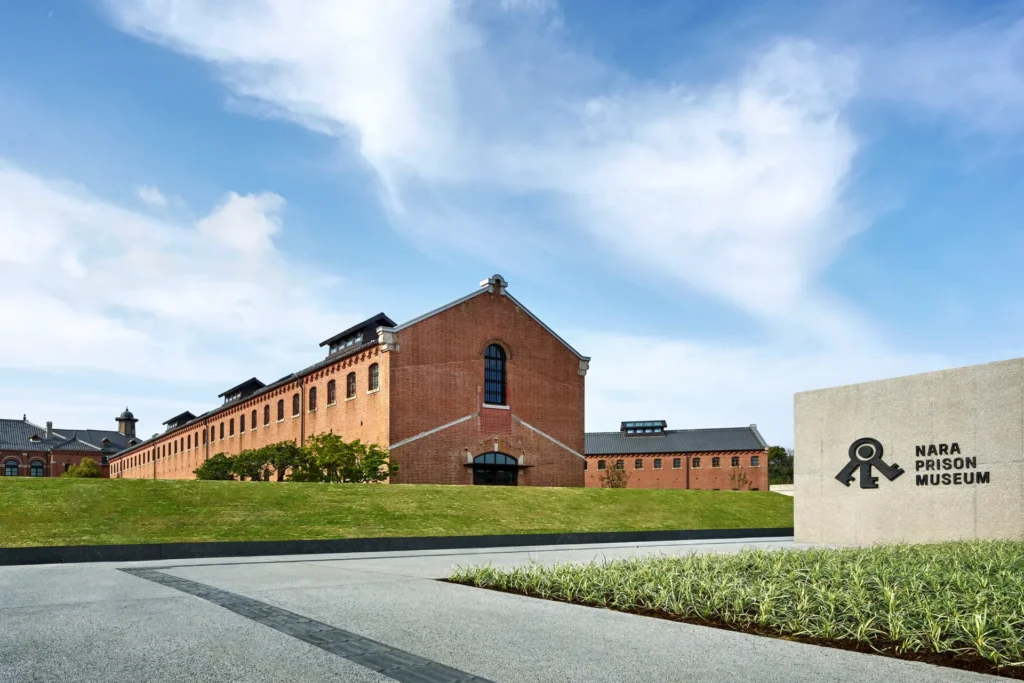
A Guide to Nara Prison Museum by Hoshino Resorts: Access, Ticket, Highlights & Hotel
Just a short distance from Nara Park stands a striking red-brick complex unlike any other sightseeing spot in Japan. Opened in April 2026, Nara Prison Museum by Hoshino Resorts is a cultural facility that preserves and reimagines the former Nara Prison, a nationally designated Important Cultural Property. On this visit, we toured the museum with guidance from the Hoshino Resorts staff and explored the historic grounds firsthand. This on-site report covers everything you need to know before experiencing one of Nara’s newest and most fascinating attractions. Index 1. Overview of Nara Prison Museum 2. How to Purchase Tickets of Nara Prison Museum 3. Access Information of Nara Prison Museum 4. Recommended duration for Nara Prison Museum 5. Highlights of the Preservation Building and Exhibition Area 6. Nara Prison Museum Shop & cafe 7. Luxury Hotel Stay at HOSHINOYA Nara Prison The Five Great Prisons of the Meiji Era—Nara Prison, Nagasaki Prison, Kanazawa Prison, Chiba Prison, and Kagoshima Prison—were constructed during Japan’s modernization period and are renowned for their beautiful brick and stone architecture. Over time, most of these prisons were decommissioned and lost due to aging and redevelopment. Today, the former Nara Prison is the only one where visitors can still see the original Meiji-era structure largely intact. The property remains owned by Japan’s Ministry of Justice. To help fund the preservation and maintenance of this important cultural asset through tourism, Hoshino Resorts oversees the operation of the facility. The Nara Prison Museum by Hoshino Resorts is divided into two main areas: the Preservation Building, which showcases the historic architecture, and the Exhibition Area, where visitors can learn about the prison’s history and cultural significance. 〇Opening Hours: 9:00 AM – 5:00 PM (last admission at 4:00 PM) 〇Closed: Open year-round (Temporary closures for maintenance may occur. Please check the official website before your visit.) It is highly recommended to reserve your tickets in advance through the museum’s official website. Please note that tickets are sold for a specific date and admission time. Once purchased, the date, time, and number of visitors cannot be changed. If you need to make any changes, you must first cancel your existing reservation and then make a new booking. Admission times are divided into the following four time slots, which must be selected at the time of purchase: ・9:00 AM – 10:30 AM ・10:30 AM – 12:00 PM ・12:00 PM – 2:00 PM ・1:00 PM – 4:00 PM Admission Fees Admission Fee Adults (Residents Outside Japan) ¥ 3,500 Adults (Residents of Japan) ¥ 2,500 Adults (Residents of Nara Prefecture) ¥ 2,000 University & High School Students ¥ 1,500 Elementary & Junior High School Students ¥ 700 Preschool Children Free The discounted rate for residents of Japan is available to those who currently live in Japan. Visitors purchasing this ticket type may be asked to present proof of address at the entrance, such as a My Number Card, driver’s license, or another official document showing their residence. Be sure to bring appropriate identification with you on the day of your visit. The most convenient way to reach the museum is by taking the direct shuttle bus to “Nara Prison Museum-mae” Bus Stop, located right next to the entrance. The shuttle operates once per hour in both directions, timed to coincide with the museum’s opening hours. Travel Time ・Approximately 25 minutes from JR Nara Station ・Approximately 18 minutes from Kintetsu Nara Station Bus Fare ・Adults: ¥250 ・Children: ¥130 ・Infants (1 to under 6 years old): One child may ride free per accompanying adult Babies (under 1 year old): Free Payment Methods ・Payment is made when boarding ・Cash and IC cards such as ICOCA Passengers can board or disembark at the following four locations (JR Nara Station / Kintetsu Nara Station / Kencho-mae (Prefectural Office) / Hannyaji Temple) In this article, we will focus on the boarding locations and directions from JR Nara Station and Kintetsu Nara Station. 〇From JR Nara Station (Bus Stop No. 11, West Exit) JR Nara Station has a single ticket gate. Although there are two station exits, be sure to leave via the West Exit. You can easily reach the West Exit by following the station signs. Once outside, head to Bus Stop No. 11 at the bus terminal and board the shuttle bus to the museum. 〇From Kintetsu Nara Station (Bus Stop No. 2) Kintetsu Nara Station has two ticket gates. To access the shuttle bus stop, use the West Ticket Gate. After exiting the gate, proceed to Exit 5 on your right. Go up the stairs, and you will find the bus stop area just outside. Board the shuttle bus from Bus Stop No. 2. The shuttle operates as a standard route bus, so bringing large luggage such as suitcases can be difficult due to limited space onboard. It is recommended that you leave them at your hotel or at JR Nara Station or Kintetsu Nara Station before heading to the museum. According to the museum’s official website, most visitors spend approximately 1.5 to 2 hours exploring the Nara Prison Museum. If you would like to take your time fully appreciating the architecture, it is a good idea to allow around 2.5 hours for your visit. Those planning to stop by the cafe or the museum shop should consider setting aside an additional 30 minutes to 1 hour. Visitors enter the Nara Prison Museum through a large gate and pass into a striking complex surrounded by red-brick walls. Brick architecture is one of the defining features of the former prison, and remarkably, many of the bricks used throughout the site were made by inmates themselves alongside skilled brick craftsmen. It is said that more than 150,000 prisoners were involved in the construction of the facility. The museum is divided into two main sections, the Preservation Building and the Exhibition Area, both of which are designed to be explored along a designated route. The tour begins with the Preservation Building. From the entrance, visitors follow a path that circles the exterior of the historic structure. As there is very little shade along this outdoor section, visitors traveling during the summer months may find it helpful to bring a parasol or a hat. One of the best places to appreciate the prison’s distinctive Haviland System layout is the area between the entrance and the Preservation Building. There is even a designated photo spot marked along the route, making it the perfect place to capture the unique radial design of the complex. This aerial photograph clearly shows the prison’s distinctive Haviland System design, with the buildings extending outward in a radial pattern from a central hub. The unique layout can be easily appreciated from this perspective. The Preservation Building is the Third Cell Block, located at the center of the five prison wings that extend outward in a radial pattern. All of the cells are single-occupancy cells, and the corridor walls, doors, and many other features have been preserved in their original condition. Some of the cells are open to visitors, allowing you to step inside and experience the space where inmates once lived. Visitors can also peer into the cells from the guards’ perspective, offering a glimpse of what prison supervision was like at the time. Both the corridors and the cells are surprisingly bright, filled with natural light. The space is far more open and well-lit than many people might imagine when they think of a prison. This brightness was intentional—the building was designed with consideration for human rights, incorporating ample natural lighting to create a healthier living environment for inmates. The exhibition area of the Nara Prison Museum is divided into three sections, each featuring exhibits centered around a different theme. This section introduces the history of Japan’s prison modernization efforts as well as the story of the former Nara Prison. Visitors can also learn in detail about the prison’s distinctive Haviland System and the ideas behind its radial design. One feature not to miss is the wall located just inside Block A. Over the years, the original brickwork was covered with white plaster, but part of the plaster has been removed to reveal the historic bricks underneath, allowing visitors to see the original structure as it once appeared. This section explores daily life in modern Japanese prisons, including meals, work programs, and rehabilitation efforts. Visitors can watch videos of the work actually carried out by inmates and view examples of the finished products they create. These vocational programs not only support rehabilitation but also help preserve traditional craftsmanship and specialized skills that are becoming increasingly rare in local communities due to a shortage of successors. Visitors can also experience the view from a prison cell window—the same scenery that inmates may have looked out upon during their limited moments of free time. The pond and maple trees that visitors pass while moving between the exhibition areas have also been preserved from the prison’s operational days. This area, once used as the prison infirmary, has been repurposed as a gallery space showcasing works by five artists alongside creations by inmates. Visitors can also view original manga artwork by Kazuichi Hanawa, who drew on his own experiences of incarceration in his work. One initiative unique to the Nara Prison Museum is the Prison Postcard Project. Visitors are invited to write down their thoughts and reflections after viewing the exhibits, and some of these postcards are planned to be delivered to correctional facilities, creating a meaningful connection between visitors and those currently living within the prison system. At the end of the exhibition, visitors can also view a collection of prison art, including paintings, calligraphy, and literary works created voluntarily by inmates. At the cafe, visitors can enjoy food and drinks inspired by the unique history and stories of the former Nara Prison. One item you won’t want to miss is the Brick Style Curry Bread. Curry was reportedly one of the most popular meals served during the days of the former Nara Juvenile Prison. Its rectangular shape is designed to resemble the prison’s iconic red bricks. The spicy version was particularly delicious, while a mild curry bread is also available for those who prefer less heat. Another charming detail can be found on the cafe cups. The cat illustration printed on them is actually shaped like Nara Prefecture, and the small white dot indicates your current location. It’s a thoughtful design touch that’s easy to overlook, so be sure to take a closer look. Other menu items include cheesecake and sparkling drinks made with fruits grown in Nara Prefecture. Since the cafe does not offer full lunch meals, it is best suited for a light snack or coffee break. The museum shop features a range of distinctive products designed by Taku Satoh and his design studio, TSDO. Popular items include original pin badges and T-shirts emblazoned with the words “Nara Prison.” Visitors can also purchase some of the prison work products featured in the exhibition area. As there is no online shop and these items are available only to museum visitors, it’s worth double-checking your purchases before leaving so you don’t miss out on a favorite souvenir. HOSHINOYA, the luxury hospitality brand known for creating extraordinary experiences through unique concepts at each of its properties, will open HOSHINOYA Nara Prison on June 25, 2026. The hotel is housed within the former Nara Prison, a nationally designated Important Cultural Property. The ninth property in the HOSHINOYA collection, “HOSHINOYA Nara Prison” is built around the concept of “An Important Cultural Property at Dawn.” Former solitary confinement cells have been thoughtfully transformed into elegant and tranquil guest accommodations. All 48 guest rooms are designed as suites. As a former prison, Nara Prison Museum offers an experience unlike any other, seamlessly blending a remarkable historic building with thoughtfully curated contemporary exhibitions. As one of Nara’s newest attractions, it is well worth adding to your itinerary. If you’re looking for a meaningful and memorable experience beyond the city’s traditional sightseeing spots, be sure to pay a visit.
-

How to Wear a Yukata: Basic Etiquette to Know Before Visiting an Onsen
When you arrive at a traditional onsen hotel, you’ll usually find a yukata prepared in your room. Putting it on instantly enhances the feeling of being on a relaxing getaway. In this guide, we’ll walk you through how to wear a yukata correctly, along with essential etiquette and styling tips—so you can fully enjoy both the onsen experience and your yukata look. Index 1. How to Wear a Yukata Properly ・Learn the basics ・Differences between men’s and women’s styles ・Yukata vs. kimono ・Left side over right! ・Preparing innerwear ・Basic hairstyles 2. Tips & Etiquette When Wearing a Yukata ・Check your accommodation’s rules ・Graceful manners in a yukata (1) Put It On Slip on the yukata and place your arms through the sleeves. Hold both ends of the collar evenly and adjust the garment so that the seam at the back runs straight down the center of your back. (2) Wrap It Adjust the length so the hem falls around your ankles. Wrap the right side of the yukata first, then fold the left side over it. Make sure the left side is always on top. (3) Tie the Obi (Belt) Hold the wrapped yukata in place and wrap the obi around your waist from front to back, crossing it behind you and bringing it back to the front. Women typically tie it around the waist, while men tie it lower around the hips. Finish with a simple bow (ribbon knot) to complete the look. Yukata provided at onsen ryokan are often unisex, but there are some differences in how men and women wear them. <For Women> The obi (belt) is tied higher around the waist, and the knot can be worn either at the front or the back. <For Men> The obi is tied lower, around the hips, which creates a more stylish and traditional look. The knot is typically positioned at the back. In Japan, both kimono and yukata are traditional garments, but they are worn in different settings. Kimono range from formal to casual and are chosen based on the occasion. Yukata, on the other hand, are more casual and are commonly worn at onsen ryokan, in hot spring towns, or as stylish attire for summer festivals and fireworks displays. Starting with a yukata is a great way to get comfortable before trying a kimono for more formal occasions. One of the most important rules when wearing a yukata is how you wrap it. Always fold the left side over the right. Wearing it the other way around is reserved for dressing the deceased and is considered inappropriate. A simple way to remember: when worn correctly, you should be able to slip your right hand into the front opening of the yukata. Since yukata are often made from lightweight fabric, it’s best not to wear them directly on bare skin. Instead, wear undergarments or innerwear that are not see-through. Breathable, sweat-absorbing inner layers will keep you comfortable and help maintain a neat appearance. For women, an updo is highly recommended. It highlights the neckline and creates a clean, elegant look around the nape, enhancing the refreshing and airy feel unique to yukata. If a full updo feels difficult, simply tying your hair into a neat bun and adding a single hairpin (kanzashi) can instantly elevate your overall style. At most onsen ryokan, yukata can be worn throughout the property, including guest rooms, public baths, and dining areas. Depending on the ryokan, you may also be allowed to wear it while զբ strolling around the hot spring town. However, some accommodations may restrict yukata in certain spaces, such as restaurants. Since rules vary by facility and location, it’s best to check in advance for peace of mind. To wear a yukata beautifully, it’s important to be mindful of your movements and posture. Walking: Take slightly smaller steps than usual. When using stairs, gently lift the hem and move slowly. Be careful not to step on the fabric, as it can cause you to trip. Sitting: Sit shallowly on chairs and keep your knees together. Avoid spreading or crossing your legs, as this can cause the yukata to open. When squatting, keep your knees together and lower your body with a straight back for a more elegant appearance. Dining: Yukata sleeves are longer than you might expect. When reaching for dishes, lightly hold your sleeve with your opposite hand. This not only looks graceful but also helps prevent the fabric from getting dirty. We’ve introduced the basics of how to wear a yukata and essential etiquette. Knowing these tips in advance will make your onsen trip even more enjoyable and comfortable. Use this guide to fully appreciate the charm of yukata and enjoy a truly memorable experience. ▼Check these articles▼ Best 7 Onsens (Hot Springs) Near Osaka 5 Private Onsen & Baths to enjoy in Osaka! Hot spring resorts to stay overnight or enjoy on a day trip