兵庫縣
相關文章
-
日本及關西地區6種必嘗麵包
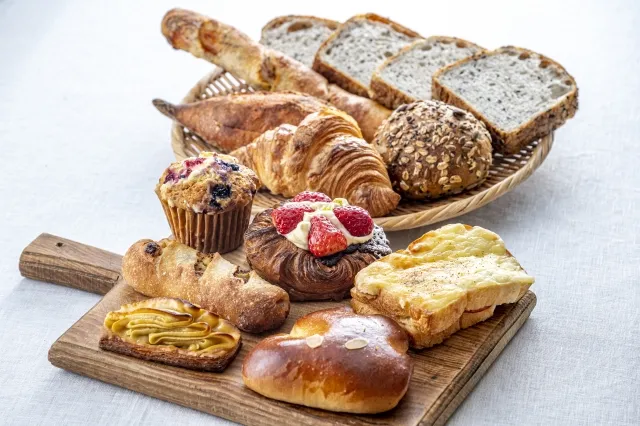
談到日本料理,壽司、拉麵和傳統甜點常常成為焦點。然而,日本同時擁有獨特且高度演變的麵包文化,提供你在其他地方找不到的風味與創意。本文介紹三種據說起源於日本的麵包,以及三種關西地區的麵包特色,這些麵包在超市和車站都很容易找到。無論你是美食愛好者還是休閒旅客,這份指南都會讓在日本挑選麵包變得更加有趣且有成就感。 -指數-1。日本麵包簡史 2。造訪日本必嘗的三種麵包:1)哈密瓜烤盤 2)咖哩鍋 3)炒麵烤盤 3。關西本地麵包可在超市和車站購買 1) 靜屋(京都):Karne 2) 麵包店 寿(姬路):壽葡萄麵包 3) 鶴屋麵包(滋賀):沙拉麵包據說於16世紀戰國時代從葡萄牙傳入日本。直到明治時代,紅豆麵包才開始普及,之後甜紅豆包和奶油鍋等獨特的日本麵包陸續出現,並逐漸紮根於日本飲食文化中。在日本,麵包傳統上並非主食,而是作為點心或輕食享用,這促成了現今多樣且具創意且獨特的麵包。以下是三款深受世代喜愛的經典日本麵包,每一種都有其獨特的魅力。 哈密瓜盤是一種甜麵包,是將一層酥脆的餅乾麵團覆蓋在軟麵包麵團上烤製而成。其標誌性魅力在於酥脆的外觀與蓬鬆的內裝形成對比。儘管名字如此,但它並不像哈密瓜——這款麵包的名字就是因為它的哈密瓜狀外觀。 推薦地點:世界第二佳新鮮烘焙哈密瓜烤盤冰淇淋 – Amerikamura,位於大阪新齋橋 這家受歡迎的店家提供熱騰騰的新鮮烤瓜盤,夾著冷冰淇淋。冷熱混合,帶來入口即化的美味體驗,令人上癮——絕對值得排隊等待。咖哩盤是一種獨特的日本鹹味麵包:咖哩包裹麵團,裹上麵包屑,然後油炸。外酥內香,內裡濃郁綿密,完美融合了兩款深受喜愛的食物——麵包與咖哩——一口美味。 推薦地點:Sunny Side Bakery(大阪與兵庫地區) 招牌菜品之一「Melty Homemade Beef Curry Pan」充滿了厚重的牛肉和風味濃郁的咖哩麵糊。陽光之側大阪浪庭之庭分店於2025年3月在浪庭宮遺址公園內開幕,對旅客特別方便。在露天露臺或草坪上享用咖哩盤,體驗更佳。炒麵盤以炒麵豐富塞入柔軟且拉長的麵包捲中。這種碳水化合物對碳水化合物的組合,無論大人小孩都喜愛,聽起來或許不尋常,但效果出乎意料地好。咬一口,你就會明白為什麼它這麼受歡迎。 推薦地點:Tansei(大阪縣高槻市)這家從著名大阪梅田店ROUTE271重生的麵包店,以用心的食材搭配和細心的製作聞名。他們傳奇的泰式炒麵鍋,曾經在ROUTE271年大賣,現在偶爾還會出現——如果你有幸在合適的日子造訪,請務必留意!在日本,你會看到在社區超市和車站攤販售的區域「地麵包」(gotōchi pan),每一種都反映出當地的口味和飲食文化。何不把它納入旅程,邊走邊享用這些容易找到的關西靈魂料理呢?在京都知名的靜屋烘焙坊,招牌商品「Karune」每天能賣出數千件。這款簡單的三明治包含圓形法式麵包,內餡是奶油、去骨火腿和酥脆洋蔥。其簡潔突顯了食材的品質,帶來既懷舊又令人上癮的風味。 靜屋商店分布於京都主要地點,如JR京都站、京都地下鐵線的四條站,以及京阪線的祇園四條站。在兵庫縣姬路市的壽麵包店,這款葡萄乾麵包——麵包中大量塞滿葡萄乾——世代深受當地人喜愛。它帶有懷舊的味道、溫和的甜味,以及令人滿意的豐盛口感。 雖然主店有點偏僻,但你可以方便地在姬路站新幹線售票口前的7-Eleven購買。沙拉麵包(Sarada Pan)是滋賀縣長濱市鶴屋館製作並販售的知名地方特色料理,經常出現在媒體上。這款柔軟纖細的麵包內餡是令人驚訝的食材:切絲醃蘿蔔(takuan)與美乃滋混合!聽起來或許出乎意料,但麵包的甜味與醃黃瓜的鹹脆口感完美平衡,創造出令人上癮的風味。這是真正的滋賀靈魂食物。 如果你想一次品嚐各式各樣推薦的麵包和獨特的日本料理,可以前往大阪梅田區的梅田總店阪神。在一樓,你經常會看到輪流舉辦的麵包快閃活動,介紹來自關西及日本各地的知名烘焙坊——非常適合隨時隨地的麵包愛好者。 ▼ 請查看這篇文章 ▼阪神梅田總店:美食天堂,免稅購物與獨家商品 你覺得我們的選擇如何?除了這裡介紹的麵包外,日本還有許多獨特且美味的麵包,這些麵包以各自獨特的方式演變而來。旅行時別忘了找找你自己最愛的!
-

大阪附近 7 個最佳溫泉及入浴方式
Onsen, or hot spring, is definitely one thing that you need to experience in Japan! If you have limited time but are eager to enjoy the unique atmosphere of a hot spring town, spend a night at an onsen inn, or combine sightseeing with a quick visit to a hot spring, we have selected some of the best hot springs and onsen towns near Osaka. Check the following recommendations as inspiration for planning your trip! Index Onsen etiquette: Everything you need to know about hot spring One of the best Japanese onsen towns near Osaka & Kyoto: Arima Onsen Coastal delights and hot spring town near Osaka: Kinosaki Onsen Hidden gem for hot spring enthusiasts: Takedao Onsen Koyokan Bettei Azalee Natural hot springs with private bath options in center Osaka: Solaniwa Onsen Can also visit Minoh Waterfall: Ooedo Onsen Monogatari Minoh Onsen Spa Garden Enjoy two types of natural hot springs in private rooms: Takenosato Onsen Manyo no Yu Only 50 minutes from Osaka by Hankyu Railway: Kyoto Arashiyama Onsen Fu Fu no Yu Before you try Japan’s hot springs, understanding onsen etiquette is essential. In Japan, there is a deep-rooted etiquette for enjoying hot springs, which centers on showing consideration for others sharing the bath. Knowing this etiquette is also part of the cultural experience! Here, we introduce some general guidelines to follow. 1.Please avoid bathing after consuming alcohol. 2.Before entering the bath, make sure to rinse off any dirt by using the shower and soap. 3.Keep your hair and towel out of the bath water. It is considered impolite to enter the bath in a swimsuit or underwear. 4.Diving or swimming in the bath is not allowed. 5.When using the shower or wringing out towels, take care not to splash water on others. 6.Before leaving the bath area, wipe off excess water from your body with a wrung-out towel. 7.The use of smartphones and taking photos is prohibited in both the bath and dressing room areas. Besides, having tattoos may often restrict access to public baths. It’s recommended to check the rules on the official website of any hot spring facility you plan to visit. Recently, some facilities allow guests with tattoos if they are covered with stickers. Additionally, selecting an accommodation with a private bath attached to the room or opting for a reservable private bath are great options for tattooed guests to enjoy the onsen or hot spring. Located in Hyogo, Arima Onsen is a recommended hot spring town for travelers coming from Osaka or Kyoto. It’s not only one of Japan’s three best historical hot springs, but also stands out for its easy accessibility. Dating back to around the year 600, Arima Onsen offers a unique experience with two distinct types of hot springs: Kinsen, a reddish-brown spring rich in iron, and Ginsen, a clear, radon-infused spring. These springs differ remarkably in appearance, scent, and feel. Be sure to try both at the public baths Kin-no-Yu and Gin-no-Yu to fully appreciate their unique qualities! * “Kin-no-Yu” and “Gin-no-Yu” are both tattoo-friendly. The hot spring town is packed with souvenir shops and local eateries, making it a great place for leisurely strolling. While exploring, you might even see the steam rising from the springs! For convenient access, express buses run directly to Arima Onsen from Osaka Umeda and Kyoto, making it easy to travel even with larger luggage. Travel time from Osaka to Arima Onsen is about an hour one way by express bus, making it an easy day trip option. However, with a variety of ryokan and hotels to choose from, staying overnight is also a great choice to fully immerse yourself in the charming atmosphere of this onsen town. If you’re looking to visit Arima Onsen affordably, consider the “Taiko-no-Yu” coupon, which includes a rail pass and admission to the “Taiko-no-Yu” onsen facility—a perfect package for getting the most out of your visit! ▼Check here for more details▼ How to Get to Arima Onsen from Osaka, Kyoto, and Kobe – A Complete Transportation Guide The 10 best food and sweets in Arima Onsen Town Arima Onsen Taikou-no-yu Package Tickets Kinosaki Onsen, located close to the Sea of Japan in northern Hyogo Prefecture, is one of Kansai’s most popular hot spring towns besides Arima Onsen. During winter, many visitors flock here to enjoy the famous crabs caught locally around Kinosaki Onsen. The highlights of Kinosaki are savoring fresh seafood and hopping between its unique public baths! In addition to crab, the town’s restaurants serve fresh sashimi and seafood rice bowls. The “soto-yu meguri,” or bath-hopping, invites you to visit the town’s seven public baths, each with its own architecture, atmosphere, and water qualities. Enjoy the variety as you explore each one! *All 7 public baths of Kinosaki Onsen are tattoo-friendly. Winter is the ideal season to visit Kinosaki Onsen, offering a chance to witness the enchanting snowy landscape that adds to the charm of this traditional hot spring town. An overnight stay is highly recommended to fully enjoy Kinosaki’s atmosphere. Stroll through the town in yukata and geta provided by the inn, experiencing a unique side of Japanese culture. For an additional activity, try your hand at the traditional craft of making mugi-wara zaiku, or straw craft, for an authentic local experience. About an hour by train from Osaka Umeda, Takedao Onsen Koyokan Bettei Azalee sits quietly in the Takarazuka Valley. This serene inn is ideal for those seeking a more relaxed stay surrounded by nature rather than in a bustling hot spring town. Each guest room at Takedao Onsen Koyokan Bettei Azalee is a private cottage with its own 100% natural hot spring bath. Here, you can enjoy uninterrupted relaxation while taking in the natural scenery. As a private space, it’s also tattoo-friendly. In the evening and morning, Japanese cuisine crafted with seasonal ingredients are prepared, including options with premium Japanese Black Wagyu beef for sukiyaki or shabu-shabu. There’s also a spacious open-air communal bath (accessible to guests with tattoos), where you can enjoy soaking in a large, scenic hot spring. For those on a tighter schedule, Takedao Onsen Koyokan Bettei Azalee offers day-use options, including guest rooms with private, natural hot spring baths. If you don’t have time to venture out of town, Solaniwa Onsen in Osaka offers a convenient and relaxing hot spring experience within the city. Located 10-minute from Osaka Umeda by JR and right outside Bentencho Station, this onsen theme park features a grand bath area with nine different types of baths. Plus, the rooftop boasts an expansive 3,300 square meters Japanese garden—perfect for strolls and photo ops! Another great reason to visit Solaniwa Onsen is the private baths. There are ten private rooms equipped with open-air baths, a tsuboniwa (small traditional garden), and a relaxation space. For a more authentic onsen experience, there are special tatami-mat rooms, which offer the ambiance of a traditional Japanese inn right within the city. ▼Check this article▼ 4 private onsen & baths to enjoy in a private room in Osaka! Hot spring resorts where you can stay overnight or enjoy a day trip *Both the hot spring and inn are closed for an extended period of time for maintenance starting March 31, 2025. Located in northern Osaka, Minoh Waterfall is a scenic spot surrounded by a lush forest park. It’s the perfect destination for those looking to escape the hustle and bustle of the city and experience another side of Osaka’s natural beauty. Near Minoh Waterfall, you’ll find the hot spring theme park “Ooedo Onsen Monogatari Minoh Onsen Spa Garden.” Known as “beauty water” for its smooth, viscous texture, the high-quality bicarbonate spring here offers a soothing experience. The facility is packed with entertainment activities, providing visitors with chances to experience traditional Japanese culture! The large bath area features a Japanese aesthetic with a wall mural of Mt. Fuji, tatami flooring, and a stone bridge, creating a unique and relaxing ambiance. There’s also an outdoor bath for enjoying the open air. In addition, there are free performances, including traditional theater and music shows, along with classic Japanese pastimes like table tennis (a favorite onsen activity) and stalls offering fun games like shooting galleries. Wearing a yukata, you can enjoy a festive atmosphere reminiscent of a traditional Japanese fair. By the way, how about combining a visit to Minoh since it is right nearby? ▼Check this article▼ Minoh, one of the famous tourist spots in Osaka Minoh, Osaka-1 Day Trip|Enjoy The Most Beautiful Nature in Osaka! Kyoto Takenosato Onsen Manyo no Yu is a 24-hour natural hot spring, a rarity in Kyoto City, offering two types of mineral-rich spring water, “simple spring” and “sodium bicarbonate spring.” Known as “beautifying waters,” both types will leave your skin feeling silky smooth! Inside the facility, you’ll find nine types of baths, including open-air baths, jacuzzis, high-concentration carbonated baths, reclining baths, and saunas. There are also private rooms with open-air baths available for day-use, offering a serene and private experience. At Takenosato Onsen Manyo no Yu, you can enjoy the onsen on its own, but it’s even better to combine it with sightseeing in the Kyoto Nishiyama area! The Kyoto Nishiyama area is actually a hidden gem! Here, you’ll find traditional temples, a grand bamboo grove (even larger than the one in Arashiyama!), and the world-famous Suntory Yamazaki Distillery (tours require advance reservation). For more detailed highlights of Kyoto Nishiyama, check out the article linked below! ▼Highlights on Kyoto Nishiyama▼ Kyoto Nishiyama|An undiscovered sightseeing spot in Kyoto! Arashiyama, one of Kyoto’s most popular sightseeing spots, also has its own hot springs! “Kyoto Arashiyama Onsen Fu Fu no Yu” is a day-use hot spring facility located about an 8-minute walk from Hankyu Arashiyama Station. Positioned across from the scenic Nakanoshima Park in the Arashiyama district, it offers a convenient stop during your sightseeing, with views of the famous Arashiyama and Togetsukyo Bridge nearby. At the indoor baths of Fufu-no-Yu, you can enjoy the natural “Arashiyama Onsen.” The spring water at Arashiyama Onsen is a mildly alkaline simple spring, known for its therapeutic benefits for nerve and muscle pain, as well as its skin-beautifying properties perfect for soothing tired feet after sightseeing. The onsen also features a rustic open-air bath, where you can relax deeply while soaking up the natural ambiance. Body soap and shampoo are provided, and rental towels are available, so you can drop in anytime during your travels without needing to bring anything along. ▼Check this article▼ Arashiyama, Kyoto-1 Day Trip|From Popular Spots to Best Kept Secret Spots! Kyoto Arashiyama Sightseeing Half-day Model Course! Capture the bamboo forest, temples, nature, and major spots! 8 Sweets in Arashiyama, Kyoto, from Easy Eats to Stylish Cafes We’ve introduced hot springs that are easily accessible from central Osaka and perfect to pair with sightseeing. Soak in large baths filled with mineral-rich waters and let the relaxation wash over you. Experience the long-cherished culture of onsen in Japan—it’s a must-try during your visit!
-
淡路島交通指南:從大阪、神戶和明石出發
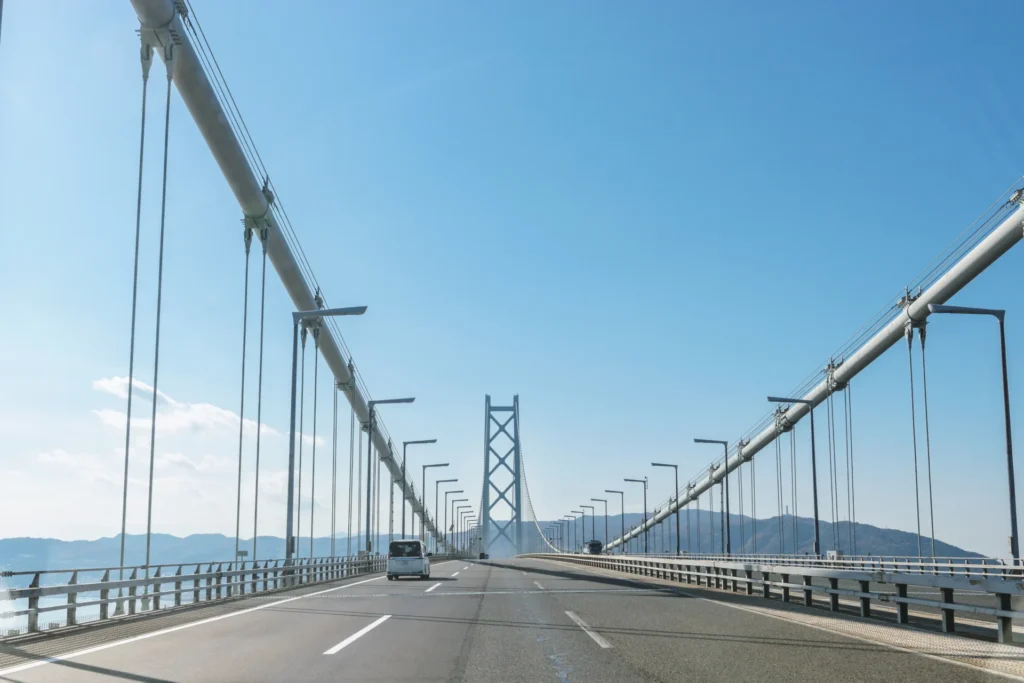
兵庫縣的淡路島擁有眾多景點,從風景優美的觀景點和美味的當地美食,到“二次元之森”和“淡路夢舞台”等熱門景點,以及“快樂煎餅”等海濱咖啡館,應有盡有。從大阪或神戶出發,一日遊即可輕鬆抵達。您也可以從關西地區的多個地點租車自駕前往,但本文將介紹如何搭乘大眾運輸工具前往。我們將重點介紹從大阪和神戶前往淡路島的交通方式,特別是高速巴士,並提供行程時間和票價資訊。 <目錄> 1. 從大阪難波前往淡路島 2. 從大阪梅田前往淡路島 3. 從神戶三宮前往淡路島 4. 從明石乘坐渡輪前往淡路島 5. 前往淡路島的要點 從難波前往淡路島有兩種方式:乘坐直達高速巴士或換乘火車和巴士。搭乘巴士:高速巴士可從JR難波站港町巴士總站出發,由西日本JR巴士運營,停靠「二次元之森」站;或從南海難波站出發,由Foot Bus/高鬆快線經高速淡路七號線運營。建議選擇西日本JR巴士,因為其提供多語言預訂頁面。搭乘火車+巴士:從大阪難波站搭乘阪神難波線至舞妓公園站,然後步行約7分鐘至高速舞妓巴士站。根據您的目的地,從那裡乘坐由西日本JR巴士、本市海峽巴士、淡路交通或神姬巴士運營的高速巴士。班次很多,但建議提前透過西日本JR巴士的多語言預訂頁面預訂。從JR難波站港町巴士總站搭乘特快巴士,從南海難波站搭乘特快巴士,從大阪難波站搭乘阪神列車,再從高速舞妓巴士站搭乘特快巴士。發車頻率:每天2班,每小時1班。特快巴士:選擇眾多。票價:成人:1850日圓起;兒童:930日圓起;成人:2630日圓;兒童:半價;成人:火車970日圓+巴士600日圓起;兒童:半價;轉乘:無須;營運時間:上午8:00-9:00;上午6:00-晚上9:00;火車和巴士:上午5:00-晚上11:00。優勢:票價較低。・僅可搭乘巴士直達。・直達二次元之森。・僅可搭乘巴士直達。・班次頻繁,方便安排行程。・行程時間短。・高速舞妓站出發的巴士線和班次豐富,可依最終目的地選擇。缺點:・班次較少。・距離主要旅遊景點(淡路七站)較遠。・需要換乘。 *票價截至2025年11月4日。高速舞妓站有多條高程巴士線。詳情請參閱「高速舞妓巴士總站資訊」。如果您乘坐沿著西海岸行駛的淡路交通或神姬巴士淡路島西海岸線,並在“幸福之鬆餅淡路島度假村前”巴士站下車,即可一邊欣賞美麗的海景,一邊享用蓬鬆的鬆餅。淡路島內有六條由淡路交通巴士營運的路線。選擇合適的線路,有效率地出行。您也可以從大阪/梅田搭乘高速巴士前往淡路島。高速巴士包括西日本JR巴士(從JR大阪站高速巴士總站出發,停靠「二次元之森」)和步行巴士/高鬆快車(從JR大阪站櫻橋出口高架軌道下方出發,停靠「速淡路七」)。其中,推薦搭乘西日本JR巴士,因為它提供多語言預訂服務。從JR大阪站搭乘高速巴士前往高速巴士總站;從JR大阪站前,櫻橋出口高架橋下方搭乘高速巴士;從JR大阪站搭乘JR列車,然後從高速舞妓巴士站搭乘高速巴士。發車頻率:每天2班,每小時1班;高速巴士:多種選擇。票價:成人:1,850日圓起;兒童:930日圓起;兒童:半價;不需換乘;無須換乘;所需時間:約1.5小時(至二次元之森);約2小時(至淡路)。 1小時(至淡路IC/二次元之森)運行時間:9:00、10:00、14:00(具體時間為巴士發車時間) 火車和巴士運行時間:上午6:00至晚上9:00 火車和巴士運行時間:上午5:00至晚上11:00 優勢:・票價較低。・僅可搭乘巴士直達。・直達二次元之森。・僅可搭乘巴士直達。・班次頻繁,方便安排行程。・行程時間較短。・高速舞妓站出發的巴士線和班次選擇多樣,可依最終目的地選擇。 劣勢:・班次較少。・距離主要旅遊景點(淡路七站)較遠。・需要換乘。 *票價截至2025年11月4日。從三宮巴士總站出發,西日本JR巴士、本市海峽巴士和港口觀光巴士營運的高速巴士開往各個目的地。從神姬三宮巴士總站出發,神姬巴士和淡路交通營運的高速巴士也開往不同地區。以下列出部分主要線路。請注意,停靠站點會根據時間和巴士公司而有所不同,因此請務必提前查詢。其中,推薦使用西日本JR巴士,因為它提供多語言預訂服務。三宮~洲本地區 三宮~淡路夢舞台、東浦地區 三宮~南淡路(陸之港正潭、福倉地區) 三宮~西浦地區(五色、高田屋地區) 營運巴士公司及乘車地點(三宮巴士總站):西日本JRR姬巴士、本志海峽巴士(峽谷西河總巴士站) (三宮巴士總站):本子海峽巴士 (姬神三宮巴士總站):姬神巴士、淡路交通 (姬神三宮巴士總站):姬神巴士、淡路交通 班次 數量 每小時 1 至 3 趟 每小時 1 趟 每小時 1 至 2 班次 票價 每小時 1 至 3 趟 每小時 1 趟 每小時 1 至 2 班 票價 大人:780 天大人1,050日圓以上兒童:半價成人:950日圓起 兒童:半價 成人:950日圓起 兒童:半價 主要站點及行程時間 ・二次元之森(約40分鐘) ・大之路世界公園(約1小時20分鐘) ・洲本巴士中心(約130分鐘巴士中心(約130分鐘)・東浦巴士總站(約1小時) ・陸之港素店(約1小時20分鐘) ・淡路IC(約1小時10分鐘) ・陸之港素食店(約1小時20分鐘) ・幸福之煎餅淡路島度假村前(約55分鐘) 濱・尾上之時(約13小時)福1小時40分鐘)・嘉布科斯塔橙子前(約1小時)・伊邪那岐神社前(約1小時10分鐘)・高田屋河平公園(約1小時35分鐘) 運營時間:上午6:00至晚上11:00 上午6:00至晚上11:00 上午6:000至晚上11:00 上午6:00至晚上11:00 上午6:000000000000000 至晚上10000000 上午100000000 *票價截至2025年11月4日。此外,神姬巴士和本市海峽巴士營運北淡路西海岸線,途經淡路縣立公園和全保聖營等目的地。港觀光巴士每天也營運六班高速巴士。這些巴士會在淡路交流道、東浦交流道和洲本交流道等站點停靠,然後繼續前往最終目的地陸之港青丹。對於從明石前往淡路島的旅客,強烈建議搭乘淡路島高速渡輪「淡路傑諾瓦線」。從明石港到淡路島岩屋港的航程僅需約13分鐘,既快速又經濟實惠。途經明石海峽大橋時,您還可以欣賞瀨戶內海的壯麗景色。從JR明石站或山陽明石站步行約10分鐘即可到達明石港。岩屋港碼頭一樓提供電動輔助自行車租借服務,碼頭正前方即巴士站。營運時間:約早上5:00至晚上11:00,每小時1-3班。票價:成人700日圓,兒童350日圓。・高速巴士需提前預約。・即使在同一區域內,巴士站也可能有所不同,請務必事先查看地圖。・一日遊時,建議將大件行李寄存在飯店或車站,以便輕裝出行。 ▼更多詳情▼ 輕鬆出遊 | 大阪梅田站阪急觀光中心提供行李寄放與運送服務。淡路島位於神戶地區,交通便利,從大阪和神戶均可輕鬆抵達,自然風景旖旎。全年氣候溫暖宜人,也是其一大亮點。在關西地區旅行時,不妨安排一天時間前往淡路島。 ▼查看這篇文章▼ 這裡是必去之地!與淡路島自然風景完美融合的絕美建築!
-
神戶推薦的4家動物園
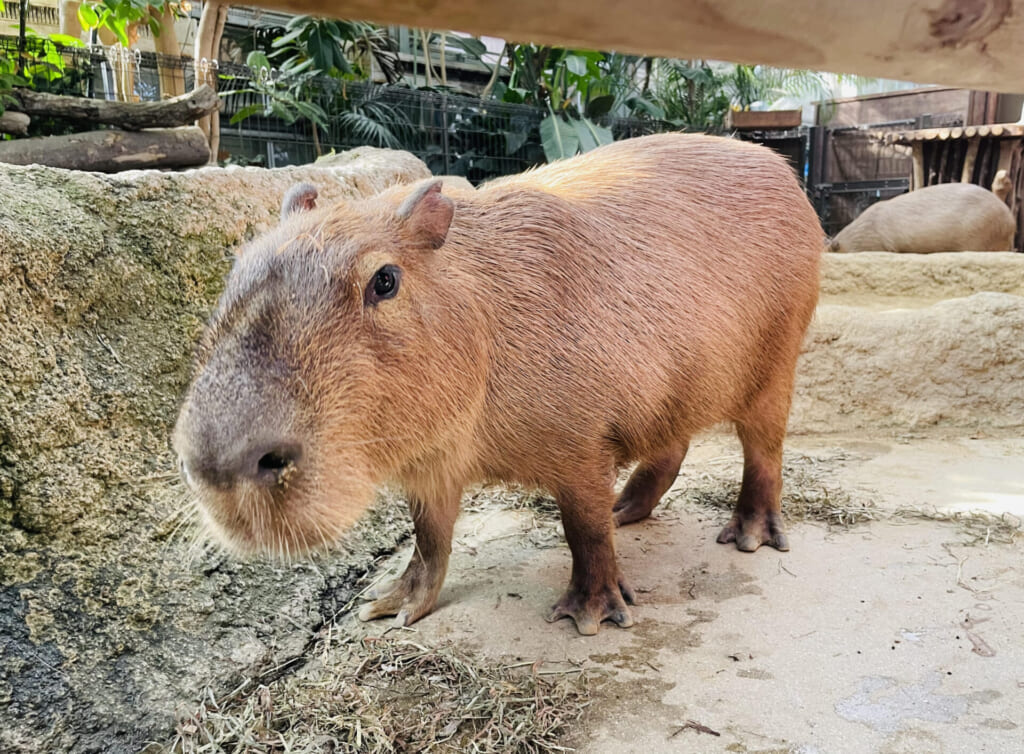
From hands-on animal encounters to amusement parks, and all-weather facilities where you can have fun even on rainy days-these zoos in Kobe and Himeji each have their own unique charm. When sightseeing in Kobe or Himeji, be sure to enjoy Japan’s zoos as well. Index Kobe Oji Zoo: Popular for its retro amusement park enjoyed by both kids and adults Kobe Animal Kingdom: An all-weather facility where you can interact with animals in a natural-like environment Himeji City Zoo: Located right next to Himeji Castle, offering fun at an affordable price Himeji Central Park: From safari park to roller coasters, it has it all A Quick Overview of All Zoos Admission Fee Travel Time from Osaka Umeda Kobe Oji Zoo Adults (high school and up): ¥600. Free admission: Kobe city residents aged 65 or older / students (high school, middle school, elementary school, and preschool age) who live or attend school in Kobe. Take the Hankyu Kobe Line from Osaka-Umeda Station to Oji-koen Station. <30 minutes> Kobe Animal Kingdom Adults (middle school and up): ¥2,200 Elementary school students: ¥1,200 Preschoolers (ages 4-5): ¥500 Seniors (age 65 and up): ¥1,600 Take the Hankyu Kobe Line from Osaka-Umeda Station to Portliner Keisan Kagaku Center Station. <1 hour> Himeji City Zoo Adults (high school and up): ¥250. Children (5 to middle school): ¥50 Take the Hanshin Main Line from Osaka-Umeda Station to Sanyo Main Line Himeji Station, then it’s a short walk. <1.5 hours> Himeji Central Park Adults (middle school and up): ¥4,000 to 4,400. Children (elementary school students): ¥2,200 to 2,500. Preschoolers (ages 3 to under elementary school): ¥1,300 to 1,500 yen. *Admission fees may vary by day. *An extra fee is required for the safari bus. Take the Hanshin Main Line from Osaka-Umeda Station to Sanyo Main Line Himeji Station, then take the Shinki Bus to Himeji Central Park. <1.5 hours> Home to about 650 animals of 120 species, including large mammals such as elephants, giraffes, and polar bears, Kobe Oji Zoo is one of the few zoos in the Kansai region where you can see koalas. Popular attractions include the “Fureai Plaza,” where visitors can interact directly with animals, and the “Animal Science Pavilion,” where you can learn about animal ecology and habitats. Another unique feature is its attached retro-style amusement park. The grounds are home to about 100 cherry trees, which bloom beautifully in spring. A seasonal highlight is the “Night Cherry Blossom Walk,” where illuminated cherry blossoms create a magical evening experience. Right after entering, you’ll spot colorful birds such as pink-hued European flamingos. Other animals include popular favorites like elephants, tigers, giraffes, zebras, and chimpanzees, as well as reptiles and nocturnal creatures, housed in separate areas according to species. In the “Animal & Children’s Country” area, you can watch koalas and red pandas up close. At “Fureai Plaza,” goats, sheep, and geese roam freely, and the twice-daily “Fureai Time” lets you pet rabbits and guinea pigs. The zoo features a retro Japanese-style amusement park with rides such as teacups, a train, and a carousel, priced from 240 to 360 yen. If you get tired of walking, you can enjoy the view of the zoo from the animal-themed Ferris wheel. There’s also an indoor play area with photo booths and arcade games. After enjoying the animals, you can visit the largest surviving “Former Hunter Residence” (foreigner’s residence) in Kobe. These Western-style houses were built in the late 1800s to early 1900s for foreign merchants, diplomats, and engineers in the old foreign settlement. Admission to the interior is free, offering a glimpse into the lifestyle of wealthy foreigners of the era. Note: The interior may be closed to the public depending on the season. The zoo does not have a permanent restaurant, but two food trucks operate on-site, selling items such as hot dogs, yakisoba, and curry. Visitors coming individually (not in group tours) can re-enter the zoo, making it possible to step out to nearby restaurants or bring in purchased meals. After visiting Oji Zoo, why not explore some of the surrounding attractions as well? Start by checking out the link below for sightseeing spots in Kobe. ▼For more details▼ A day trip from Osaka! 12 popular sightseeing spots to visit by train Kobe Animal Kingdom is located on Kobe’s Port Island, this facility lets visitors interact with small animals, birds, and colorful plants in vast greenhouses – perfect even on rainy days. Animals from around the world live in environments that closely resemble their natural habitats, making it a great place to learn about wildlife. For example, in the African Wetland area you can find ring-tailed lemurs and pygmy hippos; in the North American Rocky Valley area, timber wolves; and in the Tropical Rainforest area, sloths. A highlight is the African Wetland habitat created to replicate the native environment of the endangered shoebill stork, allowing it to live comfortably and actively. You can get up close with animals such as penguins, capybaras, and alpacas. In the Outside Park, you can even enjoy a ride on a Bactrian camel. If you’re traveling by train, you can save with a set that includes your admission ticket and train fare. Some sets have specific sales and validity periods, so be sure to check the details. ■Kobe Animal Kingdom Admission + Port Liner Round-Trip Ticket Adults (junior high school students and older): ¥2,200 Elementary school students: ¥1,200 Seniors (65 and over): ¥1,600 ■Kobe Animal Kingdom Admission + Hanshin Railway & Port Liner Round-Trip Ticket Adults (junior high school students and older): ¥2,800 Elementary school students: ¥1,500 Seniors (65 and over): ¥2,200 ▶For sales periods, validity, and other details, click here The park has a variety of restaurants and cafes to suit all tastes, including places that offer udon noodles, burgers, and other popular dishes for both kids and adults. ■”Hana no Kitchen” (Flower Kitchen) This restaurant provides a beautiful dining experience surrounded by lush plants. The menu features a popular one-plate lunch, as well as rice bowls, curry rice, and ramen. A dedicated kids’ menu is also available. ■Men-dokoro “Fukurou-an” (Owl Noodle Shop) Fukurou-an specializes in udon noodle dishes like Kitsune Udon and Curry Udon. The shop also offers a variety of side items, including chicken nuggets, French fries, and ice cream. After your visit to Kobe Animal Kingdom, why not explore the nearby tourist attractions? First Time in Kobe. 21 Best Things to Do! Sightseeing, Spots, Dining, Model Course Himeji City Zoo is located on the grounds of Himeji Castle, Himeji City Zoo is a historic attraction that first opened in 1951. It’s a beloved local spot, home to over 100 animals from around 30 species, with inhabitants from Japan, Africa, and Asia. In the spring, the park’s cherry blossoms create a stunning view, with Himeji Castle as a beautiful backdrop. The zoo also features a charmingly retro amusement park that opened in 1952, offering a heartwarming trip back in time. If you’re visiting Himeji, we recommend the convenient and affordable digital ticket. ■Hanshin-Sanyo Seaside QR 1-Day Ticket This digital pass, purchased on your smartphone, gives you unlimited 1-day travel between Hanshin-Osaka-Umeda Station/Osaka-Namba Station and Sanyo-Himeji Station for just 2,300 yen. It’s a great way to explore the surrounding area at a low cost. The zoo is home to around 100 animals from 30 species. You’ll find popular residents like Kosuke, a reticulated giraffe who is said to bring happiness if you spot the heart-shaped mark on his right foreleg. Other favorites include the adorable capybaras and the charming red pandas. Don’t miss the “Fureai Hiroba” (Petting Zoo), a hit with kids, where you can interact directly with animals like guinea pigs, goats, and sheep during one of the two daily petting times. On the north and south sides of the park, you’ll find a retro-style amusement park with fun rides. The north side features a monorail, a caterpillar train, and teacups. The south side has a Ferris wheel, airplane rides, and a game corner. Both the monorail and the Ferris wheel offer fantastic views of Himeji Castle. While there are no restaurants inside the zoo, you are welcome to bring your own lunch or take-out food. A great idea is to buy food at the department stores inside or in front of Himeji Station before you head to the zoo. After you’ve enjoyed the zoo, why not explore Himeji Castle? ▼For more details of Himeji Castle▼ 5 castles in Osaka, Kyoto and Hyogo. From World Heritage Sites to the Newest Castles, Places to Visit for Sightseeing Himeji Central Park is a massive leisure complex that combines a drive-through safari park, an amusement park, and seasonal attractions like a pool and an ice skating rink. Its most popular feature is the safari zone, where you can see animals living in near-natural habitats from the comfort of a bus. The amusement park offers a variety of thrilling rides, including a roller coaster with three loops. If you visit in spring, you’ll see approximately 400 early-blooming Kawazu cherry trees blossom in early March, followed by a full bloom of Somei Yoshino cherry trees in late March. It’s a special time to see the animals against a backdrop of beautiful cherry blossoms. If you’re visiting Himeji, we recommend the convenient and affordable digital ticket. ■Hanshin-Sanyo Seaside QR 1-Day Ticket This digital pass, purchased on your smartphone, gives you unlimited 1-day travel between Hanshin-Osaka-Umeda Station/Osaka-Namba Station and Sanyo-Himeji Station for just 2,300 yen. It’s a great way to explore the surrounding area at a low cost. ■Drive-Through Safari In this 30-minute bus tour, you’ll get up close to about 1,200 animals from 190 species, including both carnivores and herbivores, as they roam in a natural setting. For a more immersive experience, we recommend the “Safari No. 1,” a cruise on a bus with open-mesh sides that lets you feel the wind and sense the animals more directly during the 45-minute journey. For an even more thrilling experience, try the 60-minute “Adventure Ride” or “Safari The Ride.” These special cage-like buses get you incredibly close to the animals. The “Adventure Ride” takes you right up to tigers and giraffes, while “Safari The Ride” gets you close to lions and camels. In summer, you can also enjoy the special “Night Safari,” where the park is lit up, allowing you to see the animals in a whole new way. ●Safari Bus (approx. 30 min): 800 yen per seat ●Safari No. 1 (approx. 45 min): 1,500 yen per person ●Safari The Ride (approx. 60 min): 3,000 yen per person ●Adventure Ride (approx. 60 min): 3,300 yen per person ■Walking Safari Walk freely through a lush, green area and enjoy encounters with free-roaming birds, capybaras, ring-tailed lemurs, emus, and other animals. You can also feed animals like the giraffes from the drive-through safari, as well as the white lions and white tigers. ■Sky Safari After your walking safari, take a ride on a zebra-striped gondola for a unique aerial view of the park. This approximately 317-meter long ride takes you from the “Wild Country” station at the base to the “Friendly Country” station at the top of the safari park. ■Child’s Farm: Friendly Country This area is designed for safe and fun interaction with small animals. You can pet friendly dogs and other small creatures, and even feed goats, sheep, and horses. Kids will love this area. The Child’s Farm also offers pony rides and intermediate horse rides, giving you a chance to feel the warmth and motion of a real horse. The amusement park features a variety of thrilling attractions, including the Hurricane roller coaster, which dives from a height of 26 meters with loops and corkscrews. The Go! Go! Jet roller coaster offers great views of the natural scenery both inside and outside the park. There are also plenty of family-friendly rides, such as an 85-meter-high Ferris wheel, a bullet train ride, a bazooka game, and a putt-putt golf course. The park has a number of cafes and restaurants that complement the park’s unique features. Here are some top recommendations. ■EAT & Cafe Danieli Located in the Walking Safari area, this cafe offers a safari-resort dining experience. In addition to a regular cafe menu, you’ll find special seasonal dishes. ■Resapan Cafe: Enjoy a fun cafe break while watching red pandas move around above you. The cafe also serves unique red panda-themed sweets and ice cream. From classic Japanese zoos to safari-style parks with animals in natural environments, we’ve introduced four unique zoos. Choose your favorite and make your trip an even more unforgettable experience!
-

西宮一日遊|灘五鄉美酒、阪神甲子園球場
Nadagogo, one of Japan’s most renowned sake-producing regions, is dotted with historic breweries. Two of its five districts, Nishinomiya and Imazu, are located in Nishinomiya City, Hyogo Prefecture, offering convenient access from Kobe and Osaka. Even on a day trip, you can enjoy tasting premium sake and unique sake-inspired sweets. The surrounding area is filled with famous spots, including a powerful shrine, local specialty shops and the iconic Hanshin Koshien Stadium—a beloved holy ground for baseball fans. Here, we introduce a model itinerary to help you fully enjoy a day exploring all the wonders of Nishinomiya! Index Start from Hanshin Main Line Nishinomiya Station 1. Nishinomiya-jinja Shrine: Kansai’s Top Power Spot 2. Tsumiki: Enjoy Famous Dashi-Maki (rolled omelet) 3. COFFEE HOUSE FIELD: Ebessan-Themed Coffee Souvenirs 4. Hakushika Classics: Savor Sake with Local Cuisine 5. Sakagura Dori Rengakan: Make Original Sake Glassware 6. Oseki Amakara no Sekijuan: Delightful Sake-Inspired Sweets 7. Imazu Rokkakudo: Explore This Meiji-Era Western House 8. Hanshin Koshien Stadium: Holy Ground of Hanshin Tigers Fans First of all, let’s head to Nishinomiya Station by Hanshin Railway! From Hanshin Main Line Kobe-Sannomiya Station to Nishinomiya Station, it only takes 15 minutes by limited express train. From Hanshin Main Line Osaka-Umeda Station, it takes 16 minutes by limited express train. ↓ Walk about 5 mins to the next destination Nishinomiya Shrine has been known as the main shrine of Ebisu, the god of prosperity, this shrine is famed for its blessings in business success and wealth. One of the entrances, known as the “Red Gate” or Omote Daimon, is said to have been donated in 1604. Alongside the grand 247-meter-long earthen wall on either side, it is designated as an Important Cultural Property of Japan. It is about 300 meters from the Red Gate to the Haiden (main worship hall), where visitors can offer their prayers. Behind the Haiden stands the main hall, which is also a National Treasure with its rare architectural style called Sannen Kasuga-zukuri, featuring three contiguous roofs. The majestic structure and sacred atmosphere here are sure to make anyone feel uplifted and reverent. And, of course, you won’t want to leave without drawing an omikuji fortune slip! Unlike most shrines, which rank Daikichi (Great Fortune) as the highest, this shrine includes the special Daifuku (Great Blessing), said to bring even greater luck. Give it a try and test your luck! The expansive grounds are filled with lush greenery, offering beautiful seasonal views all year round—one of the shrine’s unique charms. Take your time to relax, recharge, and soak up the spiritual energy here. ↓ Walk about 2 mins to the next destination If you head toward east of Nishinomiya Shrine, Tsumiki, a beloved spot renowned for its dedication to broth, is right beside it. The broth is crafted from Hokkaido’s high-quality kombu and premium bonito flakes from Kagoshima. The diverse fusion menu showcases the umami-rich dashi flavor, expertly prepared by a head chef with a background in traditional Japanese cuisine. Every dish here is delicately seasoned to highlight the natural taste of each ingredient, creating a refined and comforting dining experience. The restaurant’s signature dish, dashimaki tamago (rolled omelet with dashi), is a must-try. It is made by blending beaten eggs with a generous amount of dashi and then cooked to a fluffy, melt-in-the-mouth perfection. When you take a bite, the rich dashi flavor bursts forth, delivering a juicy, delicate texture that’s hard to resist! This beloved dish attracts not only locals but also fans who travel from afar just for a taste. For lunch, you can enjoy options like the Tsumiki Dashimaki Gozen, with dashimaki tamago as the main dish, along with Hamburg Gozen and Tempura Gozen sets. Dashimaki can also be ordered à la carte, making it easy to pair with other dishes for a fuller experience! In addition, take-out service is available for bento boxes so you can also choose to enjoy it outside or for a picnic. ↓ Walk about 8 mins to the next destination Near Nishinomiya Shrine, another must-visit shop is called COFFEE HOUSE FIELD, which is specialized in coffee and renowned for its unique lineup of self-imported, single-origin green beans, each expertly roasted in-house. They offer a selection of 7-9 different types of coffee, each brewed by skilled baristas right before your eyes. Alongside the coffee, you can enjoy light bites such as toast, hot dogs, and pound cakes, all perfectly paired to enhance the experience. The cozy, aromatic ambiance of the shop is ideal for taking a relaxing break. Locally adored as “Ebessan,” Ebisu is represented in a special illustration on the packaging of the “Ebessan Blend” coffee, making it a unique and meaningful souvenir. This original blend is crafted with a wish for prosperity and is known for its chocolate flavor and gentle berry-like sweetness. For those who want to enjoy a premium coffee experience at home, drip bags are also available, allowing you to savor this specialty blend conveniently. ↓ Walk about 12 mins to the next destination Another great lunch spot is Hakushika Classics, a restaurant and also sake shop operated by Tatsuuma Honke Brewing, the makers of the renowned sake brand Hakushika, with a brewing history spanning over 360 years in Nadagogo. The shop offers a lineup of exclusive namazake, seasonal limited-edition brews, and original sake vessels. Unique to this facility, you can also purchase freshly pressed undiluted sake in three varieties by volume—directly from the brewery! The restaurant, themed “Flowers, Food, and Sake,” offers a seasonal menu rich with ingredients that reflect the shifting beauty of Japan’s seasons. Among the most popular dishes is a course featuring 100% buckwheat juwari soba, paired with dishes like hot pot and tempura. Unique to this location, some dishes use a secret sakekasu dashi (sake lees broth) made from sake lees directly from the brewery. The pairing of exclusive sake with exquisitely prepared Japanese cuisine creates a truly exceptional dining experience you can only enjoy here. Next to it is the Sake Museum (Hakushika Memorial Museum of Sake). Here displays the traditional sake brewing process and tools, as well as collections of artworks from the Tatsuuma family. ▼Check this article▼ 7 Sake Brewery Restaurants in Nadagogo near Kobe ↓ Walk about 12 mins to the next destination The Nihon Sakari Sakagura Dori Rengakan stands out with its striking, heavy red brick modern architecture. It is a complex operated by the famous sake brewer company Nihon Sakari. You can also find a restaurant, sake stores and even a glass workshop here. visitors can enjoy tastings of freshly delivered namazake directly from the neighboring brewery (for a fee), as well as purchase sake by measure. They also offer a selection of sweets made with sake, giving you an even deeper appreciation for the unique flavors and versatility of Japanese sake. The glass workshop offers an up-close view of the crafting process for sake vessels, tableware, and glass art objects, along with hands-on experiences like glassblowing and sandblasting! In the glassblowing activity, you’ll wrap molten glass—reaching temperatures of thousands of degrees—around a blowpipe and shape it by blowing air to create items like a single-flower vase or tumbler. The sandblasting experience involves applying stencils to a glass surface and blasting fine sand to engrave patterns, resulting in a unique glass creation. Come and craft your own glassware to enjoy the sake! ↓ Walk about 11 mins to the next destination For afternoon tea time, let’s go to “Ama-no-Kanjuan”,which is operated by Oseki brewery which has been brewing for more than 310 years. The store showcases an impressive selection of fine sakes, where you can try freshly pressed raw sake by the glass (for a fee) or purchase it by volume. Additionally, it offers a variety of sake-infused sweets and drinks, making it a treat even for those who might not typically enjoy alcohol. Among the popular sweets, start with the classic sake manju, eat along with sweet sake tarts, sake-infused chocolates, and baumkuchen made with sake rice flour—all perfect as gifts. The diverse selection of sweets offers a delicious way to bring a taste of the brewery home with you! In the cafe area, you can enjoy unique sake-inspired sweets, like castella soaked in premium daiginjo sake, special soft-serve ice cream made with blended sake manju, and amazake enriched with sake lees probiotics. Take a relaxing break as you gaze at the courtyard, basking in the sunlight filtering through the cozy interior. ▼Check this article▼ 10 Japanese Sake Tasting Spots in Nadagogo|Sake Breweries near Kobe ↓ Walk about 15 mins to the next destination The remarkable western style building Rokkakudo was built in 1882 next to the Imazu elementary school. At the time when western architecture are not that common, it is designed as an elementary school building and is the second oldest sculpture. After surviving the ravages of the Pacific War, the historic Rokkakudo once faced the threat of demolition. However, thanks to the dedication of the local community who cherished it, the building was preserved. It even withstood the Great Hanshin-Awaji Earthquake of 1995 and is now carefully maintained within the grounds of Imazu Elementary School. Since Rokkakudo is located within the grounds of Imazu Elementary School, entry without permission is not allowed. However, you can view the entire building from the surrounding sidewalks. Take a moment to pause and admire the exterior while reflecting on the long history that this building represents. Note: As of November 2024, interior tours are currently suspended. Even for exterior viewing, please refrain from entering the school grounds without permission. ↓ Walk about 15 mins to the next destination When coming to Nishinomiya, Hanshin Koshien Stadium is the one spot that you shouldn’t miss. It is the first full-scale baseball stadium in Japan established in 1924, and 2024 celebrates its 100th anniversary. Hanshin Koshien Stadium is the venue for high school baseball games as well as the home court of Hanshin Tigers, a Japanese professional baseball team in the Central League. With a total area of 38,500 square meters and a capacity of approximately 47,000 people, the stadium boasts about its top-class scale even among all 12 professional baseball stadiums. From spring to autumn, professional ang high-school baseball games are held here. If your travel plans are scheduled during the season, why not watch a thrilling baseball game in Japan! ▼For more details▼ Hanshin Koshien Stadium|How to enjoy a baseball game in Japan? For those who couldn’t get a ticket for any baseball game, a facility connected to the stadium called Museum of Hanshin Koshien Stadium in Koshien Plus is highly recommended. The museum exhibits items and historical materials about the stadium and Hanshin Tigers. Also, real images that allow visitors to experience the speed of Tigers player’s pitching, as well as VR videos of the moving moments after winning are available. The Museum of Hanshin Koshien Stadium is the perfect place to know about Japanese baseball culture and hope you can have fun there! ▼For more details▼ Fun-filled ball park Museum of Hanshin Koshien Stadium From savoring local sake and popular regional dishes to relaxing in the peaceful ambiance of the town, a day in Nishinomiya offers diverse experiences. Use this one-day itinerary to make the most of your visit and immerse yourself in the many charms of Nishinomiya. Enjoy every moment exploring this unique destination!