大阪
从美食到购物,应有尽有!
前往主要火车站附近享受一流的购物体验,品尝章鱼烧和御好烧等当地特色美食。


相关文章
-
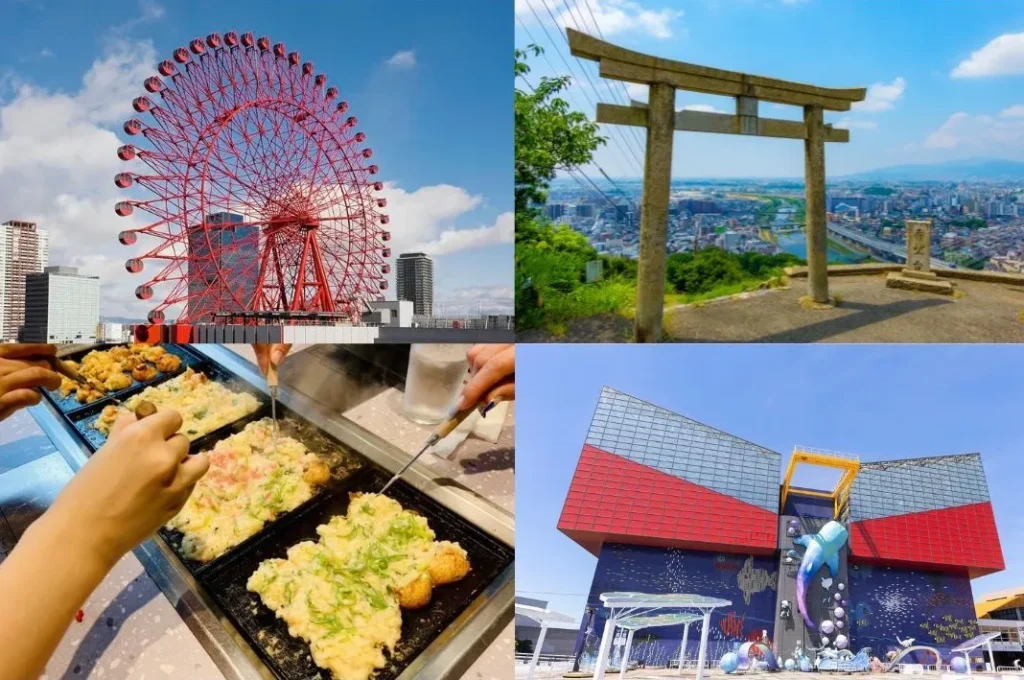
[2026] 大阪15个最适合父母和孩子的亲子景点
Planning a family trip to Osaka but wondering where your kids can have fun without getting bored? Osaka is packed with exciting spots for families, from spacious parks where children can play freely, to uniquely Osaka-style experiences, and even indoor attractions perfect for rainy days. In this guide, we’ve selected 15 best family-friendly attractions in Osaka, all highly recommended by locals. From free play areas and one of the world’s largest aquariums to dynamic live shows, these spots are sure to create unforgettable memories for the whole family. Index Nature Spots for Families to Enjoy Together 1. Nakanoshima Park – A peaceful urban oasis loved by locals 2. Satsukiyama Observatory – Enjoy a casual family-friendly mini hike 3. Minoh Falls – Stunning seasonal scenery and a dynamic waterfall experience 4. Expo ’70 Commemorative Park – A vast park packed with family fun for the whole day Try Osaka’s Famous Food Experiences Together 5. Takonotetsu – Make Osaka’s signature takoyaki yourself 6. Cup Noodles Museum Osaka Ikeda – Create your own original Cup Noodles Enjoy Osaka-Style Entertainment as a Family 7. THE SUMO HALL HIRAKUZA OSAKA – Get up close with sumo wrestlers 8. Yoshimoto Dotonbori Theater – Non-verbal comedy entertainment everyone can enjoy Shopping Spots Both Parents and Kids Will Love 9. GRAND GREEN OSAKA – A spacious lawn area in the heart of Umeda 10. HEP FIVE – Famous for its iconic red Ferris wheel 11. HANKYU SANBAN GAI– A paradise for character goods and gourmet food Classic Osaka Attractions Families Shouldn’t Miss 12. Kaiyukan Aquarium – One of the largest aquariums in the world 13. teamLab Botanical Garden Osaka – An immersive nighttime experience for all ages 14. Shinsekai – A retro Osaka district full of nostalgic games and local food 15.Harukas 300 Observatory– One of Japan’s tallest observation decks Bonus Tip: Coworking Spaces — A Lifesaver for Parents on the Go First, let’s explore some nature-filled spots where families can relax and enjoy themselves without spending too much. These lush green spaces offer a refreshing side of Osaka that contrasts with the city’s urban image. Surrounded by the Dojima and Tosabori Rivers, Nakanoshima Park is a beautiful riverside oasis filled with greenery and open space. Despite being located in the heart of the city, it offers a relaxing atmosphere where families can enjoy picnics on the lawn. In spring and autumn, visitors can also admire seasonal flowers, including the park’s rose garden, which is free to enter. ▼More info on Nakanoshima Park▼ Nakanoshima Park and Recommended Nearby Attractions Located in Ikeda City, Satsukiyama Observatory offers spectacular panoramic views over the Osaka Plain. With just a short walk, families can enjoy the feeling of a mini mountain hike, making it perfect for active children. Nearby, Satsukiyama Park features ninja-training-themed playground equipment that is especially popular with kids. Admission to both the observatory and park is free. Satsukiyama Observatory is also well known as a nighttime viewing spot. However, please note that the Satsukiyama Driveway is closed to all vehicles, including cars, from 10:00 PM to 5:00 AM, and motorcycles and scooters are prohibited at all times. Right next to the park is Satsukiyama Zoo, a free-admission zoo where visitors can usually see rare wombats—making it a great option for animal-loving children. Please note: Satsukiyama Zoo is currently(2026.5) undergoing renovation work, and public viewing of the wombats is temporarily unavailable. ▼More info on how to get to Shubodai Observatory▼ Shubodai Observatory | Walking Guide from Osaka Ikeda Station Selected as one of the “Top 100 Waterfalls in Japan,” Minoh Falls is a breathtaking natural attraction. The walking trail leading to the waterfall is fully paved, making it a popular and family-friendly route for a leisurely stroll. While the autumn foliage is especially famous, the fresh greenery of spring and early summer is equally beautiful. Admission to the park and viewing the waterfall are free of charge. Along the way, you’ll also find the Minoh Park Insect Museum, where admission is free for junior high school students and younger (adults: ¥280), making it a great stop for families with children. ▼More info on Minoh Fall Access▼ Note on how to get to Minoh Waterfall! Points that international travelers should know before going there This vast park was built on the former site of the 1970 World Expo in Japan. Its iconic symbol, the Tower of the Sun, welcomes visitors to a space filled with attractions, including giant playground equipment, spacious lawns, and beautiful gardens showcasing seasonal flowers. Families can also enjoy a variety of activities such as athletic courses, boat rides, and fun bicycles that kids will love. The park is free for junior high school students and younger, and just ¥450 for adults. It’s the perfect place for families to spend an entire day together. ▼More info on Expo ’70 Commemorative Park▼ Expo ’70 Commemorative Park is a great place to visit in Osaka! Highlights Explained! Want more than just sightseeing? For families looking for a hands-on experience, Osaka’s interactive food spots are a perfect choice. Why not turn your travel memories into something delicious? When people think of Osaka food, one thing immediately comes to mind: takoyaki. Since you’re in Osaka, why not try making it yourself at a restaurant where you cook it right at your table? Founded in 1979, Takonotetsu is a popular takoyaki restaurant with several locations across the city. Here, you can make your own takoyaki using the griddle at your table, and the friendly staff are always happy to help if needed. Cooking together as a family while chatting and laughing makes the experience even more memorable. Best of all, there’s no extra fee for the experience—you simply enjoy it as part of your meal. Reservations are available, so if you’re planning a trip to Osaka, be sure to book in advance! ▼More info on Takonotetsu Review▼ A Guide to Takoyaki-Making Experience at Takonotetsu in Osaka This is the birthplace of the world’s first instant ramen, Chicken Ramen, where visitors can learn about the origins of this iconic invention in a fun and interactive way. At the popular My CUPNOODLES Factory, which does not require a reservation, you can design your own cup, choose your favorite soup and toppings, and create a one-of-a-kind Cup Noodles for just ¥500. The museum also features fascinating exhibits for adults, including a recreated research shed where instant ramen was first developed. Admission to the museum is free. ▼More info on CUPNOODLES MUSEUM OSAKA IKEDA and nearby▼ 3 restaurants where you can eat plant-based food near CUPNOODLES MUSEUM in Osaka Ikeda Osaka is also famous for its lively entertainment filled with laughter and excitement. These performances can be enjoyed beyond language barriers, making them a great way to inspire children’s curiosity and imagination. One standout attraction is a new entertainment venue themed around sumo, Japan’s national sport. After watching the powerful live performance, visitors can enjoy the rare experience of taking photos with former sumo wrestlers and even interacting with them on the dohyo (sumo ring). Another family-friendly highlight is that children aged 3 and under can watch for free if seated on a parent’s lap. Located in Osaka’s lively Namba area, it’s a perfect place to create unforgettable family travel memories. ▼More info on THE SUMO HALL HIRAKUZA▼ THE SUMO HALL HIRAKUZA OSAKA❘ Sumo Entertainment Show in Namba, Osaka Located in the heart of Osaka’s Dotonbori district, this theater offers a unique style of non-verbal comedy featuring pantomime, dance, magic, and physical performance. Because there are no complicated spoken explanations, even young children can enjoy the show intuitively through laughter and visual humor. Another highlight is the interactive atmosphere, where performers and audience members come together to create an exciting live experience—making it a perfect introduction to theater for kids. Depending on the performance, children under 110 cm tall may watch for free if seated on a parent’s lap. Bring the whole family and experience Osaka’s famous sense of humor together! ▼More info on Yoshimoto Dotonbori Theater▼ Yoshimoto Dotonbori Theater: A Comedy Theater to Visit at Night When Staying in Osaka Want to enjoy shopping while also giving your kids space to play? This convenient spot in the Umeda area makes both possible. Located right in front of JR Osaka Station, Grand Green Osaka is one of the city’s newest urban parks. Its expansive lawn area offers an incredible sense of openness that’s hard to imagine in the middle of a bustling city. Best of all, the space is free for everyone to use, making it a perfect place to relax during a shopping break. There’s also a water play area where children can splash around, making it an especially great family-friendly spot during the summer months. ▼More info on GRAND GREEN OSAKA▼ GRAND GREEN OSAKA: Discover Osaka’s Hottest New All-in-One Lifestyle Hub HEP FIVE is one of Osaka’s most popular shopping complexes among young people, instantly recognizable by its giant red Ferris wheel. The Ferris wheel offers panoramic views of the Osaka cityscape, letting visitors enjoy a relaxing “walk in the sky.” If you use sightseeing passes such as the Osaka Amazing Pass or Osaka e-Pass, the Ferris wheel ride is included free of charge. Children aged 5 and under can also ride for free. Inside the building, you’ll find a wide variety of trendy fashion stores, cosmetics shops, and character-themed entertainment stores, making it a fun destination for both parents and kids. ▼More info on HEP FIVE & Ferris Wheel▼ A Complete Guide to HEP FIVE: Ferris Wheel, Tax Free, Attractions and Shopping HEP FIVE Ferris Wheel Reviews and Things to Know before Going Directly connected to Hankyu Osaka-umeda Station, Hankyu Sanban Gai is a highly convenient shopping complex that’s perfect for families. One of its biggest attractions is the large concentration of character-themed stores, including Kiddy Land as well as specialty shops dedicated to globally loved characters such as Rilakkuma, Snoopy, and Miffy. Surrounded by adorable goods and toys, both children and adults can easily lose track of time while exploring. Another family-friendly highlight is the spacious UMEDA FOOD HALL, which is stroller-friendly and equipped with facilities designed for parents with young children, including areas where baby food can be brought in and enjoyed comfortably. ▼More info on HANKYU SANBAN GAI▼ A Complete Guide to HANKYU SANBAN GAI: Access, Shopping, Tax-free and More Finally, let’s explore some of Osaka’s must-visit classic attractions. From breathtaking sights to exciting hands-on experiences, these iconic spots offer plenty of fun and excitement that even adults will find themselves completely immersed in. One of the largest aquariums in the world, Kaiyukan Aquarium recreates the natural environments surrounding the Pacific Rim. At the center of the aquarium is a massive tank where visitors can watch enormous whale sharks swimming gracefully up close. The interior is intentionally kept dimly lit, creating a magical atmosphere that feels as if you’ve stepped into the depths of the ocean. Another great bonus for families is that admission is free for children aged 2 and under. ▼More info on Osaka Aquarium▼ Complete Guide to Osaka Aquarium Kaiyukan! From Amazing Creatures to Ticket Info and Visiting Tips This magical nighttime attraction transforms a botanical garden into an immersive world of digital art created with light and sound. The interactive installations change in response to your movements, creating a dreamlike experience that feels almost like magic for children. It’s a wonderful way to make an evening stroll even more memorable. Preschool-aged children can enter free of charge, and strollers are very welcome. Take a walk together through the glowing art-filled garden and enjoy a truly unforgettable night in Osaka. ▼More info on teamLab Osaka▼ Highlights and things to do at teamLab Botanical Garden Osaka Centered around the iconic Tsutenkaku Tower, this lively district is packed with the energetic atmosphere Osaka is famous for. Families can take fun photos in front of the colorful retro signboards, enjoy nostalgic games such as smart ball and target shooting, and experience a festive, old-school Osaka vibe. Admission to the Tsutenkaku observation deck is free for children aged 5 and under. As of 2026, the popular attractions at Tsutenkaku have age restrictions: the Tower Slider is available for elementary school students and older, while DIVE & WALK is limited to junior high school students and above. Families with younger children can still fully enjoy the area by strolling through the streets and taking in the panoramic views from the observation deck. ▼More info on Shinsekai & Tsutenkaku Tower▼ Shinsekai and Tsutenkaku Tower Complete Guide | Access, Food, and Experiences As of May 2026, the observation deck at the top of Abeno Harukas, the second-tallest building in Japan, offers breathtaking 360-degree views over Osaka. The panoramic scenery from 300 meters above ground is truly spectacular. On the 58th-floor open-air plaza, visitors can enjoy a refreshing sense of openness while feeling the breeze and atmosphere of the city firsthand. Also, children aged 3 and under enter free, while preschool-aged children can visit for just ¥500. Why not enjoy a memorable “walk in the sky” together with the whole family at one of Osaka’s highest observation spots? ▼More info on HARUKAS 300 (Observatory)▼ Harukas 300 Observatory Complete Guide: Access, Tickets, and View from the Observatory While traveling with family, there may be times when you suddenly need to join a meeting or take care of work. In those situations, convenient coworking spaces around Osaka can be a great solution. ▼More info on coworking space in Osaka▼ A Guide to Working Spaces in Osaka Umeda by Type & Places to Unwind After Work How did you like our selection? Osaka is filled with places where parents and children can laugh, learn, and enjoy unforgettable experiences together. From the convenience of the city to its rich natural scenery and warm local atmosphere, Osaka offers the perfect setting for a memorable family trip. Enjoy your adventure together in Osaka!
-

关西地区(大阪、京都、神户地区)9项夏季活动!体验和了解日本传统和习俗
在河水中祈祷,围成圆圈跳舞!乍一看,关西的夏季活动和仪式或许有些奇特。这些传统活动蕴含着智慧和巧思,旨在让您在炎炎夏日里倍感清凉舒适。请尽情享受您的关西之旅,体验只有在夏季才能感受到的独特活动和仪式吧! 1. [京都] 京都市内各处 / 祇园祭 2. [京都] 松尾大社 / 风铃祈福:祈求好运和消除灾祸 3. [大阪] 水濑神宫 / 邀请之风 4. [京都] 京都市鸭川沿岸商铺 / 河畔露台 5. [大阪] 箕面瀑布 / 箕面公园夏季祭 6. [大阪] 梅田地区 / 梅田浴衣祭 7. [兵库县西宫市] 西宫神社 / 夏季惠比寿 8. [京都] 下鸭神社 / 御手洗祭 9. [京都] 京都市内各处 / 京都五山送火 活动时间:2026年7月1日(星期二)至7月31日(星期四) 2026年夏季,如果您计划前往京都,那么京都祇园祭绝对不容错过!您一定会为那些华丽的花车所震撼!更多信息,请查看以下文章!<京都>祇园祭|日本最盛大祭典亮点 时间:通常为6月1日至9月1日 松尾大社的报恩所及神社内各处将悬挂约800个风铃。据说风铃的清脆声响能够安抚神明,净化罪孽。在松尾大社,您可以将自己的愿望写在纸条上,让神明代为传达。 时间:通常为7月至9月初 水濑神宫也会举行风铃祈福仪式。游客可以穿过风铃,聆听风铃清脆悦耳的鸣响。活动期间,神社还将装饰上风车(kazaguruma),并点亮灯笼。活动时间:2026年5月1日至10月15日(各店铺活动时间略有不同)。“川渡”是京都传统的夏季文化之一。您可以坐在伸入鸭川的露天座位上,一边享受清凉的河风,一边品尝美味佳肴。这里汇集了87家餐厅,提供从日式料理到意大利菜、法国菜等各种美食。其中,“B STORE 1st”作为“川渡早午餐”店铺,从早上8点开始营业。何不以“川渡”开启您美好的一天呢?▼查看这篇文章▼ 京都七大最佳早餐 |京都JR站附近及热门旅游景点 京都河道8大餐厅推荐(鸭川、贵船、高尾) 时间:通常为7月中旬至9月初 在这一人气活动中,箕面瀑布和箕面公园内的其他著名景点都会被灯光点亮!此外,直至2026年11月3日,箕面公园内的河畔餐厅还将举办“河畔露台”活动,您可以一边享用怀石料理,一边聆听大自然的声音。享受一段惬意时光(需预约)。 ▼查看这篇文章▼ 箕面瀑布8家推荐美食餐厅! 观光途中值得驻足的咖啡馆和商店 前往箕面瀑布的交通指南! 国际游客出行须知 主要内容 日期:2026年的具体日期尚未公布。 梅田浴衣祭是大阪梅田地区举办的大型活动,您可以在这里一次性体验到浓郁的日本夏季文化!梅田浴衣祭将以传统的“盂兰盆舞”、“洒水降温”以及典型的夏季祭典“集市”为特色。整个小镇都将沉浸在夏日的氛围中!活动时间:2026年7月7日;7月9日至10日;7月20日。夏日惠比寿节主要在7月10日和20日举行,届时巫女将表演“汤立神乐”,她们会将浸过沸水的竹枝洒向游客,祈求清凉和健康。下午6点开始的“惠比寿灯会”将神社变成一个梦幻般的灯光世界,点亮了行灯和蜡烛。时间:2026年7月18日至7月30日 御手洗祭是京都的夏季盛事,又称“足付神治”,人们在下鸭神社内的御手洗池中浸泡至膝盖深,以求净化身心,祈求健康。在清凉的池水中行走令人倍感清爽,也是一项适合全家参与的趣味活动。日期:2026年8月16日 这是京都传统的夏季祭祀活动,旨在将盂兰盆节期间被迎请的祖先亡灵送回冥界。人们会在山中燃起篝火,并在火堆上放出“代”、“代”、“明”、“后”三个汉字以及船形图案。灯光秀从晚上8点开始依次点亮,每盏灯大约可以观赏30分钟。请访问以下网站查看点灯时间和观赏地点:https://kyoto.travel/en/ 夏季活动主要在夜间举行。即使您多次到访日本,参加这些限时活动也可能会发现新的惊喜!
-

关西5场花火大会!当地人原来是这样享受烟花的!
烟花是日本最受欢迎的夏季传统之一!您知道日本人如何欣赏烟花吗?我们将在介绍日本夏季文化的同时,介绍关西地区的焰火晚会。 -索引- 日本人是这样欣赏烟花的!日本的焰火是世界上最精致、最美丽的焰火之一![兵库县] 第 48 届芦屋夏季狂欢节(2026 年 8 月 1 日) [大阪府] 天神祭献纳焰火晚会(2026 年 7 月 25 日) [大阪府] 第 38 届浪速淀川焰火大会(2026 年 10 月 17 日) [大阪府、兵库县] 稻川焰火大会(2026 年 11 月 7 日) [兵库县] 神户港 HANABI 5 日缤纷(2026 年 10 月 19 日~10 月 23 日) 焰火大会的欣赏方法 日本人是这样欣赏焰火的! 在其他国家,除夕夜通常会燃放烟花。据说在日本,为了避开酷暑,享受凉爽的天气,烟花爆竹在夏天就已经扎根了。在各地举行的焰火晚会上,可以看到许多人穿着浴衣(一种日本传统的夏季服装)来享受一年一度的盛会。浴衣通常与木屐(日本木屐)和扇子(日本扇子)一起穿,以缓解炎热。若要租借浴衣,我们向您推荐 KYOTO SAGANOKAN 生产的 Kyo Aruki!烟花大会附近经常会有小吃摊,这些小吃摊也是享受烟花的好去处。除了章鱼烧、烤鸡肉串、棉花糖、刨冰等美食摊位外,还有溜溜球、打靶等游戏摊位,非常热闹。日本烟花是世界上最精致、最美丽的烟花之一! 烟花在世界各地都很受欢迎,但据说日本的烟花特别精致和艺术。它们有着永不变形的美丽球形、中途不断变化的颜色,以及同时点燃和消失的优美姿态。这些精心制作的绚丽烟花,是烟火师们用工匠的灵魂经过多年研究和改进而成的,展现了日本人的审美情趣。但只有亲眼目睹,才能体会到焰火的绚丽多彩!以下是关西地区举办的焰火晚会,请大家一定要来亲眼目睹一下世界一流的日本焰火晚会! [兵库] 第 48 届芦屋夏季狂欢节 2026 年 8 月 1 日(星期六) 19:45 - 20:30 小雨举行,暴风雨时取消芦屋市综合公园面朝大海,是以芦屋市民为主体的活动场所。这里有舞台表演、集市摊位,从中午开始就热闹非凡。今年,烟花的威力更大!火焰、焰火和音乐的尖端娱乐节目将持续约 45 分钟。 只有持有赞助商看台票或市民广场入场券的观众才能观看焰火表演。[大阪] 天神祭献纳焰火晚会 2025 年 7 月 25 日(星期五) 19:30 - 20:50 因暴风雨天气取消 如果您想体验日本祭典的气氛,建议您观看天神祭献纳焰火晚会! 天神祭是日本三大祭典之一,已有 1000 多年的历史。天神祭以献纳焰火表演结束。约有 3,000 发烟花作为对神的献纳。 约 100 艘船,包括船头装饰着传统人偶的船和点燃篝火的船,在祭祀地点大川河上来来往往。天空中闪耀的焰火和热闹的河面构成了一幅美丽的图画!如果您来日本旅游,这个节日至少要看一次。 您可以在大阪天满宫、天神桥筋商店街和樱宫公园品尝美食,还可以在樱宫公园至川崎公园一带以及大川沿岸观赏烟花。如果您计划观看焰火,我们建议您在下午 5:00 之前到达您选择的观赏地点。[大阪] 第 38 届浪速淀川焰火晚会 2026 年 10 月 17 日(星期六) 19:30 - 20:30 雨天举行,暴风雨天气取消 这场焰火晚会在流经大阪市中心的淀川河上举行。在约 2000 名当地志愿者的帮助下,每年都有许多人期待着这场手工制作的焰火晚会。在最后的压轴大戏中,数量庞大、规模宏大的焰火将弥漫整个天空。 如果您想在轻松愉快的氛围中欣赏焰火,建议您选择付费座位。由于道路施工,梅田一侧的堤坝不能免费观赏,预计阪急十三站一侧的堤坝上会有大量人群。[兵库县大阪市] 稻川焰火晚会 2026 年 11 月 7 日(星期六) 18:00-18:30 因暴风雨天气取消,不延期大阪国际机场附近的稻川河畔将燃放约 4000 发焰火,照亮夜空。我们建议您白天参观活动地点附近的人气旅游景点大阪杯面博物馆(池田),晚上观看焰火。[兵库] 港湾花火 5 日缤纷神户 2026 年 10 月 19 日(星期一)-10 月 23 日(星期五) 18:30-18:50 雨天举行,暴风雨天气取消 在日本,焰火晚会通常在夏季举行,但秋季也有焰火晚会。在神户的旅游景点美利坚公园举办的 "Minato Hanabi - 多彩神户 5 日 "是一场焰火晚会。烟花表演以港口城市的夜景为背景,营造出浪漫的氛围。以下是欣赏烟花表演的三个小贴士。 1.夏天天气变化快,一定要带一把折叠伞。 2.由于人多拥挤,请托运您的大件行李。免提旅行 |阪急大阪梅田站游客服务中心的行李寄存和运送服务 [京都河原町&乌丸]阪急京都游客服务中心提供便利的行李寄存和运送服务! 3.电车非常拥挤。建议提前购票或使用 IC 卡。 烟火大会是充满日本生活和日本文化的珍贵活动!请到关西体验整个节日的气氛。 查看本文▼ 关西(大阪、京都、神户地区)的 11 项夏季活动!体验并了解日本的传统和习俗
-
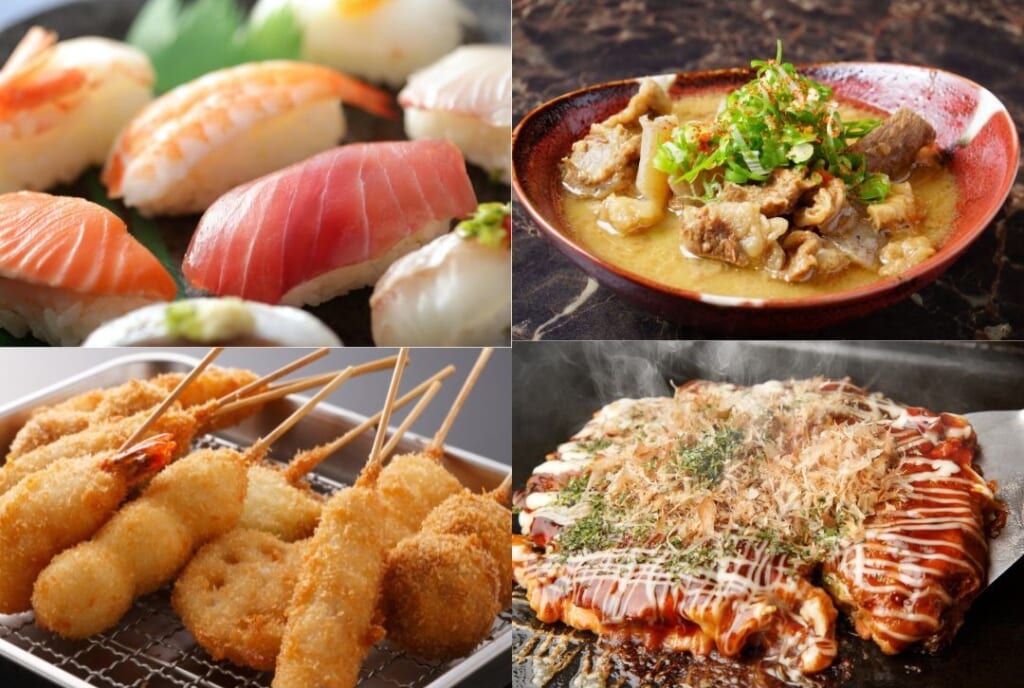
大阪十大必尝美食:日本人推荐的当地特色美食
对于首次来日本的游客来说,大阪常被称为“美食之城”。但你可能会想——到底应该尝试什么?在本指南中,我们将介绍大阪必吃的各种菜肴,从标志性的本地特色到受欢迎的日本料理。我们还为每件商品附上了详细文章的链接,如果你感兴趣,一定要去看看! 索引1。章鱼烧——大阪家常菜与面粉饮食文化的品味 2.御好烧——煎锅上滋滋作响的咸味煎饼 3.串猪排——炸肉、蔬菜和海鲜串 4.Butaman – 多汁的猪肉包,你会一次又一次渴望 5.多特烧——搭配饮品或米饭最合适 6。大阪咖喱——从香料到欧式风味 7.混合果汁——大阪原创水果牛奶饮品 8.拉面——大阪的风味战场 9。大阪寿司——独特的烹饪传统 10.生烧——令人无法抗拒的咸味与烤香 说到大阪的招牌菜,章鱼烧——章鱼馅的咸味丸——绝对值得一试。这道大阪产菜将小麦基面糊倒入特殊模具,加入章鱼块,烹制成一口大小的球体,外酥内香,顶部淋上甜咸酱汁。 不仅仅是吃饭,尝试用专用煎锅做章鱼烧是一次有趣且难忘的体验,为你的旅行增添额外内容。如果你想亲自体验,强烈推荐Takonotetsu! 更多详情 ▼ 大阪高手道章鱼烧制作指南 大阪大阪烧是另一道标志性的“konamon”(面粉制)菜肴,将卷心菜、猪肉和海鲜等食材混合在小麦基础面糊中,并在热铁盘上烤制而成。煎锅中滋滋作响的咸味香气足以激发任何人的食欲,使其成为大阪最受喜爱的特色菜之一。“Konamon”指的是关西地区流行的一类菜肴,通过将面粉溶于水中,加入各种食材,然后烤制或蒸制而成。 ▼推荐餐厅 ▼ 5大最佳御好烧与章鱼烧——大阪的特色必尝!串猪排由一口大小的牛肉、蔬菜和海鲜串起,油炸至酥脆完美。最初是为上班族设计的实惠餐点,现在你仍然可以享用这些美味的串烧,起价大约从100日元起。有一条著名规则:由于蘸酱是共享的,不允许重复蘸酱。 新世界——标志性的通天阁塔所在地——被誉为串胜的发源地。这里拥有复古、接地气的氛围,是享受这道本地特色美食从白天到深夜的完美场所。 ▼关于新世界的更多信息 新世界与通天阁塔完整指南 |交通、美食与体验 大阪深受喜爱的灵魂食物——蒸猪肉包(butaman)是必尝之选。其中最著名的是551 Horai,平均每天售出约17万个包子。咬一口,你就能享受到甜洋葱与多汁猪肉馅的完美和谐。你可以在阪神梅田主店和阪急梅田主店等地点购买。 新鲜蒸包只需一块即可享用,非常适合作为快速小吃或带回酒店的纪念品。 关于梅田阪急店的更多信息 | 日本游客阪急百货店梅田总店精彩片段!“多特烧”是一道用慢炖煮的牛筋和蒟蒻,浓郁地混合着白味噌、味醂和糖制成的菜肴。名称来源于烹饪方法,味噌像“dote”(土堤)一样堆放在锅边。doteyaki 以其咸甜相间的风味,完美搭配饮品和米饭,最适合在新世界地区享用——就像串猪排一样。 ▼关于新世界的更多信息 新世界与通天阁塔完整指南 |交通、美食与体验 大阪实际上是咖喱爱好者的热门地,提供丰富多样的风格。从历史悠久的自由拳及其著名的明治时代“混合咖喱”,到90年代初在大阪克什米尔等地流行的大胆香料咖喱,再到印度咖喱的招牌甜辣味——应有尽有。 最推荐的餐厅是印度咖喱,在大阪和东京约有10家分店。它以简单却令人上瘾的日式咖喱闻名。在梅田地区,你可以在梅田总店阪神横町阪神Bar或阪急三番街找到。午餐时间通常会比较拥挤,建议在高峰时段稍后去。作为大阪咖啡馆和果汁摊的经典饮品,混合果汁是一种独特的饮品,由水果与牛奶混合而成。据说它起源于一种利用剩余水果的创意方式,后来成为当地深受喜爱的美食。 强烈推荐的“原汁大阪梅田混合汁”位于阪神大阪梅田站东出口附近的电梯厅。一定要尝一杯——清爽的口感带着一丝柑橘香气,是完美的提神饮品!拉面是日本料理中备受喜爱的主食,是必尝的美食——而大阪是享受拉面的最佳地点之一。你会发现从吸引日本各地粉丝的知名长队店铺,到拥有独特口味的特色拉面店。 ▼大阪梅田推荐拉面 ▼ 大阪梅田5大最佳拉面!如何点餐、侧菜单及更多内容!大阪以其传统寿司形式——压制寿司(oshizushi)而闻名。与江户风格的握寿司不同,大阪寿司是用木模将米饭和配料压制成形状的。许多品种用醋或海带腌制,味道轻盈细腻,易于享用。从休闲餐厅到展示精湛工艺的高端餐厅,大阪提供丰富多样的寿司体验。 在南地区,你会发现两个主要市场——黑门市叶市场和大阪木津批发市场——都是品尝寿司和用新鲜海鲜制作菜肴的绝佳地点。 关于大阪鱼市的更多信息 ▼ 大阪必去的两个鱼市:黑门市场和大阪鬼津批发市场 作为当地深受喜爱的食小烧,在关西与你想象的截然不同。它不是整只烤鱿鱼,而是将切碎的鱿鱼混合在小麦基底面糊中,然后压制和烤制。最终呈现出嚼劲十足、令人满足的口感,味道浓郁鲜美。必尝的是阪神梅田主店著名的食宿,一天内可售出超过1万件! 关于梅田总店阪神更多信息 ▼阪神梅田总店:美食天堂,拥有免税购物和独家美食 大阪被称为“国家厨房”,是人们“吃到撑不住”的城市,是美食爱好者的天堂。凭借丰富多样的本地特色菜,你一定能找到心仪的美食——快来享受美食,留下美好回忆吧!
-
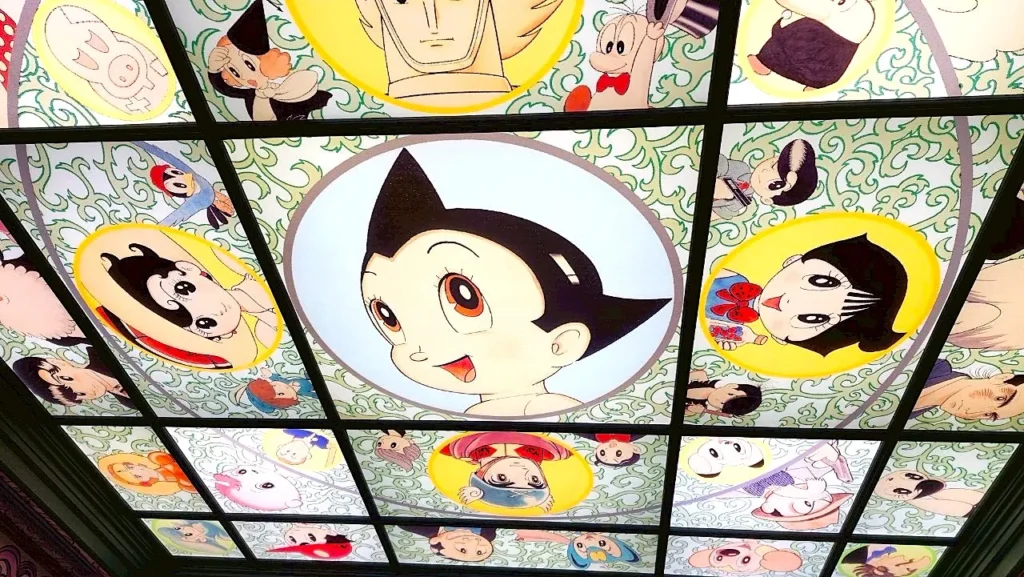
从大阪和神户出发轻松抵达!与“漫画之神”见面!宝冢市立手冢治虫纪念馆及宝宝冢探索完整指南
被誉为 "漫画之神 "的手冢治虫创作了无数杰作,包括《铁臂阿童木》和《黑杰克》。兵库县宝冢市是手冢治虫从 5 岁到 24 岁成长的地方,这里的宝冢市立手冢治虫纪念馆是手冢治虫迷们必去的地方。在本指南中,我们不仅将介绍博物馆的亮点,还将分享宝冢附近的最佳景点,从美味的当地美食到放松身心的温泉设施,让您充分享受该地区的一切。 索引 1.宝冢市立手冢治虫纪念馆是什么? 2. 如何前往宝冢市立手冢治虫纪念馆3.门票和折扣信息 4.在宝冢市立手冢治虫纪念馆花多长时间 5.宝冢市立手冢治虫纪念馆的必看展品和体验 6.宝冢市立手冢治虫纪念馆商店亮点 7.宝冢市立手冢治虫纪念馆周边推荐景点宝冢市立手冢治虫纪念馆是一个令人神往的地方,在这里您可以完全沉浸在漫画家手冢治虫的生活和他所创造的世界中,感受他对大自然的热爱和生命的珍贵。 开放时间开馆时间:上午 9:30 - 下午 5:00(最后入馆时间为下午 4:30) ・闭馆时间:周一(节假日照常开馆周一(节假日、春假和暑假期间照常开放。因展览变更可能会临时闭馆)。注:详细开放日期请查看官方网站日历。从大阪梅田车站出发:从阪急宝冢线站乘坐地铁约需 35-40 分钟 ・从神户三宫站乘坐地铁约需 35 分钟:乘坐阪急神户线(在西宫-北口站换乘阪急今津线)约 35 分钟 从阪急宝冢站出发,沿 "花之道 "步行约 10 分钟即可到达博物馆。"花之道 "是一条风景优美的小径,四季鲜花盛开。门票成人 700 日元(2027 年 3 月起为 900 日元)、学生(初中和高中)300 日元、儿童(小学)100 日元宝冢市立手冢治虫纪念馆,国际游客在售票处出示以下 IC 卡之一,可享受门票八折优惠:这些卡可以在关西地区的主要交通枢纽、旅游信息中心和服务柜台购买。利用这一优惠,让您的游览更有意义!如果您只是在宝冢市立手冢治虫纪念馆参观展览,计划参观时间约为 1 到 1.5 小时。如果您想在 "动画工作室 "尝试创作自己的作品,则需要 2 到 2.5 个小时。站在宝冢市立手冢治虫纪念馆前面,是雄伟的凤凰(Hi no Tori)纪念碑。在您的脚下,还有阿童木和乌兰、黑杰克和皮诺科以及白狮子金巴中的狮子座等深受喜爱的角色的手印和脚印。进去之前,别忘了拍照留念!入口大厅的设计灵感来自《公主骑士》中的皇宫,主人公蓝宝石欢迎游客的到来。您一定要抬头看看彩色玻璃风格的天花板,上面有许多手冢先生笔下的人物,还有描绘手冢先生自画像的地砖艺术品。馆内陈列着与手冢治虫生平有关的各种资料,包括他小时候画的漫画、他喜爱的昆虫的草图以及原始概念笔记。置身其中,仿佛走进了漫画的世界。 在图书馆一角,有大约 2000 本图书,其中包括手冢的许多作品。这里还有多国语言的翻译版本,您可以慢慢寻找自己的最爱。使用专业工作室使用的动画纸,制作自己的简单动画。让您的绘画栩栩如生,为您喜爱的角色上色,像真正的动画师一样享受创作过程。 ・ 请提前预约:无需预约(当日报名/分节制) ・课程时间:9:45/10:30/11:15/12:00/12:45/13:30/14:15/15:00/15:45(最后一节) 注:一般安排在周末和节假日,繁忙时也可能在平日实施。博物馆商店位于二楼图书馆一角的旁边,提供只有在宝冢市立手冢治虫纪念馆才能买到的各种独家商品。从时装、文具到以人见人爱的角色和标志性漫画场景为主题的杂货,这里有很多可供选择的纪念品。如果您想买礼物,那么带有博物馆专用包装的当地糖果,如碳酸仙贝饼干和奶油朗格德聊饼干,是馈赠亲朋好友的最佳礼物。此外,您还可以在这里找到大量独具日本特色的纪念品,包括 2026 年 2 月新发行的御书院邮票册,以及天女布和香等传统物品。您一定要挑选一件完美的纪念品来留念您的旅行。宝冢,除了宝冢市立手冢治虫纪念馆,这里还有许多景点。何不进一步游览观光、品尝美食和购买纪念品呢?这里是世界闻名的全女性宝冢Revue 剧团的所在地,这是一个独一无二的剧团。她们的演出将戏剧和精彩的艳舞表演结合在一起,带来令人目眩神迷、难以忘怀的舞台体验。 ▼查看本文▼宝冢您还不知道!宝冢大剧场初学者的快乐一天 日本三明治深受国际游客的喜爱,这里的鸡蛋三明治尤其有名。这里的鸡蛋三明治尤其有名,松软的鸡蛋是深受喜爱的当地特产,也是真正的宝冢灵魂美食。经过一天的游览,您可以在这个拥有 800 多年历史的古老温泉中放松身心。若水酒店(Hotel Wakamizu)的女性露天浴池在周一和周六提供独特的 "玫瑰浴"。酒店还提供日间入浴服务,让您无需过夜即可尽情放松。阪急宝冢车站旁的百货商店交通便利,是您在酒店购买便当或选购经典日式甜点作为纪念品的最佳选择。从探寻 "漫画之神 "的故乡,到欣赏美丽的街道、品尝美味佳肴、泡温泉,宝冢为您提供全方位的旅行体验。何不从大阪或神户出发,来一次短途旅行,享受真正特别的一天?
-

大阪箕箕面一日游|享受大阪最美的自然风光!箕面瀑布、胜尾寺徒步
-

【大阪】一日游路线|大阪的旅游名胜和最新的热门景点荟萃!
-

【大阪梅田】一日游行程|观光・购物・美食!尽情享受大阪梅田
-

梅田~宝冢-1日游|下雨天也可以和孩子一起游玩的推荐景点!