KYOTO
Kyoto lets you experience the “spirit of Japan.” Dress in a traditional kimono while you explore the city’s ancient temples and shrines and taste the renowned, high quality Japanese-style cuisine.



RELATED ARTICLES
-
Arashiyama Station: Comparing and Explaining 4 Kyoto Arashiyama Stations
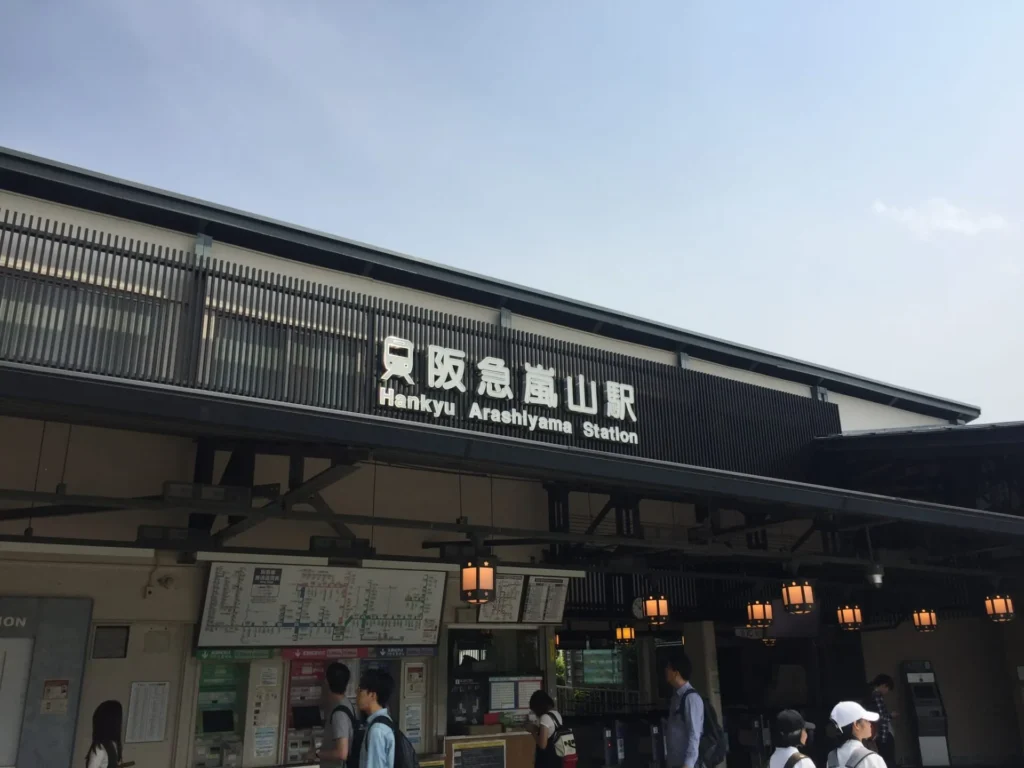
Did you know that in Arashiyama, one of Kyoto’s most famous sightseeing areas, there are four stations with “Arashiyama” in their names? Hankyu, Randen, JR, and Sagano Romantic Train—each station has its own differences, as well as its own pros and cons. Compare them carefully and find the station that suits your destination and travel style best. -INDEX- 1. About the four Arashiyama stations 2. When using Hankyu Arashiyama Station 3. When using Randen Arashiyama Station 4. When using JR Saga-Arashiyama Station 5. When using Torokko Arashiyama Station 6. Recommended spots and gourmet food in Arashiyama There are four stations in Arashiyama: 1. Hankyu Arashiyama Station 2. Randen Arashiyama Station 3. JR Saga-Arashiyama Station 4. Torokko Arashiyama Station Each station is located slightly apart from the others, and your sightseeing route will differ depending on which one you use. First, let’s compare their access from Osaka and their main features. Access Comparison from Osaka (Umeda) to Arashiyama Hankyu Arashiyama Randen Arashiyama JR Saga-Arashiyama Torokko Arashiyama Travel Time About 50 min About 70 min About 60 min ― Transfers 1 (At Hankyu Katsura Sta.) 1 (At Hankyu Saiin Sta.) 1 (At JR Kyoto Sta.) ― Fare (One way) ¥410 ¥660 ¥960 ¥880 * Fare is for Sagano–Kameoka section. Pros Cheap & fast Close to main area Easy from Kyoto Station Right by bamboo grove Cons A short walk to main area Takes longer Higher fare Not practical for transport *As of January 2026. *The required time and fares are approximate when departing from Osaka (Hankyu Osaka-Umeda Station or JR Osaka Station). *Since Torokko Arashiyama Station is a station for a sightseeing train, travel time and number of transfers from Osaka are omitted. When visiting one of Arashiyama’s most famous attractions, the Bamboo Grove Path, Hankyu Arashiyama Station is actually the best option. After crossing Togetsukyo Bridge, you can walk along the Katsura River, pass through Arashiyama Park, and reach Okochi Sanso Villa. This route allows you to avoid crowds and enjoy a quieter side of Arashiyama. Hankyu Arashiyama Station is the most convenient option when accessing Arashiyama from Osaka (Umeda) or Kyoto (Shijo Kawaramachi). The one-way fare from Osaka-Umeda Station is an affordable 410 yen. Since the station is located on the opposite side of the Katsura River from the busy main street, the area around the station is relatively quiet. ○ Lockers: Available (both inside and outside the ticket gates) ○ Nearby sightseeing spots: ・Togetsukyo Bridge: about a 5-minute walk ・Arashiyama Monkey Park Iwatayama: about a 5-minute walk ・Horinji Temple: about a 5-minute walk ・Fu Fu no Yu (day-use hot spring): about a 3-minute walk ○ Other: The platform is lit with lantern-style lights, creating a charming atmosphere after dark. If you want to enjoy a relaxed, sightseeing-style journey on a streetcar, Randen (Keifuku Railway) Arashiyama Station is a great choice. The tram arrives right in the middle of the main street, so you can start enjoying food and shopping as soon as you get off. The station itself is also a popular attraction, with highlights such as Kimono Forest, featuring rows of poles decorated with Kyoto Yuzen patterns, and a foot bath inside the station. ○ Lockers: Available (located within the station ※ there are no ticket gates) ○ Nearby sightseeing spots: ・Togetsukyo Bridge: about a 3-minute walk ・Tenryu-ji Temple: about a 5-minute walk ・Bamboo Grove Path: about a 10-minute walk ○ Other: The station building “Hannari Hokkori Square” offers a wide selection of souvenir shops and cafés. When arriving at Kyoto Station by Shinkansen and heading straight to Arashiyama, JR Saga-Arashiyama Station is the most convenient option. From Kyoto Station, it takes about 17 minutes on the JR Sanin Main Line (Sagano Line) with no transfers. Located on the north side of the main street, the station provides easy access not only toward Togetsukyo Bridge but also toward the Bamboo Grove area. The popular sightseeing train’s starting station, Torokko Saga Station, is located right next door. ○ Lockers: Available (located outside the ticket gates) ○ Nearby sightseeing spots: ・Nonomiya Shrine: about a 10-minute walk ・Bamboo Grove Path: about a 13-minute walk ・Tenryu-ji Temple: about a 13-minute walk ・Togetsukyo Bridge: about a 13-minute walk ○ Other: The adjacent “Torokko Saga Station” also has a diorama museum and a café. Many passengers board Sagano Romantic Train at Torokko Saga Station, which is adjacent to JR Saga-Arashiyama Station, while Torokko Arashiyama Station is convenient for getting on or off during sightseeing in Arashiyama. As soon as you get off, you’ll find yourself right next to the Bamboo Grove Path and Okochi Sanso Garden, making it an excellent location. Surrounded by rich nature, you can fully enjoy the classic “Arashiyama” atmosphere. Since this train is very popular, be sure to make a reservation in advance. ○ Lockers: Not available ○ Nearby sightseeing spots: ・Bamboo Grove Path: about a 2-minute walk ・Okochi Sanso Garden: about a 2-minute walk ・Jojakko-ji Temple: about a 7-minute walk ○ Other: A recommended route is to take the train from Torokko Arashiyama Station toward Kameoka, then return to Arashiyama by Hozugawa River Boat Ride from Kameoka. Now that you understand the differences between the four stations, let’s move on to planning a concrete sightseeing route. Highly recommended for first-time visitors to Arashiyama! Here is a model course that lets you explore Arashiyama’s main highlights in half a day (about 4–5 hours). ▶ Kyoto Arashiyama Sightseeing Half-day Model Course! Capture the bamboo forest, temples, nature, and major spots! Arashiyama is also full of delicious food and sweets! ▶ 8 Best Gourmet Restaurants in Arashiyama, Kyoto! ▶ 8 Must-Eat Sweets and Cafe in Arashiyama, Kyoto How was it? The four “Arashiyama stations” each differ in both location and characteristics. Choosing the right station according to your travel style is the key to fully enjoying Arashiyama! Pick the station that suits you best and have a wonderful trip.
-
Within Walking Distance from Kyoto-Kawaramachi Station: Easy-to-Visit Popular Sightseeing Spots
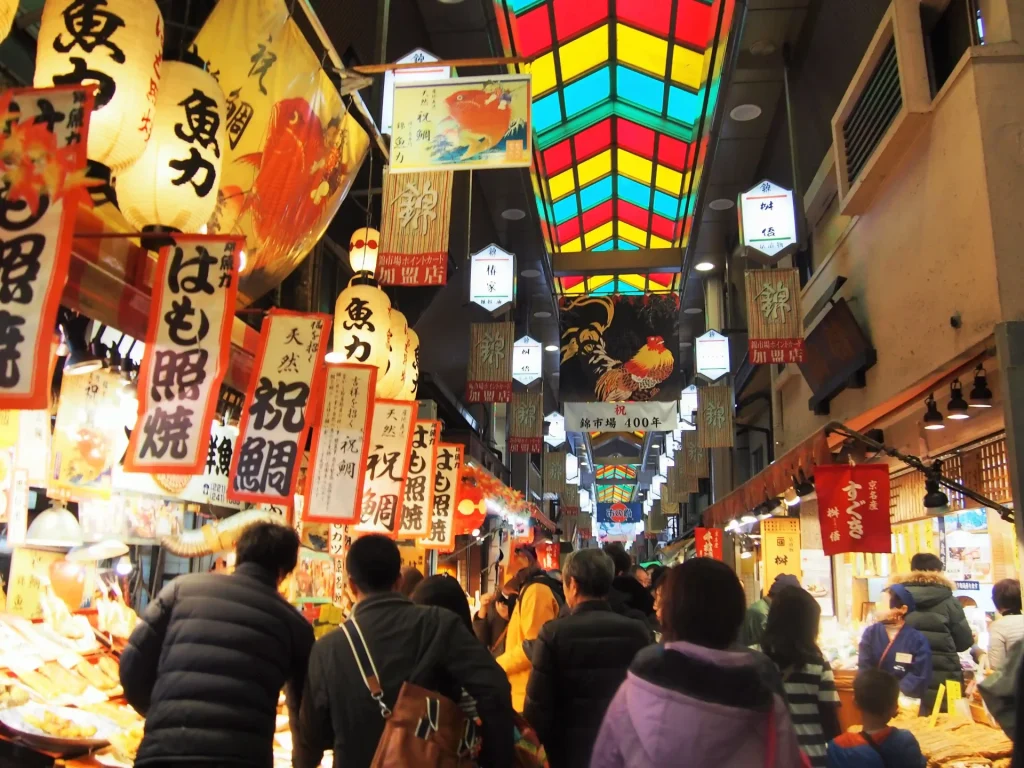
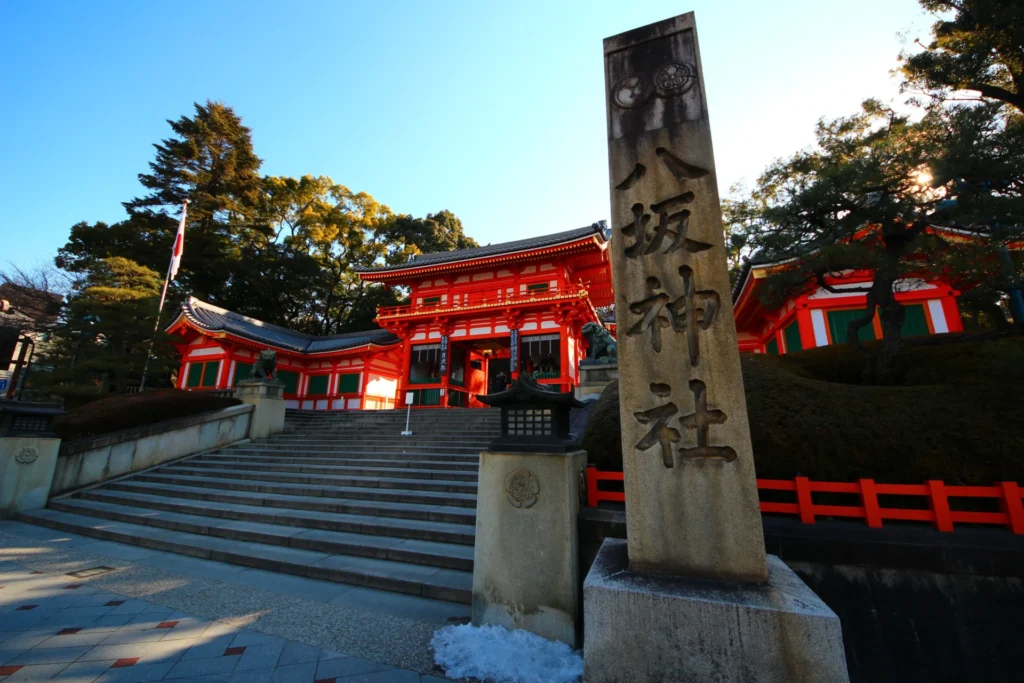
Kyoto-kawaramachi Station on the Hankyu Railway is considered the heart of sightseeing in Kyoto. Many well-known tourist attractions are gathered around the station. In this article, we introduce sightseeing spots within a 15-minute walk from Kyoto-kawaramachi Station, categorized by walking time. If you want to enjoy Kyoto efficiently, be sure to use this as a guide. -INDEX- 1. About Kyoto-kawaramachi Station 2. Recommended Spots Within a 5-Minute Walk from Kyoto-kawaramachi Station 3. Recommended Spots Within a 10-Minute Walk from Kyoto-kawaramachi Station 4. Recommended Spots Within a 15-Minute Walk from Kyoto-kawaramachi Station 5. Useful Services at Kyoto-kawaramachi Station Kyoto-kawaramachi Station is a Hankyu Railway station located underground in Shijo-Kawaramachi, the largest downtown shopping and entertainment district in the city. The surrounding area is lively, lined with department stores and fashion buildings, yet with just a short walk, you can also enjoy natural scenery such as the Kamogawa River. From the Osaka area, the station is easily accessible via the Hankyu Kyoto Line with no transfers required. It takes about 43 minutes from Osaka-umeda Station by limited express train, making it extremely convenient. This makes Kyoto-kawaramachi Station an ideal starting point for sightseeing in Kyoto. First, let’s start with spots you can easily visit within a 5-minute walk from the station. The Kamogawa River flows just east of Kyoto-kawaramachi Station, and simply taking a stroll along the riverbank lets you experience Kyoto’s relaxed, traditional atmosphere. One iconic sight is couples and visitors sitting at regular intervals along the river, a scene that has become a symbol of Kyoto life. From early summer to autumn (around May to October), kawadoko riverside dining platforms are set up along the river. Here, you can enjoy a slightly luxurious lunch or dinner while listening to the gentle sound of flowing water. Access: About a 3-minute walk from Exit 1A ▼For more details about summer “Kawadoko” dining▼ Top 8 Kawadoko River Dining Restaurants in Kyoto (Kamogawa, Kibune & Takao) Ponto-cho is a narrow, stone-paved alley located between the Kamogawa River and Kiyamachi Street. Traditional machiya-style restaurants line both sides, and in the evening, lanterns are lit to create a magical, atmospheric scene. You’ll find everything from classic Kyoto kappo and kaiseki restaurants to more casual bars, making it a great area for dining or enjoying a drink in a distinctly Kyoto setting. Access: About a 4-minute walk from Exit 1A Known as “Kyoto’s Kitchen,” Nishiki Market is a lively shopping street stretching about 400 meters, packed with shops selling fresh seafood, Kyoto vegetables, pickles, sweets, and more. It’s also famous for its street food, making it a bustling spot filled with visitors every day. At the end of the arcade, you’ll find Nishiki Tenmangu Shrine, which is beloved as a shrine dedicated to the god of learning. Access: About a 3-minute walk from Exit 9 This shopping area is especially popular with students on school trips and young visitors. Souvenir shops, fashion stores, cafés, and game centers line the street, and thanks to the covered arcade, you can enjoy shopping comfortably even on rainy days. If you’re looking for a relaxing break in Teramachi Shopping Street, Kyoto Mameshiba Café is a fun stop. Inside a retro Showa-era–style setting, you can spend time with adorable mameshiba dogs. Access: Immediately after exiting Exit 9 ▼For more details▼ [Kyoto] Experience Japanese Culture with Shiba Inu at “Kyoto Mameshiba CAFE” If you walk a little farther, you’ll reach the Gion area, filled with classic Kyoto charm and atmosphere. This is the main street running through the heart of Gion. Lined with stone pavement, traditional teahouses, and refined restaurants, it offers a scene that truly feels “so Kyoto.” If you’re lucky, you might even spot a maiko or geiko walking by. Along the street, Gion Corner is a great stop for overseas visitors, where you can enjoy digest versions of traditional Japanese culture and performing arts such as Kyoto dance, the tea ceremony, and koto music. Access: About a 7-minute walk from Exit 1B Kennin-ji Temple is known as the oldest Zen temple in Kyoto. Its three gardens—Daiō-en, Chōon-tei, and the modern ○△□Garden—offer different seasonal expressions that delight visitors throughout the year. The temple is also home to impressive works of art, including a high-quality reproduction of Tawaraya Sōtatsu’s masterpiece Wind and Thunder Gods Screen (a National Treasure) and the powerful Twin Dragons painting on the ceiling of the Dharma Hall. Access: About a 10-minute walk from Exit 1B Affectionately known as “Gion-san,” Yasaka Shrine is the head shrine of all Yasaka shrines across Japan. It is popular for blessings related to protection, matchmaking, and beauty (at Utsukushigozen Shrine). The bright vermilion West Gate is a classic photo spot, and since the shrine is open 24 hours, an evening visit is highly recommended. Access: About a 10-minute walk from Exit 1B This atmospheric area features willow-lined paths along the Shirakawa River and rows of traditional townhouses. Simply strolling along the stone-paved streets feels like stepping into a picture-perfect scene. Tucked away here is Tatsumi Daimyōjin Shrine, which is deeply revered by maiko and geiko who pray for success in the performing arts. Thanks to its beautiful scenery, the area is also frequently used as a filming location for dramas and movies. Access: About a 7-minute walk from Exit 1A If you continue walking a bit farther, you’ll come across shrines and temples known for their unique blessings. This powerful shrine is famous for “cutting bad ties and forming good ones.” It is known for its unique En-kiri En-musubi Ishi (relationship-cutting and relationship-forming stone), a large stone with a hole in the center. Visitors pray while passing through the hole from front to back to sever unwanted relationships, then pass through from back to front to attract positive connections. Access: About a 15-minute walk from Exit 1B This temple is known as the birthplace of ikebana (Japanese flower arrangement). Its official name is Chōhō-ji, but it is commonly called Rokkaku-dō because the main hall has a hexagonal shape. Within the grounds, you’ll find the “Heso-ishi” (navel stone), believed to mark the former center of Kyoto. From the elevator of a neighboring building, you can even look down on the temple and clearly see the beautiful hexagonal roof from above. Nearby, Starbucks Coffee Kyoto Karasuma Rokkaku is a popular café where you can enjoy a cup of coffee while viewing Rokkaku-dō through large glass windows. Access: About a 15-minute walk from Exit 9 ▼For more details about Starbucks in Kyoto▼ 6 Starbucks Stores to Visit in Kyoto and Kobe Finally, here is some useful information to make your Kyoto sightseeing even more comfortable. If you’re heading to attractions a little farther away, such as Kiyomizu-dera or Kinkaku-ji, taking a bus from Kyoto-kawaramachi Station is highly recommended. There are many bus stops around the station, making it easy to access major sightseeing spots throughout the city. If you’re traveling with large luggage like suitcases, rather than searching for coin lockers at the often-crowded Kyoto-kawaramachi Station, a smarter option is to use the Hankyu Kyoto Tourist Information Center at Karasuma Station, one stop before. The center offers temporary luggage storage as well as luggage delivery services to hotels, helping you explore Kyoto hands-free and stress-free. ▼For more details▼ [Kyoto-kawaramachi & Karasuma] Convenient Baggage Delivery & Storage at the Hankyu Kyoto Tourist Information Center! Around Kyoto-kawaramachi Station, you’ll find plenty of fascinating spots that showcase the charm of Kyoto, all within walking distance. Use this article as a guide and enjoy exploring the city at your own pace.
-
6 Must-Try Breads in Japan & Kansai
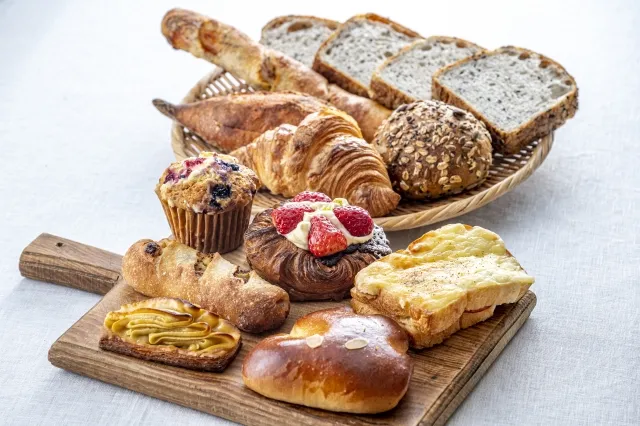
When it comes to Japanese cuisine, sushi, ramen, and traditional sweets often steal the spotlight. However, Japan is also home to a distinctive and highly evolved bread culture, offering flavors and ideas you won’t find anywhere else. In this article, we introduce three breads said to have originated in Japan, along with three regional bread specialties from the Kansai area that are easy to find at supermarkets and train stations. Whether you’re a foodie or a casual traveler, this guide will make choosing bread in Japan even more fun and rewarding. -INDEX- 1. A Brief History of Bread in Japan 2. Three Must-Try Breads When Visiting Japan 1) Melon Pan 2) Curry Pan 3) Yakisoba Pan 3. Kansai Local Breads You Can Buy at Supermarkets & Stations 1) Shizuya (Kyoto): Karne 2) Bakery Kotobuki (Himeji): Kotobuki Grape Bread 3) Tsuruyapan (Shiga): Salad Pan Bread is said to have been introduced to Japan from Portugal in the 16th century during the Sengoku period. It did not become commonly eaten until the Meiji era, after which uniquely Japanese breads such as sweet red bean bun and cream pan began to emerge one after another and gradually took root in Japanese food culture. In Japan, bread has traditionally been enjoyed not as a staple food but as a snack or light meal, and this has helped foster the wide variety of creative and distinctive breads found today. Here are three iconic Japanese breads loved by generations, each with its own unique charm. Melon pan is a sweet bread made by baking a layer of crisp cookie dough over soft bread dough. Its signature appeal lies in the contrast between the crunchy exterior and fluffy interior. Despite the name, it doesn’t taste like melon—the bread was named for its melon-like appearance. Recommended spot: World’s Second Best Freshly Baked Melon Pan Ice Cream – Amerikamura in Shinsaibashi, Osaka This popular shop serves warm, freshly baked melon pan sandwiched with cold ice cream. The hot-and-cold combination creates a melt-in-your-mouth experience that’s truly addictive—and well worth the wait in line. Curry pan is a uniquely Japanese savory bread: curry wrapped in dough, coated in breadcrumbs, and deep-fried. Crispy on the outside and rich and creamy inside, it perfectly blends two beloved foods—bread and curry—into one satisfying bite. Recommended spot: Sunny Side Bakery (Osaka & Hyogo areas) One of their signature items, the “Melty Homemade Beef Curry Pan,” is packed with chunky beef and flavorful curry roux. The Sunny Side Osaka Naniwa no Niwa branch, which opened in March 2025 inside Naniwa Palace Ruins Park, is especially convenient for travelers. Enjoy your curry pan on the open terrace or grassy lawn for an even better experience. Yakisoba pan features stir-fried noodles stuffed generously into a soft, elongated bread roll. Loved by both kids and adults, this carb-on-carb combination may sound unusual—but it works surprisingly well. One bite, and you’ll understand why it’s so popular. Recommended spot: Tansei (Takatsuki City, Osaka Prefecture) A bakery reborn from the famed Osaka-Umeda shop ROUTE271, Tansei is known for its thoughtful ingredient pairings and meticulous preparation. Their legendary Thai-style yakisoba pan, once a best-seller at ROUTE271, still appears occasionally—so keep an eye out if you’re lucky enough to visit on the right day! In Japan, you’ll find regional “local breads” (gotōchi pan) sold at neighborhood supermarkets and station kiosks, each reflecting local tastes and food culture. Why not make it part of your journey and enjoy these easy-to-find Kansai soul foods while you travel? At the popular Kyoto bakery Shizuya, the signature item “Karune” can sell thousands of pieces a day. This simple sandwich features a round French roll filled with butter, boneless ham, and crisp sliced onions. Its simplicity highlights the quality of the ingredients, resulting in a nostalgic yet addictive flavor. Shizuya shops can be found at major Kyoto locations such as JR Kyoto Station, Shijo Station on the Kyoto Municipal Subway, and Gion-Shijo Station on the Keihan Line. At Bakery Kotobuki in Himeji City, Hyogo Prefecture, this raisin bread—packed generously with raisins throughout the loaf—has been loved by locals for generations. It features a nostalgic flavor, gentle sweetness, and a satisfyingly hearty texture. While the main shop is a bit out of the way, you can conveniently purchase it at the 7-Eleven in front of the Shinkansen ticket gates at Himeji Station. Salad Bread (Sarada Pan) is a famous local specialty made and sold by Tsuruyapan in Nagahama City, Shiga Prefecture—and it often pops up in the media. This soft, slender bread is filled with a surprising ingredient: shredded pickled daikon (takuan) mixed with mayonnaise! It may sound unexpected, but the sweetness of the bread and the salty crunch of the pickles are perfectly balanced, creating an addictive flavor. It’s a true Shiga soul food. If you’d like to sample a wide variety of recommended breads and uniquely Japanese creations all at once, head to Hanshin Umeda Main Store in Osaka’s Umeda area. On the first floor, you’ll often find rotating bread pop-up events featuring popular bakeries from Kansai and across Japan—perfect for bread lovers on the go. ▼Check this article▼ Hanshin Umeda Main Store: A Foodie Paradise with Tax-Free Shopping and Exclusive Finds How did you like our selection? Beyond the breads introduced here, Japan is full of unique and delicious breads that have evolved in their own distinctive ways. Be sure to look for your own favorite as you travel around the country!
-
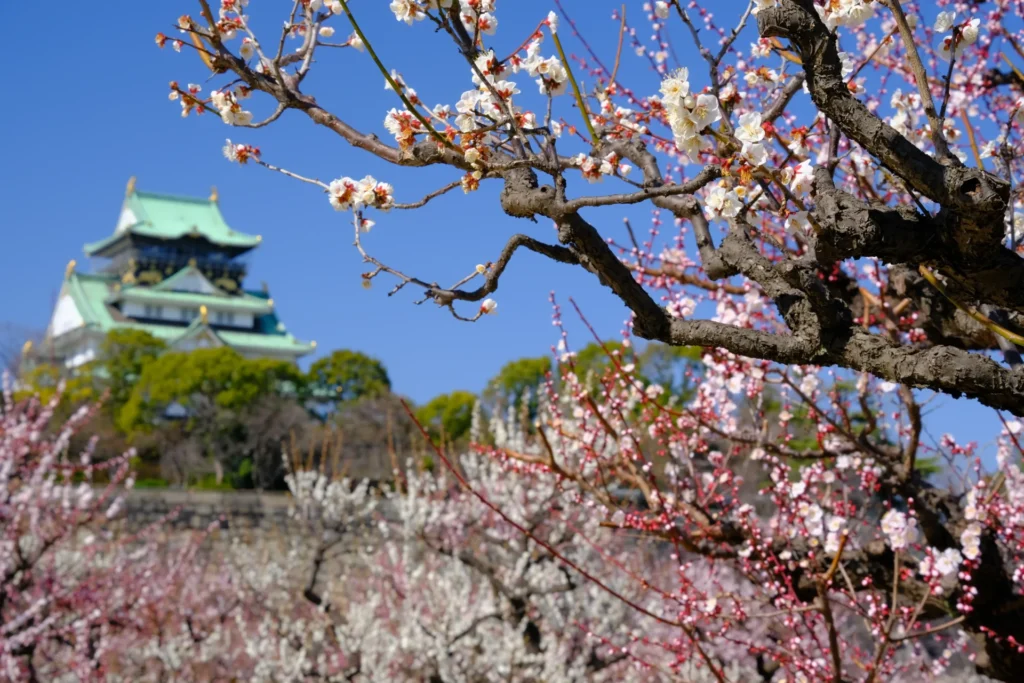
Enjoy Plum blossoms bloom in Osaka, Kyoto, and Kobe
The plum blossom is called “ume” and is one of Japan’s representative flowers. Plum blossoms bloom in February and March, when the weather remains cold, to herald the arrival of spring. The dainty appearance of ume flowers blooming while enduring the cold has captured the sensibility of the Japanese people since ancient times. Enjoy the seasonal plum blossoms at places that embody the essence of Japan, such as shrines, temples, and castles. -INDEX- 【OSAKA】 ・Osaka Castle Park Plum Grove , The castle tower and plum blossoms ・Osaka Temmangu Shrine, God of Learning and Entertainment ・Expo ’70 Commemorative Park, famous for the Tower of the Sun 【KYOTO】 ・Kitano Tenmangu Shrine, God of Learning ・Umenomiya-taisha Shrine, the oldest plum blossom viewing spot in Kyoto ・Jonan-gu Shrine, weeping plum trees in full bloom 【KOBE】 ・Kitano Tenma Shrine, a shrine in the sky ・Okamoto Plum Blossom Park, overlooking the city of Kobe ・Kobe Suma Rikyu Park, many varieties of plum trees Osaka Castle Park Plum Grove is one of the most famous plum blossom viewing spots in Kansai. About 1,270 plum trees are planted in an area of about 1.7 hectares on the east side of the inner moat of Osaka Castle. Please take your time to enjoy the castle, the plum blossoms, and the scenic beauty. ▼For those who want to learn more about the castle▼ 5 castles in Osaka, Kyoto and Hyogo. From World Heritage Sites to the Newest Castles, Places to Visit for Sightseeing Osaka Temmangu Shrine is dedicated to Sugawara no Michizane, and is popularly known as “Tenjin-san of Temma”. When the plum blossoms are at their best, the Plum Blossom Festival is held. Around the Hoshiai Pond on the north side of the temple grounds, there are about 100 white and red plum trees, which are very vivid. There are two plum gardens in the vast expanse of Expo ’70 Commemorative Park. There are about 600 plum trees of 120 varieties in the Natural and Cultural Garden and about 80 plum trees of 40 varieties in the Japanese Garden. Enjoy the fragrance that spreads all over the area as you gaze at the Tower of the Sun floating in a sea of plum blossoms. ▼For more information about Expo ’70 Commemorative Park▼ Expo ’70 Commemorative Park is a great place to visit in Osaka! Highlights Explained! All year round, students come to Kitano Tenmangu Shrine, known as the god of learning, to pray for the success of their exams. When the plum blossoms are in full bloom, the plum garden associated with Michizane Sugawara is open. You can walk around among the plum trees and enjoy the fragrance of the plum blossoms. ※The plum garden opens to the public depending on the blooming status, but it is typically in early February. The symbol of Umenomiya-taisha Shrine, 450 ume trees of about 35 varieties are planted throughout the shrine grounds. It is recommended to visit the shrine when the cherry blossoms are in full bloom and the late blooming plum trees are in full bloom. Umenomiya-taisha Shrine is also famous for the cats that live in its precincts. This shrine is a must-see for cat lovers. ▼Here’s a recommended itinerary for visiting Arashiyama along with Matsuo Taisha Shrine▼ Kyoto Arashiyama Sightseeing Half-day Model Course! Capture the bamboo forest, temples, nature, and major spots During the plum blossom season, Jonan-gu Shrine is visited by many tourists because of the beautiful contrast between the plum trees that cover the overhead and the red camellia flowers that fall in dots. Founded in the south of Kyoto at the time of the Heian-kyo Capital transfer, it is worshiped as a major shrine that removes worries about moving, construction, and house construction. Kitano Tenma Shrine is located up the hill from the beautiful Kitano Ijinkan Street lined with foreign residences. The plum blossom garden on the hill behind the shrine is known as one of the best plum blossom spots in Kobe, and is decorated with many plum blossoms, especially white plum blossoms. From the observatory in the plum grove, you can enjoy a panoramic view of the city of Kobe and the Port of Kobe. There are about 130 plum trees of 21 species planted on a hill in Okamoto, with a great view. You can enjoy the plum blossoms while overlooking the city. This plum grove park is famous for its beautiful plum blossoms, so much so that it was once called “Okamoto for plum blossoms and Yoshino for cherry blossoms”. From the early-blooming varieties of Yaekankou and Gyokubotan to the late-blooming varieties of Bungo, 160 plum trees of about 25 varieties bloom one after another in a relay-like pattern for about a month. At the same time, daffodils and rape blossoms blooming at our feet add color to the scene. ▼For detailed information on Suma▼ Kobe・Sumaura Sanjo Amusement Park|Retro Rides, Stunning Seto Inland Sea Views, and Spectacular Cherry Blossoms
-
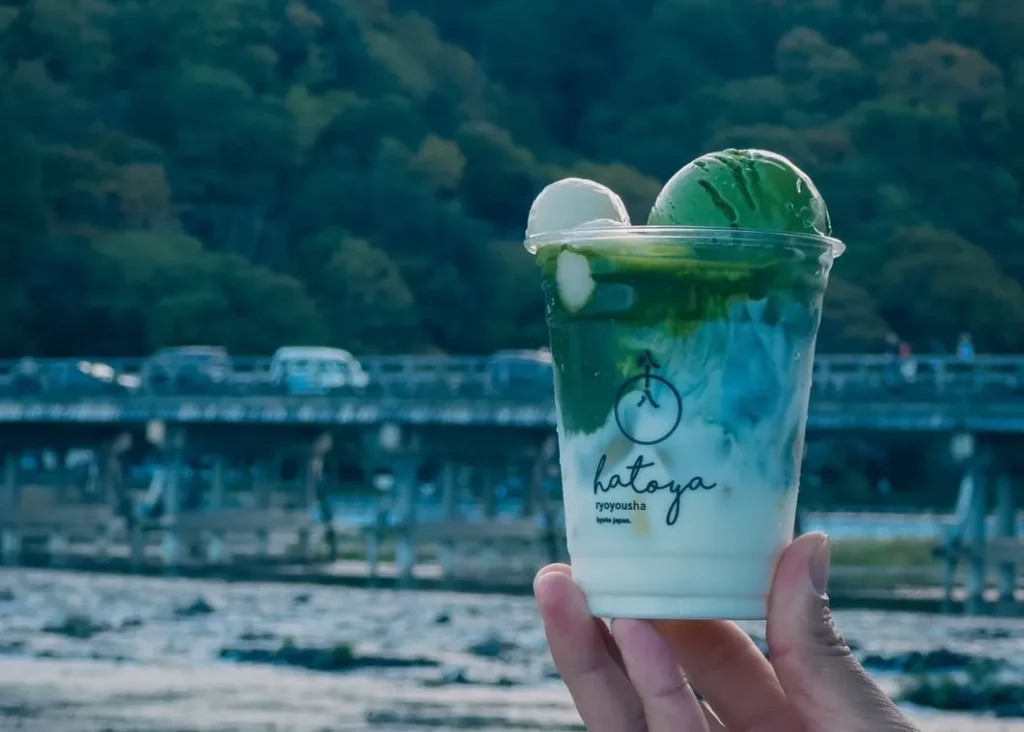
10 Must-Eat Sweets and Cafe in Arashiyama, Kyoto
Kyoto Arashiyama is a popular tourist spot that you must visit when you come to Kyoto. You can walk around many temples, shrines, and Buddhist temples, as well as natural spots such as Togetsukyo Bridge and bamboo grove paths. If you plan to spend a day sightseeing in Arashiyama, you should not miss the delicious sweets. Here are our picks for the BEST 10 Arashiyama sweets. -INDEX- 1.HATOYA RYOYOUSHA 2.Arashiyama Kotoimo honpo 3.Bread, Espresso & 4.MALEBRANCHE 5.MAMEMONO & TAIYAKI 6.KUMONOCHA CAFE ARASHIYAMA SHOP 7.kyocafe chacha Arashiyama 8.Arashiyama Cannele 9.Terakoya Honpo(Arashiyama Main Store) 10.Arashiyama Miffy Sakura Kitchen&Bakery This Japanese tea stand mainly offers teas and matcha from Kyoto Prefecture. The owner is so particular about tea that he visits tea growers every year to harvest tea. The store has only a counter, and one of the store’s attractions is that matcha is prepared and served right in front of customers. Matcha latte, matcha ice cream, matcha pudding, and other popular menu items are available for matcha fans not to be missed. This Japanese sweets shop is located at the entrance to the bamboo grove path. In Arashiyama, it is popular to eat a little bit of various sweets. Particularly popular at the store is the “Aburi Mitarashi” (roasted mochi dumpling). These dumplings are larger in size and have a chunky, stretchy texture compared to typical Mitarashi dumplings. It is irresistible to eat them intertwined with the mitarashi bean paste that is poured generously into the container. Seasonal menus are also available, with gourmet sweet potato dishes recommended during the sweet potato season. These gourmet items include fried sweet potatoes with sweet honey, thin, crispy, and savory sweet potato chips, and other delicacies that allow you to taste the true flavor of sweet potatoes. The “Bread, Espresso & Fukuda Art Museum” is located within the museum. The café was created to provide the most beautiful view of the Wataratsuki Bridge, the symbol of Arashiyama. The museum café is open only to visitors of the Fukuda Art Museum, so you can spend a relaxing time without getting caught up in the crowds. After enjoying the art, enjoy a luxurious tea time while admiring the beautiful Arashiyama scenery. We also recommend “Bread, Espresso & Arashiyama Garden,” located a 3-minute walk from Fukuda Art Museum. Here you can enjoy sweets, light meals, and aromatic coffee in a renovated old private house. The popular fruit sandwiches feature milky cream and seasonally changing fruit. Enjoy seasonal ingredients such as strawberries in spring and two kinds of melons in summer. Kyoto’s famous confectionery store “MALEBRANCHE” brings you western-style confections that resonate with the senses, utilizing Kyoto’s seasonal aesthetic sensibilities. If you visit the store, be sure to try the “Chachabo” matcha ice cream eclair, a takeout sweet available only at the Arashiyama store. The rich matcha soft serve, made with plenty of Uji matcha green tea, goes well with the savory cookie eclair. For souvenirs, we recommend “Cha no Ka,” a confection using rich matcha green tea that is representative of MALEBRANCHE and can only be purchased in Kyoto. This confectionary consists of a melt-in-your-mouth dark tea langue de chat sandwiched between white chocolate with a rich milkiness. The packaging, exclusive to the Arashiyama store, is very cute. Mamemono & Taiyaki is located on the first floor of the Arashiyama Shoryuen complex across from Randen Arashiyama Station. Shoryuen is a complex where Kyoto’s representative long-established stores are gathered together to offer gourmet lunches, cafes, and traditional craft stores. They insist on using local ingredients: red bean paste made from azuki beans, soy milk squeezed from soybeans, and coffee beans, all of which are purchased from a long-established shop in Kyoto. There are three types of taiyaki: tsubu-an, custard, and an-butter. We recommend the an-butter, which has a shelf life of only one minute before the butter melts. Enjoy the salty-sweet flavor of the butter in the sweet red bean paste. This is the Arashiyama store of the popular Kyoto brand “Kumono-cha”. The interior of the store was thoughtfully designed to match Arashiyama, using bamboo native to Kyoto, with “green” as the theme color, white for clouds, and black for Arashiyama. In particular, the second floor uses bamboo to recreate the “Arashiyama Bamboo Forest Road”. Recommended sweets are the Kumono Set. The Kumono Set includes Kumono Mousse and Kumono Matcha Latte. The matcha latte is made from carefully selected Uji matcha and has a luxurious taste of mildly bitter matcha and rich special milk. The fluffy and cute cloud-shaped latte artwork (HOT only) is Insta-worthy. This is a “Kyo Waffle” store that not only looks cute, but is of course particular about the taste and volume when eaten, and each waffle is handmade one by one. We are particular about every single piece of tableware and interior design so that you can enjoy not only eating the sweets but also spending time there. The chocolate-dipped waffles are also available for takeout, so it is wonderful to take out and take pictures with the Arashiyama scenery. A new canelé and tea specialty shop opened in November 2024 inside 98PARK, a park just a short walk from Hankyu Arashiyama Station. Their canelés are baked to perfection—crispy and slightly caramelized on the outside, yet soft and moist inside. The tea selection features flavored teas from CHA YUAN, a renowned tea house based in Lyon, France. From the shop, it’s only about a 7-minute walk to Togetsukyo Bridge, one of Arashiyama’s most famous landmarks. On a sunny day, grab a freshly baked canelé and enjoy it on a bench near the bridge for a relaxing treat! Founded in 1985 in the rural village of Ohara, Kyoto, Terakoya Honpo is a long-established Japanese confectionery shop specializing in traditional senbei (rice crackers) and okaki (bite-sized rice snacks). Using 100% domestically sourced glutinous rice, they produce high-quality treats with authentic flavors. At their Arashiyama Togetsukyo Store, the Hanami Dango, colorful rice dumplings topped with sweet bean paste, is a customer favorite. With its delicate sweetness and beautiful presentation, it’s a must-try treat. This bakery shop is a must-visit for Miffy fans, themed around “Japanese style × Miffy.” Located on Arashiyama’s main street, the shop offers kitchen goods and sweets perfect as souvenirs, as well as popular character-shaped bread baked fresh in the in-store kitchen. The signature item is the “Miffy Anpan.” Shaped like Miffy’s face, it has an adorable appearance and is filled with gently sweet red bean paste, making it almost too cute to eat. In addition, seasonal breads and limited-edition items inspired by Arashiyama, such as cherry blossom–themed products, may also be available. There are various kinds of stores from take-out sweets to cafes. Enjoying delicious sweets along with sightseeing spots will surely make your sightseeing in Arashiyama even more enjoyable. It is also fun to take pictures of the cute looking sweets and the scenery of Arashiyama. We hope you will visit the stores we have introduced. We also have a video showing the stores we introduced! Please take a look!
-

Kyoto-Half Day Trip|Tour of architect Kengo Kuma’s designs and architectural creations
-

Rakusaiguchi, Kyoto-1 Day Trip|Let’s Go Cycling in The Bamboo Grove!
-
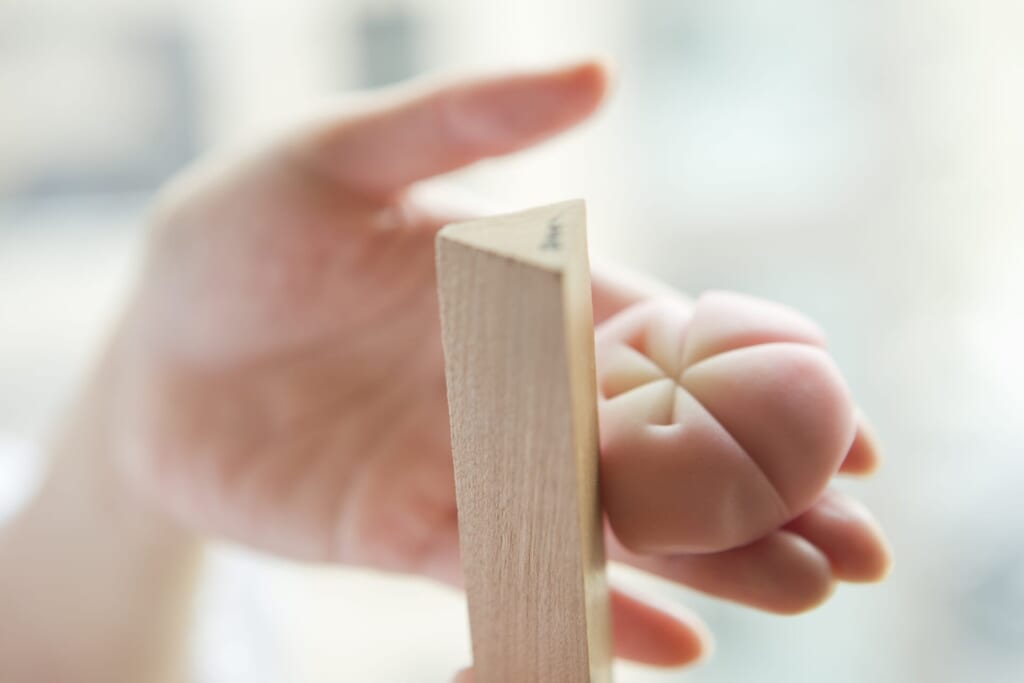
Kyoto-1 Day Trip|Enjoy Handmade Experience! Yuzen Dyeing and Wagashi (Japanese Sweets)
-

【Kyoto】1 Day Trip|Let’s walk around Higashiyama, Kyoto to see the autumn leaves!
-

Arashiyama, Kyoto-1 Day Trip|From Popular Spots to Best Kept Secret Spots!