
A free spirit who loves the serene landscapes of ancient cities and travels solo.
Constantly exploring fascinating and less-known gems in Osaka, Kyoto, and Kobe.

When visiting Osaka, Kyoto, and Kobe, knowing how to get around by train is the key to enjoying a smooth and budget-friendly trip! In this guide, we’ll explain the basics of traveling by train in the Kansai region, including how to choose between JR and private railway lines, how to buy tickets, how to ride using IC cards or credit cards, and essential train etiquette to keep in mind. Whether you’re a first-time visitor to Japan or an experienced traveler, you’ll find everything you need to know to travel around Kansai with confidence.
Index
1. Understanding Japan’s Railway Ticketing System
2. How to Buy Train Tickets and Board Trains in Japan
3. Best Way to Travel through Kansai: JR, Hankyu Railway, and Hanshin Railway
4. Rules for Bringing Luggage on Board
5. General Train Etiquette in Japan
6. Frequently Asked Questions About Riding Trains in Japan
1. Understanding Japan’s Railway Ticketing System
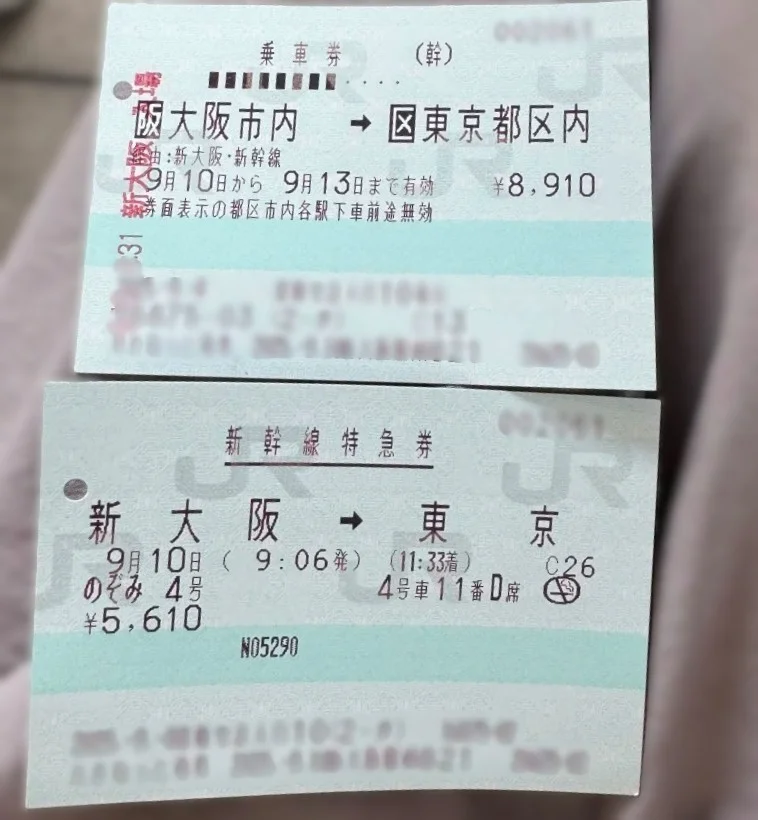
Shinkansen Ticket: Basic Ticket & Limited Express Ticket
When traveling by train in Japan, the first things to understand are the different types of tickets and the characteristics of each railway company.
Basic Fare Tickets and Limited Express Tickets
There are generally two types of train tickets in Japan:
・Basic Fare Ticket: A ticket required by all passengers to travel to their destination. For most short-distance journeys, a basic fare ticket is all you need.
・Limited Express Ticket: An additional ticket required when traveling on faster trains, such as the Shinkansen (bullet train) and JR limited express trains, or when using a reserved seat.
JR vs. Private Railways
In addition to JR, the Kansai region is served by numerous private railway companies.
・JR: Offers convenient connections to the Shinkansen and is well suited to long-distance and regional travel.
・Private Railways: Generally offer affordable fares, making them a great choice for sightseeing trips between cities. Hankyu Railway and Hanshin Railway provide direct connections between major downtown areas and popular sightseeing spots in Osaka, Kyoto, and Kobe.
2. How to Buy Train Tickets and Board Trains in Japan
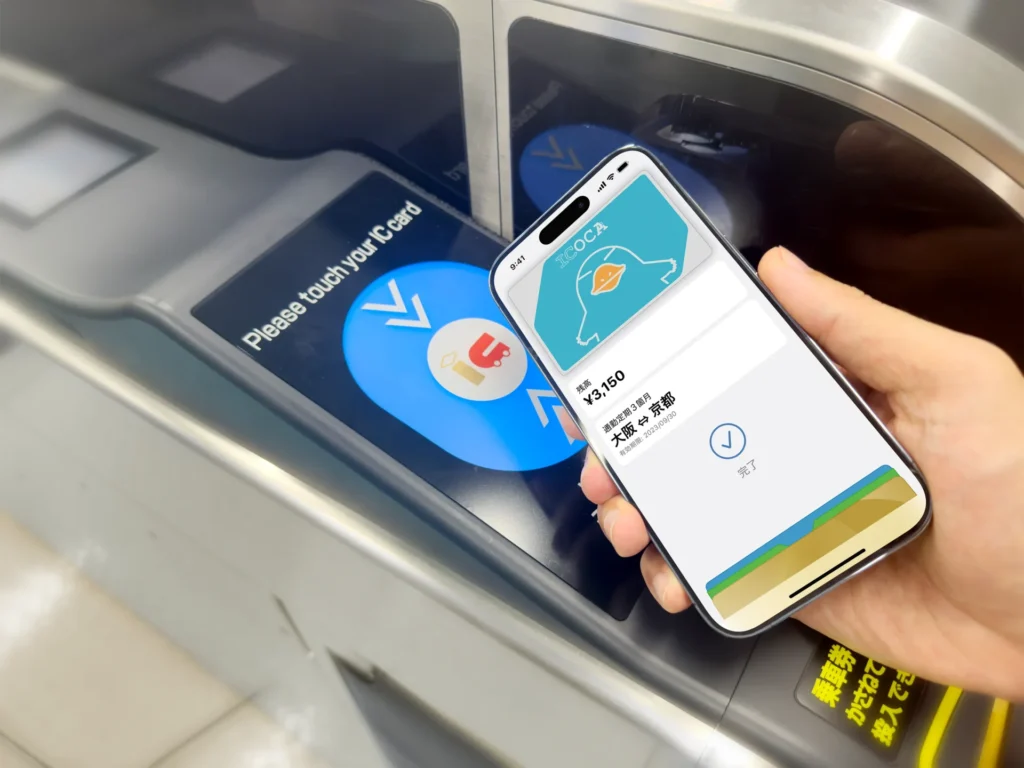
You don’t need to line up at ticket machines and buy paper tickets every time you take a train. Instead, you can enjoy a smoother journey by using a mobile IC card or contactless credit card payment on your smartphone or card.
Buying and Using an IC Card
A rechargeable IC card is a convenient way to travel by train and bus in Kansai. ICOCA is widely used in the region and works on participating JR and private railway lines, subways, and buses. You can purchase and top up a card at station ticket machines or counters, then simply tap it on the reader at the ticket gate or inside the vehicle to pay your fare.
ICOCA is also compatible with other major IC cards, including Suica, through Japan’s nationwide mutual-use system. So if you already have one, you can use it in Kansai without getting a new card.
Mobile ICOCA and Mobile Suica
These convenient IC cards can be added to your smartphone, so you can travel without carrying a physical card.
[Easy Setup and Travel with an iPhone]
Open the Apple Wallet app, tap the “+” button, and add ICOCA or Suica. You can then top up your card using a credit card.
If you set it as your Express Transit Card, you can simply tap your iPhone on the ticket gate reader without unlocking the screen or using Face ID. This makes getting through the gates quick and easy.
Contactless Credit Card Payment Is Also Convenient
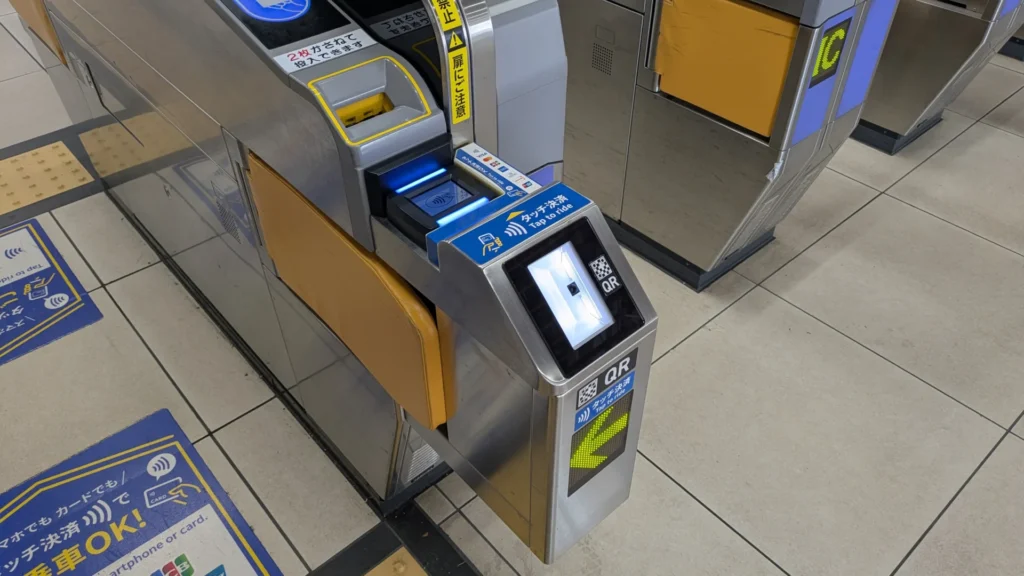
Many major railway lines in the Kansai region support contactless credit card payments. Simply tap a compatible card, such as Visa or Mastercard, on the designated reader at the ticket gate. It’s another convenient way to get around using a card you already carry.
If you plan to take the train several times in one day, an unlimited-ride digital pass is definitely a great way to save money.
● Exploring Osaka, Kyoto, and Kobe in One Day
Hankyu 1-Day Pass (Digital Ticket) – FY2026
Enjoy unlimited rides on all Hankyu Railway lines for one day. It’s an ideal pass for exploring destinations such as Arashiyama in Kyoto and Sannomiya in Kobe, with Osaka-Umeda as your starting point.
● Arriving at Kobe Airport and Exploring Kobe, Osaka, and the Namba Area
Port Liner & Hanshin 24-Hour Pass
Enjoy unlimited rides on all Hanshin Railway lines and the Kobe New Transit Port Liner for 24 hours. This pass is recommended for exploring the Nada sake breweries, Koshien, and Kobe’s waterfront area.
Find more great-value train passes HERE
3. Best Way to Travel through Kansai: JR, Hankyu Railway, and Hanshin Railway
When traveling between Osaka and Kyoto, the Hankyu Kyoto Line is the best choice if you want direct access to Kyoto’s downtown Kawaramachi area, while the JR Kyoto Line is more convenient if your destination is around Kyoto Station. The best route between Kobe and Osaka also depends on where you’re headed. For a detailed comparison of travel times and fares, check out the article below.
▶ Access from Osaka to Kyoto: Train Time, Fares, and Discount Passes of Different Railways
4. Rules for Bringing Luggage on Board
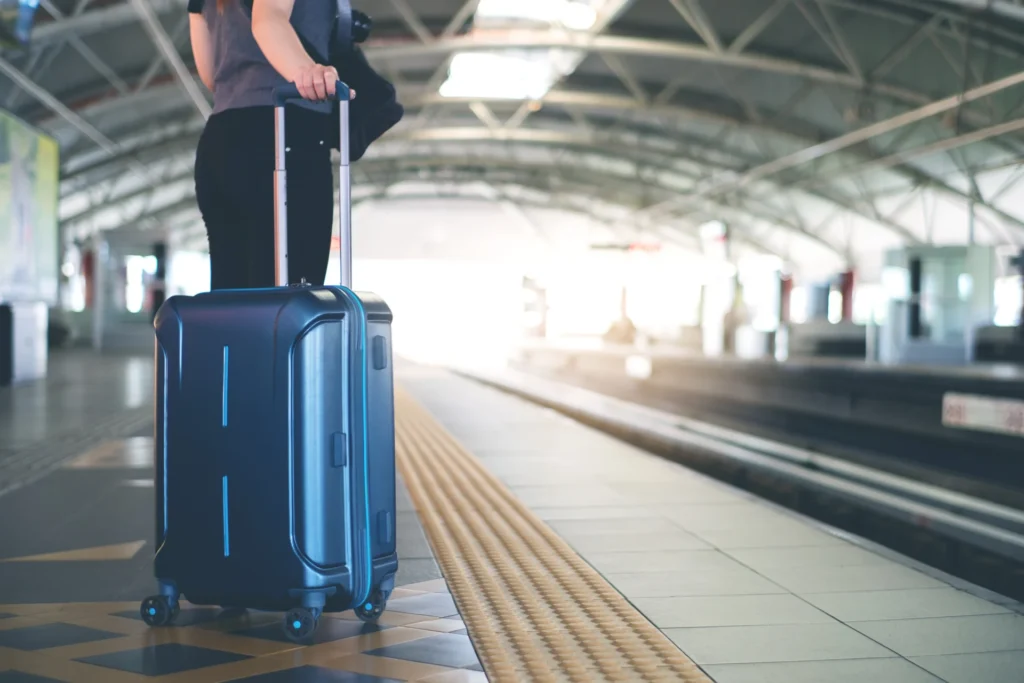
On Hankyu Railway and Hanshin Railway, passengers are generally allowed to bring up to two large pieces of luggage, such as suitcases, subject to weight and size restrictions.
On the Shinkansen, seats with access to an oversized baggage area are available by advance reservation. Please note that luggage regulations vary by railway company, so be sure to check the rules before boarding.
5. General Train Etiquette in Japan
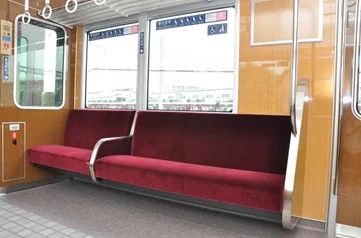
Being considerate of other passengers both on trains and at station platforms will help make your journey more comfortable for everyone.
・Rush Hour: What to Keep in Mind
When trains are crowded, avoid standing near the doors and move further inside the carriage. Let passengers get off before boarding, and try to get on and off smoothly without blocking others.
・Priority Seating
Offer your seat to elderly passengers, people with disabilities, and pregnant women. A little consideration goes a long way.
・How to Carry Your Backpack
Wear your backpack on your front to avoid bumping into other passengers. Large suitcases can be difficult to manage on crowded trains, so using a luggage delivery service is a good option.
・Keep Your Voice Down
Feel free to chat, but keep your voice low while on the train. Also, be mindful of the volume of your earphones to avoid disturbing those around you.
・Phone Calls
Set your phone to silent mode and avoid making calls while on the train. If you receive a call, the general rule is to get off the train before calling back.
6. Frequently Asked Questions About Riding Trains in Japan
Q. Do I need to make a reservation to ride trains in Japan?
A. Generally, no reservation is required. However, if you want to use a reserved seat on the Shinkansen or a JR limited express train, you will need to book in advance and purchase a limited express ticket. On the other hand, Hankyu Railway and Hanshin Railway’s limited express trains do not require an additional fee. You can simply board with a regular fare ticket or IC card.
Q. Can I use the JR Pass (Japan Rail Pass) on Hankyu Railway or Hanshin Railway?
A. No, the JR Pass is not valid on Hankyu Railway or Hanshin Railway. When using these lines, you can pay with a transportation IC card such as ICOCA. Alternatively, both railway companies offer a variety of great-value 1-day passes and sightseeing tickets. Choose one that best suits your travel plans!
Check Out This Article Too!
Why not take a special train to Kyoto and make the journey itself a memorable part of your trip?
▶ Kyo-Train Garaku | Feel Kyoto, From the Moment You Step On Board – Specially Designed Train


