KYOTO
Kyoto lets you experience the “spirit of Japan.” Dress in a traditional kimono while you explore the city’s ancient temples and shrines and taste the renowned, high quality Japanese-style cuisine.
RELATED ARTICLES
-

Top 5 Marathons in Japan: How to Apply, Access & Travel Tips
Japan is highly regarded by runners around the world for being safe and easy to run in, as well as for its beautiful cityscapes. From cherry blossom-lined routes in Tokyo and Kyoto to unique winter runs on snow in Hokkaido, the country offers a wide variety of unforgettable courses. In this guide, we introduce some of the best marathon events in the Kansai region—where you can not only enjoy the race itself, but also explore nearby attractions and indulge in local cuisine. Index 1. Kobe Marathon [Scheduled for Sunday, November 15, 2026] 2. Nara Marathon [Held annually in December] 3. Kyoto Marathon [Held annually in February] 4. Osaka Marathon [Held annually in February] 5. Himeji Castle Marathon [Held annually in February] 6. Recommended “City Run” Spots in Osaka, Kyoto, and Kobe One of the highlights of the Kobe Marathon is the chance to run past stunning waterfront scenery unique to this port city, including views of the Kobe waterfront and the iconic Akashi Kaikyo Bridge. The course features minimal elevation changes, making it beginner-friendly and ideal for those aiming to achieve a personal best. With convenient access to the старт area, participants can join the race with ease and minimal stress. ・Date: Scheduled for Sunday, November 15, 2026 ・Entry Period: Applications open from mid-April ・Entry Method: Lottery system ・Start Location: In front of Kobe City Hall ・Access: 5 min walk from “Kobe-Sannomiya Station” on the Hankyu and Hanshin lines ・Nearby Hotels: Numerous options available around Kobe-Sannomiya Station ▼Kobe Sightseeing & Gourmet Info▼ First Time in Kobe. 21 Best Things to Do! Sightseeing, Spots, Dining, Model Course 10 Delicious Gourmet Foods in Kobe! Local Specialties and Local Foods Recommended by Locals The Nara Marathon offers a truly unique course that takes runners past historic landmarks such as Todai-ji Temple and Nara Park, both recognized as UNESCO World Heritage sites. While the second half is known for its challenging hills, the sense of accomplishment upon finishing is incredibly rewarding. ・Date: Held annually in December ・Entry Period: Applications typically open from mid-June (based on 2025 schedule) ・Entry Method: First-come, first-served ・Start Location: Rohto Field Nara (based on 2025) ・Access: 20 min walk from Kintetsu-Nara Station / 30 min walk from JR Nara Station ・Nearby Hotels: Numerous options available around JR Nara Station ▼Nara Sightseeing & Gourmet Info▼ Enjoy the Great Buddha of Nara, the pride of Japan’s World Heritage and power spot The Kyoto Marathon showcases the very best of the city, taking runners past iconic sights such as Arashiyama and Ninnaji Temple, along the scenic Kamo River, and finishing at Heian Jingu Shrine. While the first half features some gentle inclines, the charming, historic scenery provides plenty of motivation along the way. Its popularity is also boosted by the convenient location, just steps from the nearest station. ・Date: Held annually in February ・Entry Period: Applications expected to open from mid-July (for 2026) ・Entry Method: Lottery system ・Start Location: Takebishi Stadium Kyoto ・Access: Next to “Nishikyogoku Station” on Hankyu Kyoto line ・Nearby Hotels: Numerous options available around “Kyoto-kawaramachi Station” on Hankyu Kyoto line ▼Kyoto Sightseeing & Gourmet Info▼ Within Walking Distance from Kyoto-Kawaramachi Station: Easy-to-Visit Popular Sightseeing Spots 7 Japanese Sweets “Wagashi” in Kyoto. To taste, to buy, to know, to experience. One of the largest marathons in Japan, the Osaka Marathon is a lively, festival-like event with an incredible atmosphere. The area, located in front of the Osaka Prefectural Government Office, is right next to Osaka Castle—offering beautiful views of its iconic main tower. The course takes runners through the heart of Osaka, including major streets like Midosuji and Dotonbori, with nonstop cheers from spectators energizing participants along the way. ・Date: Held annually in February ・Entry Period: Applications expected to open from late July (for 2026) ・Entry Method: Lottery system ・Start Location: In front of the Osaka Prefectural Government Office Building ・Access: About 10 min walk from “Tanimachi 4-chome Station” on the Osaka Metro Chuo and Tanimachi line ・Nearby Hotels: Numerous options available around “Osaka-umeda Station” on the Hankyu line ▼Osaka Sightseeing & Gourmet Info▼ Half-Day Tours in Osaka! 8 Local Trip Recommendations [2025] Best 11 Food in Osaka Umeda: From the Newest Restaurants to Classic Japanese Cuisine 5 Private Onsen & Baths to enjoy in Osaka! Hot spring resorts to stay overnight or enjoy on a day trip Due to parking facility renovation work around the venue, the event is scheduled to be suspended in 2027. We look forward to its return! Even outside of official races, there are plenty of great spots in Kansai where you can enjoy a casual run while traveling. Here are some recommended running courses: Osaka Castle Park (Osaka) Approximately 4 km per loop. This open and scenic course lets you run while enjoying views of Osaka Castle. With few traffic lights and beautiful cherry blossoms in spring, it’s a favorite among runners. Kamo River (Kyoto) A classic running route with no traffic lights and soft dirt paths that are gentle on your legs. You can start anywhere along the river—such as Shijo or Sanjo—and run at your own pace, making it very convenient. Nijo-jo Castle (Kyoto) Approximately 3.3 km per loop. Run alongside the historic stone walls of the castle on a traffic-free course. It’s well-lit at night, making it ideal for a safe and enjoyable night run. Himeji Castle (Kobe・Himeji) Approximately 3 km per loop. This course offers close-up views of the UNESCO World Heritage Site, Himeji Castle. The castle is illuminated from sunset until midnight, allowing you to enjoy a truly special night run. How did you like these options? Kansai offers a wide range of marathon events and running spots where you can not only enjoy the run itself, but also explore local attractions and indulge in regional cuisine. Find the perfect race or route for you, and experience the joy of running through Japan’s vibrant cities!
-
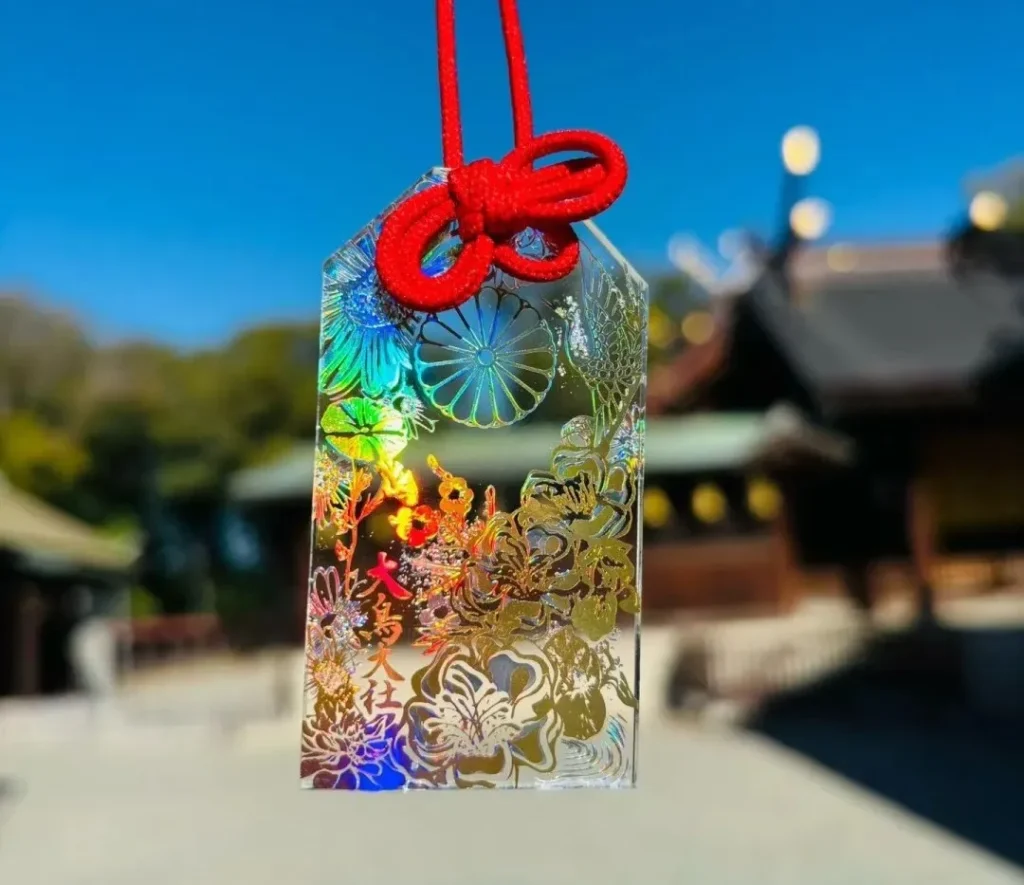
6 Shrines to Visit in Osaka & Kyoto for Trending “Transparent Omamori” on SNS
Have you heard about the “transparent omamori” that have recently gone viral on Japanese social media for their breathtaking beauty? Unlike traditional fabric charms, these clear, skeleton-style omamori feature delicate embroidery or lace designs, offering a refined elegance that feels almost spiritually uplifting just to carry. In this article, we introduce shrines in Osaka and Kyoto where you can receive these stylish and meaningful charms. From customizable designs to those with unique blessings, discover a wide variety of fashionable yet auspicious omamori to suit your personal taste. Index 1. [Osaka] Hokoku Shrine – A power spot within Osaka Castle 2. [Osaka] Otori Taisha Shrine – Cute charms symbolizing a clear future 3. [Osaka] Tsuyunoten Shrine (Ohatsu Tenjin) – Get a one-of-a-kind charm 4. [Kyoto] Shimogamo Shrine – Popular delicate lace charms 5. [Kyoto] Mikami Shrine – Japan’s only shrine dedicated to the god of hair 6. [Kyoto] Heian-Jingu Shrine – Choose charms in your favorite color Hokoku Shrine Osaka enshrines the great warlord Toyotomi Hideyoshi, who rose from humble origins to become one of Japan’s most powerful leaders. The shrine is well known for its blessings of success, career advancement, and protection from misfortune. Located within Osaka Castle Park, it’s a perfect stop to visit alongside sightseeing at Osaka Castle. Inspired by the in-house Wakunaga Shrine, the popular “Kagayaki Mamori” (Radiance Amulet) carries the wish for “eternal youthfulness and lasting beauty.” Its charming embroidered design, featuring a plant that always grows upward in search of sunlight, symbolizes positivity and vitality, making it a beloved talisman for beauty, health, and longevity. Otori Taisha Shrine is a historic and prestigious shrine known as the Ichinomiya (highest-ranked shrine) of the former Izumi Province. It enshrines the legendary hero Yamato Takeru and Otorinomuraji no Oyagami. Based on the many tales of Yamato Takeru overcoming great challenges, the shrine is believed to grant blessings for victory and protection from misfortune. Its clear acrylic omamori, symbolizing the idea of “seeing clearly into the future,” has become a huge hit on social media. It is said that if you hold the charm up toward the main hall and take a photo, it brings even greater blessings. When held to the light, the design shines in rainbow colors, as if illuminating your path ahead with good fortune. Tsuyunoten Shrine—affectionately known as Ohatsu Tenjin—is famous as the setting of Chikamatsu Monzaemon’s masterpiece Sonezaki Shinju (The Love Suicides at Sonezaki). Inspired by the deep love of the story’s protagonists, the shrine has become a well-known spot for love and relationship blessings, attracting many visitors. One of its highlights is the “Momoiro Omamori”, which allows you to create your own personalized charm. You can choose from over 50 types of delicately embroidered pouches and combine them with a wish card of your choice. Since the embroidery designs are updated regularly, you can create a one-of-a-kind omamori that is truly unique to you. Shimogamo Shrine is one of the oldest shrines in Kyoto and is registered as a UNESCO World Cultural Heritage site. It enshrines Kamo Taketsunumi no Mikoto, the deity said to have helped develop ancient Kyoto, and Tamayori Hime no Mikoto, a goddess associated with mystical legends. The shrine is widely known for its blessings related to love, safe childbirth, and beauty. Its “lace omamori”, created to bring good fortune and happiness, has become especially popular among women. Featuring delicate embroidery on a transparent fabric, the design is said to embody the wish that the divine power of the gods can be received more strongly, making it both a beautiful and meaningful charm. Mikami Shrine is located near the famous bamboo grove in Arashiyama and is the only shrine in Japan dedicated to the god of hair. The enshrined deity is Fujiwara no Masayuki, a real historical figure from the Kamakura period who served as an official court hairdresser. Today, professionals in the beauty and hair industry, as well as those wishing for beautiful, healthy hair, visit from all over Japan. One of its most popular charms is the “Fukugami Mamori”, featuring a transparent pouch with motifs of scissors and combs. Since ancient times, combs have been considered protective items against evil, and well-maintained hair is said to attract good fortune. This charm is cherished for its blessings of protecting hair health and enhancing its beauty and shine. Heian Jingu Shrine is one of Kyoto’s most iconic shrines, known for its massive torii gate set against the blue sky and its vivid vermilion shrine buildings. It enshrines Emperor Kanmu, who moved the capital to Kyoto in 794, and Emperor Komei of the late Edo period. The shrine is believed to offer a wide range of blessings, including protection from misfortune, love and relationships, and academic success. Its beautifully translucent “Kanau Mamori” (Wish-Granting Charm) features designs inspired by weeping cherry blossoms and irises found within the shrine grounds. The charm strings come in 10 different colors, allowing you to choose your favorite—or even your oshi (favorite idol or character) color. It’s a stylish and meaningful charm, perfect for adding a personal touch to your visit and even supporting your oshi-katsu! Transparent omamori, with their delicate and beautiful appearance, make wonderful souvenirs that are sure to be appreciated. After taking a moment to clear your mind through shrine visits, why not bring home a piece of that experience in the form of a beautifully crafted charm? ▼Check these articles▼ 8 Must-Visit Shrines in Kobe: Perfect to Pair with Nearby Attractions Unusual red seals and good luck charms! 12 Shrines and Temples in Kansai related to the Chinese Zodiac
-

7 cherry blossom illumination in Kyoto, Osaka and Hyogo. Fantastic Japanese Spring Nights
Cherry blossoms are an essential part of the spring scenery in Japan. Many people choose to visit Japan during the cherry blossom season to enjoy the scenery. While it is nice to visit famous cherry blossom viewing spots during the daytime, the fantastic scenery of cherry blossoms illuminated at night is also very tasteful. This article introduces spots in Kyoto and Hyogo where cherry blossoms are illuminated at night. 🌸2026 Cherry Blossom Forecast 🌸 The long-awaited cherry blossom season begins. On March 19, Japan Meteorological Corporation (JMC) released its 9th cherry blossom forecast for 2026 season.Thanks to a warm spring, the blossoms are expected to pop earlier than average nationwide! *Please note that the admission fees and charges for viewing cherry blossoms illuminated at night may differ from the regular admission fees and charges. -INDEX- 【Kyoto】World Heritage Site Nijo-jo Castle/Nijo-jo Catsle 2026 SAKURA NIGHT 【Kyoto・Higashiyama】Kodai-ji Zen Temple/Spring Night Special Entrance(illumination) 【Kyoto・Higashiyama】Chion-in Spring Illumination 2026 【Kyoto・Okazaki】Heian Jingu Shrine/Sakuraotoyo 2026 【Osaka】Expo’70 Commemorative Park/Cherry blossom trees along Higashioji Street illumination 【Hyogo・NIshinomiya】Shukugawa Park/Sakura Illumination Kurakuen 【Hyogo・Himeji】Himeji Castle/Himeji Castle Night Cherry Blossom Viewing Party Dates: Thursday, March 19, 2026 – Sunday, April 19, 2026 Nijo-jo Castle, a World Heritage Site, is home to approximately 300 cherry trees of 50 varieties. Cherry blossoms are usually short-lived, but the blooming period of cherry trees at Nijo-jo Castle differs depending on the variety, allowing visitors to enjoy them for as long as one month. Night Event “Nijo-jo Catsle 2026 SAKURA NIGHT” will be held. Four events will run concurrently during the period. 1. World Heritage Site Nijo-jo Castle × Japan Academy Prize-winning director’s immersive theater “Shirogeki” *Dates are limited; please check the official website in advance. 2. Special Nighttime Viewing of the National Treasure Ninomaru Palace 3. Projection Mapping Featuring Cherry Blossoms and Light 4. Enjoying Kyoto Cuisine and Traditional Crafts with Nighttime Cherry Blossoms Experience the quiet nighttime viewing within the National Treasure Ninomaru Palace and enjoy the projection mapping, where history and cutting-edge digital art fuse together, featuring cherry blossom petals as its motif. Event Hours: 18:00–22:00 (Last entry at 21:00) ▼Check this article▼ 5 castles in Osaka, Kyoto and Hyogo. From World Heritage Sites to the Newest Castles, Places to Visit for Sightseeing Dates: Friday, March 13, 2026 – Wednesday, May 6, 2026 Higashiyama is one of the most popular tourist destinations in Kyoto. Kodai-ji Zen Temple is one of the most popular temples. During this period, the entire temple grounds, including the hall, garden, and bamboo grove, will be illuminated. The cherry blossoms in the Hashin-tei garden in front of the Hojo (main building) are especially wonderful when illuminated. The pink cherry blossoms standing alone in the white sand garden of Karesansui (dry landscape garden) are showered down like a shower. The dignified appearance of the cherry blossoms in the spotlight is a sight to behold. Illumination Hours:17:00~21:30 (Last entry at 21:30) ▼Check this article▼ 22 Cherry Blossom Spots in Kansai (Kyoto, Osaka, Hyogo) Dates: Wednesday, March 25, 2026 – Sunday, April 5, 2026 Jodo Shu head temple Chion-in is especially famous for the cherry blossoms in front of its national treasure, Sanmon. The beauty of the pretty pink cherry blossoms against the massive and powerful Sanmon is nothing short of impressive. In addition to the approximately 200 cherry trees, the National Treasure Mieido and Daishoro, an important cultural property, are also illuminated, making it a must-see. From Chion-in to Maruyama Park and Kodai-ji Zen Temple, famous for the “Gion-no- Yozakura” (cherry blossoms at night in Gion), and Kiyomizu-dera Temple, it is recommended to visit all the famous night cherry blossoms in Higashiyama, Kyoto, at the same time. Illumination Hours: 5:45PM-9:30PM (Last entry at 9PM) ▼Check this article▼ Within Walking Distance from Kyoto-Kawaramachi Station: Easy-to-Visit Popular Sightseeing Spots Dates: Wednesday, April 1, 2026 – Sunday, April 5, 2026 The Shinen of Heian Jingu Shrine is a Japanese garden representative of the Meiji era. Of the vast grounds totaling approximately 33,000 square meters, the red weeping cherry trees in the south and east shrine gardens are famous, and are illuminated at night. Illumination Hours: 6:15PM-9PM (Last entry at 8:30PM) * A separate ticket is required for the concert. There are two ticket options: Concert Admission: Includes access to Higashi Shin’en (concert venue) and Minami Shin’en (cherry blossom illumination). General Admission: Grants access to Minami Shin’en (cherry blossom illumination only). ▼Check this article▼ Kyoto Goshuin Guide: 6 Goshuin from Famous Shrines to Recommended Goshuincho Dates: Friday, March 20, 2026 (National Holiday) to Sunday, April 5, 2026 Expo ’70 Commemorative Park is one of the best cherry blossom viewing spots in Osaka, selected as one of the 100 best cherry blossom viewing spots. cherry blossoms start blooming around mid-March and the park is dyed in beautiful pink. Until early April, the cherry trees along Higashioji Street will be illuminated. The rows of lustrous cherry blossoms lining both sides of the road are a sight to behold. During the daytime, there will be special openings of the “Pan-an and Banri-an” tearooms in the vast Japanese garden, and tea ceremonies at the “Pan-an” (for a fee). Why not experience a typical Japanese spring scene with cherry blossoms and tea? ▼Check out this article too▼ Expo ’70 Commemorative Park is a great place to visit in Osaka! Highlights Explained! Dates: Late March to early April About 10 minutes by Hankyu train from Kobe-Sannomiya station, and about 20 minutes by Hankyu train from Osaka-Umeda station. The rows of cherry trees along the riverside, which can be seen from the platform of Hankyu Shukugawa Station, are one of the best cherry blossom viewing spots in Hyogo Prefecture, selected as one of the 100 best cherry blossom viewing spots in Japan! Approximately 1,660 cherry trees and 1,520 pine trees are planted along the riverside avenue. In particular, the view of Mt.Kabuto and the cherry blossoms from the bridge just outside Hankyu Kurakuen-guchi Station is spectacular. The area around Kurakuen-guchi Station is a residential area, so there are many families and unique restaurants scattered around the area. This is a spot where you can fully enjoy the charm of cherry blossoms from the perspective of everyday Japanese people. Dates: Friday, March 27, 2026 – Sunday, April 5, 2026 Himeji Castle, designated as a World Heritage Site and a National Treasure, is also famous as a cherry blossom viewing spot. At night, around 100 cherry trees in the Nishi-no-Maru Garden, an area normally closed to the public, are beautifully illuminated. This creates a breathtakingly magical atmosphere, offering a completely different experience from the daytime scenery. Himeji Castle is also called “Shirasagi-jo” (White Egret Castle) because it looks like a white egret with its wings spread. The collaboration of its majestic figure, which rises white in the darkness under the lights, and the cherry blossoms is a sight to behold. Illumination Hours: 6:30PM-9PM (Last entry at 8:30PM) ▼Check this article▼ 5 castles in Osaka, Kyoto and Hyogo. From World Heritage Sites to the Newest Castles, Places to Visit for Sightseeing The cherry blossoms are illuminated only for a short period of time in spring! Enjoy the heart-stopping scenery and make it a precious memory of your trip.
-

2026 | 22 Sakura Spots in Kansai (Kyoto, Osaka, Hyogo)
From famous cherry blossom viewing spots to hidden gems, here are some of the best places to view cherry blossoms by area for your reference in the spring of 2026. 🌸2026 Cherry Blossom Forecast 🌸 The long-awaited cherry blossom season begins. On March 19, Japan Meteorological Corporation (JMC) released its 9th cherry blossom forecast for 2026 season.Thanks to a warm spring, the blossoms are expected to pop earlier than average nationwide! ▶For 2026 real-time updates on the cherry blossom spots along Hankyu Railway! -INDEX- [KYOTO area] [KYOTO Arashiyama area] ・Togetsukyo Bridge, a famous cherry blossom viewing spot in Arashiyama ・Randen (Keifuku Electric Railway) Cherry blossom Tunnel ・Tenryuji Temple, where you can enjoy cherry blossoms while overlooking the city of Kyoto ・Daikakuji Temple, where you can enjoy cherry blossoms reflected on the surface of water [KYOTO Higashiyama area] ・Keage Incline is popular for its rows of cherry trees in full bloom ・Kodaiji Temple, a popular cherry blossom viewing spot for its illumination ・Cherry Blossom Walk “Philosopher’s Walk” ・Heian Jingu Shrine, famous for weeping cherry blossoms [KYOTO Nishiyama area] ・Shobo-ji Temple to enjoy cherry blossoms at a temple called Ishi-no-tera ・Phantom Sengan Cherry Blossom, Oharano Shrine ・Commonly known as the Temple of Flowers, Shouji-ji Temple ・The entire mountain is dyed pink at Yoshimine Temple [OSAKA area] ・Japan Mint, Cherry Blossom Passage ・Osaka Castle Park with a spectacular view of the castle and cherry blossoms ・Osaka Sakura Cruise ・Ikeda Satsukiyama Ryokuchi, cherry blossom viewing spot for the whole family ・Hanami from Late February! Flower Expo Memorial Park Tsurumi Ryokuchi [HYOGO area] ・The cherry blossoms along the river are magnificent at Shukugawa Park ・Oji Zoo where you can enjoy cherry blossoms even with small children ・Sumaura Sanjo Yuen Park, where you can enjoy the view overlooking the Seto Inland Sea and cherry blossoms ・Takarazuka Hana no michi, a beautiful walking path to Takarazuka Grand Theater ・Kokoen Garden, a Japanese garden in Himeji for cherry blossom viewing Experience the Hanami culture There are many picturesque cherry blossom viewing spots in Kyoto. You can never miss the famous spots! I want to go to a place where there are as few people as possible! Here are some cherry blossom viewing spots in Kyoto by area that will fulfill both of your wishes. Arashiyama is rich in seasonal changes. The clear Oigawa River and the graceful appearance of the Togetsu Bridge over it attract people’s hearts no matter what time of year they visit. In spring, the view of cherry blossoms, mountains, river, and bridge together is magnificent. ▼Must-read this guide before visiting Arashiyama▼ Arashiyama Station: Comparing and Explaining 4 Kyoto Arashiyama Stations The views of the Togetsukyo Bridge over the overflowing cherry blossoms and Arashiyama beyond is as beautiful as a picture scroll. For a unique hanami experience, consider renting a boat or taking a traditional roofed boat to enjoy the cherry blossoms along the Katsura River. Even on crowded days, you can appreciate the stunning view of Togetsukyo Bridge and the sakura from the calm waters. ▼Click here for a model course that allows you to quickly capture Arashiyama sightseeing in half a day▼ Kyoto Arashiyama Sightseeing Half-day Model Course! Capture the bamboo forest, temples, nature, and major spots! A tunnel of cherry blossoms appears between Narutaki and Utano Stations on the Randen Kitano Line. Someiyoshino cherry trees line both sides of the line for about 200 meters. The retro trains that run through the cherry blossoms are also attractive. Tenryuji Temple was built by Ashikaga Takauji. It is a beautiful spot with cherry blossoms in the distance, such as weeping cherry trees blooming against the backdrop of Dahouden Hall and Mochikyo-no-oka overlooking Arashiyama in spring. Cherry trees are planted around Osawa Pond, the oldest man-made garden pond in Japan, and visitors can enjoy a 1-kilometer walk around the pond. The cherry blossoms reflected in the water mirror are also beautiful. Higashiyama is home to a concentration of Kyoto’s most famous sights. The area, which is easily accessible from downtown Kawaramachi, Kyoto, is dotted with cherry blossom viewing spots. Please enjoy the town of Higashiyama dyed in pink. ▼If you’re visiting Kawaramachi area, be sure to check out this article▼ Within Walking Distance from Kyoto-Kawaramachi Station: Easy-to-Visit Popular Sightseeing Spots A total of 582 meters of inclined railroad near Nanzenji Temple, and now visitors can freely walk on the rails. In spring, you can enjoy the romantic scenery amidst the rows of cherry trees that fill the area. This Zen temple was built by Nene to mourn the loss of Hideyoshi. In spring, weeping cherry trees in the Hojo Garden bloom beautifully, their bright pink color shining on the white sand of the garden. During the nighttime viewing, the Hojo front garden with weeping cherry trees will be illuminated. ▼Check out this article for the light-up event▼ 7 cherry blossom illumination in Kyoto, Osaka and Hyogo. Fantastic Japanese Spring Nights The Philosopher’s Path, a scenic 2km walkway connecting Ginkaku-ji Temple and Nanzen-ji Temple, is lined with countless cherry trees. No matter how far you walk, you’ll be surrounded by breathtaking sakura! The side trips to shrines and temples scattered along the way are also enjoyable and make you lose track of time. Most of the cherry trees that adorn Heian Shrine are red weeping cherry trees. As the name suggests, these cherry trees are bright red in color. The contrast with the vermilion shrine pavilions is magnificent. In early April, Heian Shrine’s Higashi-Shin’en and Minami-Shin’en Gardens are illuminated, creating a magical nighttime sakura viewing experience. ▼Check out this article for the light-up event▼ 7 cherry blossom illumination in Kyoto, Osaka and Hyogo. Fantastic Japanese Spring Nights There’s even a spot away from the city center of Kyoto where you can enjoy the cherry blossoms! Enjoy the cherry blossoms in a relaxing atmosphere at this ancient shrine nestled in the nature of Nishiyama. ▼Kyoto Nishiyama is the next hot spot in Kyoto! For more information, please click here. Kyoto Nishiyama|An undiscovered sightseeing spot in Kyoto! The “Garden of Birds and Animals,” lined with stones that resemble animals and birds, is a beautiful spot where weeping cherry trees stand dignifiedly. The most notable cherry blossom on the grounds of Oharano Shrine is the “Sengan-zakura” (cherry blossom with a thousand eyes). It is said to be a phantom cherry blossom that blooms for only two or three days, and if you are lucky enough to see it, your wish will come true. At Shouji-ji Temple, commonly known as “Flower Temple,” about 100 cherry trees spread their branches spontaneously. The temple is famous for the “Saigyo Cherry Blossoms,” which are said to have been planted and loved by the monk Saigyo. Various varieties of cherry trees, including higanzakura (higan cherry), shidarezakura (weeping cherry), yamazakura (mountain cherry), and botanzakura (botan cherry), color the spring scenery in the precincts. The temple is also famous for its dynamic view. You can enjoy a panoramic view of the city of Kyoto. There are many cherry blossom viewing spots in the Osaka area, including cherry blossoms to be enjoyed in the city and in parks. Japan Mint Bureau is a regular spot that is often voted No. 1 in the ranking of Osaka’s cherry blossom viewing spots. Although the grounds are not accessible during the day, they are open for a limited time only during the “Cherry Blossom Passage,” which is held when the cherry blossoms are in bloom. *For the 2026 Cherry Blossom Path Event, we plan to implement an advance online registration system (first-come, first-served basis). Cherry blossoms at Japan Mint are mainly late-blooming yaezakura, and many types of cherry trees can be enjoyed while walking along the 560-meter promenade. Each cherry tree is planted with a different variety of cherry blossom, so find the one you like best! This lush green park stretches around Osaka Castle and offers a spectacular view of cherry blossoms with the castle tower in the background. The Nishinomaru Garden, surrounded by important cultural properties, is famous for its approximately 300 cherry trees, mainly Someiyoshino. The castle tower and the pink-colored cherry blossoms are a spectacular view unique to Japan. ▼Check this article for recommended castle spots other than Osaka Castle! 5 castles in Osaka, Kyoto and Hyogo. From World Heritage Sites to the Newest Castles, Places to Visit for Sightseeing The “Naniwa Tanken Cruise with Rakugo Storytellers,” which offers sightseeing in Osaka City with the entertaining guidance of Rakugo storytellers, will be operated as the “Cherry Blossom Special Cruise” for a limited time in spring. This is a very popular cruise every year, where you can enjoy the rows of cherry blossom trees that are slightly tinted with spring colors from the surface of the river. The cruise takes about 120 minutes and you can see the cherry blossoms along the Okawa River. Satsukiyama Ryokuchi, located in Ikeda, Osaka, is a popular spot where you can enjoy a free zoo, hiking, barbecues, and playground equipment all day long. On weekends during the holiday season, the park is crowded with families with children and hikers. From the entrance of the park to the Hinomaru Observatory at the top of the mountain, Someiyoshino and Yamazakura cherry trees are in full bloom everywhere. Tsurumi Ryokuchi Park is a spacious park featuring a rose garden, almond trees, and a variety of seasonal flowers, making it a perfect spot for families and couples alike. This park is unique for its long cherry blossom viewing season, starting from late February. Various cherry tree species are planted here, including Kawazu-zakura, Okame-zakura, and Somei Yoshino, allowing visitors to enjoy hanami for an extended period. Additionally, from mid-April, visitors can admire the delicate blue nemophila flowers covering the Windmill Hill Flower Garden, adding another layer of seasonal beauty. There are many places famous for cherry blossoms in the Hyogo area. Kobe, Takarazuka, Himeji, etc., offer a different atmosphere from Osaka and Kyoto. Shukugawa Park has a beautiful view of the cherry blossoms reflected in the river. It has been selected as one of the “100 Best Places for Cherry Blossoms” and is a popular spot for cherry blossom viewing. The path lined with cherry blossom trees on both banks is a perfect walking course. You can also enjoy the cherry blossoms from the nearest station, Hankyu Shukugawa Station. At Hankyu Shukugawa Station, there’s a cute bench with a cherry blossom motif! Opened in 1951, Oji Zoo is one of the best leisure spots in Kobe where parents and children can enjoy a full day of close observation of animals. Oji Zoo is also a great place to enjoy cherry blossoms. There are about 480 cherry trees in the park alone, and nearly 800 cherry trees in the entire Oji Park. The collaboration of animals and cherry blossoms, including giraffes and elephants, is fascinating. Please enjoy the warm weather and be healed by the animals. ▼For other recommended zoos in Kobe, see here▼ 4 Recommended Zoos to Visit in Kobe Sumaura Sanjo Yuen Park is a popular amusement park for parents and children, where you can enjoy the view of the blue sky and the sea. You can get there by taking the Sumaura ropeway and gondola. You can see the collaboration of cherry blossoms with Osaka Bay and Akashi Strait. It is famous as a cherry blossom viewing spot in Kobe. The number of cherry trees in bloom here and there in the park is one of the largest in Kobe. ▼For more details about Sumaura Sanjo Yuen Park▼ Kobe・Sumaura Sanjo Amusement Park|Retro Rides, Stunning Seto Inland Sea Views, and Spectacular Cherry Blossoms The “Hana no michi” that leads from Hankyu Takarazuka Station to Takarazuka Grand Theatre is filled with cherry blossoms in spring. The tunnel of cherry blossoms in full bloom looks like a flower path on a stage. It is also popular among Takarazuka Revue fans. ▼Check this article▼ Takarazuka you don’t know yet! A fun day at the Takarazuka Grand Theater for beginners Kokoen Garden is a popular tourist spot when visiting Himeji. This is a Japanese garden with World Heritage “Himeji Castle” in the background. The garden area is large along the southwestern part of Himeji Castle. The gardens are about 3.5 hectares. Those who come to visit Himeji Castle must not miss out to come and visit this garden. Adjacent to Koko-en Garden, Himeji Castle is another popular cherry blossom viewing spot, with numerous cherry trees blooming within its grounds. A stroll along the moat surrounding the castle offers a unique hanami experience, allowing visitors to admire the castle from all directions—east, west, south, and north—while enjoying the beautiful cherry blossoms. ▼Check this article▼ 7 cherry blossom illumination in Kyoto, Osaka and Hyogo. Fantastic Japanese Spring Nights You can only enjoy the cherry blossom-colored scenery of Japan during the short spring period. Please check it out as soon as possible and use it as a reference for your travel plans. Hanami, or cherry blossom viewing, is one of Japan’s traditional customs, where people appreciate cherry blossoms to feel the arrival of spring. Hanami is a spring event in which families and friends gather under cherry blossom trees to enjoy food and drinks. The great thing about Japanese hanami is that anyone can easily enjoy it. Typical things to prepare include a picnic sheet, boxed lunches (bento), drinks, and sweets. Picnic sheets can be found at 100 yen shops, and bento, drinks, and sweets can be bought at convenience stores. Just find a spot under the cherry blossom trees, spread out your picnic sheet, and enjoy! For those who want to enjoy hanami with traditional bento or the latest sweets, Hankyu and Hanshin department stores are recommended. ▼Check this article▼ 8 recommendations for souvenirs from Umeda, Osaka! The hottest stores in Hankyu & Hanshin department store’s food hall
-

7 Best Spots for Wisteria Flowers in Kansai: The Spring filled with purple flowers
Spring in Japan is the season of flowers! Many people may think of cherry blossoms when they think of spring flowers in Japan, but wisteria flowers is a spring flower that is familiar to Japanese people and has even been written about in waka poems. The best time to see isteria flowers is after the cherry blossoms have fallen. Even after the cherry blossoms are over, there are still some Japanese landscapes that we would like visitors to see! *Admission and worship fees are required to view some spots. For details, please check the official website of each spot. -INDEX- [Osaka, Fukushima-ku] Shimofukushima Park, etc. [Osaka, Higashisumiyoshi] Nagai botanical garden [Tamba-shi, Hyogo] Byakugou-ji Temple [Takarazuka-shi, Hyogo] Nakayamadera Temple [Kyoto,Uji] Byodoin Temple [Kyoto, Fushimi] Jounangu [Nara] Kasuga Taisha Shrine Wisteria flowers can be seen even in urban centers. The Fukushima-ku and Noda area, near the Umeda area of Osaka, has been known as a famous place for Fuji trees for about 600 years. This is also where the standard Japanese name for the wisteria flowers(Fuji) is “nodafuji”. Noda’s wisteria flowers were almost completely wiped out in an air raid during World War II, but have now been restored thanks to the efforts of local residents. The flowers bloom every year at 29 locations in the ward, including parks and public facilities. In particular, Shimofukushima Park has the largest number of wisteria trellises in the ward and is worth seeing. The plaza in front of Hanshin Noda Station is also picturesque, with its fantastic contrast between the purple hues of the wisteria flowers and the urban landscape. Usual viewing time: mid-April The collaboration of blue and light purple flowers at “Nagai Botanical Garden” looks great in photographs. Nemophila, a popular spring flower in Japan in recent years, blooms all over the Life Garden, which covers an area of about 2,000 square meters. Next to it, in mid-April, nodafuji (wisteria flower) blooms with light purple flowers, making this a spot where visitors can see all the popular flowers at once. The Nagai Botanical Garden is only one subway train ride away from Umeda, Shinsaibashi, and Namba. It is easily accessible from the center of the city, and visitors can encounter a wide variety of plants, trees, and flowers throughout the year. The permanent nighttime outdoor museum “Team Lab Botanical Garden Osaka” is also popular! ▼For more information, click here.▼ Highlights and things to do at teamLab Botanical Garden Osaka Usual viewing time: mid-April (Nemophila: mid-April to early May) There is no one who is not moved by the sight of the wisteria at Byakugou-ji Temple! It takes about 2 hours and 20 minutes from Osaka Station to Byakugou-ji Temple by train and cab, but the scenery is so spectacular that it will leave you speechless. The previous chief priest planted this variety of wisteria flowers about 30 years ago, and the flower clusters are over 1 meter long. The volume of the wisteria trellises is overwhelming, as they are set up in an L-shape over a vast area of 120 meters. The wisteria flowers pour down from overhead like a shower. The Byakugo-ji Temple Kyushaku Fuji Matsuri Festival will be held from April 29–May 10, 2026, from 8:30 AM to 6:00 PM. The wisteria light-up runs from 6:30 PM to 9:00 PM, but the full effect of the illumination becomes visible after 7:00 PM, creating a scene reminiscent of the aurora flowing across the sky. * The festival period may change depending on the blooming conditions. Please check the official website for updates. Usual viewing time: early to mid May Nakayama-dera Temple is famous for its fertility and safe delivery. It is located in Takarazuka, where hot springs spring water gushes out. There is an 80-meter-long wisteria trellis in “Hoshi no Hiroba” in the precincts of the temple, and from mid to late April, the wisteria flowers are in full bloom. Purple wisteria are most commonly seen in Japan, but Nakayama-dera Temple is characterized by its white wisteria. If you visit on a sunny day, they look like clouds floating in a blue sky! The sweet fragrance of the wisteria flowers also wafts through the air. Usual viewing time: mid to late April Byodoin Phoenix Hall, built in 1053, is a famous landmark depicted on the 10-yen coin, and is a must-see spot if you are visiting Kyoto as a tourist. Byodoin Garden, with its seasonal flowers, together with the Phoenix Hall built on the middle of the pond and the view of the mountains on the other side of the pond, is an image of the Paradise that people envisioned when the temple was built. In spring, the pond is filled with blooming wisteria flowers, which harmonize beautifully with the gorgeous Phoenix Hall. This is truly a paradise-like setting with an elegant Japanese flavor that should not be missed. Usual viewing time: mid-April to early May Jonangu is a place where visitors can enjoy seasonal flowers. There are five gardens within the precincts of the temple, and every year the hues of wisteria flowers in the “Muromachi no Niwa” garden, a garden with a circular garden with a pond. In spring, there is much to see, as not only the wisteria flowers but also the Yamabuki and azalea trees on the grounds bloom around the same time. In addition, there is a “wisteria miko kagura” performance (free admission) in which a shrine maiden holding a wisteria branch in her hand and crowned with a cluster of wisteria flowers performs a kagura dance, and if you receive a “wisteria flower charm,” the shrine maiden will purify you with a kagura bell (1,000 yen per charm). This is a spot where visitors can not only admire the flowers, but also enjoy the “experience. Usual viewing time: Late April Wisteria Miko Kagura: twice a day at 10:00 and 15:00 on May 1–6, 9, 10,16, 17, 23, 24, 30, and 31, 2026 Kasuga-taisha Shrine is one of Nara’s major tourist attractions with its beautiful shrine pavilions painted in bright vermilion, and is designated as a World Heritage Site. The wisteria flowers is an important flower for Kasuga Taisha Shrine, and is even used in the shrine’s crest. The wisteria flowers grow wild throughout the shrine grounds, and the “Wisteria of Sunazuri” at the Main Sanctuary is known as a famous tree. In addition, about 300 varieties of flowers and plants related to Japan’s oldest anthology of poetry, Manyoshu, are planted in the Manyoshu Botanical Garden, where about 200 wisteria flowers of 20 varieties are grown, allowing visitors to learn about the differences in shape, size, and color of the flowers depending on the variety. Usual viewing time: mid-April to early May Since ancient times, Japanese people have been sensitive to the changing of the seasons. Don’t you think that the graceful and dignified impression of the wisteria flowers is linked to the Japanese image of harmony? Please visit a spot where you can see the Japanese-style scenery of the wisteria flowers.
-

Kyoto-Half Day Trip|Tour of architect Kengo Kuma’s designs and architectural creations
-

Rakusaiguchi, Kyoto-1 Day Trip|Let’s Go Cycling in The Bamboo Grove!
-
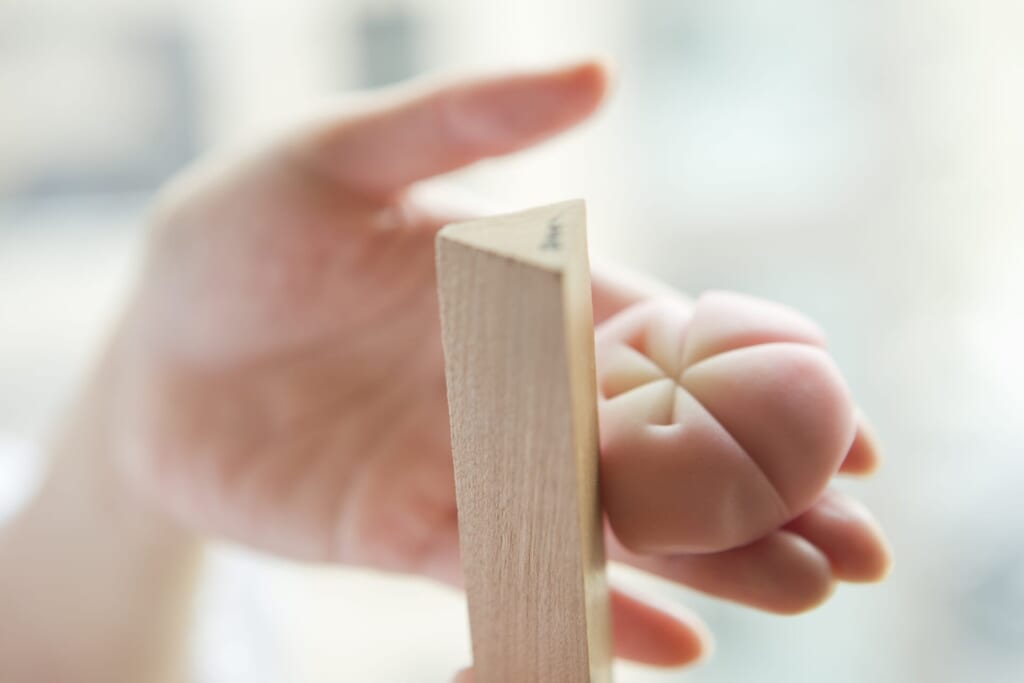
Kyoto-1 Day Trip|Enjoy Handmade Experience! Yuzen Dyeing and Wagashi (Japanese Sweets)
-

【Kyoto】1 Day Trip|Let’s walk around Higashiyama, Kyoto to see the autumn leaves!
-

Arashiyama, Kyoto-1 Day Trip|From Popular Spots to Best Kept Secret Spots!