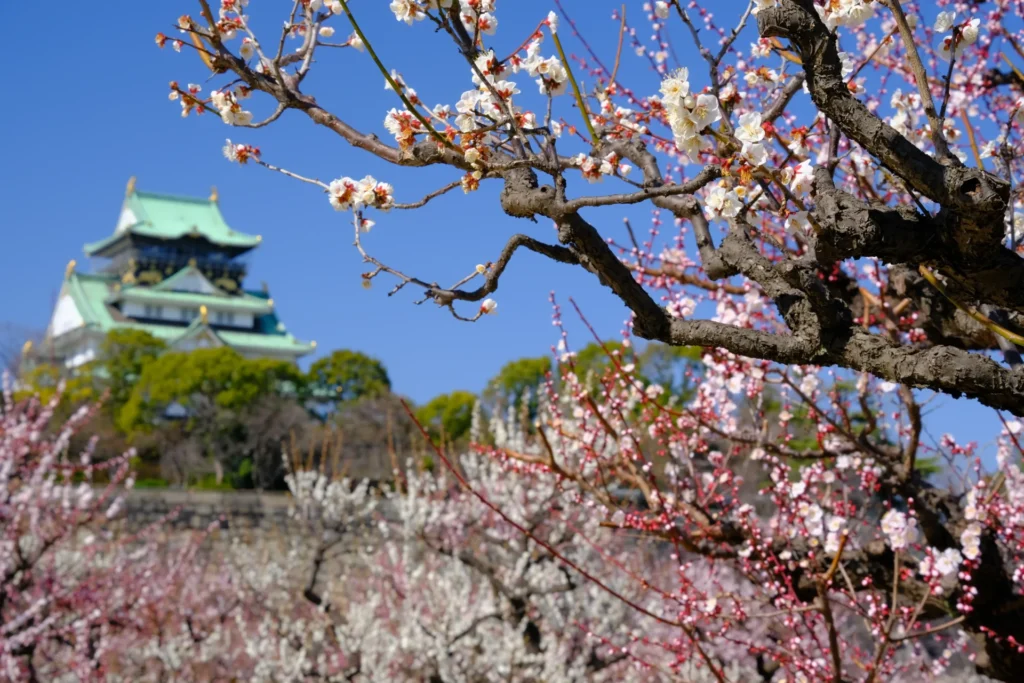
The plum blossom is called “ume” and is one of Japan’s representative flowers. Plum blossoms bloom in February and March, when the weather remains cold, to herald the arrival of spring.
The dainty appearance of ume flowers blooming while enduring the cold has captured the sensibility of the Japanese people since ancient times.
Enjoy the seasonal plum blossoms at places that embody the essence of Japan, such as shrines, temples, and castles.
-INDEX-
【OSAKA】
・Osaka Castle Park Plum Grove , The castle tower and plum blossoms
・Osaka Temmangu Shrine, God of Learning and Entertainment
・Expo ’70 Commemorative Park, famous for the Tower of the Sun
【KYOTO】
・Kitano Tenmangu Shrine, God of Learning
・Umenomiya-taisha Shrine, the oldest plum blossom viewing spot in Kyoto
・Jonan-gu Shrine, weeping plum trees in full bloom
【KOBE】
・Kitano Tenma Shrine, a shrine in the sky
【OSAKA】
Osaka Castle Park Plum Grove , The castle tower and plum blossoms
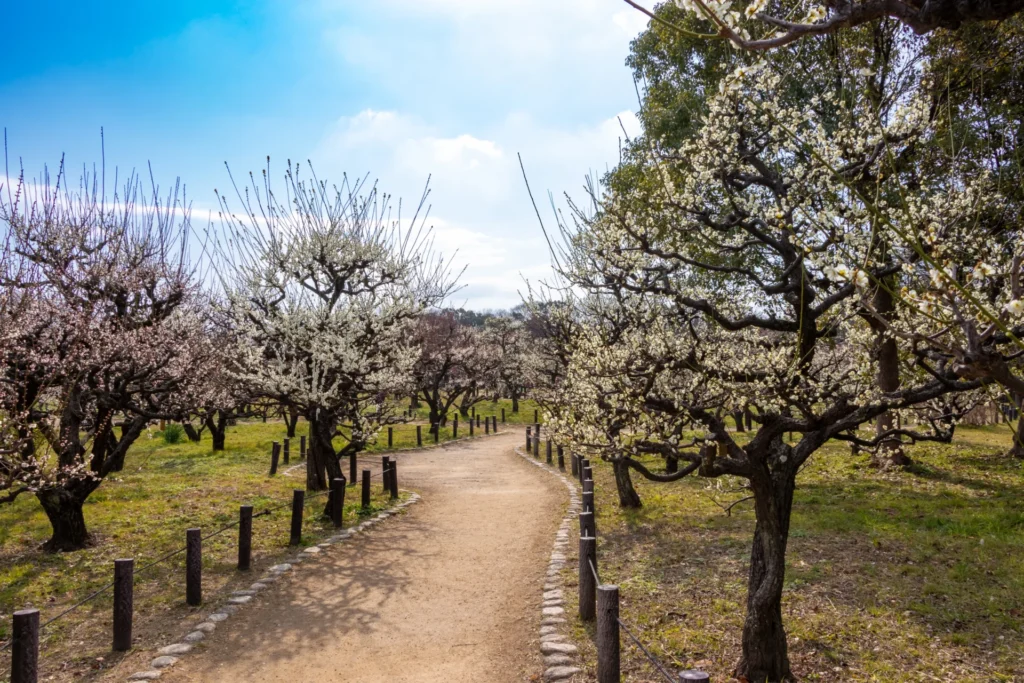
Osaka Castle Park Plum Grove is one of the most famous plum blossom viewing spots in Kansai. About 1,270 plum trees are planted in an area of about 1.7 hectares on the east side of the inner moat of Osaka Castle.
Please take your time to enjoy the castle, the plum blossoms, and the scenic beauty.
▼For those who want to learn more about the castle▼
5 castles in Osaka, Kyoto and Hyogo. From World Heritage Sites to the Newest Castles, Places to Visit for Sightseeing
LOCATION INFORMATION
Address
2 Osakajo, Chuo-ku, Osaka [MAP]
Access
20-minute walk from Osaka Metro Tanimachi Line Temmabashi Station
Opening hours
24 hours
Closed
Open year-round
Osaka Temmangu Shrine, God of Learning and Entertainment
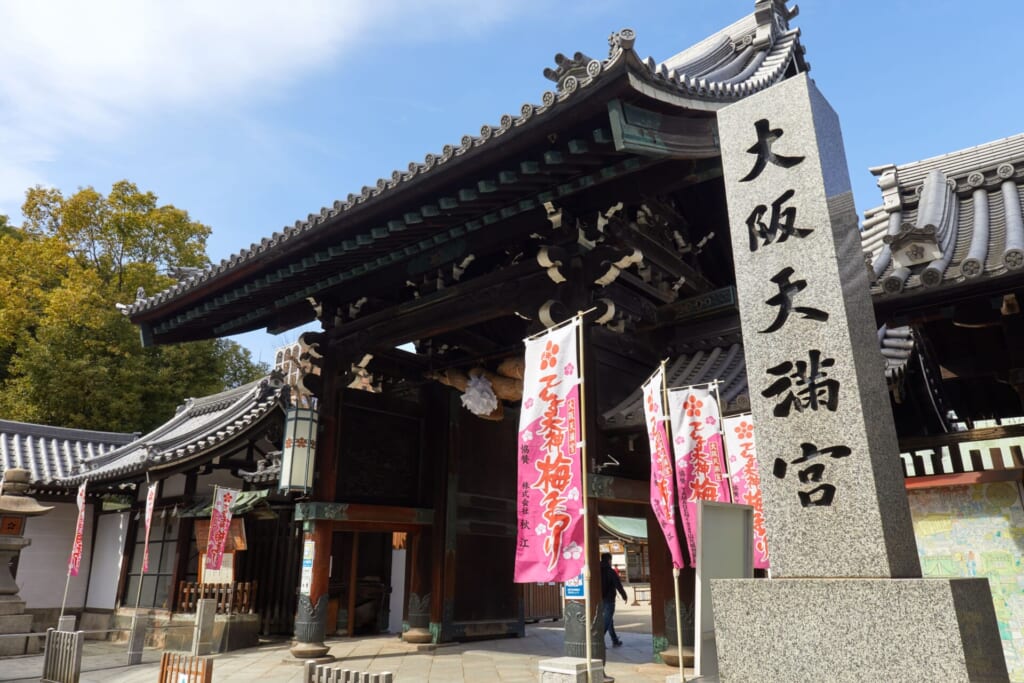

Osaka Temmangu Shrine is dedicated to Sugawara no Michizane, and is popularly known as “Tenjin-san of Temma”.
When the plum blossoms are at their best, the Plum Blossom Festival is held. Around the Hoshiai Pond on the north side of the temple grounds, there are about 100 white and red plum trees, which are very vivid.
LOCATION INFORMATION
Address
2-1-8 Tenjinbashi, Kita-ku, Osaka [MAP]
Access
Right by Osaka Metro Tanimachi Line or Sakaisuji Line Minamimorimachi Station
Website
Opening hours
24 hours *The shrine office is open from 9:00 AM to 5:00 PM.
Closed
Open year-round
Expo ’70 Commemorative Park, famous for the Tower of the Sun
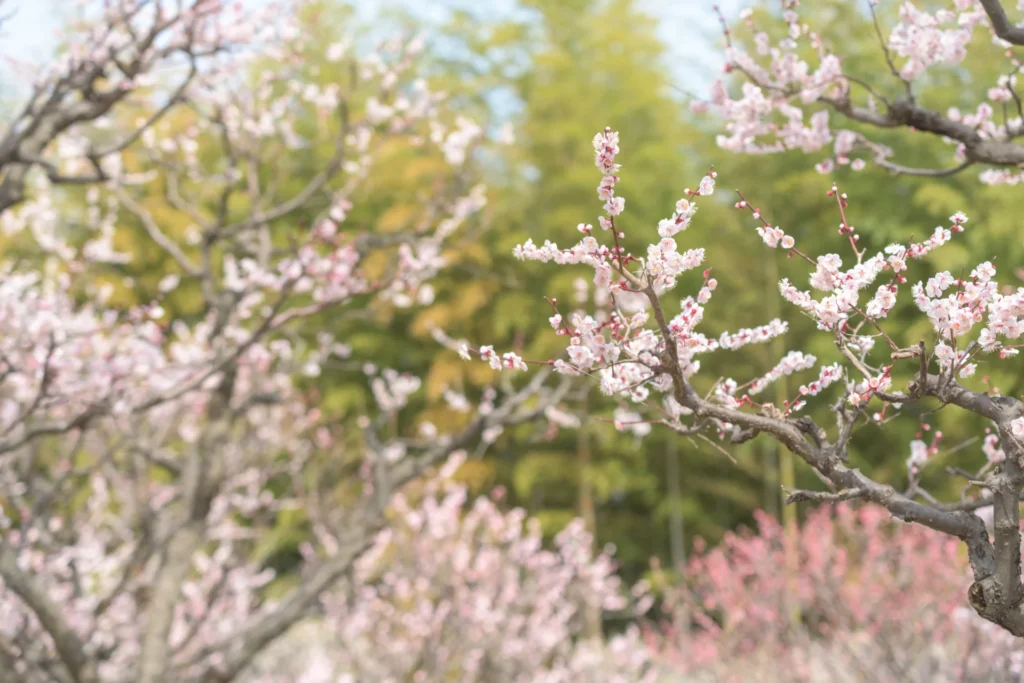
There are two plum gardens in the vast expanse of Expo ’70 Commemorative Park. There are about 600 plum trees of 120 varieties in the Natural and Cultural Garden and about 80 plum trees of 40 varieties in the Japanese Garden.
Enjoy the fragrance that spreads all over the area as you gaze at the Tower of the Sun floating in a sea of plum blossoms.
▼For more information about Expo ’70 Commemorative Park▼
Expo ’70 Commemorative Park is a great place to visit in Osaka! Highlights Explained!
LOCATION INFORMATION
Address
1-1, Senribanpakukoen, Suita, Osaka [MAP]
Access
From Hankyu Kyoto Line Minami-ibaraki Station or Hankyu Takarazuka Line Hotarugaike Station, transfer over to the Osaka Monorail and go to Bampaku-kinen-koen Station. It's a 7-minute walk from there.
Opening hours
9:30 AM to 5:00 PM; Last admission is 30 minutes before closing.
Closed
Every Wednesday (or the next business day if Wednesday is a holiday) / Year-end and New Year holidays
Admission Fees
Adults: 260yen, Elementary and Junior High School Students: 80yen, Preschool Children: Free
【KYOTO】
Kitano Tenmangu Shrine, God of Learning


All year round, students come to Kitano Tenmangu Shrine, known as the god of learning, to pray for the success of their exams.
When the plum blossoms are in full bloom, the plum garden associated with Michizane Sugawara is open. You can walk around among the plum trees and enjoy the fragrance of the plum blossoms.
※The plum garden opens to the public depending on the blooming status, but it is typically in early February.
LOCATION INFORMATION
Address
Bakurocho, Kamigyo-ku, Kyoto [MAP]
Access
Take the Kyoto city bus from Hankyu Kyoto Line Omiya Station
and alight at Kitano Tenmangu-mae.
It's a short walk away.
Opening hours
9:00-20:30(Registration closes at 20:00)
Open
February 1, 2026 (Sunday) to May 24, 2026 (Sunday)
Admission Fees
Adults: 3,000yen, Children (elementary school students): 1,500yen
Umenomiya-taisha Shrine, the oldest plum blossom viewing spot in Kyoto


The symbol of Umenomiya-taisha Shrine, 450 ume trees of about 35 varieties are planted throughout the shrine grounds. It is recommended to visit the shrine when the cherry blossoms are in full bloom and the late blooming plum trees are in full bloom.
Umenomiya-taisha Shrine is also famous for the cats that live in its precincts. This shrine is a must-see for cat lovers.
▼Here’s a recommended itinerary for visiting Arashiyama along with Matsuo Taisha Shrine▼
Kyoto Arashiyama Sightseeing Half-day Model Course! Capture the bamboo forest, temples, nature, and major spots
LOCATION INFORMATION
Address
30 Umezu Fukenokawacho, Ukyo-ku, Kyoto [MAP]
Access
11-minute walk from Hankyu Arashiyama Line Matsuo-taisha Station
Website
Opening hours
9:00 AM to 5:00 PM (Last admission at 4:30 PM)
Cloese
Open year-round
Admission Fees
Free
Jonan-gu Shrine, weeping plum trees in full bloom


During the plum blossom season, Jonan-gu Shrine is visited by many tourists because of the beautiful contrast between the plum trees that cover the overhead and the red camellia flowers that fall in dots.
Founded in the south of Kyoto at the time of the Heian-kyo Capital transfer, it is worshiped as a major shrine that removes worries about moving, construction, and house construction.
LOCATION INFORMATION
Address
7, Nakajimatobarikyucho, Fushimi-ku, Kyoto [MAP]
Access
Take the Kyoto city bus from Hankyu Kyoto Line Omiya Station
and alight at Jonangu. It's a short walk away.
Opening hours
9:00 AM to 4:30 PM (last admission at 4:00 PM)
Closed
Open year-round
Admission Fees
During the Plum and Camellia Festival period: Adults 1,000yen, Elementary school students 600yen
【KOBE】
Kitano Tenma Shrine, a shrine in the sky
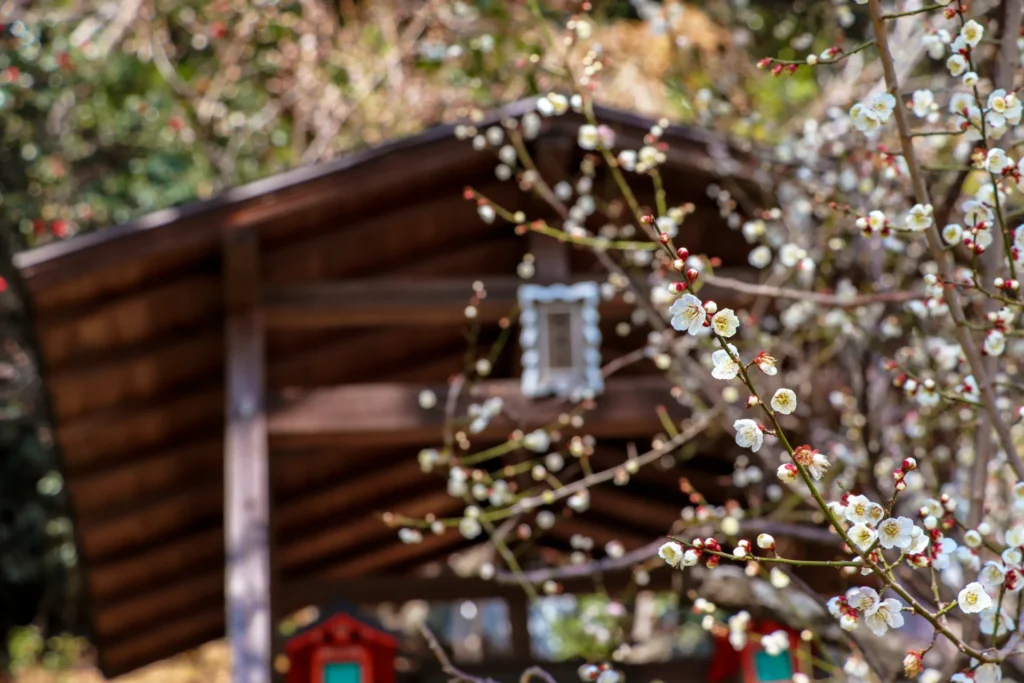

Kitano Tenma Shrine is located up the hill from the beautiful Kitano Ijinkan Street lined with foreign residences.
The plum blossom garden on the hill behind the shrine is known as one of the best plum blossom spots in Kobe, and is decorated with many plum blossoms, especially white plum blossoms. From the observatory in the plum grove, you can enjoy a panoramic view of the city of Kobe and the Port of Kobe.
LOCATION INFORMATION
Address
3-12-1, Kitano-cho, Chuo-ku, Kobe, Hyogo [MAP]
Access
20-minute walk from Hankyu Kobe Line Kobe-sannomiya Station
20-minute walk from Hanshin Main Line Kobe-Sannomiya Statio
Website
Opening hours
9:00~16:30
Closed
Open year-round
Admission Fees
Ume Garden 100yen
Okamoto Plum Blossom Park, overlooking the city of Kobe
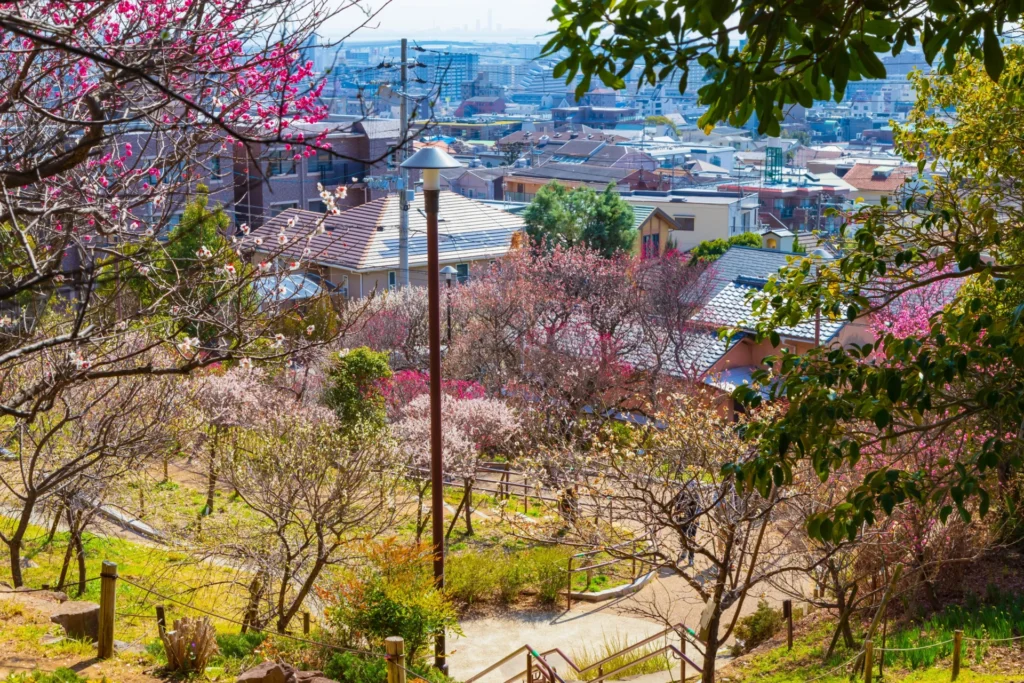
There are about 130 plum trees of 21 species planted on a hill in Okamoto, with a great view. You can enjoy the plum blossoms while overlooking the city.
This plum grove park is famous for its beautiful plum blossoms, so much so that it was once called “Okamoto for plum blossoms and Yoshino for cherry blossoms”.
LOCATION INFORMATION
Address
6-6-8, Okamoto, Higashinada-ku, Kobe, Hyogo [MAP]
Access
8-minute walk from Hankyu Kobe Line Okamoto Station
Kobe Suma Rikyu Park, many varieties of plum trees
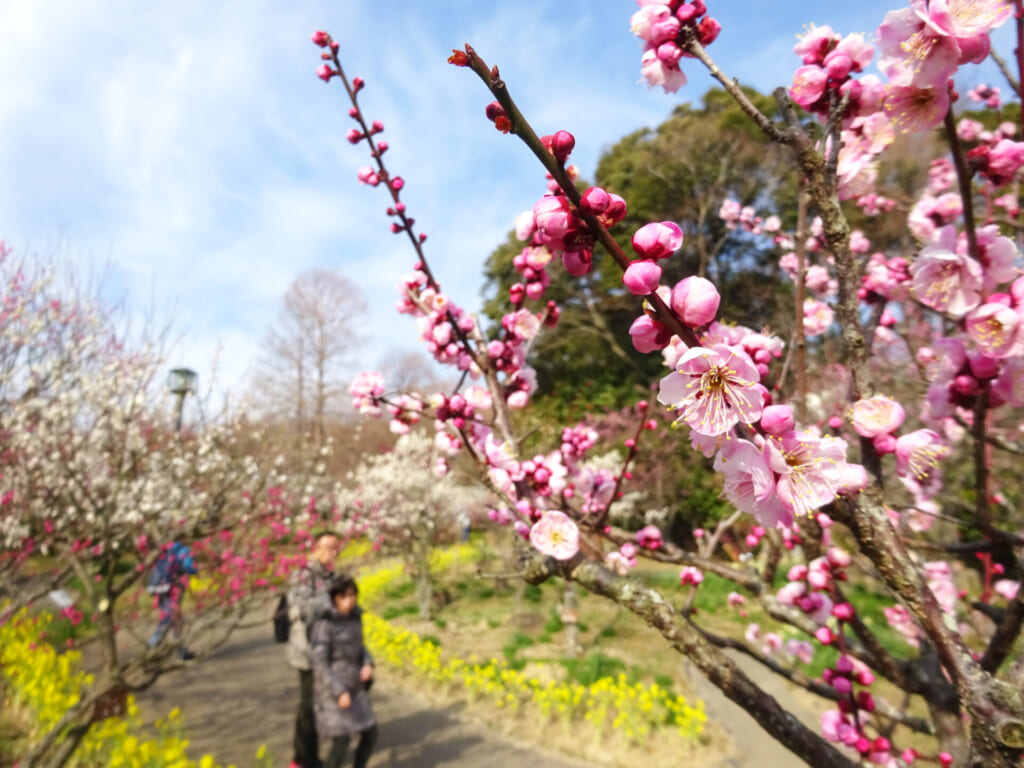
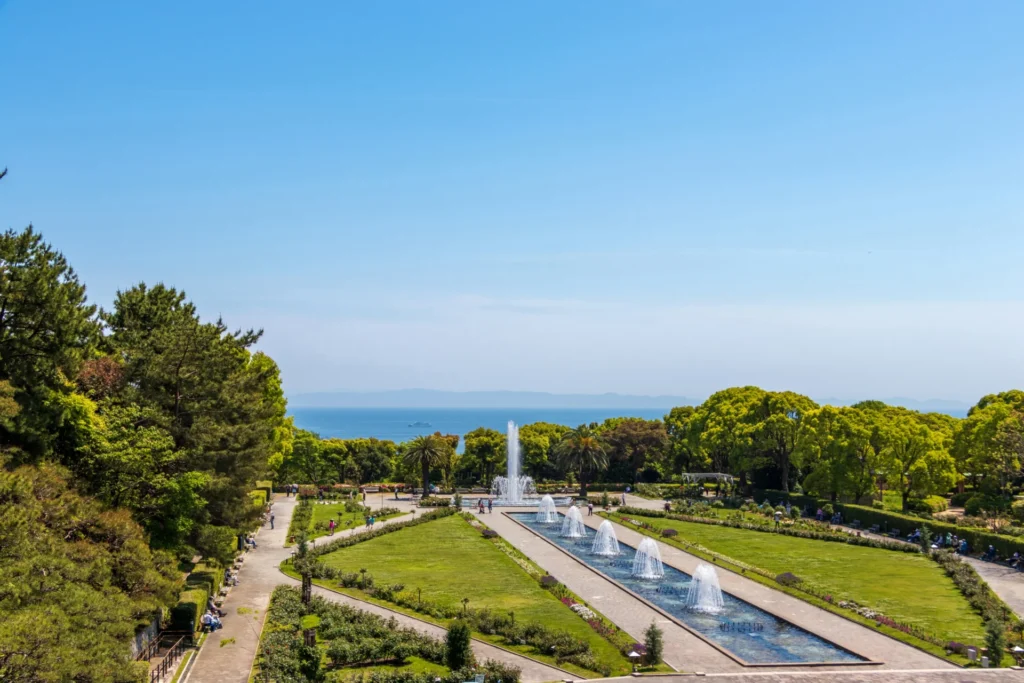
From the early-blooming varieties of Yaekankou and Gyokubotan to the late-blooming varieties of Bungo, 160 plum trees of about 25 varieties bloom one after another in a relay-like pattern for about a month.
At the same time, daffodils and rape blossoms blooming at our feet add color to the scene.
▼For detailed information on Suma▼
Kobe・Sumaura Sanjo Amusement Park|Retro Rides, Stunning Seto Inland Sea Views, and Spectacular Cherry Blossoms
LOCATION INFORMATION
Address
1-1, Higashisuma, Suma-ku, Kobe, Hyogo [MAP]
Access
From Kobe kosoku Line Shinkaichi Station,
transfer over to the Sanyo Electric Railway and go to Tsukimiyama Station.
It's a 10-minute walk from there.
Opening hours
9:00 AM to 5:00 PM (Last admission at 4:30 PM)
Closed
Every Thursday (Open on holidays)
Admission Fees
15 years and older (excluding junior high school students): 400yen Elementary and junior high school students: 200yen


