
A free spirit who loves the serene landscapes of ancient cities and travels solo.
Constantly exploring fascinating and less-known gems in Osaka, Kyoto, and Kobe.
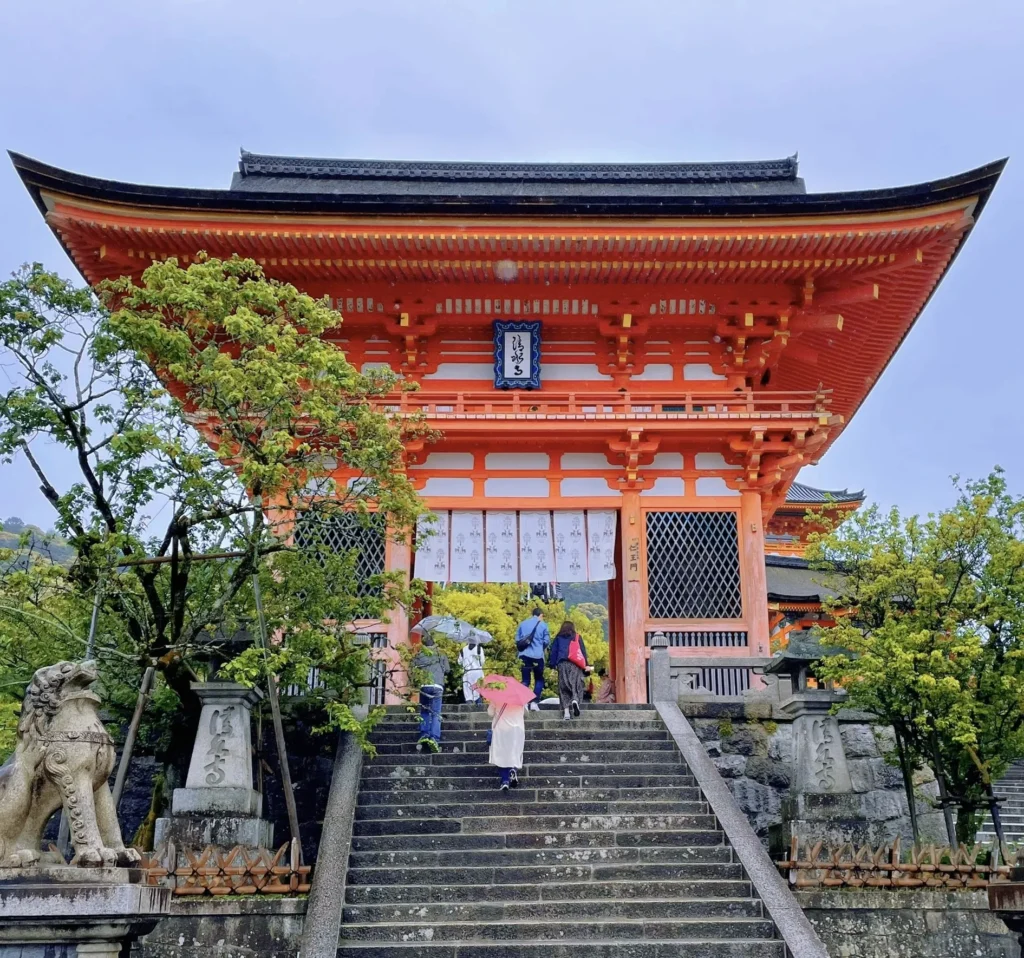
Kiyomizu-dera Temple is one of Kyoto’s most iconic sightseeing spots. Famous for its wooden main hall, the temple offers breathtaking views that change beautifully with each season, captivating travelers from around the world.
However, Kyoto’s transportation system may be confusing for first-time visitors, especially the city buses. To help travellers understand the best route, this guide explains the best ways to reach Kiyomizu-dera from Osaka and shares useful tips and local rules to make your journey stress-free and enjoyable.
-INDEX-
1. Where Is Kiyomizu-dera Temple Located?
2. How to Get to Kiyomizu-dera from Osaka Umeda & Namba
(1) Take the Osaka Metro Midosuji Line and get off at Umeda Station (M16)
(2) Transfer from Umeda Station (M16) to the Hankyu Kyoto Line
(3) Travel from Osaka-umeda Station to Karasuma Station
(4) Take a Kyoto City Bus from Shijo-Karasuma Station to Kiyomizu-dera
3. How to Ride the Kyoto City Bus
4. Getting to Kiyomizu-dera by Taxi from Karasuma Station
5. One-Day Itinerary: Exploring Kiyomizu-dera and the Surrounding Area
1. Where Is Kiyomizu-dera Temple Located?
Kiyomizu-dera is located east of Kyoto City. The nearest train station is Kiyomizu-Gojo Station on the Keihan Line, but it takes about 25 minutes by walk from the station—and the route includes steep uphill roads. For this reason, most visitors choose to use city buses or taxis instead of walking.
2. How to Get to Kiyomizu-dera from Osaka Umeda & Namba
There are several ways to reach Kiyomizu-dera Temple from Osaka Umeda or Namba, but the most recommended route is to take the Hankyu Kyoto Line and get off at Karasuma Station, then transfer to a city bus.
Why Karasuma Station instead of the more famous Kyoto-kawaramachi Station? The key reason is avoiding crowded buses. Kyoto-kawaramachi is the terminal station of the Hankyu Kyoto Line, and buses departing from this area are often already extremely crowded, making it difficult to board. By getting on the bus one stop earlier at Shijo-Karasuma Bus Stop, you can avoid peak congestion, face shorter waiting lines, and enjoy a much smoother journey to Kiyomizu-dera.
(1) Take the Osaka Metro Midosuji Line and get off at Umeda Station (M16)
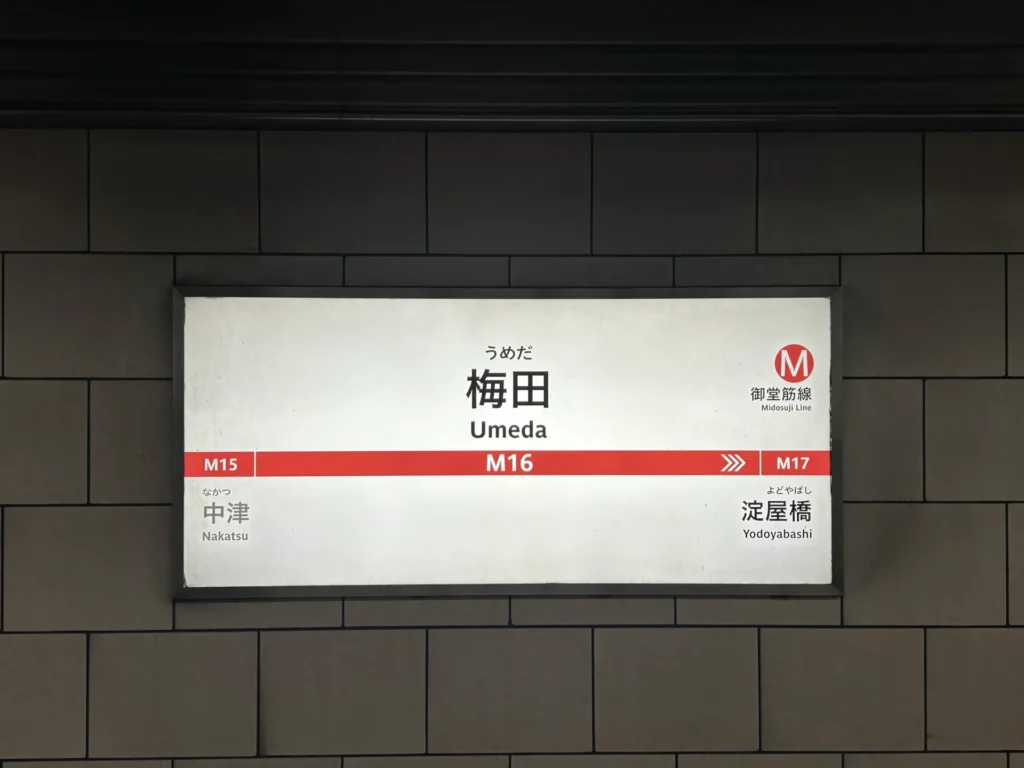
This guide explains in detail how to travel from Namba and Shinsaibashi, two of Osaka’s most popular downtown areas, to Umeda Station.
For getting around Osaka, Osaka Metro (subway) is the most convenient option. When traveling from Namba or Shinsaibashi to Umeda, take the Midosuji Line, the city’s main subway line. The Midosuji Line is easy to identify by its red line color on station maps. Ride the train directly to Umeda Station (M16)—no transfers required.
(2) Transfer from Umeda Station (M16) to the Hankyu Kyoto Line
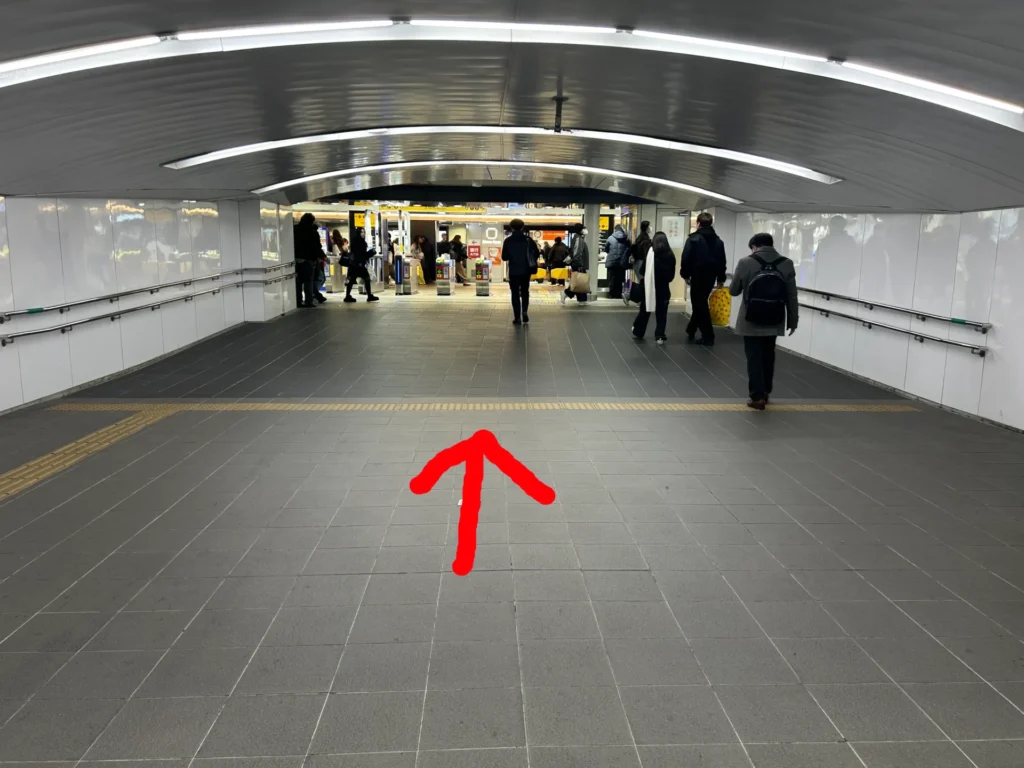
After arriving at Umeda Station (Osaka Metro), go up the stairs or escalator to the ticket gate level and head for the North Gate.
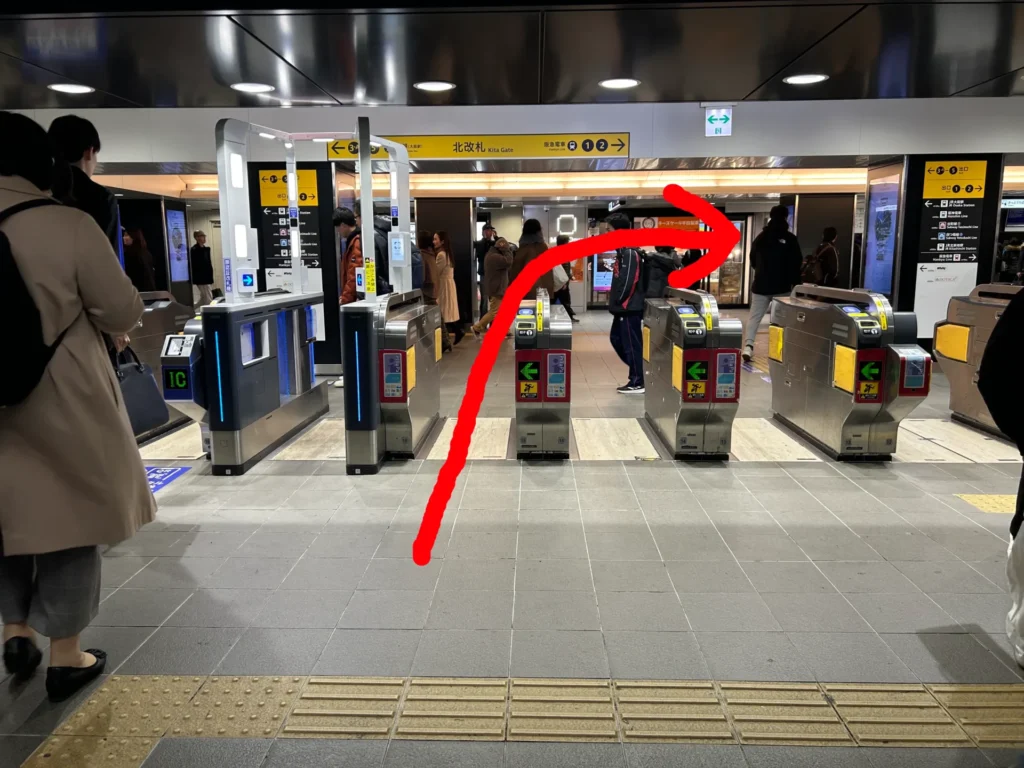
After exiting the North Gate, turn right.
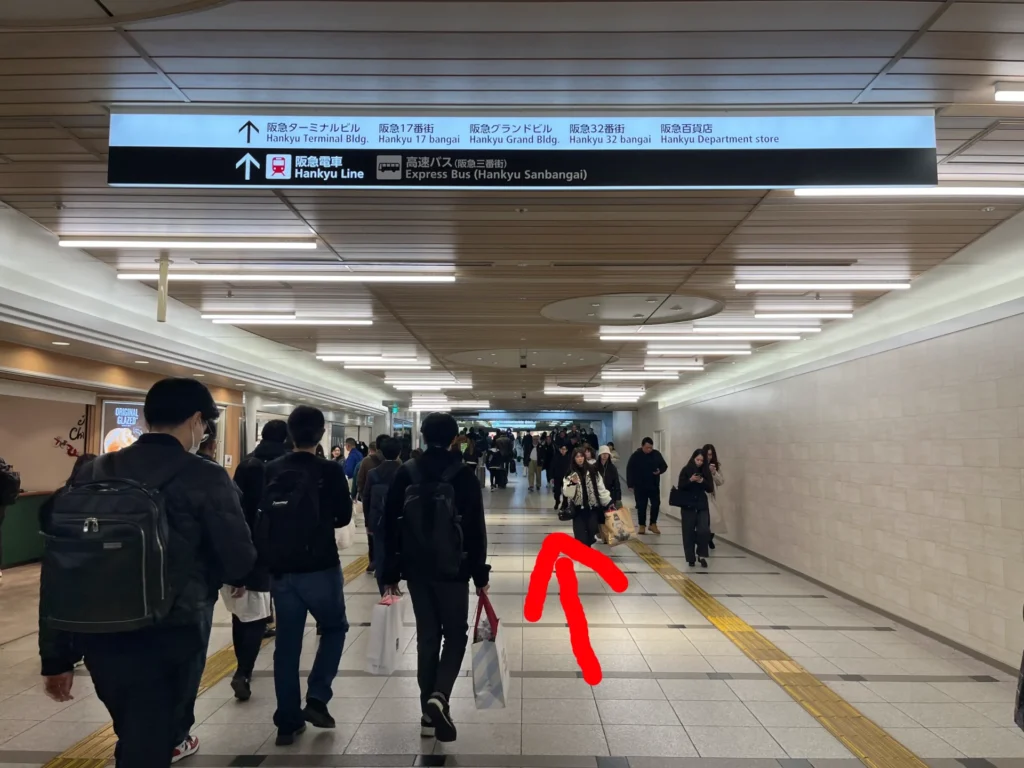
Follow the signs through the underground passage and walk straight toward the Hankyu Railway ticket gates.

After walking about 50 meters, you will see a large staircase and an escalator on the left. Go up.
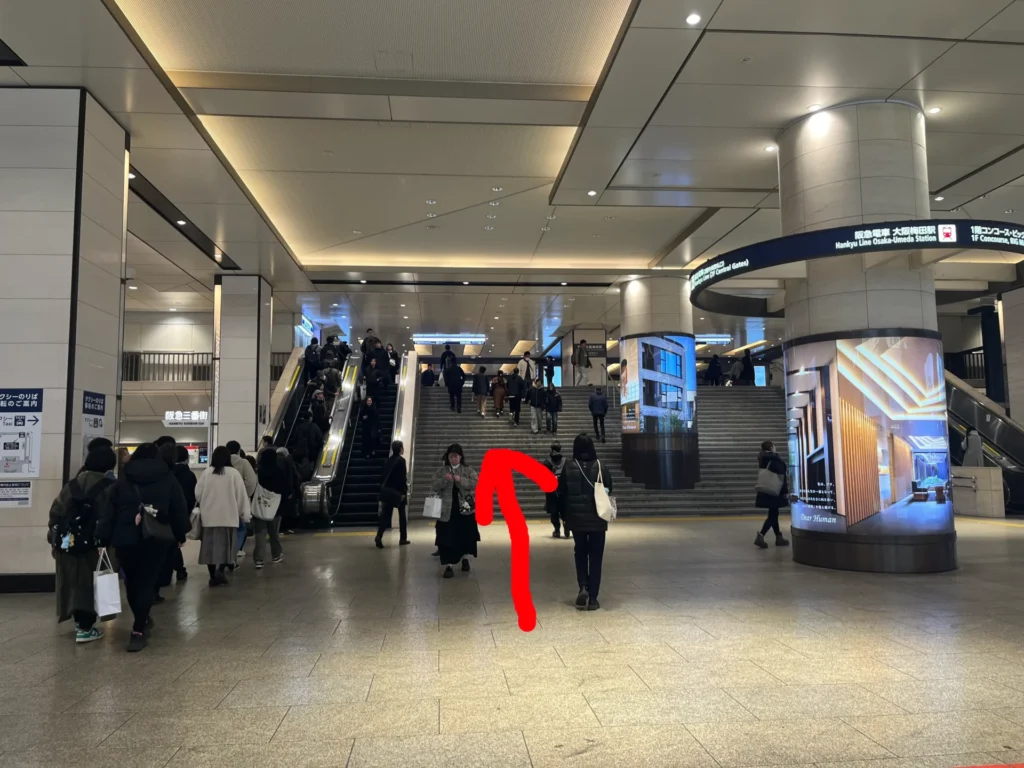
You will then come to another staircase/escalator—go up again.

Straight ahead, you will see the Hankyu Osaka-Umeda Station, 2nd Floor Central Ticket Gate.
(3) Travel from Osaka-umeda Station to Karasuma Station
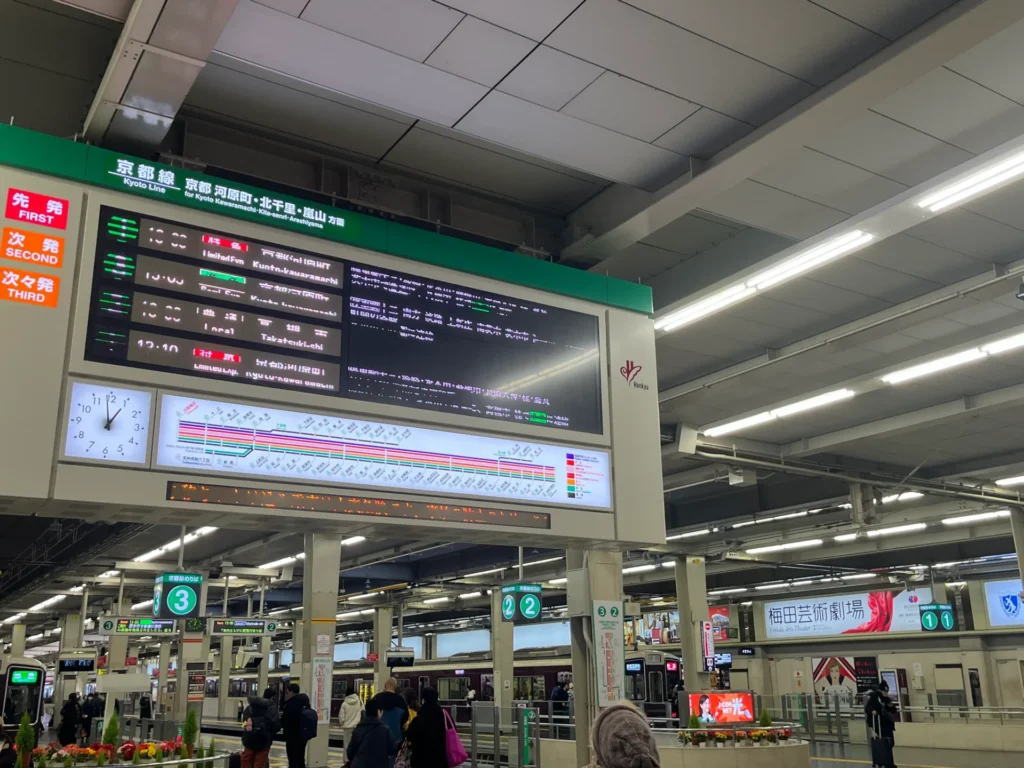
Once you pass through the ticket gates, head to Platforms 1–3, where the Hankyu Kyoto Line departs, and board a train bound for Kyoto-kawaramachi. The Limited Express is recommended—it’s the fastest option and does not require any additional fee.
If you have an IC card or credit card, simply tap it at the ticket gate to enter and ride.
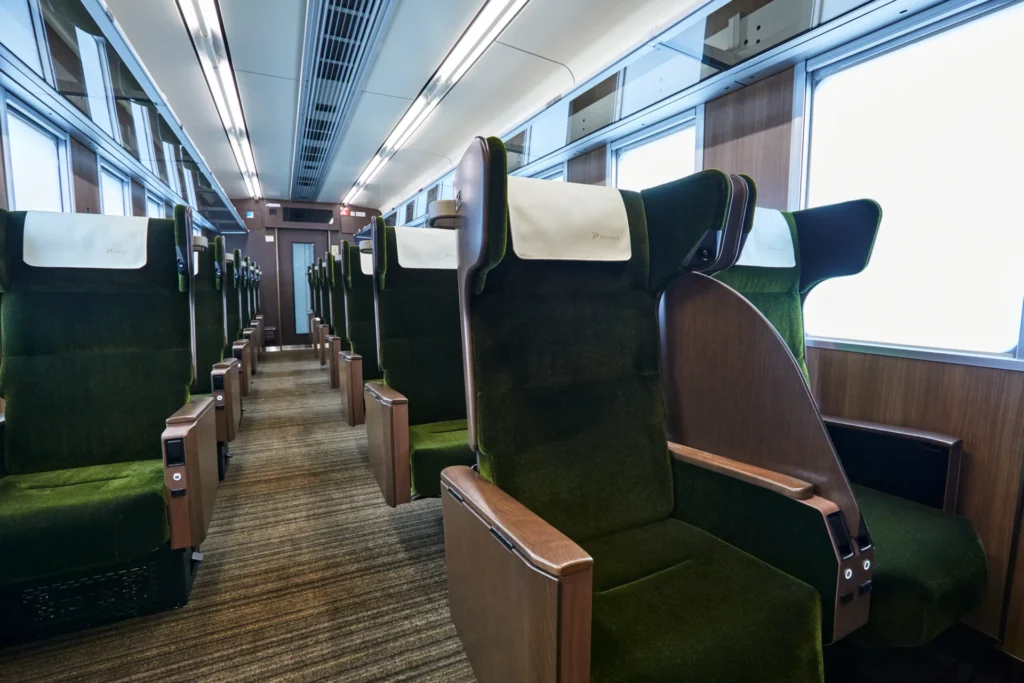
The reserved-seat service on Hankyu Kyoto Line “PRiVACE” lets you enjoy a more comfortable journey. By paying an additional 500 yen on top of the regular fare, you are guaranteed a seat and can travel in a relaxed, spacious environment.
▼For more information▼
On Saturdays, Sundays, and national holidays, the sightseeing limited express “Kyo-Train Garaku” runs with a beautifully designed Japanese-modern interior.
Best of all, you can ride it with just the regular fare, making it a great choice for travelers who want to enjoy a special Kyoto-style experience on the way.
▼For more information▼
Kyo-Train Garaku | Feel Kyoto, From the Moment You Step On Board – Specially Designed Train
(4) Take a Kyoto City Bus from Shijo-Karasuma Station to Kiyomizu-dera
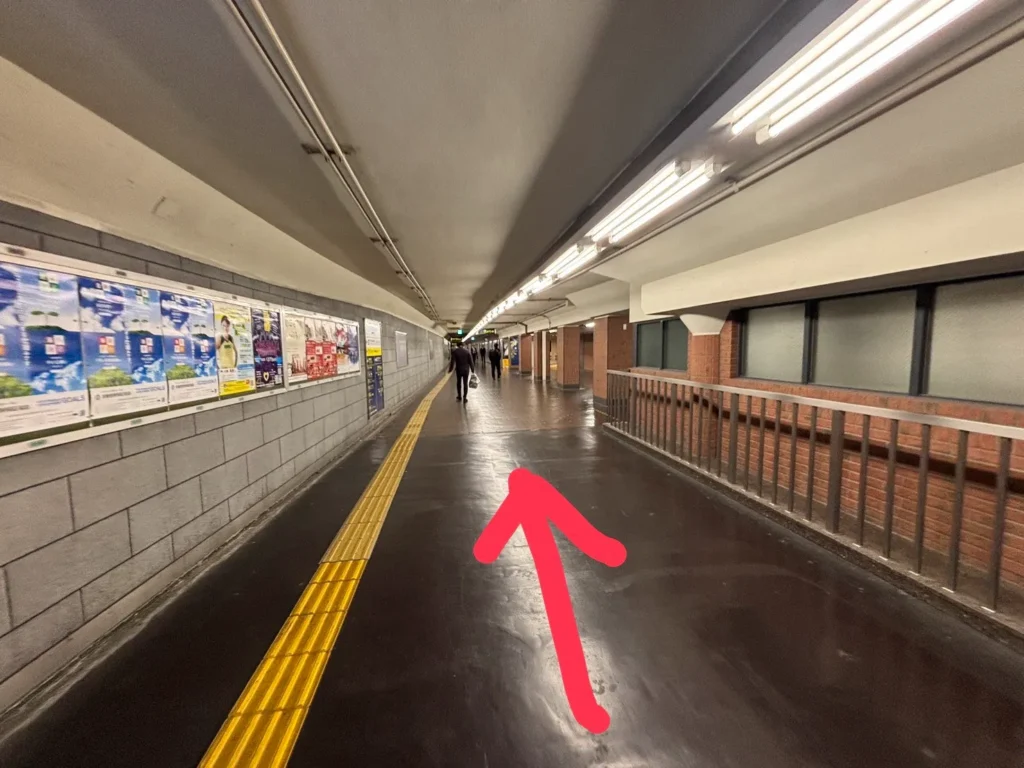
After getting off at Karasuma Station on the Hankyu Kyoto Line, exit through the West Gate and walk straight through the underground passage toward Exit 24.
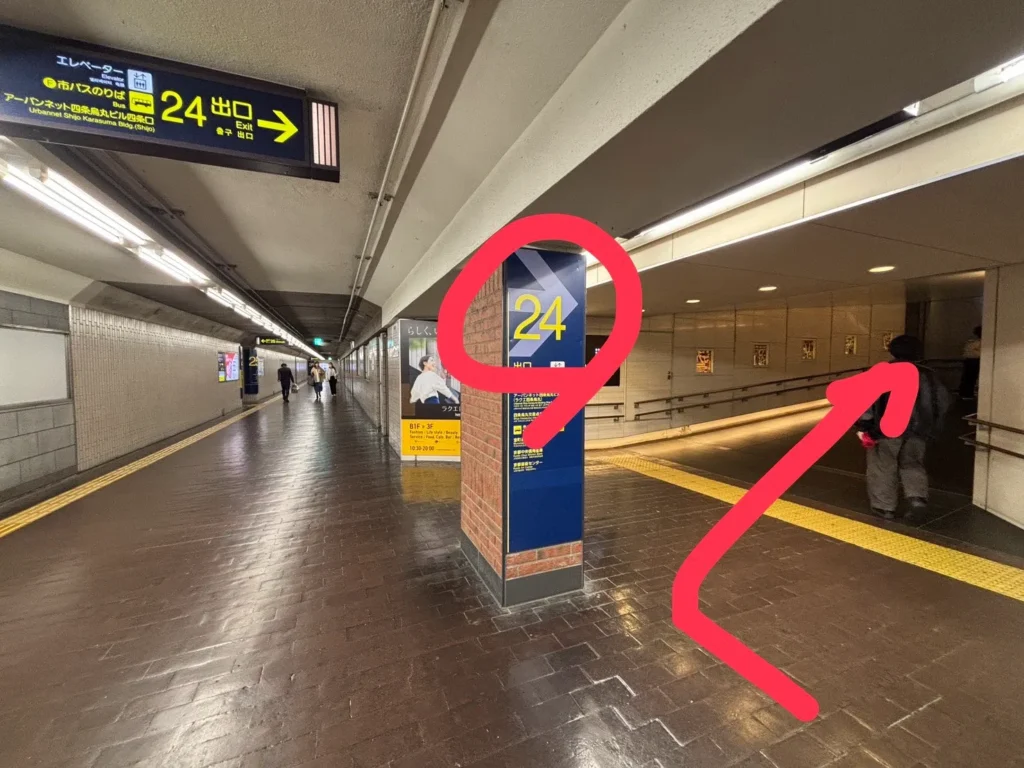
Follow the signs and turn right, then go up to street level at Exit 24.
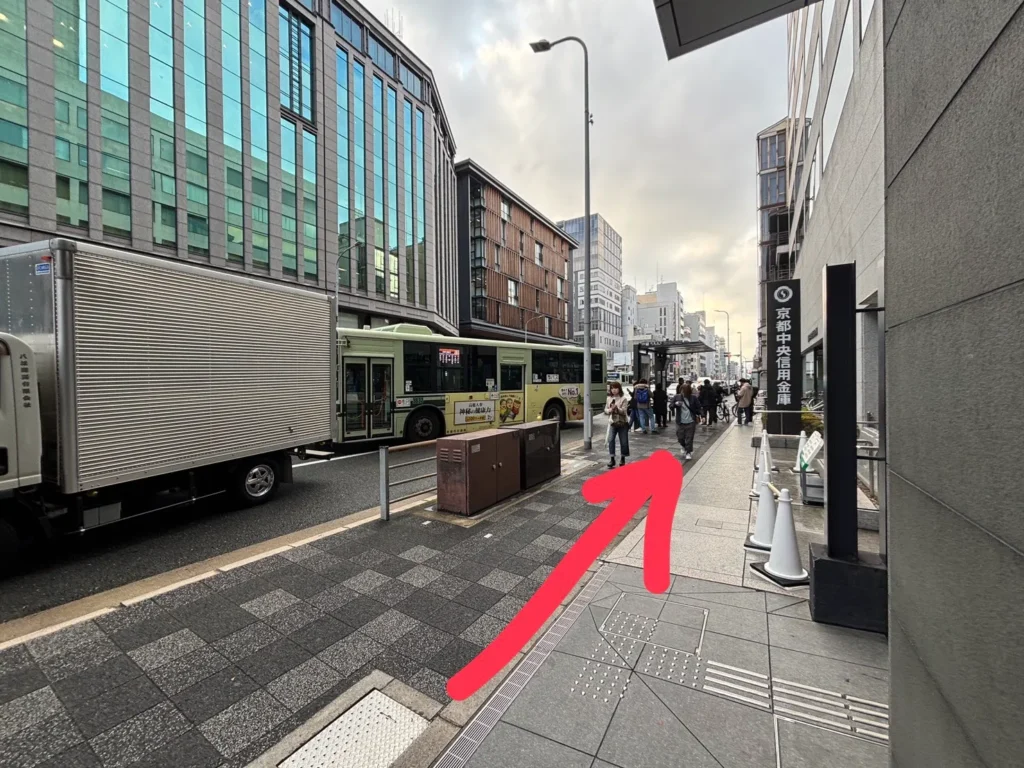
Once outside, walk about 20 meters to the right and you will see the Kyoto City Bus “Shijo-Karasuma” bus stop (Platform F).
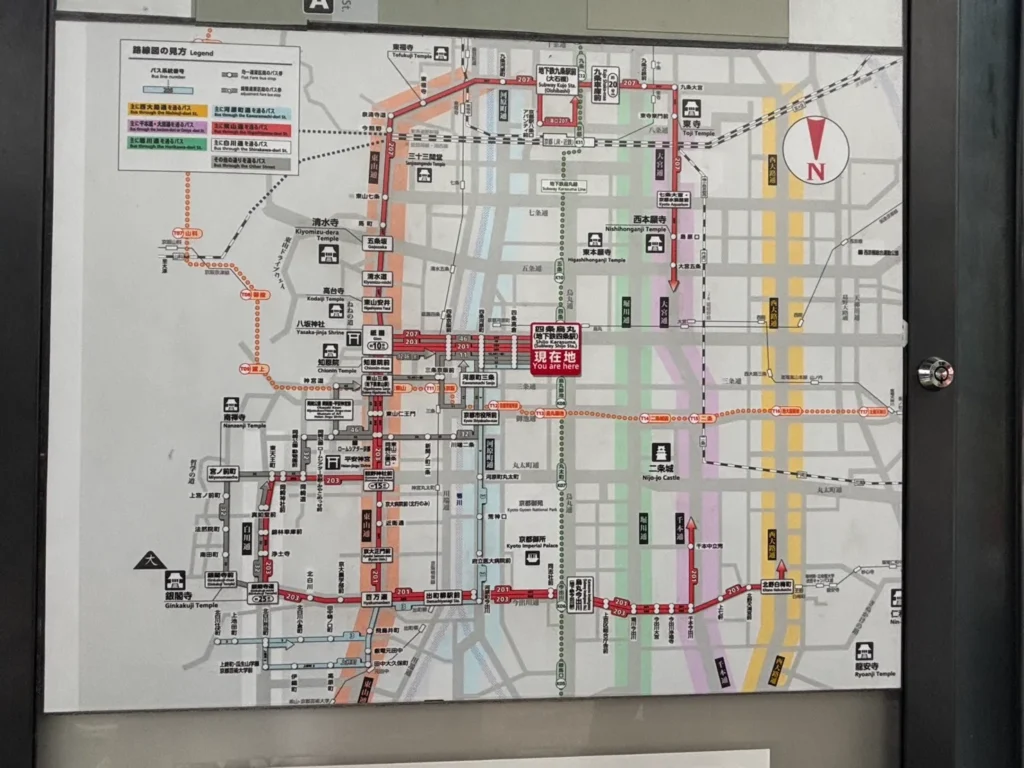
From Platform F, take Bus No. 207 bound for Gion / Kiyomizu-dera.
Get off at the 7th stop, “Gojo-zaka”, then walk about 10 minutes to reach Kiyomizu-dera Temple.
・Time required: Approx. 15–20 minutes (may vary depending on traffic)
・Frequency: About 6–8 buses per hour (daytime)
・Fare: 230 yen for adults (flat fare)
3. How to Ride the Kyoto City Bus
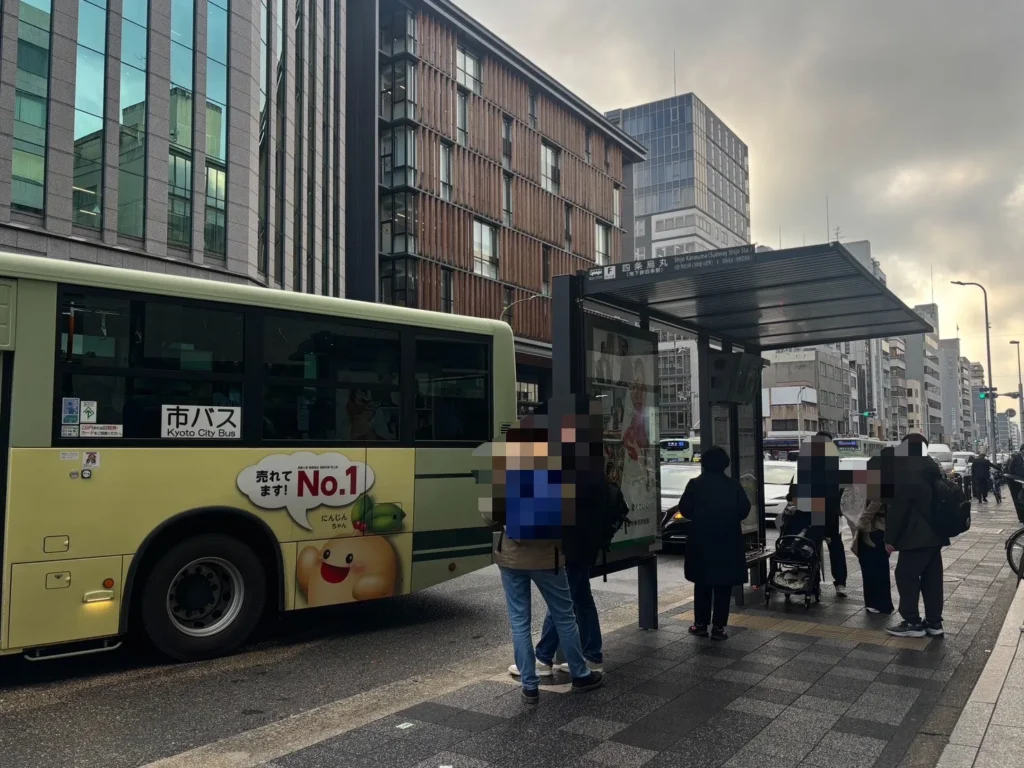
Kyoto City buses are easy to use once you know the basic rules. Follow these steps for a smooth ride:
① Board from the rear door
Enter the bus through the back door. This is the standard boarding method in Kyoto.
② Pay your fare when getting off (pay-on-exit system)
Fares are paid when you leave the bus, not when you board.
■Paying with cash
Put the exact fare into the fare box when getting off. The machine can give change for coins and ¥1,000 bills, so no need to prepare exact change.
*¥2,000, ¥5,000, and ¥10,000 bills are not accepted, so please exchange them before boarding.
■Paying with an IC card (ICOCA, Suica, etc.)
Touch your IC card to the card reader when getting off. IC cards cannot be recharged on the bus, so make sure you have enough balance. If your balance is insufficient, you will need to pay the difference in cash. It’s best to recharge your card in advance at a station or convenience store.
③ Exit from the front door
[Important Note About Luggage]
Bringing large suitcases onto Kyoto city buses can cause congestion and may inconvenience other passengers. In busy areas, it can also be unsafe. For a more comfortable trip, consider using coin lockers at train stations or sending luggage to your hotel via a luggage delivery service. Traveling hands-free will make sightseeing in Kyoto much more enjoyable, especially in popular areas like Kiyomizu-dera and Gion.
4. Getting to Kiyomizu-dera by Taxi from Karasuma Station
If the buses are too crowded or you want to save time, taking a taxi is a convenient option. You can catch one at the Shijo Karasuma Taxi Stand, located just a short walk from Shijo Karasuma Station.
・Travel time: Approx. 10–15 minutes
・Fare: Around ¥1,300–¥1,800
Please note that traffic congestion is common in Kyoto, so it’s best to allow some extra time in your schedule. Also, taxis are usually not allowed to stop directly in front of Kiyomizu-dera; you may be dropped off near access points such as Gojo-zaka, from where you’ll walk to the temple entrance.
5. One-Day Itinerary: Exploring Kiyomizu-dera and the Surrounding Area
A typical visit to Kiyomizu-dera Temple takes about 1 hour if you plan to focus only on sightseeing and prayer. If you’d like to explore the surrounding areas such as Ninen-zaka and Sannen-zaka, famous for souvenir shopping and street food, allow 2 to 3 hours in total. During peak seasons, especially cherry blossom season in spring and autumn foliage season, the temple can become extremely crowded, and you may need to wait up to an hour just to enter the grounds.
Good news for early risers: Kiyomizu-dera opens from 6:00 a.m. Visiting early in the morning means fewer crowds, crisp and refreshing air, and excellent conditions for photography—perfect for travelers who want a more peaceful experience.
For more detailed highlights and local food recommendations around Kiyomizu-dera, be sure to check out the related articles below!
▼Check these articles▼
Must-visit! 12 World Heritage Sites in Kyoto
[2025] 7 Best Breakfasts in Kyoto | Near JR Kyoto Station and Popular Tourist Attractions


